Table of Contents >> Show >> Hide
- Main Keyword
- What’s Usually Clogging a Bathtub Drain?
- Before You Start: Set Yourself Up for a Fast Win
- Method 1: The “Hair Pull” (Yes, This Is Grossand Yes, It Works)
- Method 2: Plunge the Tub Drain (The Overflow Hole Is the Secret Boss)
- Method 3: Use a Plastic Zip Tool (Fast, Cheap, Weirdly Satisfying)
- Method 4: Snake the Drain (When the Clog Is Deeper Than Your Patience)
- Method 5: Wet/Dry Vacuum (The “Shop Vac Saves the Day” Move)
- Should You Open the Trap?
- When to Call a Plumber (a.k.a. When DIY Has Earned a Medal)
- How to Prevent Bathtub Drain Clogs (So This Doesn’t Become a Hobby)
- FAQ: Quick Answers for Common “Wait, Can I…?” Questions
- Real-Life Experiences: What People Learn After Fighting the Same Tub Clog Three Times
- Conclusion
A clogged bathtub drain has one job: ruin your mood right when you’re trying to relax. You step into a warm shower, you hear that comforting whoosh…
and then the water starts rising like your tub is auditioning for a disaster movie. The good news: most bathtub clogs are made of boring stuff (hair, soap scum,
and tiny bits of “how did this even get in here?”). The better news: you can usually clear them without chemical drain cleanersusing simple tools,
a little technique, and just enough courage to face the Hair Kraken.
This guide walks you through the most effective, chemical-free ways to unclog a bathtub drainstarting with the easiest fixes and moving up to the “okay,
we’re getting serious” methods. You’ll also learn how to prevent repeat clogs, and when it’s time to wave the white flag and call a pro.
Main Keyword
How to unclog a bathtub drain without chemicals
What’s Usually Clogging a Bathtub Drain?
Most bathtub clogs aren’t mysteriousthey’re just persistent. Here’s what typically builds up and slows your drain:
- Hair (the #1 culprit): It tangles around itself, catches soap residue, and forms a surprisingly durable “rope.”
- Soap scum: Soap + minerals in water can leave a waxy film that grabs onto hair and debris.
- Shampoo/conditioner residue: Especially if you use thicker products, which can cling to pipe walls.
- Bath additives: Oils, salts, and gritty scrubs can contribute to buildup over time.
- Small objects: A lost razor cap, a toy, a bobby pinyour drain is not a storage unit.
The strategy is simple: remove what you can reach first (usually hair), then use suction/pressure (plunging), then mechanical clearing (snaking), and only then
consider opening access panels or calling a plumber.
Before You Start: Set Yourself Up for a Fast Win
Grab the right tools (you won’t need all of them)
- Rubber gloves (the thicker, the braver)
- Flashlight
- Old towel or rag
- Cup-style plunger (not the flange toilet plunger, unless you like awkward fittings)
- Plastic drain “zip” tool or barbed drain wand
- Manual drain snake / drum auger (15–25 feet is common for tubs)
- Small screwdriver (for the overflow plate)
- Optional: wet/dry shop vacuum
Know your stopper style
Bathtubs come with different drain stopperslift-and-turn, toe-touch, push-pull, trip-lever, flip-it, pop-up. The removal steps vary, but most are DIY-friendly,
and cleaning the stopper area is often the quickest fix. (If yours is trip-lever, the linkage is usually behind the overflow plate.)
Safety notes (because the tub is slippery and hot water is still hot)
- Avoid harsh chemical drain cleanersthey can be hazardous and are regulated for a reason. This guide is about skipping them entirely.
-
If you use hot water to flush the drain, aim for “very hot,” not “rolling-boil lava.” Some guides recommend hot water around 180°F for certain methods,
and you should be cautious with plastic piping and finishes. - Put down a towel to protect the tub surface and your knees. Your future self will thank you.
Method 1: The “Hair Pull” (Yes, This Is Grossand Yes, It Works)
If your tub is draining slowly (not fully blocked), the clog is often right near the opening. That means you can win this battle in minutes.
Step-by-step
- Remove the stopper (or lift it as high as it goes, depending on the style).
- Use a flashlight to look into the drain. If you see hair, you’re in luck (sort of).
-
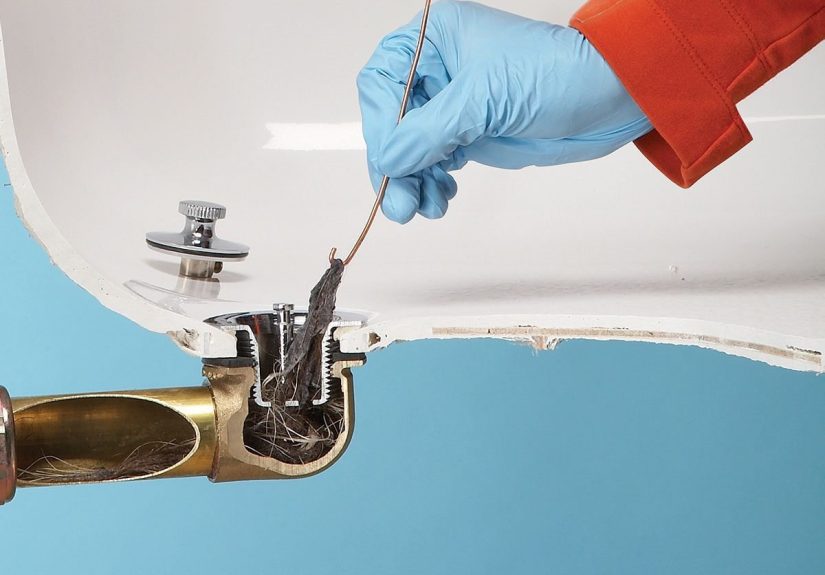
Use a gloved hand, a bent wire hook (like a straightened coat hanger with a small hook), or a plastic barbed zip tool to pull hair out.
A simple hook tool is a classic approach for snagging hair clogs near the top. - Wipe the gunk into a trash bag. Do not “rinse it back down.” That’s how clogs get sequels.
- Run hot water for 30–60 seconds to see if flow improves.
Pro tip: If you can pull out a wad and the water suddenly starts draining like it’s late for an appointment, you probably just solved 80% of the problem.
Method 2: Plunge the Tub Drain (The Overflow Hole Is the Secret Boss)
Plunging a bathtub drain worksbut only if you handle the overflow opening correctly. Bathtubs have two openings: the drain at the bottom and the overflow drain
on the tub wall below the faucet. If you don’t seal the overflow, you’ll lose pressure and your plunger will basically be doing cardio instead of doing work.
Step-by-step plunging that actually does something
- Add a few inches of water to the tub (enough to cover the plunger cup).
- Cover the overflow opening with a wet cloth or tightly held rag to create a seal.
- Place the cup-style plunger directly over the drain opening.
- Plunge with steady, controlled strokes for about 20–30 seconds.
- Remove the plunger and see if the water drains. Repeat if needed.
What you’re hoping for: a sudden gulping sound, a swirl, and water dropping like it remembered gravity exists. If nothing changes after several rounds,
move on to a zip tool or a snake.
Method 3: Use a Plastic Zip Tool (Fast, Cheap, Weirdly Satisfying)
A plastic barbed drain cleaning tooloften called a “Zip-It” style toolcan be a hero for hair clogs. It’s basically a long flexible strip with barbs that grab hair
like it’s winning a prize at a carnival. Many DIY guides specifically recommend it as a go-to for bathtub hair clogs.
How to use it
- Remove the stopper if possible.
- Insert the tool slowly into the drain (don’t force it; let it wiggle around bends).
- Pull it out steadily. You will likely retrieve something that looks like a small wet animal made of hair. Congrats?
- Repeat until you stop pulling hair and the drain improves.
- Flush with hot water for a minute.
Why this works: It physically removes the hair “net” that catches everything else. No fizzing. No mystery reactions. Just simple mechanical removal.
Method 4: Snake the Drain (When the Clog Is Deeper Than Your Patience)
If plunging and hair-removal tools don’t clear it, the clog is probably deeperoften around the trap or farther down the line. A manual drain snake (drum auger)
is the next step. Many tub-drain instructions recommend snaking through the overflow opening rather than straight down through the stopper area.
Option A: Snake through the overflow plate (common tub approach)
- Remove the overflow plate with a screwdriver (usually two screws).
- Feed the snake cable into the overflow opening.
- Turn the handle clockwise as you push gently. This helps the tip bite into the clog.
- When you feel resistance, stop forcing. Rotate, pull back a bit, then advance again to break up or snag debris.
- Retract the cable slowly. Wipe off debris into a trash bag as it comes out.
- Reassemble the overflow plate and test drainage with running water.
Option B: Snake through the drain opening (works for some setups)
Some tubs allow easy snaking directly through the drain opening once the stopper is removed. But if your stopper mechanism makes access awkward, overflow access is often simpler.
Either way, follow tool instructions and use controlled force.
Method 5: Wet/Dry Vacuum (The “Shop Vac Saves the Day” Move)
If you have a wet/dry shop vacuum, you can sometimes pull (or push) a clog loose using suction or blower mode. Some drain guides suggest making an airtight seal at the drain
and using suction/exhaust in short bursts to dislodge debris.
How to try it safely
- Set the vacuum up for wet use (remove any dry-only filter if your model requires it).
- Remove the stopper and get as much standing water out as you can (scoop or vacuum it).
- Press the hose firmly against the drain to make the seal as tight as possible (a damp rag can help).
- Start with suction for 10–15 seconds. Listen for a change in sound.
- If needed, try short bursts (some people alternate suction/exhaust depending on the vacuum and setup).
- Flush with hot water once you regain flow.
When this shines: soft clogs and hair/soap buildup that’s not rock-hard. If the clog is a solid obstruction, a snake is usually more reliable.
Should You Open the Trap?
In many homes, bathtub plumbing is hidden behind a wall or an access panel. If your tub shares a wall with a closet or has a removable panel, you may be able to reach the
trap and clean it directly. But this step depends heavily on your setup, and it’s easy to turn a “slow drain” into a “why is my ceiling dripping?” situation.
Consider opening access only if:
- The clog keeps returning quickly (weekly or monthly).
- Multiple methods failed (zip tool, plunger, snake).
- You can clearly see and safely reach the trap through an access panel.
Skip it and call a pro if:
- You can’t locate access, or you’d have to cut drywall/tiles.
- The snake is stuck or the clog seems beyond the trap.
- Multiple drains in your home are slow (could indicate a larger blockage).
Professional plumbers often address stubborn clogs by accessing the trap/branch line properlyespecially when overflow routes are too tight or a snake binds up.
When to Call a Plumber (a.k.a. When DIY Has Earned a Medal)
Most bathtub clogs are DIY-friendly, but sometimes your drain is telling you it wants professional attention. Call a plumber if you notice:
- Water backing up into other fixtures (sink, toilet) when the tub drains
- Gurgling noises plus slow drainage that returns quickly
- Recurring clogs that come back within days
- A sewage smell that lingers
- You tried snaking and the cable got stuck or won’t retract smoothly
How to Prevent Bathtub Drain Clogs (So This Doesn’t Become a Hobby)
Prevention is unglamorous, but so is standing in ankle-deep water rethinking your life choices. Try these habits:
Use a hair catcher
A simple hair catcher (especially the in-drain “mushroom” style) can drastically reduce hair getting into the pipe. Some homeowners report near-zero clogs when they clean the catcher regularly.
Clean the stopper area regularly
Once you know how your stopper comes out, a quick monthly check can prevent huge tangles from forming.
Flush with hot water (routine maintenance)
A periodic hot-water flush can help keep soap residue from building up. Some guides suggest making it a weekly or twice-weekly habitespecially in hair-heavy households.
Brush hair before showering (seriously)
If you have longer hair, brushing beforehand can reduce what ends up in the drain and make clogs less likely.
FAQ: Quick Answers for Common “Wait, Can I…?” Questions
Do I really need to seal the overflow when plunging?
Yes. The overflow opening can leak air and pressure, which makes plunging far less effective. A wet rag pressed firmly over the overflow helps create the seal your plunger needs.
Is boiling water safe for my tub and pipes?
Very hot water can help loosen soap scum, but use cautionespecially with plastic piping and certain tub finishes. Many DIY guides recommend hot water and sometimes specify temperatures (around 180°F) instead of a full rolling boil. When in doubt, use “very hot tap water” or water heated just below boiling.
What if I pull hair out but the tub is still slow?
That usually means there’s a deeper clog (often at the trap). Try plunging with the overflow sealed, then use a drain snake through the overflow plate for deeper clearing.
Why skip chemical drain cleaners?
Besides this being a chemical-free guide, harsh drain cleaners can be hazardous and require careful packaging/labeling under consumer safety rules, which tells you something about the risk. Mechanical methods (hair removal, plunging, snaking) are often effective for typical bathtub clogsespecially hair-based ones.
Real-Life Experiences: What People Learn After Fighting the Same Tub Clog Three Times
If you’ve ever Googled “how to unclog a bathtub drain without chemicals” while standing in a slowly filling tub, you’re in excellent company. Real households tend to learn the same
lessonsusually right after they’ve tried the “easy” thing, then the “slightly harder” thing, and finally the “why is there a screwdriver in my shower?” thing.
One of the most common experiences is discovering that the clog wasn’t deep plumbing dramait was a hair monster camping out right under the stopper. People often say the moment they
removed the stopper for the first time, they felt both victorious and betrayed. Victorious because they found the culprit. Betrayed because the culprit was… that.
The fix, though, can be wonderfully quick: pull the hair out, wipe the drain clean, and watch the water suddenly drain like it’s trying to impress you.
Another frequent “aha” moment happens with plunging. Folks will plunge and plunge and get nowhere, then learn the overflow-hole tricksealing it with a wet ragand suddenly the plunger
goes from “rubber decoration” to “serious tool.” The first time you hear the drain gulp and the water drops, it’s oddly satisfying, like your bathtub just admitted it was being
stubborn on purpose.
Households with long hair (or multiple people sharing one tub) often end up becoming loyal fans of the plastic zip tool. It’s inexpensive, fast, and requires no advanced plumbing
knowledgejust the ability to insert, pull, and accept that you have now met the creature living in your drain. A lot of people report that the zip tool works best when you do
it earlywhen drainage slowsrather than waiting until the tub becomes a mini pool.
Then there’s the “we tried everything, so we snaked it” chapter. This is where the experience becomes a little more hands-on. People often learn two useful truths: (1) going through the
overflow plate is easier than fighting the stopper opening, and (2) a snake works better when you go slow and let the tool do the work. Cranking aggressively can make things worse,
especially if the cable binds up around a bend. When snaking is done right, the payoff is big: you break through the clog, retract the cable (sometimes bringing back a trophy you
definitely didn’t want), then flush with hot water and restore full flow.
The wet/dry vacuum story is usually told with a tone of surprise. People think, “No way this works,” then they make a decent seal at the drain, turn it on, and suddenly the tub
starts draining again. It doesn’t beat a snake for every situation, but it can be a lifesaver for soft buildupespecially when you want to avoid dismantling anything.
Finally, many people end up adopting the simplest prevention habits because they’re tired of repeat performances: a hair catcher that gets cleaned once or twice a week, a quick stopper
clean on a schedule, and a periodic hot-water flush. The “experience” takeaway is pretty consistent: chemical-free unclogging works best when you treat it like routine maintenance,
not a once-a-year plumbing boss fight.
Conclusion
Unclogging a bathtub drain without chemicals isn’t about heroic strength or secret ingredientsit’s about smart mechanics. Start by removing the stopper and pulling visible hair.
If that doesn’t do it, plunge with the overflow sealed. For deeper clogs, reach for a plastic zip tool or a drain snake through the overflow plate. And if the clog keeps coming back,
prevention (hair catchers + regular quick cleaning) is your best long-term win. When the clog escalates into multiple slow drains, persistent backups, or a stuck snake, it’s time to
call a plumber and let the pros handle the heavy lifting.