Table of Contents >> Show >> Hide
- Why Proper Washing Matters (It’s Not Just About Smell)
- The Golden Rules of Washing Compression Socks
- Step-by-Step: How to Hand Wash Compression Socks
- Step-by-Step: How to Machine Wash Compression Socks
- What Detergent Should You Use (and What to Avoid)
- Stain and Odor Rescue (Without Ruining the Squeeze)
- Drying Compression Socks and Garments: The Most Important Part
- Special Cases: Silicone Bands, Sleeves, Wraps, and “Other Compression Stuff”
- Common Mistakes (and How to Avoid Them)
- How Often Should You Wash Compression Socks?
- How Long Do Compression Socks Last?
- Quick Routine: The “I’m Busy but I Want My Socks to Work” Plan
- FAQ
- Field Notes: Real-Life Experiences (and Laundry Lessons) of “Been There” Wisdom
- Conclusion
Compression socks are basically tiny personal trainers for your veins: supportive, firm, and mildly judgmental when you skip leg day. But here’s the twistcompression only works well when the fabric’s elastic fibers are healthy. Sweat, skin oils, lotion residue, and harsh laundry products can slowly “deflate” that supportive squeeze. The good news? Washing compression socks correctly is easy once you know the few rules that actually matter.
This guide walks you through hand washing, machine washing, stain rescue, and the #1 mistake people make when drying compression garments (spoiler: heat is the villain). You’ll also get practical routines for real lifebecause nobody has time for a high-maintenance sock relationship.
Why Proper Washing Matters (It’s Not Just About Smell)
Compression socks and stockings rely on elastane/spandex fibers to create graduated pressure. Over time, oils and grime can coat those fibers, while high heat and harsh chemicals can weaken them. That can mean:
- Less effective compression (your legs notice, even if you don’t)
- Shorter lifespan (goodbye, $60 socksgone too soon)
- Skin irritation from detergent buildup, sweat, or lingering lotions
Regular washing also helps compression fabric rebound closer to its intended shape, which is a fancy way of saying: clean socks tend to squeeze better than dirty socks.
The Golden Rules of Washing Compression Socks
Before we get into step-by-step instructions, here are the non-negotiables that show up across most brands and medical guidance:
- Wash frequentlyideally after each wear (or at least every other day if you rotate pairs).
- Use mild detergent (gentle, no “extra power crystals,” no optical brighteners if you can help it).
- Avoid fabric softener and dryer sheets (they can coat fibers and reduce elasticity).
- No chlorine bleach (it’s basically kryptonite for stretch fibers).
- Go gentle: cool-to-lukewarm water, delicate cycles, and no aggressive twisting.
- Low heat or air dry depending on the labelhigh heat is a compression killer.
Step-by-Step: How to Hand Wash Compression Socks
Hand washing is the safest “default” because it minimizes friction, stretching, and surprise encounters with a bra hook from 2019.
What you’ll need
- A clean sink or basin
- Lukewarm or cool water
- Mild liquid detergent (a small amount goes a long way)
- A towel (for the smart drying trick later)
Hand-wash method (10 minutes, tops)
- Turn them inside out to help remove sweat and oils more effectively (especially from the footbed).
- Fill basin with cool-to-lukewarm water. Hot water can stress elastic fibers.
- Add mild detergent and swish to dissolvedon’t pour detergent directly onto the fabric.
- Soak 5–10 minutes (longer only if they’re truly funky).
- Gently massage the fabricfocus on heel/toe and any bands. No wringing, no twisting.
- Rinse thoroughly until water runs clear and the fabric doesn’t feel slippery.
- Press out water by squeezing gently (imagine you’re handling a tiny, expensive sea sponge).
Quick example
If you wear 20–30 mmHg socks at work (nurses, teachers, hair stylistsyour feet deserve a medal), hand washing at night means they’re usually ready by morning if you dry them correctly (see drying section).
Step-by-Step: How to Machine Wash Compression Socks
Machine washing is totally doable for many compression socksespecially athletic and everyday stylesbut you have to set it up like you’re laundering something delicate (because you are).
Machine-wash checklist
- Use a mesh laundry bag to prevent snags and stretching.
- Turn socks inside out.
- Select gentle/delicate with cool or lukewarm water.
- Choose mild detergent; skip fabric softeners, bleach, stain boosters, and “scent beads.”
- Low spin when possible (less stretching stress).
Machine-wash steps
- Put socks in a mesh bag and zip it closed.
- Wash with like colors and soft fabrics (avoid jeans, towels, Velcro, and anything that feels “scratchy”).
- Run a gentle cycle with cool-to-warm water.
- Use an extra rinse if your skin is sensitive or your detergent is strong.
- Remove promptly when the cycle ends (don’t let them marinate in damp laundry).
Pro tip: If your compression socks have a silicone grip band (thigh-highs or some stay-up styles), treat that band gently and make sure lotions and body oils are fully rinsed away.
What Detergent Should You Use (and What to Avoid)
If your detergent could remove engine grease, it’s probably not the best match for medical knit fabric. You want something gentle that cleans without leaving heavy residue.
Best detergent traits
- Mild/“free & clear” style
- No fabric softener built in
- No chlorine bleach
- Minimal fragrance if you have sensitive skin
Avoid these common laundry “helpers”
- Fabric softener (liquid or sheets): can coat fibers and reduce elasticity.
- Chlorine bleach: breaks down elastic fibers.
- Stain remover additives and “optical brighteners”: some brands specifically warn against them.
- Harsh specialty detergents that leave residue (some manufacturers caution about certain “delicates” detergents).
Stain and Odor Rescue (Without Ruining the Squeeze)
Compression socks can take a beating: sweat, salt stains, makeup transfers (don’t ask), and the occasional coffee incident. Here’s the gentle approach:
For stains
- Rinse promptly with cool waterheat can set stains.
- Spot clean with a tiny amount of mild detergent diluted in water.
- Gently rub fabric against itself (no scrubbing with brushes).
- Wash normally (hand or gentle machine).
For lingering odor
- Don’t leave socks in a gym bag or sealed hamper (odor loves a closed ecosystem).
- Use an extra rinse to remove detergent buildup.
- Wash sooner rather than “later tonight” (future-you is already tired).
Drying Compression Socks and Garments: The Most Important Part
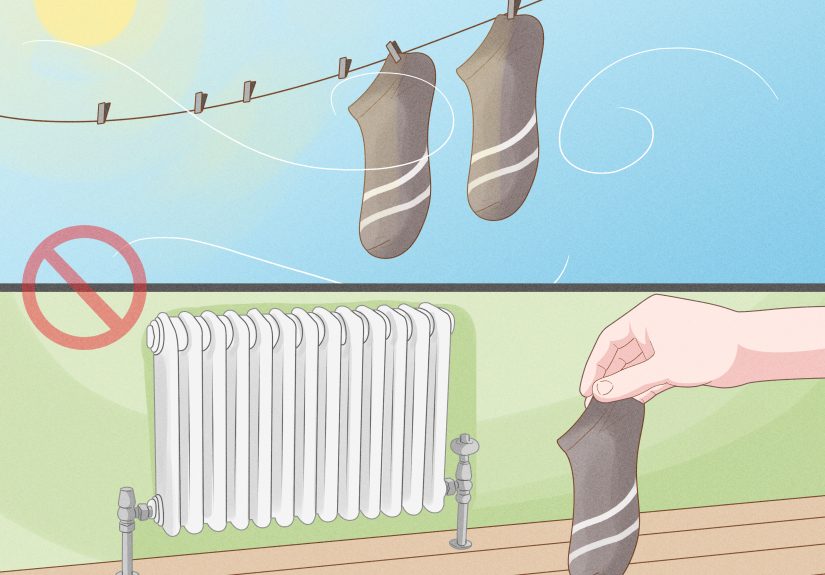
If washing is the appetizer, drying is the main course. Heat is the fastest way to shorten the life of compression fabricespecially high heat from dryers, radiators, and direct sunlight. But not all brands say the exact same thing: some allow tumble drying on low, while many recommend air drying for best longevity. The safest approach is: follow your garment’s label, and when in doubt, choose air dry.
The towel-roll method (fastest air-dry hack)
- Lay a clean towel flat.
- Place the socks/garment on the towel.
- Roll it up like a burrito.
- Press firmly along the roll to transfer water into the towel.
- Unroll and lay flat (or hang, if the item is lightweight and the label allows).
This removes a surprising amount of water, which means faster drying without the dryer drama.
Air-drying best practices
- Lay flat on a drying rack or towel, reshaping gently.
- Keep away from heat sources (radiators, space heaters, hot vents).
- Avoid direct sunlight for long periods (UV and heat can stress fibers).
- Give them airflow: a fan in the room can help without cooking your socks.
Can you use a dryer?
Sometimes, yesif the label says it’s dryer-safe, and you keep it to low heat. Some brands specifically allow low-heat tumble drying for certain products, while others recommend avoiding tumble drying for stockings to preserve compression longer. If you’re unsure, treat “air dry” as your default setting.
Special Cases: Silicone Bands, Sleeves, Wraps, and “Other Compression Stuff”
Not all compression is shaped like a sock. Here’s how to handle the common variations without accidentally turning your medical gear into modern art.
Silicone grip-top bands (stay-up styles)
- Avoid lotions and oils where the band sitsresidue reduces grip.
- Wash inside out so the silicone band gets cleaned, too.
- Air drying is often recommended for silicone-top items; check the label.
- If grip weakens, gently cleaning the band can help (some brands suggest soap-and-water or carefully wiping, depending on product guidance).
Compression sleeves (calf/arm) and gloves
- Use the same gentle rules: mild detergent, cool/lukewarm water, no softener/bleach.
- Use a mesh bag in the washer to prevent snags.
- Air dry whenever possible to protect elasticity.
Velcro/adjustable wraps
- Close Velcro tabs before washing so they don’t shred fabric (or each other).
- Many wraps do fine on a gentle machine cycle; air drying is commonly recommended.
- Dry flat so straps don’t stretch while wet.
Common Mistakes (and How to Avoid Them)
- Using fabric softener: It can leave a coating that reduces stretch and performance.
- High heat drying: The fastest route to “why do these feel loose already?”
- Wringing or twisting: Stresses fibers and can warp shape.
- Washing with Velcro/towels/jeans: Snags and abrasion are real.
- Letting sweat sit for days: Oils and salt aren’t friendly to elastic yarns.
How Often Should You Wash Compression Socks?
If you wear them all day, washing after each wear is the best practice. At minimum, wash daily or every other day and rotate pairs. If you’re using prescription-grade compression for vein disease, swelling, or post-procedure care, follow your clinician’s instructionsclean, well-fitting garments matter more in medical settings.
How Long Do Compression Socks Last?
Lifespan depends on quality, compression level, and how often you wear them, but many medical-grade garments are often replaced within months rather than years because compression gradually relaxes. If your socks:
- slide down constantly,
- feel easier to pull on than they used to,
- or no longer reduce swelling the way they once did,
it may be time to replace them (or get re-measured if your size has changed).
Quick Routine: The “I’m Busy but I Want My Socks to Work” Plan
If you wear compression socks 5–7 days/week
- Own at least 2–3 pairs so you can rotate.
- Machine wash gentle in a mesh bag at night.
- Towel-roll, then air dry flat.
- Keep an extra pair as a “backup” for travel or laundry delays.
FAQ
Can I wash compression socks with regular laundry?
Yes, if you keep them protected in a mesh bag and avoid rough items (towels, jeans, Velcro). Wash with like colors and use gentle settings.
Should I use hot water to “sanitize” them?
Usually no. Hot water can stress elastic fibers. If you need extra hygiene, focus on thorough washing, proper drying, and following label guidance.
Can I hang dry compression stockings?
Light socks often do fine hanging, but heavier stockings may do better laid flat so wet fabric doesn’t stretch. Follow the label; when unsure, dry flat.
What if my socks have merino wool?
Wool blends can be more sensitive to heat and harsh detergents. Stick to gentle washing and avoid high heat drying. Always check the product label for wool-specific care.
Field Notes: Real-Life Experiences (and Laundry Lessons) of “Been There” Wisdom
People don’t usually ruin compression socks in one dramatic moment. It’s more like death-by-a-thousand-laundry-choices: a little too much heat here, a little fabric softener there, and suddenly your “graduated compression” starts feeling like “motivational hugging.”
One common story goes like this: someone buys their first pair for travel or long work shifts, wears them all day, then tosses them into the hamper “to deal with later.” Later becomes two days, then three. By the time they wash them, the socks have absorbed enough sweat and body oils to qualify as a science experiment. The next wear feels itchy, the fabric feels a little stiff, and the odor returns faster. The fix is almost always boring-but-effective: wash sooner, rinse well, and don’t let detergent residue linger. A simple extra rinse often makes a bigger comfort difference than any fancy laundry scent booster ever could.
Another frequent lesson: mesh bags are not optional if you own anything with hooks, zippers, Velcro, or “athletic” grit. Wearers who skip the mesh bag often find tiny snags near the ankle or calf after only a few washes. It might not look terrible at first, but small pulls can weaken knit structure over time. People who switch to a mesh bag usually notice their socks look newer for longerless fuzzing, fewer pulls, fewer “why is this seam suddenly angry?” moments.
Drying is where the biggest “oops” happens. Many folks assume “low heat” means “safe,” then accidentally run a normal cycle because the dryer has exactly two moods: Arctic Breeze and Volcano. Even if the socks survive, they may feel slightly looser sooner than expected. The most consistent real-world win is the towel-roll method. People who start towel-rolling after washing are shocked at how much water comes out. It cuts drying time without needing heat, and it also prevents that heavy, wet stretch that can happen when garments hang for hours.
Silicone bands deserve their own mini soap opera. Wearers who apply lotion right before donning thigh-highs often complain the top won’t stay putthen blame the socks, the universe, and possibly their ancestors. In reality, that grip band is fighting a losing battle against moisturizer. The practical habit that helps most: apply lotion at night, let it absorb, and put compression on clean, dry skin in the morning. If the band still acts up, gentle cleaning (and thorough rinsing) is usually the first step before declaring the garment “broken.”
Finally, the most relatable experience: travel. Compression socks are amazing on flights, but hotel laundry logistics are not. Frequent travelers swear by packing a tiny travel-size mild detergent or using a sink wash at night, then towel-rolling and air drying near airflow (not on a heater). The “I brought only one pair” crowd tends to end up wearing damp socks at breakfast, which is a special kind of uncomfortable. The “I packed two pairs” crowd sleeps peacefully, smug in the knowledge that rotation is self-care.
The pattern across all these experiences is simple: gentle washing + careful drying = better compression, better comfort, and fewer “why did I pay for socks that gave up?” moments.
Conclusion
Washing compression socks doesn’t have to be complicatedit just needs to be deliberate. Keep it gentle, skip the softeners and bleach, and treat heat like the enemy of elastic. If you build a quick routine (mesh bag + mild detergent + towel-roll + air dry), your compression garments will stay supportive, comfortable, and ready to do their jobday after day, step after step.