Table of Contents >> Show >> Hide
- What Is Huevos Rancheros, Exactly?
- Why Make Huevos Rancheros in a Skillet?
- Ingredients Snapshot
- Huevos Rancheros Skillet Recipe
- Pro Tips for a Skillet That Tastes Like a Restaurant
- Easy Variations (Choose Your Adventure)
- What to Serve With Huevos Rancheros
- Make-Ahead and Storage
- FAQs
- Kitchen Experiences: The Things This Skillet Teaches You (About Food and Life)
- Conclusion
- SEO Tags
If breakfast had a hype team, Huevos Rancheros would be carried into the kitchen on a throne made of tortillas.
It’s bold, saucy, and just dramatic enough to make a random Tuesday feel like a brunch holiday. And today we’re giving it a
weeknight-friendly upgrade: a Huevos Rancheros Skillet Recipe that delivers the classic flavorseggs, salsa,
beans, tortillaswithout turning your sink into an archaeological dig site.
This version is built for real life: one pan, big flavor, adjustable heat, and plenty of ways to customize (because someone always
“doesn’t do spicy,” but also “wants flavor,” which is adorable). Whether you’re feeding a crew or meal-prepping a few breakfasts,
this skillet is your new best friendone that smells like roasted tomatoes and victory.
What Is Huevos Rancheros, Exactly?
At its heart, huevos rancheros is a rustic, hearty dish built from a few simple building blocks: warm tortillas, a layer of beans
(often refried), eggs (usually fried), and a generous pour of salsa or ranchero-style sauce. The magic is in the contrastcrispy
edges meeting saucy warmth, creamy beans supporting runny yolks, and bright toppings cutting through the richness.
Traditional versions often assemble components individually. The skillet approach keeps the spirit but streamlines the method:
we warm and season the beans, simmer the sauce, then nestle the eggs right into the salsa until they set. Less juggling. More eating.
Why Make Huevos Rancheros in a Skillet?
- One-pan efficiency: You build flavor in layers and cook the eggs right in the sauce.
- Better for groups: Everyone gets hot food at the same time (instead of “my eggs got cold waiting”).
- Custom heat level: Keep the base mild and let hot-sauce lovers “choose chaos” at the table.
- Flexible texture: Want crispy tortillas? Toast them separately. Want them saucy and tender? Tuck them into the skillet.
Ingredients Snapshot
Think of this as your “pantry-meets-produce” breakfast MVP list. You can keep it classic or riff based on what you’ve got.
The Essentials
- Eggs: 4–6 large eggs (depending on skillet size and hunger levels).
- Beans: Refried pinto beans or refried black beans. Canned works great.
- Salsa or ranchero sauce: Store-bought is fine; homemade is a flex.
- Tortillas: Corn tortillas are traditional and hold up beautifully.
- Cheese (optional, but emotionally important): Queso fresco, cotija, shredded cheddar, or Monterey Jack.
Flavor Boosters (Highly Recommended)
- Onion and garlic (because we’re building a sauce, not a sad puddle)
- Cumin and oregano (small amounts; big payoff)
- Lime (acid = balance)
- Cilantro (unless it tastes like soap to youno judgment, just genetics)
- Avocado, jalapeño, pickled onions, hot sauce, crema/sour cream
Huevos Rancheros Skillet Recipe
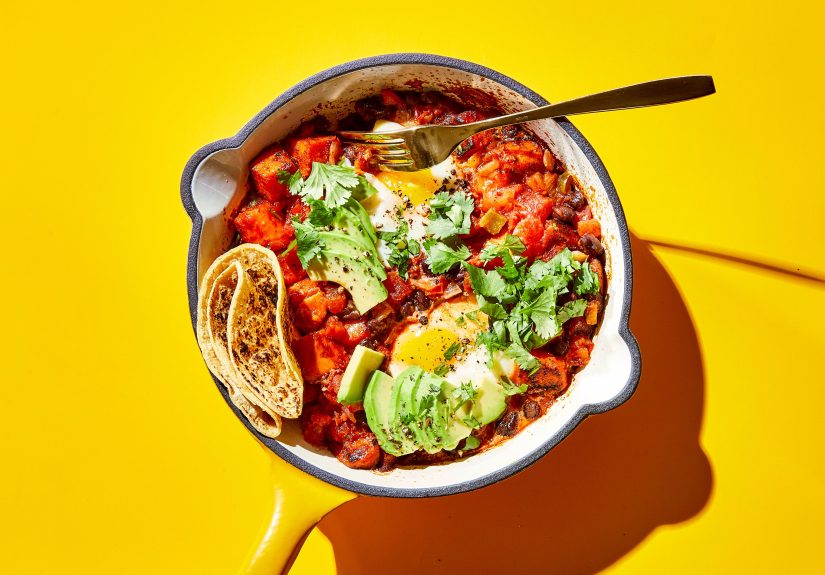
This recipe creates a saucy base of beans and salsa, then gently cooks the eggs right in the skillet. The tortillas can be served
on the side (crisp and dippable) or tucked into the pan for a softer, stew-like vibe.
Prep Time, Cook Time, Servings
- Prep: 10 minutes
- Cook: 15–20 minutes
- Total: About 30 minutes
- Serves: 2–4
You’ll Need
- One 10–12 inch skillet (cast iron is great, nonstick also works)
- A lid (or a sheet pan/foil to cover)
- A spoon and a spatula
Ingredients
- 1 tablespoon olive oil (or neutral oil)
- 1/2 small onion, finely chopped
- 2 cloves garlic, minced
- 1 teaspoon ground cumin
- 1/2 teaspoon dried oregano
- 1 1/2 cups salsa or ranchero sauce (mild/medium/hotyour call)
- 1/2 cup water or broth (to loosen the sauce)
- 1 to 1 1/2 cups refried beans (pinto or black)
- 4–6 large eggs
- Salt and black pepper, to taste
- 4–8 corn tortillas (served on the side or warmed and tucked into the skillet)
- Cheese (queso fresco/cotija/shredded), optional
Toppings (Pick 3–5 and call it “balanced”)
- Sliced avocado
- Chopped cilantro
- Lime wedges
- Sliced jalapeño or pickled jalapeños
- Crema or sour cream
- Hot sauce
- Pickled onions
- Fresh pico de gallo
Step-by-Step Instructions
-
Sauté the aromatics.
Heat the oil over medium heat. Add onion and cook 3–4 minutes until softened. Stir in garlic, cumin, and oregano for 30 seconds.
You’re looking for “fragrant,” not “smoke alarm audition.” -
Build the sauce.
Pour in the salsa (or ranchero sauce) and add water/broth. Stir and simmer 3–5 minutes to meld flavors. Taste and season lightly
with salt and pepperremember you’ll add cheese and toppings later. -
Add the beans.
Dollop the refried beans around the skillet and gently swirl them into the sauce. You want a marbled, hearty basenot perfectly smooth.
If it’s too thick, splash in a bit more water. -
Create egg “nests.”
Use the back of a spoon to make 4–6 small wells in the sauce. Crack an egg into each well. Season the eggs with a pinch of salt and pepper. -
Cover and cook.
Cover the skillet and cook on medium-low for 6–10 minutes, depending on how you like your yolks.- Runny yolks: start checking at 6 minutes
- Jammy yolks: 8–9 minutes
- Fully set: 10+ minutes
The whites should be set, and the yolks should look like your preferred level of “sun.”
-
Warm the tortillas.
While eggs cook, warm tortillas in a dry skillet, directly over a low flame (carefully), or wrapped in a damp paper towel in the microwave.
If you want them crisp, lightly fry in a thin layer of oil until just golden and pliable. -
Finish and serve.
Sprinkle cheese over the skillet (optional) and let it melt for 30 seconds. Top with avocado, cilantro, lime, and anything else that
sparks joy. Serve straight from the skillet with tortillas for scoopingor plate each egg over tortillas for a more classic vibe.
Pro Tips for a Skillet That Tastes Like a Restaurant
1) Don’t drown the eggs
Eggs cook best when nestled, not submerged. Make wells so the whites set evenly. If your sauce is very chunky, break it up slightly
before adding the eggs.
2) Balance heat with acid and creaminess
If your salsa is spicy, lean into toppings like crema and avocado. If it’s mild, a squeeze of lime and a few pickled onions bring
the brightness that makes the flavors pop.
3) Tortillas control the texture
Serve tortillas on the side for crispy scooping. Tuck torn tortilla pieces into the skillet if you want a soft, saucy, almost-chilaquiles vibe.
Either way, warm tortillas matter. Cold tortillas are basically edible disappointment.
Easy Variations (Choose Your Adventure)
Smoky & Meaty
- Sauté chorizo with the onion first, then continue the recipe as written.
- Add a spoonful of chipotle in adobo to the sauce for smoky heat.
Veggie-Loaded
- Add diced bell pepper or zucchini with the onion.
- Stir in spinach at the end (it wilts fast and makes you feel virtuous).
- Top with sautéed mushrooms and roasted poblanos for deep, savory flavor.
Salsa Verde Skillet
- Swap red salsa for salsa verde and finish with cotija and cilantro.
- Great with roasted green chiles or tomatillos for tang.
Extra Crispy “Brunch Mode”
- Lightly fry tortillas until crisp and use them as the base on the plate.
- Serve the skillet eggs and sauce on top so the tortillas stay crisp longer.
What to Serve With Huevos Rancheros
- Breakfast sides: fresh fruit, roasted potatoes, simple greens with lime.
- Brunch extras: elote-style corn, pico de gallo, guacamole, or a crunchy slaw.
- Drinks: coffee, agua fresca, or anything fizzy with citrus.
Make-Ahead and Storage
The sauce-and-beans base is extremely make-ahead friendly. You can simmer it, cool it, and store it in the fridge for up to 3–4 days.
Reheat in the skillet, loosen with a splash of water, then add fresh eggs and cook as usual.
Leftovers with eggs already cooked are still tasty, but the yolks won’t stay runny when reheated (physics remains undefeated).
For best results, store the base separately and cook eggs fresh.
FAQs
Can I use whole beans instead of refried beans?
Yes. Black beans or pinto beans work well. For a creamier texture, mash about a third of them in the skillet while they warm.
How do I keep eggs from overcooking?
Cook on medium-low and start checking early. If your skillet runs hot (hello, cast iron), remove it from the heat when the whites are set
carryover heat will keep cooking for another minute or two.
Is this authentic?
It’s authentically delicious. Traditional huevos rancheros is often assembled with individually cooked components; the skillet method is a
modern shortcut that keeps the core flavors intact.
Kitchen Experiences: The Things This Skillet Teaches You (About Food and Life)
The first time you make a huevos rancheros skillet, you’ll probably have a moment where you think, “This can’t possibly work. I’m basically
cracking eggs into salsa like some kind of breakfast wizard.” And then it works. Beautifully. Which is both comforting and mildly suspicious,
like when you find money in an old jacket pocket.
Here’s the thing: this dish rewards confidence. Not the loud, chaotic confidence of “I didn’t measure anything and I’m proud,”
but the calm confidence of layering flavors and letting the skillet do its job. The onions soften, the garlic behaves (for once), the cumin
wakes everything up, and suddenly your kitchen smells like you own at least one tiny restaurant with mismatched chairs and a line out the door.
It also teaches you that tortillas are not just “something to hold food.” Tortillas are texture control. Crisp tortilla? You get crunch and contrast.
Soft tortilla tucked into the sauce? You get cozy, stew-like comfort that feels like a hug from someone who doesn’t ask too many questions.
Either way, you learn quickly that warm tortillas are non-negotiable. Cold tortillas turn the whole situation into a sad
assembly project, and nobody came here for sadness.
Then there’s the egg timingarguably the most dramatic part of the whole skillet. You cover the pan, set a timer, and try to act normal while
secretly peeking like a kid checking if the cookies are done. Six minutes feels too soon. Ten minutes feels like betrayal. Somewhere in the middle
is your perfect yolk: runny enough to sauce the beans, but not so runny that it becomes a breakfast slip-and-slide. When you nail it, it’s the
kind of satisfaction that makes you consider texting someone, “I am thriving,” even if it’s 7:42 a.m.
This skillet is also a social magnet. Make it once for friends or family and suddenly everyone has opinions. Someone wants extra heat. Someone wants
“no cilantro please.” Someone wants “just one more egg.” (There is always a “one more egg” person.) The beauty is that huevos rancheros is built for
toppings, so everyone can personalize without turning the cooking process into a group negotiation. Put the salsa, hot sauce, crema, avocado, and
lime on the table and let people build their own masterpiece.
And if you’re making it just for yourself? Even better. You get the rare joy of cooking something that feels special but doesn’t demand a
three-hour commitment or a sink full of regrets. You can eat it straight from the skillet (no one’s judging), mop up the last bits with a tortilla,
and feel like you just hacked breakfast in the best possible way. The dish is hearty, flexible, and forgivingkind of like the friend who shows up
with snacks and doesn’t care if your house is a mess.
Once you’ve done it a couple times, you’ll start riffing: a handful of leftover roasted veggies here, a little chorizo there, salsa verde when
you want tang, smoky chipotle when you want depth. The skillet becomes less of a recipe and more of a reliable frameworkone that keeps delivering
comfort, flavor, and that “I’ve got my life together” energy… even if you’re still wearing pajama pants.
Conclusion
This Huevos Rancheros Skillet Recipe is the sweet spot between classic and convenient: a saucy, savory, one-pan meal that tastes like
brunch but behaves like a weeknight dinner. Build a flavorful base, nestle the eggs, warm the tortillas, and let toppings do the final, glorious work.
Whether you keep it traditional or customize it into your personal signature skillet, this is the kind of recipe that earns a permanent spot in your
“make again” rotation.