Table of Contents >> Show >> Hide
- What “Impaired Sensation” Actually Means
- How Sensation Works (Quick Tour, No Lab Coat Required)
- Patterns That Help Pinpoint the Problem
- Common Causes of Impaired Sensation
- When Impaired Sensation Is an Emergency
- How Doctors Diagnose Impaired Sensation
- Treatments That Help (And What They’re Really Targeting)
- Living With Impaired Sensation: Safety Tips That Actually Matter
- Can Impaired Sensation Be Prevented?
- Conclusion
- Experiences People Commonly Share (and What Clinicians Learn From Them)
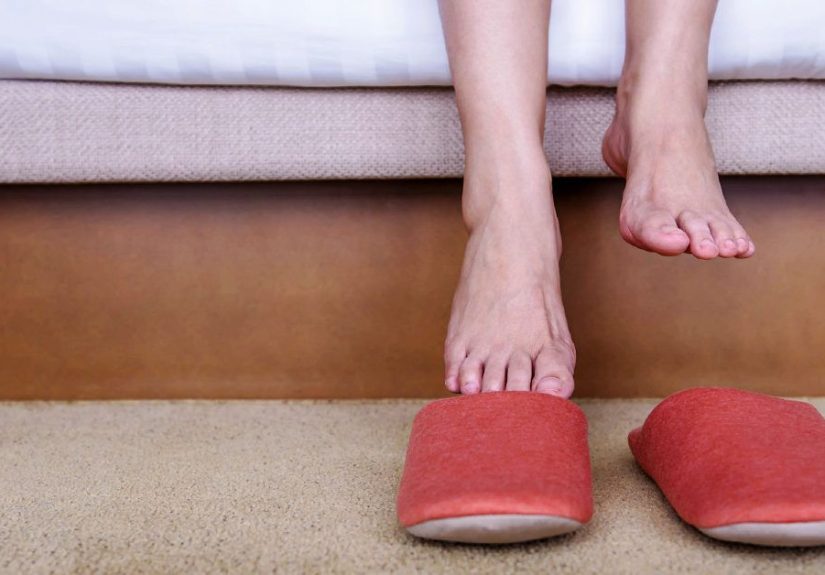
Ever had your leg “fall asleep” and then wake up with that delightful pins-and-needles fireworks show? That’s a temporary sensation change.
Impaired sensation is the bigger umbrellacovering numbness, tingling, reduced feeling, weird buzzing, burning, or hypersensitivity
especially when it doesn’t quickly fade after you move your foot and apologize to your circulation.
Sensation problems are common, and most are treatableespecially when you find the underlying cause. But sometimes they’re a flashing dashboard light
for something urgent. This guide walks through what impaired sensation can mean, the most common causes, how clinicians narrow it down, and what
treatments actually help.
What “Impaired Sensation” Actually Means
“Sensation” isn’t just one thing. Your nervous system processes different kinds of input: light touch, pain, temperature, vibration, and position sense
(proprioceptionyour body’s built-in GPS). Impairment can show up in several ways:
- Numbness (hypoesthesia): reduced ability to feel touch or temperature.
- Tingling (paresthesia): pins-and-needles, buzzing, prickling, or “electric” sensations.
- Burning or painful abnormal sensation (dysesthesia): sensation feels wrong and uncomfortable.
- Oversensitivity (hyperesthesia/allodynia): normal touch feels unusually intense or even painful.
- Loss of position sense: clumsiness, unsteady walking, or trouble knowing where your feet are without looking.
These clues matter because different nerve fibers carry different signals. For example, small fibers often affect temperature and pain, while large fibers
affect vibration and position sense. That “map” helps guide testing and treatment.
How Sensation Works (Quick Tour, No Lab Coat Required)
Sensory messages travel from the skin (and deeper tissues) through peripheral nerves, up to the spinal cord, and into the brainwhere they’re interpreted.
Impaired sensation happens when the signal gets interrupted or distorted anywhere along that route. Think of it like a streaming service: buffering can be
caused by your Wi-Fi (peripheral nerve), your modem (spinal cord), or the platform itself (brain).
Patterns That Help Pinpoint the Problem
Clinicians pay close attention to where you feel symptoms, how they spread, and what else shows up with them.
Common patterns include:
- “Stocking-glove” numbness/tingling (toes/feet first, then hands): often suggests peripheral neuropathy.
- One nerve territory (like thumb through ring finger): suggests nerve entrapment (for example, carpal tunnel).
-
Dermatomal pattern (a stripe-like area from the spine down an arm/leg): often points to radiculopathy (nerve root irritation),
such as a herniated disk. - Sudden one-sided face/arm/leg numbness: raises concern for stroke/TIA and needs emergency evaluation.
- Patchy, changing, or multiple areas: may suggest inflammatory/autoimmune causes, systemic illness, or (sometimes) functional/overbreathing-related tingling.
Common Causes of Impaired Sensation
Impaired sensation is a symptom, not a diagnosis. Below are major categories that show up often in U.S. clinical practice.
1) Nerve Compression and Entrapment
When a nerve gets squeezed, irritated, or inflamed, it can’t transmit signals normally. Compression may be temporary (crossed legs), repetitive (work or hobby strain),
or structural (arthritis, swelling, cysts).
- Carpal tunnel syndrome: tingling/numbness in the thumb, index, middle, and part of the ring finger; sometimes hand weakness or dropping objects.
- Ulnar nerve entrapment: symptoms in the ring and little fingers, often worse with elbow bending.
- Radiculopathy (“pinched nerve”): neck or back issues that radiate numbness/tingling into an arm or leg, often with pain or weakness.
Example: A person who wakes up nightly with hand tingling and shakes it out for relief may have carpal tunnelespecially if symptoms worsen with repetitive wrist use.
2) Peripheral Neuropathy (Nerve Damage Outside the Brain/Spinal Cord)
Peripheral neuropathy is a major cause of chronic numbness and tingling. It can involve sensory nerves, motor nerves, and autonomic nerves (which control things like
sweating, heart rate, and digestion).
Frequent causes include:
- Diabetes: one of the most common causes in the U.S.; symptoms often start in the feet.
- Vitamin deficiencies: especially vitamin B12 (and sometimes other B vitamins); can also affect balance and cognition.
- Alcohol use disorder: can contribute through toxicity and nutrition gaps.
- Medications/toxins: some chemotherapy agents and other drugs can injure nerves.
- Thyroid disease: hypothyroidism may contribute to neuropathic symptoms.
- Kidney disease: uremia can affect nerve function.
- Too much vitamin B6: yesan “overhelpful” supplement routine can backfire.
Example: Someone with long-standing diabetes may notice numb toes, burning feet at night, and reduced ability to feel small cutsraising the risk of unnoticed wounds.
3) Autoimmune and Inflammatory Conditions
Sometimes the immune system attacks nerves or their blood supply. These conditions may cause progressive symptoms, weakness, abnormal reflexes, or multiple nerve areas affected.
- Chronic inflammatory demyelinating polyneuropathy (CIDP): often causes weakness and sensory loss over weeks to months.
- Vasculitic neuropathy: can cause painful, patchy nerve symptoms.
- Small fiber neuropathy: can be immune-related and may present with burning pain and normal routine nerve conduction studies.
4) Infections
Some infections inflame nerves directly or trigger immune responses that affect nerves.
- Shingles (herpes zoster): can cause burning pain and sensory changes in a band-like pattern, sometimes before a rash appears.
- Lyme disease: can cause neurologic symptoms in some cases.
5) Brain or Spinal Cord Causes (Central Nervous System)
If the problem is in the brain or spinal cord, symptoms may come with weakness, coordination trouble, speech/vision changes, or bowel/bladder issues.
- Stroke/TIA: sudden numbness or weaknessespecially one-sidedneeds emergency evaluation.
- Multiple sclerosis (MS): numbness/tingling can be an early symptom; may come and go with flare-ups.
- Spinal cord compression: can cause sensory changes, weakness, gait problems, and sometimes “saddle anesthesia” (groin area numbness).
6) Circulation, Metabolic, and “Sneaky” Contributors
- Poor circulation (e.g., peripheral artery disease): can contribute to leg symptoms, often with exertional pain or coldness.
- Migraine aura: can cause transient numbness/tingling.
- Anxiety/hyperventilation: can cause tingling in hands/around the mouth due to changes in carbon dioxide levels.
When Impaired Sensation Is an Emergency
Seek emergency care right away if numbness or tingling is sudden or comes with any of the following:
- Face drooping, arm weakness, speech difficulty, confusion, or sudden trouble seeing
- Sudden severe headache or dizziness/loss of balance
- New weakness, paralysis, or difficulty walking
- Bowel/bladder changes, severe back pain, or numbness in the groin/saddle region
- Symptoms after a head, neck, or back injury
These can signal stroke, spinal cord compression, or other urgent neurologic conditions where timing matters.
How Doctors Diagnose Impaired Sensation
Diagnosis is usually a layered process: history + exam + targeted testing. The goal is to identify a treatable cause without launching a “test confetti cannon.”
Step 1: History (The Detective Work)
- Timing: sudden vs gradual; constant vs intermittent; progressive vs stable
- Distribution: one finger, one limb, both feet, one side of the body, band-like, etc.
- Triggers: posture, repetitive motion, temperature, exercise, stress
- Associated symptoms: pain, weakness, balance issues, vision/speech changes, bowel/bladder symptoms
- Medical context: diabetes, thyroid disease, kidney disease, autoimmune history, recent infections
- Medication/supplement review: chemo agents, metformin, acid reducers, high-dose B6, alcohol use
Step 2: Physical and Neurologic Exam
A focused exam can localize the problem. Clinicians often test:
- Light touch and pinprick (small and mixed fiber function)
- Temperature (often small fiber)
- Vibration using a tuning fork (large fiber)
- Position sense in toes/fingers (large fiber)
- Reflexes, strength, and gait (to see if motor or central pathways are involved)
Example: Reduced vibration in both feet with diminished ankle reflexes often supports peripheral neuropathy, while a dermatomal stripe plus back pain suggests radiculopathy.
Step 3: Lab Tests (Especially for Treatable Causes)
For suspected peripheral neuropathy, many clinicians start with a set of baseline labs aimed at common, fixable contributors:
- Complete blood count (CBC)
- Comprehensive metabolic panel (kidney/liver function, electrolytes)
- Fasting glucose and/or A1C
- Vitamin B12
- Thyroid-stimulating hormone (TSH)
- Serum protein electrophoresis with immunofixation (to look for certain protein disorders)
Depending on your story and exam, clinicians may add tests for inflammation, infections, autoimmune markers, or nutritional issues.
Step 4: Imaging (When Location Points to Spine or Brain)
Imaging isn’t automatically required for every case of numbness. But it becomes important when symptoms suggest:
- Stroke/TIA (urgent brain imaging)
- Spinal cord compression or significant radiculopathy (often MRI of spine)
- Structural problems such as tumors, severe stenosis, or inflammatory lesions
Step 5: Nerve Testing (EMG/NCS) and Specialized Studies
Electrodiagnostic testingnerve conduction studies (NCS) and electromyography (EMG)can help confirm and characterize peripheral neuropathy,
radiculopathy, or nerve entrapment. It can show whether damage is more “axonal” (nerve fiber) or “demyelinating” (nerve insulation), which affects the differential diagnosis.
If symptoms suggest small fiber neuropathy (burning pain, normal strength/reflexes, normal NCS), clinicians may consider:
- Skin biopsy (to assess small nerve fiber density)
- Autonomic testing (if sweating, heart rate, or GI symptoms suggest autonomic involvement)
- Quantitative sensory testing in some settings
Treatments That Help (And What They’re Really Targeting)
Treatment depends on the cause. The best plan usually has two parts: fix what’s driving the symptom and reduce the symptom’s impact.
1) Treat the Underlying Cause
- Diabetes-related neuropathy: optimize blood glucose management, protect feet, and treat pain if present.
- Vitamin B12 deficiency: replace B12 (oral or injections depending on cause and severity), and address absorption issues if possible.
- Entrapment neuropathies (e.g., carpal tunnel): wrist splints, activity modification, ergonomic changes, anti-inflammatory strategies, sometimes steroid injections or surgery.
- Radiculopathy: physical therapy, anti-inflammatory approaches, posture/core work; sometimes injections or surgery if severe and persistent.
- Autoimmune neuropathies: specialist care; may involve immunotherapy such as IVIG, steroids, or other targeted treatments.
- Medication-related neuropathy: adjust the offending medication if clinically appropriate (never stop prescriptions without medical guidance).
2) Manage Neuropathic Pain and Disturbing Sensations
If impaired sensation is painful (burning, stabbing, electric shocks), clinicians often use medications designed for nerve pain rather than typical pain relievers.
Options may include:
- Gabapentin or pregabalin
- Duloxetine (also helpful if pain and mood symptoms overlap)
- Tricyclic antidepressants (often at low doses)
- Topicals like lidocaine patches or capsaicin preparations
The goal is improved function and sleepnot “zero sensation forever.” Many people do best with gradual dose adjustments and a plan that balances benefit and side effects.
3) Rehab, Protection, and Practical Support
- Physical therapy: balance training, strength work, gait safety, posture mechanics
- Occupational therapy: hand function strategies, splints, tool modifications
- Foot care routines: daily checks, proper footwear, early treatment of blisters/cuts
- Fall prevention: good lighting at home, supportive shoes, assist devices when needed
Living With Impaired Sensation: Safety Tips That Actually Matter
Numbness can be risky because it removes “warning signals.” If you don’t feel heat well, you can burn yourself without realizing it. If you don’t feel foot pressure well,
you can develop sores that worsen quietly. Practical steps:
- Check feet daily (especially if you have diabetes or long-standing symptoms).
- Use a thermometer or your elbow to test bathwater temperature.
- Wear protective footwear; avoid walking barefoot on hot pavement or rough surfaces.
- Address balance issues earlyfalls are not a personality trait.
Can Impaired Sensation Be Prevented?
Not alwaysbut risk can often be lowered:
- Manage blood sugar if you have diabetes or prediabetes.
- Maintain nutrition (including adequate B12, especially if you’re vegan/vegetarian or have absorption risks).
- Limit heavy alcohol use.
- Use ergonomics: take breaks, adjust keyboard/mouse setup, and reduce repetitive strain.
- Keep up with routine care for thyroid, kidney, and other chronic conditions.
Conclusion
Impaired sensation is your nervous system’s way of saying, “Heysomething’s interfering with the signal.” The cause might be simple (temporary pressure on a nerve)
or more involved (diabetes-related neuropathy, vitamin deficiency, nerve entrapment, spine disease, MS, or stroke). The most helpful next step is to match the symptom’s
pattern and timeline to the most likely locationthen test for treatable causes and act early.
If symptoms are sudden, one-sided, or accompanied by weakness, speech changes, confusion, or severe headache, treat it like the emergency it could be. Otherwise,
a thoughtful evaluation can usually identify a cause and build a plan that improves comfort, function, and safety.
Experiences People Commonly Share (and What Clinicians Learn From Them)
Because “impaired sensation” can sound abstract, it helps to look at the kinds of real-world experiences people often describe in clinicsand what those stories
tend to mean. The goal here isn’t to self-diagnose; it’s to show how details like timing, pattern, and triggers can guide the next best step.
Experience #1: “My toes feel numb, like I’m wearing invisible socks.”
A common story is gradual numbness starting in the toes, often symmetrical, sometimes paired with nighttime burning. People may notice they can’t feel small pebbles
in their shoes, or they’re less aware of minor cuts. Clinicians often think about peripheral neuropathyespecially diabetes-related neuropathybecause it frequently
begins in the feet and progresses slowly. What helps most in these cases is catching it early, checking for treatable contributors (blood sugar control, vitamin B12,
thyroid issues, medication effects), and building a foot-safety routine. Many people say the biggest quality-of-life improvement comes from better sleep once nerve pain
is treated appropriately and from learning practical foot protection habits that prevent small problems from becoming big ones.
Experience #2: “My hand tingles at night, and I shake it like a ketchup bottle.”
Nighttime hand tinglingespecially in the thumb through ring fingershows up constantly. People often blame their pillow, their phone, or “sleeping wrong,” and
sometimes they’re right. But a classic pattern is carpal tunnel syndrome: symptoms worsened by wrist bending, improved by shaking the hand out, and sometimes accompanied
by grip weakness or clumsiness (the dreaded “why did I drop that mug?” moment). Clinicians learn a lot from what makes it better or worse. A simple wrist splint at night
and ergonomic changes during the day often help. When symptoms persist, studies like EMG/NCS may clarify severity and guide whether injections or surgery could be useful.
Many people are surprised that the “fix” is less dramatic than they fearedoften it’s consistency with splinting and reducing repetitive strain, not a big medical saga.
Experience #3: “I feel pins-and-needles, plus I’m weirdly tired and foggy.”
Another frequent story is tingling paired with fatigue, low energy, or concentration changes. That combination pushes clinicians to look beyond “just nerves” and consider
nutritional and systemic causesespecially vitamin B12 deficiency. People at higher risk include older adults, those with certain stomach/intestinal conditions, and some
people taking long-term medications that can affect absorption. The experience patients often describe is frustrating because symptoms can creep in slowly and feel hard to
explain. The clinical takeaway: if a deficiency is found and treated, many people improvesometimes noticeablyover weeks to months. However, if nerve damage is advanced
and prolonged, recovery may be slower or incomplete, which is why early evaluation matters.
Experience #4: “It comes and goes, and sometimes it’s on my face or one side.”
Intermittent numbnessespecially if it affects the face, changes location, or comes with vision/balance symptomscan point toward central nervous system causes such as MS,
migraine aura, or (if sudden and one-sided) stroke/TIA. People often describe it as unsettling because it feels unpredictable. Clinicians focus on timing: sudden onset,
especially with weakness or speech trouble, is treated as an emergency. If symptoms come in episodes with other neurologic signs, clinicians may consider MRI and specialist
evaluation. The experience lesson here is that “pattern + speed” matters: gradual and symmetric tends to suggest peripheral causes, while sudden and one-sided changes the
urgency level immediately.
Experience #5: “The numbness isn’t painful, but I’m scared I’ll hurt myself without noticing.”
This is an extremely practical concernand it’s valid. People with reduced sensation may report accidental burns while cooking, blisters after a long walk, or cuts they
didn’t feel. Clinicians often emphasize safety strategies as “treatment,” because preventing injury is just as important as reducing symptoms. The most helpful habits
people report are daily skin checks, footwear upgrades, water-temperature testing, and home fall-prevention tweaks (lighting, rugs, stable shoes). It’s not glamorous,
but it’s effectiveand it protects independence.
If you recognize yourself in any of these experiences, use it as a conversation starter with a clinician: where it is, how long it’s been happening, what makes it better
or worse, and what else is going on in your health. Those details often shorten the path to answersand to relief.