Table of Contents >> Show >> Hide
- What Is OVERALLT, Exactly?
- Why OVERALLT Felt Like a Big Deal
- The Design Language: Social, Flexible, and Full of Personality
- Standout Pieces from the Collection
- How OVERALLT Expanded IKEA’s Brand Identity
- Who OVERALLT Was Perfect For
- How to Style OVERALLT at Home
- Experiences and Impressions: What It Feels Like to Live With the Idea of OVERALLT
- Final Thoughts
- SEO Tags
If you thought IKEA had already explored every possible shade of Scandinavian calm, OVERALLT arrived to politely, stylishly, and very colorfully disagree. This limited-edition collection brought together African creatives and IKEA designers to create furniture, textiles, tableware, and accessories that felt fresh, social, and unapologetically alive. In other words, it was not your average “beige lamp and a tiny side table” moment.
OVERALLT stood out because it was more than a new product drop. It was a design statement about collaboration, culture, and how people actually live. Instead of designing around a generic idea of “modern living,” the collection drew inspiration from everyday rituals: gathering with friends, sharing meals, relaxing outdoors, carrying useful things through the city, and turning practical objects into conversation starters. The result was a range that felt thoughtful without becoming stiff, artistic without becoming precious, and affordable without looking like it had been designed by a committee of folding chairs.
What Is OVERALLT, Exactly?
OVERALLT is IKEA’s limited-edition collection created in collaboration with a group of African designers, artists, architects, and creatives working across disciplines. Rather than simply borrowing visual inspiration, IKEA paired these creatives with in-house designers to co-develop pieces that blended utility, storytelling, and strong visual identity. That collaborative process is what gave the collection its energy.
The lineup included furniture, rugs, baskets, textile pieces, tableware, and accessories. Some items were bold and graphic. Others were quiet, clever, and architectural. But nearly all of them revolved around the same core idea: design should support connection. These weren’t objects meant to sit silently in a corner looking decorative and slightly judgmental. They were meant to be used, moved, lived with, and talked about.
That may explain why the collection felt so different from traditional IKEA fare. Yes, it still reflected the brand’s well-known love of smart construction and accessible pricing. But it also pushed beyond the familiar flat-pack formula by highlighting texture, pattern, craft, and cultural context in a much more visible way.
Why OVERALLT Felt Like a Big Deal
One reason OVERALLT generated so much buzz was that it expanded the design conversation around IKEA. For years, the brand had built its reputation on democratic design: practical, well-made pieces for everyday life at prices ordinary people can manage. OVERALLT kept that spirit, but widened the lens. It suggested that democratic design should not only be affordable, but also culturally curious, collaborative, and open to voices that have not always been centered in mainstream home retail.
That mattered because the collection did not treat African design as a vague mood board of “global inspiration.” Instead, it gave real designers room to shape real products. The collection spotlighted varied creative perspectives, materials, and rituals from across different countries and disciplines. In doing so, it felt less like a trend grab and more like an invitation to reconsider what contemporary design can look like in a global home brand.
And let’s be honest: it was also just fun. There was warmth, movement, contrast, and personality in these pieces. They didn’t whisper. They didn’t need to. They showed up, made eye contact, and offered you a seat.
The Design Language: Social, Flexible, and Full of Personality
The beauty of OVERALLT was that it balanced two design instincts that often pull in opposite directions. On one side, there was IKEA’s obsession with functionality, easy assembly, and practical value. On the other, there was a deeper embrace of expression, symbolism, and experimentation. Somehow, the collection managed to make both sides get along.
1. Social design came first
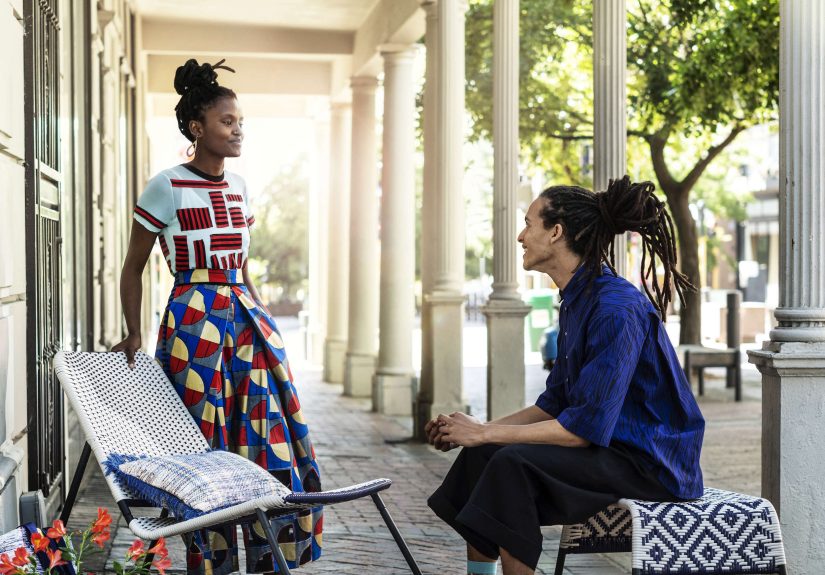
Many pieces were created with gathering in mind. Curved benches, stools, rocking seating, and textiles all encouraged a more relaxed and communal way of living. This wasn’t furniture for rooms that are kept “nice” but never used. It was furniture for talking, eating, lounging, and being around people you like. Or at least tolerate enough to share a bench with.
2. Utility was never sacrificed
Even the more artistic pieces still had a strong practical backbone. A pot could serve more than one purpose. A tote bag was visually interesting but still genuinely useful. Shelving remained shelving, which sounds obvious until you’ve met enough designer furniture that seems to have sworn an oath against function.
3. Material choices told a story
One of the most compelling parts of the collection was its material experimentation. Recycled chip-packet material became a shimmering woven textile for accessories. Unfinished plywood became a minimalist chair and shelf system that invited personalization. Solid wood seating took on curved, communal forms. These choices gave the collection texture, but also meaning.
Standout Pieces from the Collection
Every good design collection has a few stars, and OVERALLT came with a whole cast.
The plywood easy chair
This was one of the most talked-about pieces in the collection, and for good reason. Made from a single sheet of unfinished plywood, the chair had a straightforward, almost open-source feel. No fussy embellishments. No unnecessary hardware showing off. Just a clean, confident silhouette that looked simple in the best possible way.
Its unfinished surface was part of the appeal. It invited customization, whether through styling, cushions, or even personal alterations. The chair felt like a blank canvas without being boring, which is harder to pull off than Pinterest would have you believe.
The wall shelves
The matching plywood shelves carried that same no-nonsense elegance. They were sculptural enough to stand out, but restrained enough to work in small apartments, studios, or mixed-style interiors. Designers and shoppers liked them because they looked more custom than their price suggested. In IKEA terms, that is basically flirting.
The curved benches, table, and stools
These pieces translated the idea of community into furniture. The curved forms encouraged people to sit facing one another, forming circles or fluid groupings rather than rigid straight lines. The result was seating that felt friendly and adaptable. It was furniture designed around human interaction, not just floor plans.
The rocking chair and footstool
Another highlight was the woven rocking chair and matching footstool. These pieces brought a more relaxed, reflective energy to the collection. They looked equally at home on a patio, in a sunroom, or in that one corner of the living room where everyone claims they are “just going to sit for a second” and then stays for an hour.
The textiles and rugs
OVERALLT’s textiles added color, rhythm, and softness. Cushions, blankets, and rugs introduced graphic patterns that felt contemporary without losing their sense of identity. Some designs leaned bold and playful, while others carried more symbolic storytelling. Either way, they helped the collection avoid the trap of becoming all concept and no comfort.
The baskets and tote bag
The collection’s baskets were especially memorable because they turned everyday storage into something expressive. Instead of hiding away, these pieces wanted to be seen. The tote bag also stood out thanks to its unusual recycled material, which gave it a shimmering finish and an environmental angle that felt meaningful rather than performative.
Tableware and cookware
OVERALLT also included pieces for the kitchen and dining table, proving the collection was not just about “statement furniture.” Bowls, cookware, and serving pieces carried the same balance of utility and design personality. They reinforced the collection’s central theme: daily rituals matter, especially the ones involving food, conversation, and the possibility of seconds.
How OVERALLT Expanded IKEA’s Brand Identity
IKEA has long excelled at giving ordinary households access to good design. OVERALLT showed that accessibility does not have to mean sameness. By partnering with designers from different disciplines and cultural backgrounds, IKEA signaled that its version of modern living could become broader, richer, and more layered.
This collection also fit into a larger shift in consumer taste. Shoppers increasingly want objects that do more than fill space. They want pieces with a point of view. They want sustainable thinking, flexible use, and some evidence that the thing sitting in their living room was designed by an actual human with ideas, not just a spreadsheet with legs.
That is where OVERALLT succeeded. It gave customers products that were still functional and approachable, but also emotionally resonant. It demonstrated that mass retail and meaningful collaboration do not have to cancel each other out. When done well, they can strengthen each other.
Who OVERALLT Was Perfect For
This collection appealed to several kinds of shoppers at once. Design enthusiasts appreciated the backstory, the creative partnerships, and the standout forms. Everyday IKEA fans loved that the pieces were still usable, affordable, and relatively easy to incorporate into real homes. Renters and small-space dwellers were drawn to the shelving, textiles, and chairs that made an impact without demanding a full-room overhaul.
It also spoke to people tired of sterile interiors. If your dream home looks less like a catalog of neutral rectangles and more like a place where actual life occurs, OVERALLT made sense. It brought warmth, storytelling, and just enough visual edge to keep a room interesting.
How to Style OVERALLT at Home
The easiest way to style OVERALLT is to let one or two pieces lead the room. The plywood chair and shelves work beautifully with minimalist interiors that need texture and personality. Patterned textiles can wake up quieter spaces. A woven basket or standout tote can add an artistic touch without a major commitment.
Because the collection mixes clean forms with expressive details, it pairs well with natural materials like linen, wood, leather, and stone. It also plays nicely with plants, handcrafted ceramics, and warm metals. Basically, it enjoys good company.
The key is not to overdo it. OVERALLT works best when it is given room to breathe. Treat the pieces like guests with strong stories, not background extras. A single chair, bold blanket, or patterned rug can shift the mood of a room more effectively than ten random accessories purchased in a panic on a Saturday afternoon.
Experiences and Impressions: What It Feels Like to Live With the Idea of OVERALLT
One of the most interesting things about OVERALLT is that it feels bigger than a seasonal launch. The experience of seeing the collection, even in photos or showroom setups, is less about spotting a single “must-buy” hero item and more about noticing a mood. It creates the feeling that home can be more social, more expressive, and more connected to the stories behind the objects in it.
Imagine walking into a room anchored by the unfinished plywood chair, a patterned cushion tossed across it like it belongs there, not like it was styled by a robot with a ruler. Nearby, a curved bench encourages people to sit closer, talk longer, and maybe stay for one more cup of tea. There is a woven basket in the corner that could hold blankets, magazines, or absolutely nothing at all because it is interesting enough to stand on its own. That is the OVERALLT experience: useful objects that also shape atmosphere.
Another part of the experience is surprise. IKEA shoppers are used to functional wins, smart storage, and the occasional emotional breakdown in the lighting section. OVERALLT added another layer: discovery. It invited people to stop and ask where the pattern came from, why the chair looks the way it does, or what material the tote bag is made from. In a market full of products that blur together, that sense of curiosity matters.
For design lovers, the collection also offered the satisfaction of seeing collaboration done with real visual payoff. Too many design partnerships sound exciting in a press release and then produce something that looks like an intern decorated a cube. OVERALLT felt different. The products carried distinct personalities, but still belonged together. That made the experience of browsing the collection feel cohesive rather than chaotic.
There is also an emotional experience tied to the collection’s emphasis on ritual. A rug is never just a rug if it changes how a room gathers people. A bench is not merely seating if it suggests conversation. A bowl is not only a bowl if it makes an everyday meal feel more intentional. OVERALLT was full of those small upgrades to daily life. Nothing about it screamed luxury, yet many pieces carried that rare quality of making routine moments feel a little more considered.
Perhaps the strongest impression OVERALLT leaves is that good design can be generous. It can welcome multiple influences, multiple uses, and multiple kinds of homes. It does not have to be overly polished or overly minimal to feel modern. It can be colorful, social, practical, and still sophisticated. That is a lesson many home brands keep trying to learn while hiding behind 47 shades of oatmeal.
In the end, the experience related to OVERALLT is one of possibility. It reminds shoppers that a collection can offer more than products. It can offer a fresh way to think about living: gather more, share more, personalize more, waste less, and choose objects with stories worth keeping around. Not bad for a trip that may have started because you “just needed a few storage boxes.”
Final Thoughts
Introducing OVERALLT was exciting because the collection proved IKEA could evolve without losing its core strengths. It remained practical, approachable, and price-conscious, but pushed further into collaboration, material experimentation, and global design dialogue. It brought color and meaning into the room without forgetting that the room still has to function.
More importantly, OVERALLT showed that mass-market design can still feel personal. When furniture and home goods are rooted in real ideas, real rituals, and real creative voices, they become more than products. They become invitations: to gather, to notice, to use your home more fully, and maybe to stop thinking that “affordable design” has to mean “forgettable design.”