Table of Contents >> Show >> Hide
- Soy 101: What It Is (and Why People Argue About It)
- The Big Concerns (and What the Science Actually Says)
- Reasons Soy Can Be Good for You
- When Soy Might Be a Problem
- How Much Soy Is “Too Much”?
- How to Choose Soy Like a Person Who Reads Labels (Sometimes)
- Quick Myth-Busting FAQs
- Bottom Line: So… Is Soy Bad for You?
- Real-World Experiences With Soy (500+ Words)
- 1) The “I tried tofu once and it tasted like sadness” moment
- 2) The gym-goer who swapped some meat for tempeh
- 3) The coffee order identity crisis: soy milk edition
- 4) The thyroid-med timing routine that actually works
- 5) The menopause experiment: “Did soy help my hot flashes?”
- 6) The allergy label-reader who becomes a detective
Soy has been accused of everything short of stealing your Netflix password. One week it’s a “superfood,” the next week it’s “basically hormone soup.”
If you’ve ever stood in the grocery aisle holding tofu like it might start a debate podcast, you’re not alone.
Here’s the calmer, evidence-based truth: for most people, soy foods are safe and can be a genuinely healthy protein choice. The confusion usually comes from
(1) mixing up whole soy foods with highly processed soy ingredients, (2) misunderstanding soy’s “plant estrogen” compounds, and
(3) treating a few special situations (allergy, certain meds, specific medical conditions) as if they apply to everyone.
Let’s break it downmyth by myth, food by foodso you can decide whether soy belongs in your smoothie, stir-fry, or “no thanks” list.
Soy 101: What It Is (and Why People Argue About It)
Soy is a legume, not a lab experiment
Soybeans are legumessame extended family as beans, peas, and lentils. They’ve been eaten for centuries in many cuisines, and in the U.S. they show up
everywhere: edamame at sushi spots, tofu in meal kits, soy milk in coffee shops, and soy protein in plenty of packaged foods.
Whole soy vs. processed soy: the distinction that solves half the internet
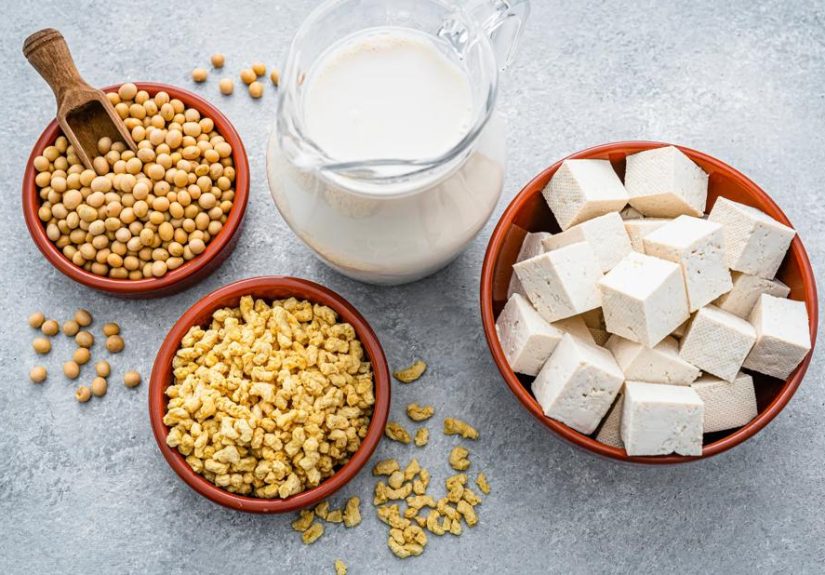
“Soy” can mean very different things. On one end: minimally processed foods like edamame, tofu, tempeh, soy milk, and roasted soy nuts.
On the other end: ingredients like soy protein isolate or textured vegetable protein used in protein bars, chips,
and some plant-based meats.
This doesn’t mean processed soy is automatically “bad.” It means the rest of the product mattersadded sodium, sugars, saturated fats,
and how often you eat it. A tofu veggie stir-fry isn’t the same thing as a neon-wrapped “triple bacon-flavored soy protein snack,” even if soy is
technically involved.
Isoflavones: the “phytoestrogen” that launched a thousand rumors
Soy contains natural compounds called isoflavones (notably genistein and daidzein). Isoflavones are classified as
phytoestrogensplant compounds that can interact with estrogen receptors, but they’re much weaker than the estrogen your body produces.
In humans, soy foods don’t act like a hormone “switch” that flips you into a new personality, voice, or life path.
The key idea: soy isoflavones can have mild estrogen-like or anti-estrogen effects depending on context. That’s very different from
“soy = estrogen = disaster.”
The Big Concerns (and What the Science Actually Says)
1) “Will soy mess with hormones in men?”
This is the most viral fear: “Soy will raise estrogen and lower testosterone.” It sounds dramatic. It also doesn’t hold up in controlled human studies.
Meta-analyses of clinical trials have found no meaningful effects of soy foods or soy isoflavones on men’s testosterone levels.
Where did the myth come from? A mix of animal studies (which don’t translate neatly to humans), isolated case reports involving extremely high intake,
and the internet’s love of simple villains.
Practical takeaway: if you’re eating normal amountslike a serving of tofu at dinner or soy milk in your coffeethere’s no good evidence that soy will
“feminize” men or crash testosterone.
2) “Does soy cause breast canceror make it worse?”
This concern gained traction because estrogen can play a role in some breast cancers, and soy isoflavones can interact with estrogen receptors.
But in real-world human research, major cancer organizations and large bodies of evidence generally find that eating soy foods is associated with
no increased cancer riskand in some studies, lower risk for certain cancers.
A big reason for earlier confusion: some early animal studies used doses and forms of isoflavones that don’t match typical human diets. Humans don’t
metabolize soy the same way rodents do.
Practical takeaway: for most people, whole soy foods (tofu, edamame, tempeh, soy milk) appear safe. If you’re a cancer survivor
or undergoing treatment, it’s smart to discuss your overall diet (including supplements) with your oncology teambut the fear that “soy foods = cancer”
isn’t supported by today’s mainstream evidence.
3) “What about thyroid problems?”
Soy has been labeled “bad for the thyroid,” but the story is more specific than that. In healthy people with adequate iodine intake, soy foods
generally don’t appear to cause thyroid disease.
The more important issue is medication timing. Soy (like many high-fiber foods and some supplements) can interfere with the absorption
of levothyroxine if taken too close together. That doesn’t mean “never eat soy.” It usually means:
take thyroid medication as directed (often on an empty stomach) and separate it from soy-containing meals by the window your clinician
recommends.
Practical takeaway: if you take thyroid hormone replacement, ask your clinician/pharmacist about timing. If you have thyroid disease or iodine deficiency,
avoid turning soy into your entire personality until you’ve gotten individualized guidance.
4) “Does soy hurt fertility?”
Fertility headlines love panic, but human research hasn’t shown that typical soy intake is a fertility-wrecker. The best evidence suggests that
moderate soy consumption is not broadly harmful to reproductive health.
Practical takeaway: if you’re trying to conceive, focus on overall dietary quality. Soy can fit into a balanced pattern, especially as a replacement
for higher saturated-fat protein sources.
Reasons Soy Can Be Good for You
It’s a high-quality plant protein
Soy is notable among plant foods because it provides all essential amino acids in meaningful amounts, making it a “complete” protein source.
That’s especially useful for people eating more plant-forward diets.
Bonus: using tofu or tempeh to replace some red or processed meat can reduce saturated fat intakeoften a net win for heart health.
Heart health: soy isn’t magic, but it can help
Soy protein has been studied for cholesterol and cardiovascular effects for decades. The consensus is usually “modest benefit,” not “miracle cure.”
Some evidence supports small reductions in LDL cholesterol when soy protein replaces higher saturated-fat proteins, and U.S. labeling rules historically
allowed a heart-health claim at a daily intake level (with important conditions).
The important part is the swap: adding a tofu bowl to a diet already heavy in ultra-processed foods won’t make your arteries throw a party.
But swapping in soy foods for some higher saturated-fat choices can be helpful.
Fermented soy (tempeh, miso, natto) has extra perks
Fermentation can improve flavor (hello, umami), may increase digestibility for some people, and can reduce certain anti-nutrients.
Tempeh also brings fiber and a hearty texture that makes it easier to replace meat in meals.
One caution: some fermented soy foods are high in sodium (miso, soy sauce). They can still fit in a healthy dietjust use them like
seasoning, not like hydration.
Menopause symptoms: mixed evidence, some people report improvement
Soy isoflavones have been studied for hot flashes and other menopausal symptoms. Results are mixed: some studies show small improvements, others show little.
If it helps, it tends to be modestnot the dietary equivalent of turning down the thermostat with a remote.
Practical takeaway: if you want to try soy for menopausal symptoms, food-based options (like soy milk, tofu, edamame) are a reasonable place to start.
Be cautious with high-dose supplements unless your clinician recommends them.
When Soy Might Be a Problem
Soy allergy (the clearest “avoid it” scenario)
Soy is one of the major food allergens that must be clearly labeled on packaged foods in the U.S. If you have a diagnosed soy allergy,
avoidance is the ruleno motivational speech required.
If you suspect an allergy, don’t self-diagnose via vibes. Get evaluated by a healthcare professional, especially since soy can appear in many processed foods.
Thyroid medication interactions (manage timing, don’t panic)
Again: the issue is often absorption of thyroid medication. If you take levothyroxine, follow instructions carefully and ask about spacing it from soy,
fiber supplements, calcium, iron, and coffeebecause soy isn’t the only food that can complicate timing.
Kidney stones and oxalates (only for certain people)
If you’ve had calcium oxalate kidney stones, you may be advised to manage oxalate intake and hydration. Some soy products can contribute oxalates,
and some kidney-stone handouts list soy milk among items to consider depending on your plan.
But it’s not as simple as “soy causes kidney stones.” Many kidney-health resources still include plant proteins like tofu in heart-healthy patterns,
and individualized guidance matters. If kidney stones are part of your story, ask for a tailored nutrition plan.
Ultra-processed “soy-containing” foods
Some foods contain soy but aren’t health foods (shocking, I know). A protein bar with soy isolate can be convenient, but if it’s also high in added sugars,
sodium, or saturated fats, it’s not the soy doing the damageit’s the overall product.
Think of soy as an ingredient, not a moral category.
How Much Soy Is “Too Much”?
There’s no single perfect number for everyone, but typical dietary patterns that include soy foods regularly are widely considered safe for most people.
A practical, food-based guideline many dietitians use is 1–2 servings of whole soy foods per day (sometimes more in research settings),
especially when soy is replacing less-healthy proteins.
What counts as one serving? Here are easy benchmarks:
- ~3–4 oz tofu (about a deck of cards)
- ~1/2 cup edamame
- ~1/2 cup tempeh
- ~1 cup fortified soy milk
- Small portions of miso/soy sauce as seasoning (watch sodium)
A smarter red flag than “too much soy” is “too many supplements.” Concentrated isoflavone supplements can deliver higher doses than food
and don’t always have the same evidence base as whole soy foods.
How to Choose Soy Like a Person Who Reads Labels (Sometimes)
Pick whole or lightly processed soy most often
- Tofu: versatile, mild, absorbs flavor like it’s trying to be liked by everyone.
- Tempeh: fermented, nutty, higher fiber, “meaty” texture for tacos and bowls.
- Edamame: snackable, high protein + fiber; sprinkle with a little salt, not a salt avalanche.
If you drink soy milk, choose fortified and (usually) unsweetened
Fortified soy milk is often nutritionally closer to dairy milk than many other plant beverages, especially for protein.
If you rely on it regularly, look for calcium and vitamin D fortification and keep added sugars low.
Use high-sodium soy condiments strategically
Soy sauce and miso can fit beautifully in a balanced dietjust treat them like flavor boosters. If sodium is a concern for you, consider lower-sodium options
or smaller amounts paired with acid (lime, vinegar) and aromatics (garlic, ginger) to keep flavor big without turning your meal into a salt lick.
Quick Myth-Busting FAQs
Is GMO soy “worse” for health?
Major U.S. food-safety agencies have stated that currently marketed GMO foods are as safe to eat as their non-GMO counterparts. If you prefer non-GMO soy
for personal reasons, that’s a preference callbut it’s not a requirement for health in the general population.
Should kids avoid soy?
Soy foods can be part of a balanced diet for children unless they have a soy allergy. Infant feeding is its own topic:
soy-based infant formulas have specific indications and should be used based on medical guidance and pediatric recommendations.
Is tofu “processed” and therefore bad?
Tofu is processed in the sense that soybeans are turned into a different formlike turning milk into yogurt. That’s not the same as ultra-processed snack foods.
Most tofu is a simple ingredient list, and it’s widely considered a nutritious protein option.
Bottom Line: So… Is Soy Bad for You?
For most people, no. Whole soy foods are generally safe and can be a healthy protein choice. The biggest “soy risks” aren’t universal
they’re situational:
- Allergy: avoid soy completely.
- Thyroid medication: manage timing and follow clinical guidance.
- Kidney stones (some types): individualized oxalate guidance may matter.
- Supplements: be cautious with concentrated isoflavone products unless advised.
If you want the simplest, most practical strategy: choose tofu, tempeh, edamame, and fortified soy milk more often than
“mystery soy protein snack bricks,” and let the rest of your diet (fruits, veggies, whole grains, healthy fats) do the heavy lifting.
Real-World Experiences With Soy (500+ Words)
Because soy discussions don’t happen in labsthey happen in kitchens, cafeterias, and group chats where someone posts a meme and suddenly everyone is a
“hormone expert.” Here are some common, real-world experience patterns people describe when they add soy to their routine. These are not medical claims
just practical examples of how soy shows up in everyday life.
1) The “I tried tofu once and it tasted like sadness” moment
A lot of people’s first tofu experience is… unfortunate. Usually it’s plain, under-seasoned, and cooked like someone was afraid it might file a complaint.
Then tofu gets blamed for being bland, when tofu is basically a flavor sponge waiting for instructions.
People who retry tofu with better preppressing, marinating, crisping in a pan or air fryeroften report a totally different outcome:
“Oh. This is actually good.” The common lesson: tofu isn’t the problem; the seasoning strategy was.
2) The gym-goer who swapped some meat for tempeh
People who want higher protein sometimes experiment with soy as a “plant protein upgrade.” A typical story goes like this:
they replace a few meals per week (not all meals) with tempeh tacos or tofu stir-fry. The experience many report is less about dramatic body changes and more
about practicality: easier meal prep, less heaviness after eating, and more fiber when they choose tempeh or edamame.
The surprise for some is that soy doesn’t have to be “vegetarian-only food”it’s just… food.
3) The coffee order identity crisis: soy milk edition
People who switch from dairy milk to soy milk often mention two things: (1) it’s one of the more filling plant-milk options because it has more protein than
many alternatives, and (2) not all soy milks taste the same. Some are sweetened, some are vanilla, some are super neutral. The “best” one tends to be the one
that fits your routineunsweetened for everyday use, flavored as a treat, fortified if you rely on it often.
The funniest part is how quickly this becomes a personality trait: “I’m a soy latte person now.” Welcome. Your membership card is imaginary.
4) The thyroid-med timing routine that actually works
For people on levothyroxine, “I can’t have soy” often turns into “I can have soy, I just can’t have it right now.”
Many describe building a simple rhythm: medication first, then breakfast later, soy foods at lunch or dinner, and consistent spacing from supplements like
calcium or iron as advised. Instead of banning foods, they optimize timing. The relief is real: they get to eat normally while still respecting what their
medication needs.
5) The menopause experiment: “Did soy help my hot flashes?”
People trying soy for hot flashes often describe it like testing a new pillow: you’re hopeful, but you’re also not expecting miracles.
Some say soy foods didn’t change much. Others report small improvementsmaybe fewer intense episodes, or a slight reduction in frequencyespecially when soy
becomes part of a broader plant-forward eating pattern. The common experience is that if it helps, it’s usually subtle and takes time.
And because hot flashes can be affected by sleep, stress, alcohol, and temperature, people often find that soy works best as one piece of a bigger plan.
6) The allergy label-reader who becomes a detective
For families managing a soy allergy, the experience is very different: it’s not about debating phytoestrogensit’s about reading every label like it’s a
contract. Many describe a learning curve: soy can appear in more processed foods than you’d expect, and cross-contact can be a concern in certain settings.
The upside is that clear allergen labeling rules help, and many families find routines that make safe eating feel normal againjust with more label-reading
and fewer mystery snacks.
The shared theme across these experiences: soy tends to be most “dramatic” in people’s minds, not in their bloodwork. For most folks, soy is simply a
flexible, nutrient-dense protein optionbest enjoyed as real food, in reasonable amounts, in a diet that’s doing more than chasing nutrition trends.