Table of Contents >> Show >> Hide
- Why Julia Stiles Became a Romantic Comedy Icon
- 1. Kat Stratford in 10 Things I Hate About You (1999)
- 2. Imogen in Down to You (2000)
- 3. Sara Johnson in Save the Last Dance (2001)
- 4. Becky Jackson in A Guy Thing (2003)
- 5. Paige Morgan in The Prince & Me (2004)
- 6. Hannah Higgins in The Makeover (2013)
- How Julia Stiles Shaped the Rom-Com Heroine Archetype
- Where to Start: A Mini Watchlist
- Experiences & Viewing Tips: Enjoying Julia Stiles’s Romantic Comedy Movies Today
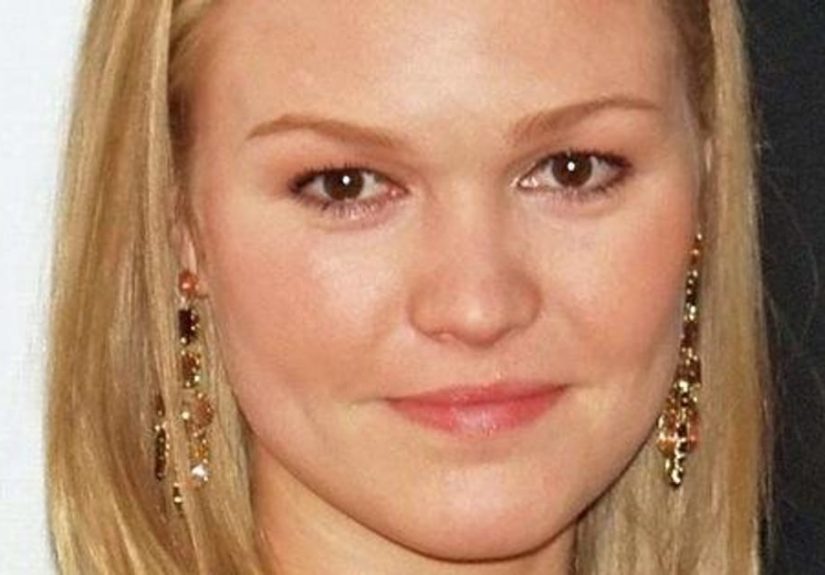
If you grew up in the late ’90s or early 2000s, chances are your definition of “rom-com heroine” includes at least one image of Julia Stiles rolling her eyes at a boy. From fiercely independent Kat Stratford to fairy-tale pre-med Paige Morgan, Stiles helped define a whole era of romantic comedy films. Her characters were sharp, bookish, sometimes prickly, and always a little more complicated than your typical meet-cute lead.
This guide takes a closer look at Julia Stiles’s most iconic romantic comedy roles, how they shaped the genre, and why they still feel surprisingly fresh today. We’ll walk through movies like 10 Things I Hate About You, Down to You, Save the Last Dance, A Guy Thing, The Prince & Me, and her made-for-TV modern Pygmalion story, The Makeover. Along the way, we’ll talk about themes, character arcs, and what to watch for when you revisit these films on your next nostalgia binge.
Why Julia Stiles Became a Romantic Comedy Icon
Julia Stiles didn’t start out as a pure rom-com actress. Early in her career she appeared in indie dramas and thrillers, but her breakout came in teen-focused movies that blended romance with surprisingly smart writing. Critics and fans alike noticed how she brought bite, intelligence, and emotional depth to roles that could have been one-note.
By the early 2000s she’d anchored a string of romantic or romantic-adjacent hits. Films like 10 Things I Hate About You and Save the Last Dance performed strongly at the box office and became cable and streaming staples, pushing her firmly into “faces of the rom-com generation” territory.
What really sets her apart is the type of women she plays: outspoken, ambitious, and often skeptical of romance until it proves it deserves them. She isn’t the klutzy, overly sweet trope; she’s the “I read feminist theory and also have feelings” girl. That combination made her relatable to viewers who wanted love stories with a little more spine.
1. Kat Stratford in 10 Things I Hate About You (1999)
If romantic comedy fans had to pick one defining Julia Stiles role, it would almost certainly be Kat Stratford. 10 Things I Hate About You is a teen rom-com loosely based on Shakespeare’s The Taming of the Shrew, reset in an American high school. Stiles plays Kat, a sharp-tongued, fiercely independent older sister who wants nothing to do with dating, school hierarchy, or anyone who uses the word “prom” unironically.
The film’s setup is pure rom-com: Kat’s younger sister Bianca can’t date until Kat does, so a group of boys bribe new kid Patrick Verona (Heath Ledger) to woo her. Predictably, the fake romance turns real. What makes it memorable is how Kat’s emotional armor slowly cracks. Stiles plays her with a mix of sarcasm, vulnerability, and righteous anger that still resonates with audiences who are allergic to playing “the cool girl” for male approval.
Why This Role Matters
- Smart teen heroine: Kat reads Sylvia Plath, calls out sexism in class, and doesn’t apologize for having opinions.
- Genuine character growth: She doesn’t “fix” herself for love; instead, she learns that protecting her heart and letting someone in aren’t mutually exclusive.
- Enduring cultural impact: The tearful “I hate the way I don’t hate you” poem scene is one of the most quoted rom-com moments of the ’90s, still circulating as GIFs and clips today.
In many lists of the “best romantic comedies” and “best teen movies,” 10 Things I Hate About You still ranks highly, with Stiles’s performance cited as a key reason the film holds up.
2. Imogen in Down to You (2000)
Just a year after 10 Things, Stiles co-starred in Down to You, a college-set romantic comedy about first love and its messy aftermath. She plays Imogen, an art student in New York City who falls quickly and deeply for Al, a culinary-school prodigy played by Freddie Prinze Jr.
The film follows their relationship from infatuation to heartbreak, showing how ambition, immaturity, and outside temptations complicate a seemingly perfect match. It’s more earnest and less polished than some of her other movies, but it gives Stiles lots of room to explore the highs and lows of young love.
What Stands Out About Imogen
- Art-girl sensibility: Imogen is quirky without being cartoonish, and Stiles grounds her in a believable mix of passion and insecurity.
- Bittersweet tone: Unlike many rom-coms that end in neat happily-ever-after bows, this story leans into the idea that great love can still be complicated and painful.
- Behind-the-scenes context: Stiles has later spoken candidly about feeling uncomfortable with certain added scenes and studio interference, which gives modern viewers extra insight into how the finished film diverged from its original tone.
Even if Down to You isn’t as critically beloved as some of her other work, it captures the specific chaos of first serious lovecomplete with grand romantic gestures and equally dramatic breakups.
3. Sara Johnson in Save the Last Dance (2001)
Technically, Save the Last Dance is more of a dance-drama than a traditional rom-com, but it contains a central romance and plenty of swoony moments. Stiles plays Sara, a former ballet dancer who moves to Chicago after her mother’s death, struggles to fit in at a new high school, and slowly falls for Derek (Sean Patrick Thomas), a talented student with his own complicated past.
What makes this film stand out is its blend of romance, grief, race, and ambition. The love story between Sara and Derek unfolds as they share their passion for dance and navigate the realities of an interracial relationship in their community.
Why Fans Still Talk About It
- Iconic dance scenes: The audition routine at the end has become a pop-culture touchstone, lovingly roasted and celebrated online and even recreated in sketches years later.
- Emotional arc: Stiles balances Sara’s grief with her determination to move forward, making the eventual romantic payoff feel earned.
- Box-office impact: The film was a major commercial success, helping cement Stiles’s status as a bankable lead in romantic and coming-of-age stories.
If you like your romantic stories with a lot of heart and a soundtrack heavy on early-2000s R&B and hip-hop, this one still hits.
4. Becky Jackson in A Guy Thing (2003)
In A Guy Thing, Julia Stiles steps into a more overtly comedic lane. The movie centers on Paul (Jason Lee), a groom-to-be who wakes up after his bachelor party next to Beckywho, he later discovers, is his fiancée’s cousin. Becky, played by Stiles, is a free-spirited dancer with a big heart and absolutely terrible timing.
The film leans hard into farcical misunderstandings, mistaken identities, and slapstick set pieces. While it didn’t win over many critics, Stiles’s performance adds warmth and relatability to a character who could have been reduced to “the other woman.”
Why Becky Is a Fun Watch
- Chaotic good energy: Becky is the kind of character who pulls Paul out of his comfort zone and accidentally forces him to confront what he really wants from lifeand from love.
- Reluctant romance: Stiles plays the shift from “this is a disaster” to genuine connection with subtlety, especially in quieter scenes where Becky and Paul talk honestly about not fitting other people’s expectations.
- Comfort-watch factor: The movie has become a minor cult favorite among rom-com fans looking for something light, silly, and early-2000s cozy, especially now that it’s more widely available on streaming.
5. Paige Morgan in The Prince & Me (2004)
The Prince & Me gives us Julia Stiles in full fairy-tale mode. She plays Paige Morgan, a hardworking pre-med student at the University of Wisconsin who dreams of becoming a doctor and doing global health work. Enter “Eddie,” an arrogant exchange student who turns out to be Edvard, Crown Prince of Denmark, slumming it at an American college to escape royal responsibilities.
The film embraces classic royalty-meets-commoner tropes: secret identities, culture clashes, ballroom training montages, and tough choices between duty and love. But Paige isn’t just a Cinderella figure; she’s ambitious and clear about her career goals, which makes her romantic choices more interesting.
What Makes Paige Memorable
- Career-driven heroine: Paige’s dream of becoming a doctor never disappears; instead, the question becomes whether she can combine that calling with royal life.
- Grounded fairy tale: Critics noted that the movie feels like a softer, more posh cousin of 10 Things I Hate About You, with Stiles bringing the same grounded presence to a much fluffier premise.
- Rewatch appeal: For many viewers, this is comfort-movie gold: cozy, predictable, and full of “what if a prince just showed up in my chemistry lab?” daydream fuel.
6. Hannah Higgins in The Makeover (2013)
A decade later, Stiles returned to rom-com territory in The Makeover, a Hallmark Hall of Fame TV movie that flips the classic Pygmalion formula. She plays Hannah Higgins, a polished, hyper-educated political consultant who fails at a congressional run and decides that what voters really want is someone more “relatable.” She transforms a rough-around-the-edges Boston beer vendor, Elliot Doolittle (David Walton), into a viable candidateand, of course, catches unexpected feelings along the way.
Instead of the male mentor refining a woman to fit upper-class expectations, this story lets a tightly wound professional woman confront her own biases about accents, class, and what “smart” looks like.
Why The Makeover Deserves a Look
- Role reversal: The gender-flipped Pygmalion setup allows Stiles to play the snobbish perfectionist who has to evolve.
- Soft political rom-com: While it’s clearly a light Hallmark-style film, it nods to real-world politics and the pressure to package candidates like products.
- Late-career rom-com charm: For fans who grew up with 10 Things and Save the Last Dance, seeing Stiles as the confident mentor figure hits in a very satisfying, “we all grew up together” way.
How Julia Stiles Shaped the Rom-Com Heroine Archetype
Across these films, certain patterns emerge. Julia Stiles’s romantic comedy characters are rarely passive. They read, question authority, and come into relationships with strong opinions and real ambitions. Whether she’s playing a feminist high-schooler, a passionate art student, a grieving ballerina, or a future doctor, her characters are allowed to want more than just romanceeven in movies whose posters are all hearts and soft focus.
In recent interviews about her directorial debut and the legacy of her early work, Stiles has reflected on how these films shaped her career but didn’t fully define it. She’s moved into directing and more complex roles, yet audiences still return to her rom-com characters for comfort viewing, nostalgia, and, honestly, some extremely good 2000s soundtracks.
Her rom-com filmography also shows how the genre itself has evolvedfrom teen Shakespeare updates and Miramax-style college romances to cable TV modernizations and more self-aware political fairy tales.
Where to Start: A Mini Watchlist
If you’re in the mood for a Julia Stiles romantic comedy marathon, here’s a suggested order that highlights her evolution as an actor and the shifting tone of the genre:
- 10 Things I Hate About You (1999): Start with the classic teen rom-com that made her a star.
- Down to You (2000): Follow up with a college romance that leans into first-love angst.
- Save the Last Dance (2001): Transition into a more dramatic, dance-heavy love story.
- A Guy Thing (2003): Take a detour into silly, slapstick rom-com territory.
- The Prince & Me (2004): Enjoy full fantasy-romance mode, complete with castles.
- The Makeover (2013): End with a cozy, grown-up cable movie that flips the makeover trope.
By the end, you’ll have a pretty good sense of why Julia Stiles remains such a beloved figure for rom-com fansand why her characters still feel like people you might actually know, not just hollow archetypes.
Experiences & Viewing Tips: Enjoying Julia Stiles’s Romantic Comedy Movies Today
Rewatching Julia Stiles’s romantic comedies in the 2020s is a little like opening an old yearbook: there’s plenty of cringe, but also a lot of genuine affection. If you’re planning a themed movie night (or three), here are some experience-based tips and reflections to get the most out of these films.
Lean Into the ’90s and 2000s Nostalgia
Half the fun of revisiting these movies is the era-specific details. The fashion alone is an event: slip dresses over T-shirts, low-rise jeans, tiny backpacks, and more hair gel than any human scalp really needs. Add in soundtracks packed with pop-rock, early-2000s R&B, and ballads, and you’ve basically got a time machine.
Set the mood: make a playlist inspired by the soundtracks, dim the lights, and embrace the fact that some dance scenes or prom outfits will seem wildly over-the-top by today’s standards. That’s the charm.
Watch the Character Growth Across Films
If you marathon these movies in chronological order, you can literally see Stiles’s screen persona grow up. In 10 Things I Hate About You, Kat is prickly and defensive, still figuring out how to trust people. By Down to You and Save the Last Dance, her characters are wrestling with more adult problemshow to balance love with ambition, how to navigate grief, or how to choose a future when nothing feels stable.
By the time you reach The Prince & Me and The Makeover, she’s playing women who already know who they are. The central question isn’t “Will a guy make her whole?” but “Can love meet her at her level and respect her goals?” Watching that arc across several movies is surprisingly satisfying, especially if you’re revisiting them as an adult who’s evolved right along with her.
Embrace the Flaws as Part of the Experience
Not every film on this list is a critical darling. Some are uneven, some are extremely of-their-time, and a few plot points absolutely would not clear today’s social-media discourse. But that’s also what makes them interesting to revisit.
Take Down to You: knowing that the original script was darker and more mature, and that studio meddling pushed it toward a lighter teen rom-com formula, adds a layer of context that makes it more than just “another college romance.” When you watch it now, you can notice the tension between sincere emotional beats and the broader, more commercial choices.
The same goes for the famously mocked dance audition in Save the Last Dance. Is it exactly what modern dance shows look like now? Absolutely not. But seen through the lens of its timeand the genuine effort behind the choreographyit becomes less an object of ridicule and more a weird, heartfelt time capsule of early-2000s pop culture.
Make It Social
Julia Stiles rom-coms are perfect for group viewing, whether you’re hosting a full living-room watch party or texting commentary with friends in different cities. Encourage everyone to pick their “starter pack” characterare they more of a Kat, a Sara, a Paige, or a Hannah?
Fun group prompts:
- Rank the love interests: Patrick, Al, Derek, Paul, Eddie, or Elliotwho’s getting your final rose?
- Choose the most iconic scene: the rooftop paint fight, the “I hate the way I don’t hate you” poem, the Juilliard audition, or the castle balcony confession.
- Spot the trope: makeover montages, fake dating, secret royalty, enemies-to-lovers, and “we have to be partners for this project” all make appearances.
Reflect on How Rom-Coms Have Changed
Watching these movies now also highlights how the genre has evolved. Modern romantic comedies are more likely to center diverse couples, queer storylines, and conversations about mental health and power dynamics. Looking back at Stiles’s rom-com era, you can see early hints of that shiftespecially in how her characters insist on being taken seriously, both in love and in life.
If you want to go deeper, pair a Julia Stiles rom-com with a more recent film and compare how they handle similar themes. For example, watch The Prince & Me alongside a newer royalty-or-celebrity romance and look at how each story talks about public pressure, privacy, and career trade-offs in relationships.
Final Thought: Why These Movies Still Work
In the end, Julia Stiles’s romantic comedy films hold up because they put real, slightly messy people at the center of familiar tropes. Her characters are allowed to be angry, ambitious, awkward, or grievingand still be worthy of big, sweeping love stories. That combination of intelligence and vulnerability is what keeps viewers streaming these movies decades later, quoting the lines, and occasionally attempting a questionable dance routine in their living room.
So the next time you need a comfort watch, cue up one of her rom-coms, grab some snacks, and let Julia Stiles remind you that romance is best when it comes with a little edge.