Table of Contents >> Show >> Hide
Your cornea is basically the camera lens of your eye. When it’s clear and smooth, the world looks sharp and bright.
When it gets inflamed or infected, everything can suddenly feel like you’ve opened your eyes in a sandstorm.
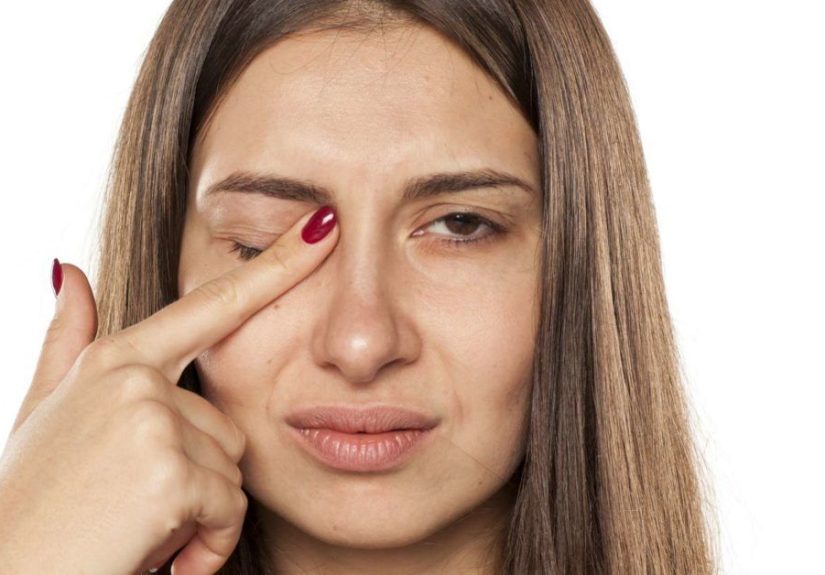
That miserable, gritty, red, watery, “don’t-even-think-about-turning-on-the-lights” feeling?
That might be keratitis.
Keratitis is more than just “a little irritation.” It can be an eye emergency, especially if it’s caused by an infection.
Left untreated, keratitis can lead to scarring of the cornea and even permanent vision loss.
The good news: recognizing symptoms early and getting prompt care usually leads to a good outcome.
What Is Keratitis?
Keratitis is an inflammation of the cornea, the clear, dome-shaped window at the front of your eye.
The cornea helps focus light so you can see clearly, and it has lots of nerve endingsso when it’s unhappy,
you definitely know it.
Keratitis can be:
- Infectious – caused by bacteria, viruses, fungi, or parasites.
- Noninfectious – caused by dry eye, contact lens overuse, injury, allergies, or autoimmune disease.
Both types can be painful, both can blur your vision, and both deserve quick attention from an eye care professional.
But the cause matters a lot, because using the wrong treatmentlike putting steroid drops on an untreated infectioncan make things worse.
Types of Keratitis
1. Infectious Keratitis
Infectious keratitis happens when germs invade the cornea, often through a tiny scratch, contact lens-related microtrauma,
or other damage to the surface. People who wear contact lenses, especially soft lenses, have a higher risk if they sleep in them,
swim in them, or skip proper cleaning.
Bacterial Keratitis
Bacterial keratitis is one of the most common and aggressive forms.
Bacteria like Pseudomonas aeruginosa and Staphylococcus species can quickly damage the cornea,
sometimes within hours. It’s often linked to:
- Overnight or extended-wear contact lenses
- Improper contact lens cleaning or storage
- Eye trauma or foreign bodies
- Pre-existing surface disease or surgery
Without early antibiotic treatment, bacterial keratitis can lead to a corneal ulcera crater-like defect in the cornea
and potentially permanent vision loss. This is why sudden eye pain, redness, and decreased vision are “drop everything and call the eye doctor” symptoms.
Viral Keratitis (Especially Herpes Simplex)
Viral keratitis is most commonly caused by the herpes simplex virus (HSV),
the same family that causes cold sores. Once HSV gets into the eye, it can stay in the body and cause
recurrent episodes of keratitis over time.
Herpes simplex keratitis can:
- Cause a characteristic branching (“dendritic”) pattern on the cornea
- Reduce corneal sensation, making the eye feel oddly numb
- Recur with triggers like stress, illness, or UV exposure
Viral keratitis is usually treated with antiviral medications (drops, gels, or pills).
Steroid drops sometimes play a role but must be used under close specialist supervision,
because using steroids in the wrong phase can worsen the infection.
Fungal Keratitis
Fungal keratitis is less common but notoriously stubborn.
It’s more likely to occur:
- After eye injuries involving plant material (like a tree branch or grain stalk)
- In warm, humid climates
- In people with weakened immune systems or chronic eye surface disease
Fungal corneal infections usually require antifungal eye drops, sometimes combined with oral antifungal medications.
They often respond more slowly than bacterial infections, so treatment may continue for weeks or even months.
Acanthamoeba Keratitis
Acanthamoeba keratitis is a rare but severe infection caused by a single-celled organism
(an ameba) that lives in water, soil, and dust. It’s strongly associated with:
- Wearing contact lenses in pools, hot tubs, lakes, or the ocean
- Using tap water or homemade solutions to rinse lenses or cases
- Sleeping in lenses or not replacing cases regularly
This type of keratitis can be extremely painful and difficult to treat. Patients often need
months of specialized antimicrobial eye drops, and some eventually require corneal transplant surgery.
The easiest “treatment” is preventionno contact lenses in water, ever, and no rinsing lenses or cases with tap water.
2. Noninfectious Keratitis
Not all keratitis is caused by germs. Sometimes the cornea becomes inflamed due to dryness, irritation, or immune reactions.
Contact Lens-Related Irritation
Even without an active infection, contact lenses can cause noninfectious keratitis when:
- They’re worn longer than recommended
- People sleep in lenses not designed for overnight wear
- Solutions are expired or not used correctly
- Cases aren’t replaced regularly
The cornea can become swollen, irritated, and more vulnerable to actual infections.
Many eye doctors say the same thing: the safest way to wear contacts is to treat them like a medical device,
not a fashion accessory you forget in overnight.
Dry Eye and Exposure Keratitis
When your eyes don’t make enough tearsor the tears evaporate too quicklythe cornea can dry out and become inflamed.
This condition can progress to exposure keratitis if the eyelids don’t close completely,
such as during sleep or in certain neurologic or eyelid conditions.
Over time, dry, unprotected corneal surface can develop tiny defects, leading to discomfort, light sensitivity,
and blurred vision. Artificial tears, gels, prescription drops, lid taping at night, or other strategies may be used to protect the surface.
Immune, Allergic, and Other Causes
Keratitis can also be linked to:
- Allergies (allergic or vernal keratoconjunctivitis)
- Autoimmune diseases like rheumatoid arthritis or Sjögren’s syndrome
- UV light exposure (for example, “snow blindness” from intense reflected sunlight)
- Chemical injuries or severe eye trauma
In these cases, treating the underlying problemcontrolling inflammation, protecting the surface, or managing systemic diseaseis key.
Common Symptoms of Keratitis
Keratitis symptoms can arrive dramatically (sudden pain and light sensitivity) or creep in more slowly.
Common signs and symptoms include:
- Eye redness
- Eye pain or a gritty, “sand in the eye” feeling
- Excess tearing or discharge
- Blurred or decreased vision
- Light sensitivity (photophobia)
- Trouble opening the eye because of pain
- A white or grayish spot on the cornea (possible corneal ulcer)
If you wear contact lenses and suddenly develop pain, redness, and vision changes,
treat it like an emergency: remove your lenses and contact an eye doctor right away.
How Keratitis Is Diagnosed
Eye doctors (optometrists and ophthalmologists) diagnose keratitis with a combination of:
- History – recent contact lens use, water exposure, trauma, or cold sore outbreaks.
- Visual acuity test – to check how much vision has been affected.
- Slit-lamp examination – a specialized microscope to closely examine the cornea and other structures.
- Fluorescein staining – a harmless dye that highlights scratches, ulcers, or defects on the cornea.
- Corneal scrapings or cultures – tiny samples from the cornea to identify bacteria, fungi, parasites, or viruses in serious or atypical cases.
This detective work helps the doctor figure out what kind of keratitis you have so they can choose the right treatment quickly.
Treatment Options for Keratitis
When Keratitis Becomes an Emergency
Any combination of eye pain, redness, reduced vision, and light sensitivity should be treated as urgent.
Seek same-day careideally with an eye specialist or an urgent care center that can refer you quickly.
Early treatment can mean the difference between full recovery and lasting damage.
Treating Infectious Keratitis
Treatment depends on the type of germ involved:
-
Bacterial keratitis: Usually treated with frequent antibiotic eye drops.
Severe cases may require drops as often as every 30–60 minutes at first, and sometimes oral antibiotics. -
Viral keratitis: Often managed with antiviral drops, gels, or pills.
Steroid drops may be used in later phases under close supervision. -
Fungal keratitis: Requires antifungal eye drops and sometimes oral antifungal medications.
Treatment can be lengthy and must be monitored closely. -
Acanthamoeba keratitis: Treated with specialized anti-amebic drops, sometimes for months,
and may eventually require surgery such as a corneal transplant.
In all infectious types, contact lenses are stopped immediately, and the doctor monitors the eye closelyoften with frequent follow-up visits in the early days.
Treating Noninfectious Keratitis
When keratitis isn’t caused by infection, treatment focuses on calming inflammation and protecting the corneal surface:
- Lubricating drops or gels to relieve dryness and protect the cornea
- Prescription anti-inflammatory drops for immune or allergic causes
- Bandage contact lenses or protective shields in some cases
- Addressing eyelid problems (like incomplete closure) or autoimmune disease
Your eye care professional may also review your contact lens habits, screen for dry eye disease,
or recommend lifestyle changes such as taking more breaks from screens, improving sleep, or avoiding certain triggers.
Prevention and Everyday Eye-Care Tips
You can’t prevent every case of keratitis, but you can dramatically lower the oddsespecially if you wear contact lenses.
Smart prevention habits include:
- Never sleeping in contact lenses unless specifically prescribed for overnight wear
- Never swimming, showering, or using hot tubs while wearing contact lenses
- Cleaning and storing lenses exactly as instructedno tap water, no homemade solutions
- Replacing lenses and cases on schedule
- Wearing protective eyewear during sports, yard work, or any activity with flying debris
- Using sunglasses to reduce UV exposure that can irritate the cornea
And perhaps the golden rule: if your eye is red and painful, do not just reach for leftover drops at homeespecially steroid drops.
Get a professional exam instead.
Possible Complications of Keratitis
When treated early, many cases of keratitis heal without permanent problems.
But severe or delayed cases can lead to:
- Corneal scarring or thinning
- Irregular astigmatism and distorted vision
- Permanent vision loss in the affected eye
- Need for corneal transplant
That’s why eye doctors take keratitis so seriously: the cornea doesn’t have a lot of room for error.
Real-World Experiences: Living Through Keratitis
Medical definitions are helpful, but if you talk to people who’ve actually had keratitis,
they’ll describe it in much more dramatic terms: “excruciating,” “like glass in my eye,”
or “I couldn’t even open the curtains.” Those aren’t exaggerations.
Imagine this common scenario: a busy contact lens wearer who swims, works long hours, and falls asleep with lenses in
“just this once” (which quietly turns into “often”). One day the eye starts to feel irritatedmaybe it’s allergies, maybe dry air,
maybe fatigue. They ignore it. By the next day, the redness is worse. The light hurts. Vision gets hazy.
Now even blinking feels like sandpaper. That’s often when people finally decide to see a doctorand are surprised to hear words like
“corneal ulcer” or “infectious keratitis.”
Many patients describe keratitis as a wake-up call about eye care. After going through weeks of frequent drops,
office visits, and anxiety about their vision, they become the strongest advocates of “do not sleep in your contacts” and
“do not swim in lenses.” For some, keratitis resolves completely with no lasting damage. For others, a small area of scarring remains,
causing glare or slightly decreased vision in certain lighting conditions.
People who’ve had Acanthamoeba keratitis often tell particularly intense stories.
This infection can drag on for months, requiring round-the-clock drops that sting or burn, and often causing severe pain.
Some people need a corneal transplant after the infection is controlled. Even then, vision may never return fully to what it was before.
Emotionally, it can be exhaustingespecially if the infection was linked to something they didn’t realize was risky,
like wearing contact lenses while swimming.
Patients with herpes simplex keratitis sometimes face a different challenge: recurrence.
The first episode might respond well to antiviral treatment, but the virus can reactivate months or years later.
People learn to pay close attention to early warning signsslight irritation, light sensitivity, or blurry visionand to seek help quickly.
Some end up on long-term antiviral medication to reduce the risk of repeated flares that could further scar the cornea.
On the flip side, there are plenty of quiet success stories. Someone with dry-eye–related keratitis finds the right combination of lubricating drops,
environmental tweaks (like a humidifier and more screen breaks), and maybe prescription therapy. Over time, the burning and stinging fade,
morning discomfort improves, and their vision feels consistently clearer. They may not think of that as “overcoming keratitis,”
but it absolutely is.
Caregivers and family members also play a role. If a loved one suddenly starts hiding in dark rooms, wincing at light,
or complaining of eye pain and blurred vision, it’s easy to assume it will pass. But people who’ve watched friends or relatives go through keratitis
quickly learn that “give it a day” is the wrong strategy. Their advice is usually simple:
if the eye looks and feels seriously wrong, don’t waitget it checked.
The big takeaway from these lived experiences is this: your eyes are small, but their problems can be big.
Keratitis may be treatable, but it’s not something to gamble with. Respect your contact lenses, respect your symptoms,
and respect that one pair of eyes you’ve got.
When to Call Your Eye Doctor
Call your eye doctor or seek urgent carepreferably the same dayif you notice:
- Sudden eye pain or worsening discomfort
- Redness that isn’t improving within a day or two
- Blurred or decreased vision
- Light sensitivity or inability to open your eye
- A white or gray spot on the cornea
- Symptoms that start or worsen while wearing contact lenses
And remember: this article is for information only and isn’t a substitute for an in-person eye exam.
If you’re worried about your eyes, a qualified eye care professional is your best friend.
Conclusion
Keratitis is a single word that covers a lot of territoryfrom mild irritation to vision-threatening infections.
Understanding the types of keratitis, recognizing key symptoms,
and knowing what treatments exist can help you respond quickly if your cornea ever decides to protest.
If you wear contact lenses, keep them clean, keep them out of water, and don’t stretch wear times.
If your eyes are dry or sensitive, talk to your eye care professional about ways to protect your corneas.
And if your eye suddenly becomes painful, red, and sensitive to light, treat it as an emergency.
The sooner keratitis is diagnosed and treated, the more likely you are to keep your vision clear and your corneas happy.
SEO Summary
meta_title: Keratitis: Types, Symptoms, and Treatment Guide
meta_description: Learn what causes keratitis, common symptoms, and treatment options, plus prevention tips for protecting your vision.
sapo: Keratitis may sound like a complicated diagnosis, but at its core it simply means inflammation of the corneathe clear front window of your eye. This in-depth guide breaks down the major types of keratitis (infectious and noninfectious), the most important warning signs to watch for, how eye doctors diagnose and treat the condition, and what you can do to protect your vision. Whether you wear contact lenses, struggle with dry eyes, or just want to be prepared in case of an eye emergency, you’ll find practical, easy-to-understand explanations and real-world insights to help you take better care of your eyes.
keywords: keratitis, corneal inflammation, infectious keratitis, keratitis symptoms, keratitis treatment, contact lens eye infection, corneal ulcer