Table of Contents >> Show >> Hide
- What Is the La Rotonda Table?
- The Designer Behind the Circle: Mario Bellini
- Design Breakdown: Why the Base Matters
- Sizes, Versions, and What Fits Where
- Styling a La Rotonda Table in Real Rooms
- Buying Guide: New vs. Vintage
- Care, Maintenance, and Living With a Glass-Topped Icon
- Is the La Rotonda Table Worth It?
- Real-Life Experiences With the La Rotonda Table
- Conclusion
Some tables are background actors: sturdy, polite, and about as memorable as a beige folder. The La Rotonda table is not
one of those tables. This is the kind of piece that walks into a room and immediately becomes the conversationwithout yelling, without
blinking LED lights, and without needing a “statement necklace” centerpiece to feel important.
Designed by Mario Bellini for Cassina, La Rotonda is a round table that turns an everyday ritualsharing a meal,
a meeting, or a late-night slice of “just one more”into something architectural. It’s warm wood meeting airy glass (or sometimes wood or
marble), held up by a sculptural base that’s basically joinery doing interpretive dance. If you’re shopping for an iconic Italian modern table
with real design pedigree, this one deserves your full attention (and probably a measuring tape).
What Is the La Rotonda Table?
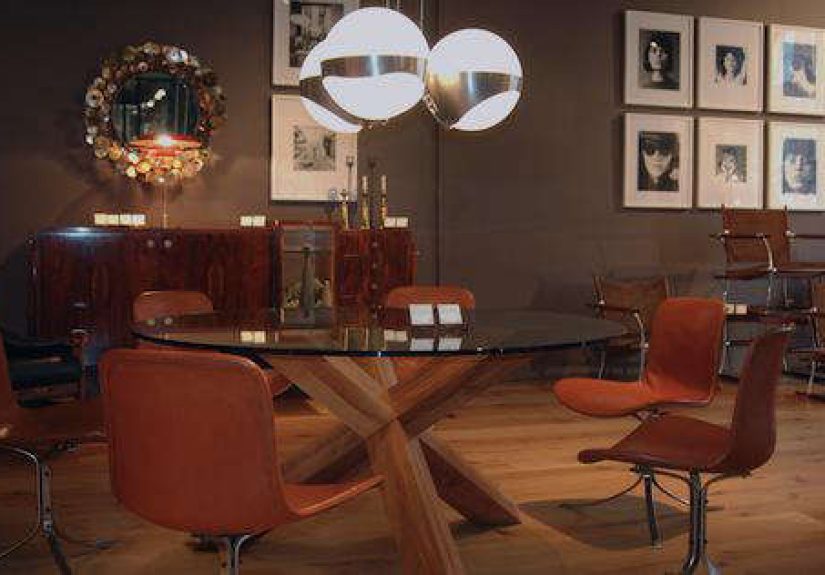
La Rotonda is best known as a round dining table featuring a slim circular topoften glasssupported by a striking
base made of three square-section wooden legs that intersect and lock together. The result is deceptively simple: a clean circle
floating above a geometric “knot” of wood.
In practice, La Rotonda sits at the sweet spot between sculpture and useful object. It looks gallery-worthy, but it’s meant to be
lived with: chairs pulled in and out, elbows on the edge, coffee mugs parked near the center like they own the place.
The Designer Behind the Circle: Mario Bellini
Mario Bellini is one of those designers whose résumé makes you want to lie down for a minute. Architect, industrial designer, furniture designer
his work spans objects and environments, from product design to exhibitions. That range matters here: La Rotonda feels like a small piece of
architecture that just happens to be sized for dinner.
When you look at La Rotonda, you can see Bellini’s knack for translating structural ideas into approachable forms. It’s not “fancy for the sake of fancy.”
The geometry is doing actual worksupporting the topwhile also creating a visual signature you can recognize from across the room.
Design Breakdown: Why the Base Matters
The three-leg intersection
The heart of La Rotonda is its base: three hefty wooden elements crossing diagonally and interlocking near the center. This isn’t a random “cool shape.”
The intersection is the engineering: it distributes weight evenly and stabilizes the table while keeping the profile open. That openness is a big reason
the table feels light even when the materials are substantial.
From a practical standpoint, that “open” base also helps visually in smaller or busier rooms. Unlike a big boxed pedestal, it lets light and sightlines
pass through, especially when paired with a glass top. Translation: your dining area doesn’t suddenly feel like it’s hosting a boulder.
Materials and finishes
La Rotonda is celebrated for its wood craftsmanshipand for good reason. Variations commonly include solid wood bases in finishes such as
ash or walnut tones, paired with tops in glass, matching wood, or marble options. The glass version is
the classic look: airy, modern, and perfect for showing off the base like it’s the main event (because it is).
Marble tops bring a different vibe: more grounded, more luxe, and a little more “I drink espresso in silence and my chair has opinions.” Wood tops lean
warmer and more traditionalstill modern, but less visually transparent.
Sizes, Versions, and What Fits Where
Dining height vs. coffee height
Most people mean the dining table when they say “La Rotonda,” but there are also low table/coffee table versions associated with the same
design language. If you’re shopping, read listings carefully: “La Rotonda” can describe multiple heights and use-cases.
Common dimensions and seating math
A frequently referenced dining size is around 165 cm (about 65 inches) in diameter, with a height around 71–74 cm
(roughly 28–29 inches), depending on the top type. That diameter usually seats six adults comfortably. You can squeeze in seven if you’re
friends who genuinely like each otheror at least like each other enough to pass the bread basket without a formal treaty.
Room planning tip: for comfortable circulation, aim for roughly 36 inches between the table edge and the nearest wall or furniture.
La Rotonda is round, which helps with flow, but chairs still need breathing room.
Styling a La Rotonda Table in Real Rooms
La Rotonda is flexible because its form is strong. The base is sculptural, but the silhouette is clean. That makes it surprisingly easy to styleif you let
it do its job and don’t compete with it.
Modern minimal
Pair a glass-top La Rotonda with streamlined chairsthink slim frames, neutral upholstery, and a low visual profile. Add one bold centerpiece (a ceramic bowl,
a single oversized vase) and stop there. This table doesn’t need a tablescape that looks like it’s auditioning for a magazine cover.
Warm mid-century mix
Bring in texture: leather seats, woven fabrics, warm metals, or a vintage rug underneath. Because the base is geometric, softer textiles create balance.
A round table + a round rug can work beautifully, but a rectangular rug also adds contrast and anchors the dining zone.
Contemporary eclectic
If your home leans eclectic, La Rotonda can still fitjust keep proportions in check. Choose chairs with a consistent seat height and similar scale, even if
the styles vary. The table is already a focal point; you want “collected,” not “thrift store musical chairs.”
Buying Guide: New vs. Vintage
Buying new
Buying new is about confidence: known provenance, current options, and fewer surprises. If you’re selecting a finish or top material, request large samples
or high-quality finish references where possible. Wood tones can vary; lighting will absolutely lie to you.
Buying vintage (and how to avoid heartbreak)
Vintage La Rotonda tables appear through design resellers and auctions. When evaluating a listing:
- Check for maker markings (labels, stamps, or documented provenance).
- Inspect joinery: the base intersection should look intentional and clean, not wobbly or repaired with mystery hardware.
- Confirm the top: glass thickness, edge detail, and whether it’s original or a replacement.
- Ask about stability: a round table should not “rock” when pressure is applied near the edge.
- Plan shipping: this is not a “wrap it in bubble and hope” situation.
Pricing reality check
La Rotonda sits in the luxury design category, and pricing reflects thatespecially for new pieces or well-documented vintage examples. Auction results can
vary wildly depending on condition, provenance, location, and timing. The takeaway: compare like with like (same diameter, same top material, similar condition)
before you decide a price is “a deal” or “a dare.”
Care, Maintenance, and Living With a Glass-Topped Icon
Glass-top care
Glass tops are gorgeous, but they show fingerprints the way black cars show dustinstantly and with attitude. Use a microfiber cloth and a streak-free glass
cleaner. For daily life, coasters aren’t optional; they’re the price of admission.
Wood base care
Treat the base like fine wood furniture: dust gently, avoid harsh sprays, and wipe spills quickly. Keep it away from prolonged direct sunlight and major
humidity swings when possible. A good rule: if your houseplants are dramatic about the climate, your wood furniture might be too.
Marble top care
Marble looks incredible and behaves like a diva: it’s porous, it can stain, and it does not care that you “barely spilled” red wine. Use coasters, wipe
quickly, and avoid acidic cleaners. If the marble is sealed, confirm the recommended maintenance schedule with the seller or maker guidance.
Is the La Rotonda Table Worth It?
“Worth it” depends on what you value. If you want a table that disappears, La Rotonda will frustrate youbecause it refuses to be ignored. But if you want a
piece that blends craftsmanship, engineering, and design historyand still works as a daily dining surface
La Rotonda is a smart investment in both function and form.
It’s also a rare kind of luxury object that doesn’t rely on trendiness. The design feels architectural rather than fashionable. That’s why it keeps showing up
decade after decade: it has a clear idea, and it executes it beautifully.
Real-Life Experiences With the La Rotonda Table
In real homes (and showrooms), the first “experience” of La Rotonda is usually visual: people notice the base before they notice anything else. Even when the
tabletop is set for dinner, the geometry underneath pulls attention like a quiet magic trick. The glass-top version is especially theatrical because it turns the
base into a centerpiece. You don’t need to decorate the table aggressively; the table is already decorating itself.
The second experience is spatial. A round table changes the vibe of a room because it removes cornersliterally and socially. No one gets exiled to “the end.”
That matters for families and for entertaining: conversation feels more balanced, and passing dishes is less like running a relay. Owners often describe round
tables as more “inclusive,” and La Rotonda leans into that with an elegant footprint that makes a dining area feel intentional rather than crammed.
Day-to-day living brings a few practical lessons. One is that glass tops are honest. They’ll show crumbs, smudges, and the fact that someone apparently handled a
grilled cheese like it was an oil painting. The upside is that cleaning is fastusually a quick wipe and you’re done. The downside is that you’ll become the kind
of person who notices fingerprints from across the room, which is either a fun new superpower or a mild curse.
Another experience is how the base “reads” with different chairs. With slim chairs, the table feels airy and modern, almost floating. With chunky upholstered
chairs, the table becomes a strong anchor. The table can handle both, but it rewards thoughtful scale: chairs that are too visually heavy can hide the base, and
chairs that are too delicate can make the table feel oversized. Many designers treat La Rotonda like a visual equationbold base + clean chairs + one strong texture
element (like a rug or pendant) = balanced room.
Hosting around La Rotonda is where it earns its reputation. A 65-inch round surface can hold a full spread without feeling like a banquet hall. People tend to
cluster naturally, and because there are no corners, it’s easier to keep the tabletop from turning into “piles” (keys here, mail there, someone’s random charger
cable forming a small civilization). If the table is in an open-plan space, it often becomes the home’s gravitational center: breakfast spot, homework station,
weekend puzzle arena, and the occasional “let’s have a serious conversation” roundtableminus the medieval armor.
Finally, there’s the ownership experience of living with a design icon. Some pieces are high-end but emotionally neutral. La Rotonda tends to create attachment.
People talk about it like it has a personality: calm, confident, a little intellectual, and always dressed appropriately. It’s the kind of table you buy once and
then carry through moves, life changes, and style shifts because it doesn’t fight your décorit elevates it. The best compliment owners give is simple:
“It still feels special, even on a random Tuesday.”
Conclusion
The La Rotonda table is a masterclass in design that looks simple, feels sculptural, and functions like a real dining table should. Mario Bellini
and Cassina created a piece where structure becomes beautyand beauty stays practical. Whether you choose glass for lightness, wood for warmth, or marble for drama,
La Rotonda brings architectural presence to everyday living.
If you’re building a home around a few foundational pieces instead of chasing endless trends, La Rotonda is the kind of “forever table” that can hold upliterally
and stylisticallyfor decades.