Table of Contents >> Show >> Hide
- What Happened in the Lactaid Recall?
- Why an Almond Allergen Is a Big Deal
- Lactose-Free Does Not Mean Dairy-Free
- How the Problem Was Found
- What Consumers Were Told to Do
- Why This Recall Matters Beyond One Brand
- What Shoppers Can Learn From This
- Experiences People Commonly Have During a Recall Like This
- Final Take
- SEO Tags
For people who buy Lactaid, the promise is simple and beautiful: real dairy milk, minus the lactose drama. No bloating, no regret, no staring sadly at cereal from across the room. So when several Lactaid milk products were recalled in September 2024 because they may have contained trace amounts of almond not listed on the label, it was the kind of grocery news that made shoppers do a double take in the dairy aisle.
This was not a tiny technical hiccup buried in fine print. It was a serious allergen recall involving five 96-ounce Lactaid milk varieties distributed across 27 states. For most consumers, the news was a reminder to check lot codes and best-by dates. For people with tree nut allergies, especially almond allergies, it was much more serious. Even small amounts of an undeclared allergen can trigger severe reactions, including anaphylaxis.
In other words, this recall was not about taste, freshness, or a slightly moody carton. It was about labeling, food safety, and the very real difference between “lactose-free” and “safe for everyone.” Those are not the same thing, and this recall made that crystal clear.
What Happened in the Lactaid Recall?
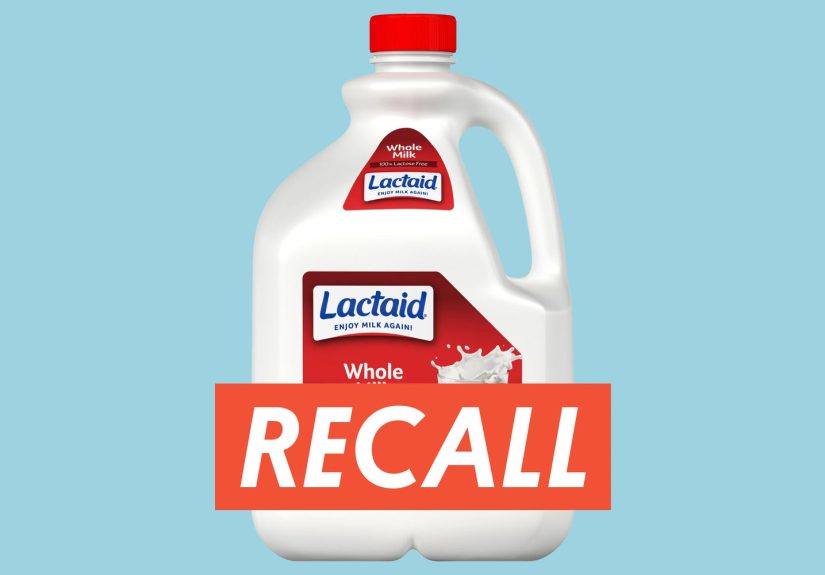
In September 2024, HP Hood LLC announced a voluntary recall of select 96-ounce refrigerated Lactaid milk products after routine maintenance programs revealed the potential for trace amounts of almond in the milk. Almond was not listed on the label, which meant the products posed a possible risk to consumers with an almond allergy or severe sensitivity.
The recalled products were shipped to retailers and wholesalers from September 5 through September 18, 2024. At the time of the announcement, no illnesses had been reported. That is the good news. The other good news is that the recall was specific, limited, and traceable. This was not a mysterious “maybe your entire refrigerator is cursed” situation. Consumers were told exactly what to look for.
The affected products included:
- 96 oz Lactaid Whole Milk
- 96 oz Lactaid 2% Milk
- 96 oz Lactaid 1% Milk
- 96 oz Lactaid Fat Free Milk
- 96 oz Lactaid 2% Calcium Enriched Milk
All affected containers carried the code 51-4109 P2 in the center-top area of the plastic jug, along with specific best-by dates.
Best-by dates shoppers needed to check:
- Whole Milk: NOV 22, NOV 23, NOV 25, NOV 26, NOV 27, NOV 28, DEC 02, DEC 03, DEC 04 2024
- 2% Milk: NOV 23, NOV 24, NOV 28, NOV 29, NOV 30, DEC 01, DEC 04 2024
- 1% Milk: NOV 24, NOV 25, DEC 05 2024
- Fat Free Milk: NOV 24, NOV 25 2024
- 2% Calcium Enriched Milk: DEC 01 2024
The products were distributed in Alabama, Colorado, Connecticut, Florida, Georgia, Iowa, Illinois, Indiana, Kansas, Kentucky, Louisiana, Maryland, Michigan, Minnesota, Missouri, Mississippi, North Carolina, Nebraska, New Jersey, New York, Ohio, Oklahoma, Pennsylvania, Texas, Virginia, Wisconsin, and Wyoming.
Why an Almond Allergen Is a Big Deal
To someone without food allergies, “trace amounts of almond” may sound like the kind of phrase that should come with a shrug and a grocery receipt. But for people with almond or other tree nut allergies, trace amounts can be a serious medical issue, not a culinary footnote.
Almonds are tree nuts, and tree nuts are among the major allergens that must be clearly declared on packaged foods in the United States. That requirement exists for a reason: allergic reactions can be unpredictable, and in some people even a small exposure can cause symptoms ranging from itching, hives, and swelling to breathing trouble, vomiting, dizziness, and anaphylaxis.
That is why undeclared allergens are taken so seriously by regulators and manufacturers. Food recalls often happen because the label and the product no longer match in a way that is safe for the public. A carton can look perfectly normal, taste perfectly normal, and still be unsafe for the wrong consumer. Food safety loves irony, apparently.
There is another twist here: Lactaid is already a specialized product. People buy it because they need or prefer lactose-free dairy. That means the audience for this milk often includes shoppers who are already reading labels closely for digestive reasons. A recall like this adds one more layer of caution to a purchase that many people already treat as a “safe” default.
Lactose-Free Does Not Mean Dairy-Free
This recall also highlighted a common consumer misunderstanding. Lactaid is lactose-free, but it is not dairy-free. It is real milk with the lactose removed or broken down to make it easier to digest for people with lactose intolerance.
That distinction matters because lactose intolerance and food allergy are two completely different issues. Lactose intolerance is a digestive problem. A milk allergy or almond allergy is an immune system reaction. One may send you searching for a bathroom. The other can send you searching for epinephrine. Those are very different shopping stakes.
Many consumers use terms like “lactose-free,” “dairy-free,” and “allergy-friendly” as if they belong in one happy category. They do not. Lactose-free milk still contains dairy proteins. Dairy-free milk alternatives may be made from nuts, oats, soy, or other ingredients. And allergen concerns can show up in either category if there is cross-contact, manufacturing error, or labeling failure.
That is part of what made this recall especially attention-grabbing: a real dairy milk product bought by people avoiding one specific ingredient ended up being recalled because of a different undeclared allergen altogether.
How the Problem Was Found
According to the recall announcement, the potential almond presence was identified through routine maintenance programs. That detail may not sound dramatic, but it actually says something important about how food safety works in the real world.
Not every recall begins with a consumer getting sick. Some begin with internal checks, equipment reviews, allergen-control procedures, plant audits, or testing that flags a possible risk before widespread harm occurs. That is exactly how the system is supposed to work. Nobody wants a recall, but everyone wants a recall to happen before a preventable allergic reaction happens.
The recall also underscores how challenging allergen control can be in modern food production. Facilities may handle multiple ingredients, multiple formulations, and multiple product lines. If allergen controls, sanitation, segregation, or labeling steps fail, even briefly, the result can be a mislabeled product that looks ordinary but carries extraordinary risk for a small group of consumers.
That is why food allergen regulation focuses not just on what is intentionally added, but also on cross-contact and labeling controls. The package has to tell the truth, especially when the truth could keep someone out of the emergency room.
What Consumers Were Told to Do
If shoppers had one of the recalled Lactaid milk products, the advice was straightforward: do not consume it if there is any concern about almond allergy, and return it to the store where it was purchased for a full refund or exchange. Consumers were also directed to contact Hood Consumer Affairs with questions.
That may sound simple, but in real households recalls rarely unfold in a neat, elegant way. The carton may already be open. Someone may have poured it into coffee all week. The packaging may be half torn. A family member may say, “Wait, was that the one in the big jug?” while another person tries to locate the best-by date under a refrigerator magnet and two condiment bottles. Recall response is less “organized safety protocol” and more “kitchen detective work with mild panic.”
Still, the basic consumer checklist is useful:
- Check the product type
- Check the size
- Check the code
- Check the best-by date
- If it matches, do not use it
- Return it or contact the company
Why This Recall Matters Beyond One Brand
The Lactaid recall was about more than one batch of milk. It was a reminder of how fragile trust can be in the packaged food world. Consumers do not inspect products in laboratories. They inspect labels. They trust the package to communicate what is inside, who it is for, and what risks it may carry.
That trust becomes even more important when shoppers are managing health conditions or dietary restrictions. A person with lactose intolerance may depend on Lactaid because it helps them enjoy dairy without digestive symptoms. A parent of a child with a nut allergy may depend on labels because “probably fine” is not a medical strategy. When labeling fails, it turns ordinary shopping into risk management.
There is also a broader food-safety lesson here. The FDA has noted that undeclared allergens are a major reason for food recalls. In fact, allergen-related recalls remain one of the most common ways packaged foods get pulled from the market. So while this recall may have sounded oddly specific, it belongs to a much bigger pattern: labels matter, processes matter, and tiny errors can have outsized consequences.
What Shoppers Can Learn From This
First, read labels and codes even on products you buy all the time. Familiarity is comforting, but it can also make people less careful. A regular purchase can still become a recalled purchase.
Second, understand your dietary needs precisely. If you are lactose intolerant, lactose-free milk may be a helpful solution. If you have a dairy allergy, that is a different issue. If you have a tree nut allergy, an almond-related recall is a serious event even when the product in question is not marketed as a nut-based beverage.
Third, if you or someone in your household has a severe food allergy, it helps to have a recall routine. Check product names, lot codes, and dates. Keep allergy medication accessible. Do not rely on memory alone. The brain is a wonderful organ, but it is not always great at remembering whether the milk in the fridge was bought on Tuesday or during that weird Saturday grocery trip when someone also impulse-purchased frozen waffles and six limes for no clear reason.
Experiences People Commonly Have During a Recall Like This
For many households, a recall like the Lactaid almond-allergen recall creates a surprisingly emotional chain reaction. It begins with a headline, moves quickly to the refrigerator, and then turns into a flurry of questions. Is this our carton? Did anyone drink it? Do we still have the jug? Was it the whole milk one or the 2%? Did I already throw away the label? It is amazing how fast a gallon-sized plastic bottle can become the most suspenseful object in the kitchen.
For people with food allergies, recalls can feel especially personal. A shopper with a tree nut allergy may already spend extra time reading ingredient lists, scanning “contains” statements, and mentally sorting safe brands from risky ones. A recall does not just interrupt a grocery routine. It can shake confidence in products that seemed dependable. Even when no reaction occurred, many consumers describe a lingering uneasiness afterward. The carton may be gone, but the trust takes longer to replace.
Parents often feel that stress even more intensely. If a child has an allergy, a recall can trigger guilt and fear in equal measure. A parent may replay every breakfast poured, every glass served, every moment they assumed the label was enough. Rationally, they know recalls happen precisely because companies and regulators are trying to catch problems. Emotionally, it can still feel like the safe zone suddenly got smaller.
Then there is the lactose-intolerant consumer, who may not be worried about almond exposure personally but still ends up inconvenienced in a very practical way. Lactaid is not always the cheapest milk on the shelf, and many shoppers buy it because it is one of the few dairy options that works for them without digestive discomfort. A recall can mean tossing a product they rely on, making another store trip, or temporarily switching to something they do not like as much. Food recalls are scary for some people and deeply annoying for others. Sometimes they are both at once.
Retail workers and customer-service teams experience a different side of the chaos. They answer questions, process returns, and try to reassure shoppers who are confused, frustrated, or alarmed. In a recall, the front line is often not a scientist or regulator. It is the person behind the customer-service desk explaining where to find a lot code while someone holds a milk jug like it might confess.
And finally, there is the household experience that almost never makes headlines: the collective scramble. One person reads the alert, another checks the fridge, a third searches online, and someone inevitably says, “I told you we should keep the receipt.” Recalls are public-health events, yes, but they also unfold as very human moments in kitchens, break rooms, and family group chats. They remind us that food labels are not abstract legal text. They are everyday tools people use to protect themselves, feed their families, and make ordinary life feel manageable.
Final Take
The Lactaid milk recall in September 2024 was not the largest food recall in history, but it was a sharp reminder of how high the stakes can be when allergen labeling goes wrong. Five popular lactose-free milk products were pulled because they may have contained trace almond that was not declared on the label. No illnesses were reported at the time, and that matters. But the seriousness of the recall was never about whether the milk looked normal. It was about whether the label gave consumers the information they needed to stay safe.
For shoppers, the lesson is simple: never confuse familiarity with certainty. Read labels, check recall notices, and know exactly which ingredients matter for your health. For brands and manufacturers, the lesson is even simpler: when people trust your label, they are trusting you with more than a purchase. They are trusting you with their bodies, their routines, and sometimes their safety. That is a very big deal for one humble jug of milk.