Table of Contents >> Show >> Hide
- Why Lavender and Vanilla Work So Well Together
- Ingredients for Lavender and Vanilla Cupcakes
- How to Make Lavender and Vanilla Cupcakes
- How to Make Lavender Vanilla Buttercream
- Assembling the Cupcakes
- Tips for the Best Lavender and Vanilla Cupcake Recipe
- Common Mistakes to Avoid
- Serving Ideas and Flavor Variations
- How to Store Lavender and Vanilla Cupcakes
- Frequently Asked Questions
- Conclusion
- Baking Experiences: What It’s Really Like Making Lavender and Vanilla Cupcakes
- SEO Tags
Some cupcakes whisper. These cupcakes glide into the room wearing perfume and good manners. A great lavender and vanilla cupcake recipe should taste delicate, not like a bar of soap wandered into dessert. That is the whole mission here: soft vanilla cupcakes with a gentle floral note, a creamy vanilla-lavender buttercream, and the kind of bakery-style finish that makes people ask whether you secretly went to pastry school. You do not have to answer that question truthfully.
The beauty of lavender and vanilla is balance. Vanilla brings warmth and sweetness. Lavender adds a fragrant, almost airy quality that feels elegant when used with restraint. Together, they make cupcakes that are ideal for spring brunches, bridal showers, birthdays, tea parties, baby showers, or random Tuesdays when you want your kitchen to smell like a charming little bakery instead of “whatever happened in the microwave earlier.”
This recipe is designed for home bakers who want reliable results, clear steps, and cupcakes that look impressive without requiring a spiritual awakening or a dozen fancy tools. You will also find troubleshooting tips, storage advice, serving ideas, and a long experience section at the end so the article is as rich as the frosting.
Why Lavender and Vanilla Work So Well Together
Lavender is powerful. Vanilla is comforting. Put them together in the right proportions, and you get a cupcake that tastes floral, creamy, and softly sweet instead of aggressively perfumed. The trick is to let vanilla stay in the lead while lavender plays backup vocals. This is not a solo performance.
In practical baking terms, that means using culinary lavender, not decorative lavender from a craft bag and definitely not mystery buds from the garden unless you know they are edible and untreated. For the cleanest flavor, pulse the dried lavender with sugar or steep it in warm milk. Both methods help distribute the flavor evenly without leaving your batter full of twig-like surprises.
Vanilla also smooths out lavender’s sharper edges. The result is a cupcake that tastes refined, fragrant, and easy to love even for people who are skeptical about floral desserts. And yes, there will always be one person who says, “I’m not usually into lavender,” right before eating two cupcakes and pretending the third is for later.
Ingredients for Lavender and Vanilla Cupcakes
For the Cupcakes
- 1 1/2 cups cake flour
- 1 1/4 teaspoons baking powder
- 1/4 teaspoon fine salt
- 1/2 cup unsalted butter, softened
- 3/4 cup granulated sugar
- 2 large egg whites, room temperature
- 1 large egg, room temperature
- 1 1/2 teaspoons pure vanilla extract
- 1/2 cup whole milk
- 1/4 cup sour cream, room temperature
- 1 1/2 teaspoons dried culinary lavender buds
For the Lavender Vanilla Buttercream
- 1 cup unsalted butter, softened
- 3 1/2 to 4 cups powdered sugar
- 2 tablespoons heavy cream or milk
- 1 teaspoon pure vanilla extract
- 1 teaspoon dried culinary lavender buds, finely ground
- Pinch of salt
- Optional: 1 to 2 drops purple gel food coloring
Optional Garnishes
- Extra culinary lavender, very lightly sprinkled
- Lemon zest
- Sugared edible flowers
- White sanding sugar
How to Make Lavender and Vanilla Cupcakes
1. Prep the Pan and Oven
Preheat your oven to 350°F. Line a standard 12-cup muffin pan with cupcake liners. If your liners like to peel away from cupcakes in dramatic fashion, use good-quality liners. Cheap ones have trust issues.
2. Make Lavender Sugar
Place the granulated sugar and the 1 1/2 teaspoons dried culinary lavender in a food processor or spice grinder. Pulse a few times until the lavender is finely broken down and fragrant. This step is a game changer. It spreads flavor evenly and helps the floral note stay subtle.
3. Mix the Dry Ingredients
In a medium bowl, whisk together the cake flour, baking powder, and salt. Set aside.
4. Cream Butter and Lavender Sugar
In a large bowl, beat the softened butter and lavender sugar with a mixer on medium speed for 2 to 3 minutes, until light and fluffy. This step builds structure and tenderness, so do not rush it like you are trying to catch a bus.
5. Add Eggs and Vanilla
Add the egg whites one at a time, mixing well after each addition. Add the whole egg and beat until combined. Mix in the vanilla extract.
6. Add the Milk and Sour Cream
Whisk the milk and sour cream together in a small bowl or measuring cup. The sour cream adds moisture and richness without making the cupcakes heavy. It is the quiet overachiever of the recipe.
7. Finish the Batter
Add the dry ingredients to the butter mixture in three additions, alternating with the milk mixture, beginning and ending with the dry ingredients. Mix on low speed just until combined. Do not overmix. Cupcake batter is not a stress ball.
8. Fill and Bake
Divide the batter evenly among the cupcake liners, filling each about two-thirds full. Bake for 18 to 21 minutes, or until the tops spring back lightly and a toothpick inserted in the center comes out clean or with a few moist crumbs.
9. Cool Completely
Let the cupcakes cool in the pan for 5 minutes, then transfer them to a wire rack to cool completely. Completely means completely. Frosting warm cupcakes is how you get buttercream soup.
How to Make Lavender Vanilla Buttercream
Beat the softened butter on medium speed for 2 to 3 minutes until creamy. Add 3 1/2 cups powdered sugar, the ground lavender, vanilla extract, salt, and cream. Beat on low at first, then increase to medium-high and beat until fluffy.
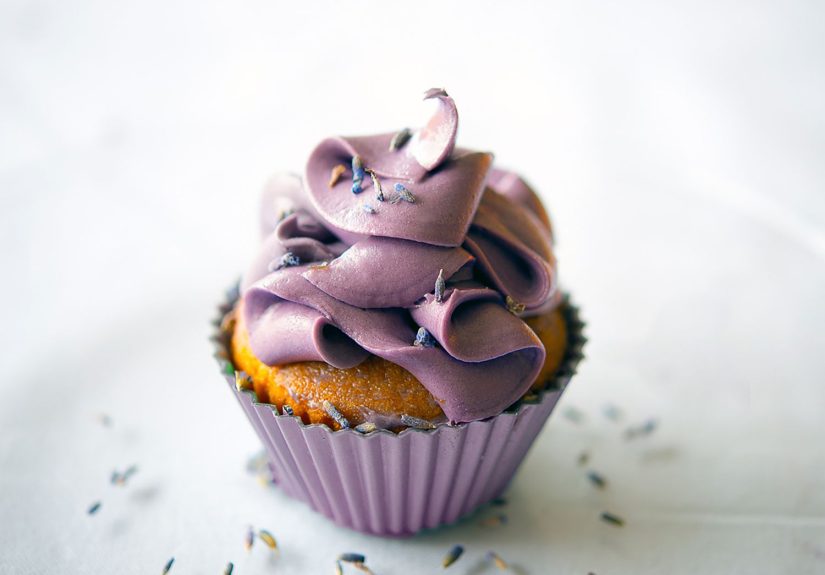
If the frosting is too thick, add a little more cream, 1 teaspoon at a time. If it is too soft, add more powdered sugar gradually. This is the golden rule of buttercream: small adjustments, no panic. Add gel food coloring if you want a pale lavender shade. Use a piping bag with a large star tip for a classic swirl, or keep it simple with an offset spatula for a more relaxed bakery look.
Assembling the Cupcakes
Once the cupcakes are fully cool, frost them generously. Top with a tiny pinch of culinary lavender, a bit of lemon zest, or an edible flower if you want a prettier finish. The garnish should hint at the flavor, not announce itself with a megaphone.
For special occasions, you can drizzle a few drops of honey over the frosting just before serving, but keep it light. Too much honey can steal the spotlight from the lavender and vanilla pairing.
Tips for the Best Lavender and Vanilla Cupcake Recipe
Use culinary lavender only
This is not negotiable. Culinary lavender is meant for baking and cooking. Decorative lavender may be treated or simply too harsh in flavor.
Keep the lavender subtle
Lavender should taste elegant and fragrant, not medicinal. Start modestly. You can always lean a little more floral next time, but you cannot rescue a cupcake that tastes like a scented drawer liner.
Choose cake flour for tenderness
Cake flour helps create a fine, soft crumb. If you use all-purpose flour, the cupcakes can still be good, but they may be a little less delicate.
Do not overmix
Overmixed batter can create dense cupcakes. Mix until the flour disappears, then stop. Your mixer does not need a workout playlist.
Cool before frosting
Warm cupcakes melt buttercream and break hearts. A wire rack speeds cooling and helps the crumb stay pleasant instead of gummy.
Use gel coloring instead of liquid
If you want pastel purple frosting, gel coloring is better because it adds minimal extra liquid.
Common Mistakes to Avoid
Using too much lavender: This is the biggest mistake. Floral flavor should be noticeable but soft.
Skipping the grinding step: Whole lavender buds can create uneven flavor and texture.
Overbaking: Cupcakes dry out quickly. Check them early and pull them when the centers are just set.
Adding too much cream to the frosting: A loose buttercream will not hold a nice swirl.
Storing them uncovered: Cupcakes dry out faster than most people expect, especially in the fridge.
Serving Ideas and Flavor Variations
Lemon-Lavender Vanilla Cupcakes
Add 1 teaspoon finely grated lemon zest to the batter and a little zest on top of the frosting. Lemon brightens the floral notes beautifully.
Honey-Lavender Cupcakes
Replace 2 tablespoons of the sugar in the batter with honey, or drizzle a tiny amount over the finished frosting just before serving.
Tea Party Cupcakes
Decorate each cupcake with a sugared edible flower and serve with Earl Grey or chamomile tea. Suddenly the whole table looks like it belongs in a magazine spread.
Wedding Shower Version
Use white frosting with only a hint of lavender flavor and top with tiny pearl sprinkles for a classic, elegant finish.
How to Store Lavender and Vanilla Cupcakes
Store unfrosted cupcakes in an airtight container at room temperature for up to 2 days. Frosted cupcakes can usually stay at cool room temperature for several hours if your kitchen is not too warm, but for longer storage, keep them in an airtight container in the refrigerator for up to 4 days. Bring them to room temperature before serving for the best texture and flavor.
You can also freeze unfrosted cupcakes for up to 1 month. Wrap them well and thaw at room temperature before frosting. Buttercream can be made ahead, refrigerated, and re-whipped before using. This is wonderful news for anyone planning a party and trying not to bake everything while wearing pajamas at midnight.
Frequently Asked Questions
Can I use all-purpose flour instead of cake flour?
Yes. The cupcakes will still work, though the crumb may be slightly less tender. If that is what you have, use it and bake with confidence.
Can I use lavender extract?
Yes, but use it carefully. Extract can be much stronger than dried lavender. Add a tiny amount and taste the frosting before adding more.
Can I make these ahead of time?
Absolutely. Bake the cupcakes a day ahead and frost them the day you plan to serve them, or make both cupcakes and frosting in advance and store them properly.
Do these taste strongly floral?
Not if you make them as written. The goal is a soft, fragrant lavender note with vanilla as the main flavor.
Conclusion
This lavender and vanilla cupcake recipe is for bakers who want something charming, elegant, and genuinely delicious without veering into overcomplicated dessert theater. The cupcakes are soft and fluffy, the buttercream is rich and fragrant, and the flavor is balanced enough to win over both floral-dessert fans and skeptics. They look fancy, taste memorable, and make even an ordinary afternoon feel a little more special.
And that is really the charm of these cupcakes. They are pretty enough for a celebration, easy enough for a weekend baking project, and just dramatic enough to make people think you have your life together. Whether that is true is between you and your mixing bowl.
Baking Experiences: What It’s Really Like Making Lavender and Vanilla Cupcakes
The first time I made lavender and vanilla cupcakes, I acted like I was starring in a very calm cooking show. I measured everything neatly, lined the pan like a responsible adult, and gave myself the smug little nod of someone who believed floral baking would be “a lovely, relaxing experience.” Five minutes later I was sniffing dried lavender buds like a detective at a perfume counter, trying to determine whether I had chosen the perfect amount or whether I was about to produce dessert-scented bath salts.
That is the funny thing about this flavor combination. It sounds delicate and fancy, but the process teaches you a lot about restraint. Chocolate will forgive your chaos. Cinnamon will usually cooperate. Lavender? Lavender keeps a clipboard. Add too little and you wonder why you bothered. Add too much and suddenly your cupcake tastes like it has opinions about linen closets.
But once you get it right, the experience is fantastic. The batter smells warm and sweet from the vanilla, with just enough floral fragrance to make the kitchen feel different from the usual cupcake routine. It is not loud. It is not sugary in a flat way. It smells like spring trying to be useful.
I have served these cupcakes at birthdays, brunches, and one especially chaotic family gathering where people claimed they only wanted “half a cupcake” and then kept circling back like frosting-based boomerangs. The reaction is usually the same. First, curiosity. Then a cautious bite. Then a surprised expression that says, “Oh, this is actually good.” That is the victory. Lavender desserts often have to overcome suspicion before they get applause.
What I enjoy most is how customizable the experience becomes once you make the recipe a couple of times. Some days I want a stronger vanilla presence and keep the floral note extremely light. Other times I add a little lemon zest and suddenly the cupcakes feel brighter and more playful. For showers or spring parties, I tint the frosting the palest lavender color and top each swirl with a tiny edible flower. For quieter weekends, I skip the decorations and eat one standing in the kitchen while telling myself I am “just checking the texture.”
These cupcakes also taught me patience, mostly because buttercream has no respect for my schedule. If the butter is too cold, it sulks. If the cupcakes are too warm, the frosting slides around like it has somewhere better to be. If I rush anything, the whole process gets bossy. But when I slow down, taste as I go, and let the cupcakes cool properly, they reward me with that soft crumb and smooth frosting that feels worth every extra minute.
So yes, lavender and vanilla cupcakes are pretty. Yes, they photograph well. Yes, they can make a dessert table look like it belongs at a garden party hosted by someone with flawless handwriting. But the real joy is in the baking itself: the aroma, the small adjustments, the first successful bite, and the very satisfying realization that you made something elegant without making it complicated. That is my favorite kind of recipe. It feels special, but it still lets you be human in the kitchen.