Table of Contents >> Show >> Hide
- What Are Lemon-Poppy Seed Melts, Exactly?
- Ingredients That Make the Magic Happen
- Lemon-Poppy Seed Melts Recipe (Slice-and-Bake)
- Why This Recipe Works (The Cookie Science, Minus the Boring Part)
- Make-Ahead, Freezing, and Storage
- Flavor Variations (Because Lemon Has Range)
- Troubleshooting: When Cookies Have Opinions
- How to Serve Lemon-Poppy Seed Melts
- Allergy and Food-Safety Notes
- Kitchen Stories & Real-World Baking Notes (The Extra “Experience” Part)
- Conclusion
If a cookie could wear sunglasses and casually lean against a citrus tree, this would be it. Lemon-poppy seed melts
are bright, buttery, and so tender they practically disappear the second they hit your tonguelike a magic trick, but with powdered sugar
on your shirt afterward.
These are the kind of slice-and-bake cookies you make once and then mysteriously “need to keep stocked” forever. The dough gets rolled
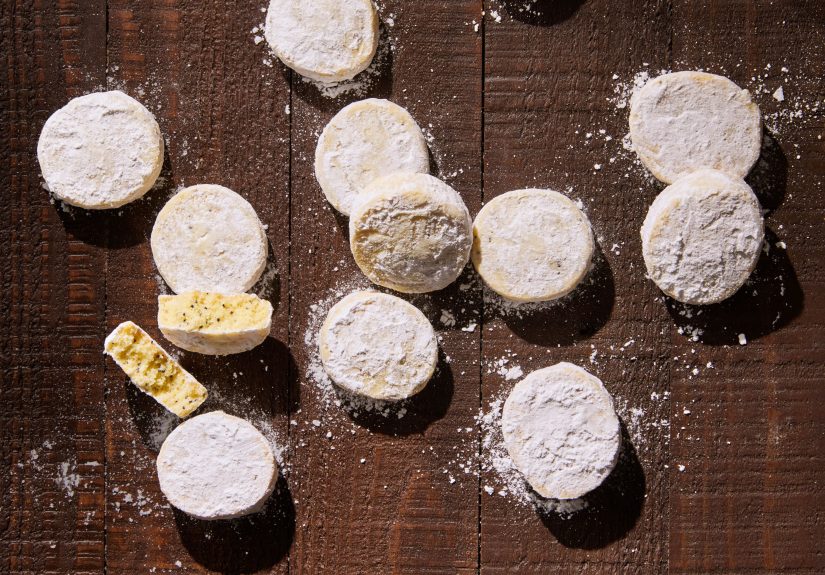
into logs, chilled, sliced, baked for just a few minutes, and then tossed (twice!) in powdered sugar so they look like little sunshine-dusted
snowballs. They’re perfect for cookie swaps, tea time, brunch boards, care packages, and any moment where you want dessert to feel cheerful.
What Are Lemon-Poppy Seed Melts, Exactly?
Think of them as the cozy cousin of shortbread and the brighter, lemonier sibling of classic “Mexican wedding cookies.” The “melt” part comes
from a high-butter dough, gentle mixing, and a short bake that keeps them tender instead of crunchy. The poppy seeds add a tiny, pleasant crunch
(like edible confetti), while lemon zest brings that fresh, zingy aroma that makes your kitchen smell like you have your life together.
Unlike drop cookies that demand immediate baking (and your attention), these are an icebox cookie style: make the dough now,
bake later. Future-you will be wildly impressed with past-you.
Ingredients That Make the Magic Happen
Butter
Butter is the headline act. Softened butter creams smoothly with sugar, helping the cookies bake up tender. If you only have unsalted butter,
add a pinch of salt to balance the sweetness and make the lemon pop.
Lemon zest (and optional lemon juice)
Zest is where the real lemon flavor lives. Use a microplane if you have one and avoid the bitter white pith. Want extra zip? Add a teaspoon or
two of lemon juicebut go easy, because extra liquid can change how the dough slices.
Poppy seeds
Poppy seeds taste subtly nutty. Make sure yours are freshold poppy seeds can taste dull. They’re small, but they matter.
Egg yolk + a splash of milk
The yolk adds richness and tenderness, while a little milk helps the dough come together and slice cleanly after chilling.
Flour + a tiny pinch of baking soda
Flour builds structure; baking soda gives the cookies just enough lift and helps with gentle browning. The goal is pale, tender cookiesnot
deep golden crunch.
Powdered sugar (for the “melt” vibe)
The powdered sugar coating is not optional unless you enjoy denying yourself joy. Tossing the cookies while warm helps the sugar cling; a second
toss once cooled gives that bakery-style snowy finish.
Lemon-Poppy Seed Melts Recipe (Slice-and-Bake)
Quick Recipe Snapshot
- Yield: about 36 cookies
- Prep time: ~20 minutes
- Chill time: 4 hours (up to 24 hours)
- Bake time: 7–9 minutes per batch
- Oven temperature: 375°F
Ingredients
- 1/2 cup butter, softened (salted is fine; if unsalted, add a pinch of salt)
- 1/2 cup granulated sugar
- 1 tablespoon poppy seeds
- 1/8 teaspoon baking soda
- 1 egg yolk
- 1 tablespoon milk
- 2 teaspoons lemon zest (from about 1 large lemon)
- 1/2 teaspoon vanilla extract
- 1 1/2 cups all-purpose flour
- 1 cup powdered sugar, for coating (have a little extra handy if you want them extra “snowy”)
Directions
-
Cream the base: In a medium bowl, beat softened butter for about 30 seconds until smooth. Add granulated sugar, poppy seeds,
and baking soda. Beat until combined, scraping the bowl so everything mixes evenly. -
Add flavor + richness: Beat in the egg yolk, milk, lemon zest, and vanilla until the dough looks unified and smells like a
lemon-scented candle (but edible). -
Mix in flour gently: Add flour and mix until a soft dough forms. Stop as soon as it comes togetherovermixing can make cookies
tougher, and we’re here for “melts,” not “dental workout.” -
Shape into logs: Divide dough in half. Roll each half into a log about 9 inches long. Wrap each log tightly in wax paper or
plastic wrap. (Tight wrapping helps the logs stay round.) - Chill: Refrigerate for 4 hours, or up to 24 hours, until firm enough to slice cleanly.
-
Slice + bake: Heat oven to 375°F. Line baking sheets with parchment paper. Slice logs into 1/2-inch rounds and place about
1 inch apart. Bake 7–9 minutes, until edges are set and bottoms are lightly browned. -
Powdered sugar toss (Round 1): Let cookies cool just a minute or two, then gently toss warm cookies in powdered sugar until coated.
Place on a wire rack to cool completely. - Powdered sugar toss (Round 2): Once fully cool, toss again for the classic meltaway “snow drift” look. Serve immediately or store airtight.
Why This Recipe Works (The Cookie Science, Minus the Boring Part)
Here’s what’s doing the heavy lifting behind the scenes:
- Chilling the dough: Firms the butter so the cookies hold their shape and slice neatly. It also helps prevent over-spreading.
- Egg yolk instead of a whole egg: Adds richness and tenderness without adding too much water, which keeps the crumb delicate.
- Short bake time: Keeps the cookies pale and tender. If you wait for them to look “done” on top, they’ll be overbaked.
- Double powdered-sugar coat: The first coat sticks; the second coat looks bakery-perfect and boosts that sweet, melt-in-your-mouth vibe.
- Lemon zest: Gives bold lemon aroma and flavor without turning the dough into a wet mess.
Make-Ahead, Freezing, and Storage
Make-ahead dough
Keep the wrapped logs in the fridge for up to 24 hours before baking. If you’re planning further ahead, freeze the wrapped logs and slide them into
an airtight container for extra protection against freezer smells (because nobody asked for “hint of frozen peas” cookies).
Freezing
Freeze dough logs for up to a month. Thaw overnight in the refrigerator before slicing. If the log gets a flat side while chilling, roll it gently on
the counter every so oftenor let it rest in a round container so it stays nicely cylindrical.
Storing baked cookies
Store cooled cookies in an airtight container at room temperature for about a week. If the powdered sugar “disappears” over time (humidity loves mischief),
give them a fresh dusting before serving.
Flavor Variations (Because Lemon Has Range)
1) Lemon glaze finish
Prefer a shiny, tangy top? Skip the powdered sugar toss and drizzle a simple glaze instead: powdered sugar + lemon juice + a tiny splash of milk. Let set.
You’ll get a brighter, more “lemon bar” energy.
2) Lemon sugar boost
Rub lemon zest into your granulated sugar with your fingertips before mixing. This releases fragrant citrus oils and makes the lemon flavor feel louder
without adding liquid.
3) Almond-lemon twist
Swap half the vanilla for almond extract (a little goes a long way). Lemon + almond + poppy seeds tastes like a fancy bakery cookie that costs $4 each.
4) Orange-poppy melts
Use orange zest instead of lemon for a warmer, holiday-friendly vibe. It’s like lemon’s cozy sweater season.
5) White chocolate drizzle
Once cooled, drizzle melted white chocolate over the cookies. The sweet creaminess pairs beautifully with tart lemon.
Troubleshooting: When Cookies Have Opinions
The dough is crumbly and won’t roll
Add milk 1 teaspoon at a time, mixing gently, until the dough holds together. Also make sure your flour wasn’t packed too tightlyspoon and level if possible.
My cookies spread too much
The dough may not have been chilled long enough, or the butter may have been too warm. Chill the sliced rounds on the baking sheet for 10 minutes before baking.
My slices have a flat side
Totally normal in icebox cookies. Rotate the log while chilling, or rest it inside a tall glass laid on its side to help keep it round.
The powdered sugar looks wet
Cookies may be too hot when tossed, or your kitchen is humid. Let cookies cool a bit longer before the first toss, and always do the second toss when fully cool.
They taste bitter
Zest only the bright yellow outer layer of the lemon. The white pith is where bitterness hangs out.
How to Serve Lemon-Poppy Seed Melts
- Tea-time classic: Pair with black tea, Earl Grey, green tea, or coffee.
- Brunch board upgrade: Add to a brunch spread with berries and yogurt.
- Cookie swap hero: They travel well and look festive with minimal effort.
- Giftable: Stack in a tin with parchment between layers to keep the powdered sugar pretty.
Allergy and Food-Safety Notes
These cookies contain common allergens (wheat/gluten, dairy, egg). If you’re baking for others, label them clearly. Bake cookies fully as directed and
store in a sealed container so they stay fresh and safe.
Kitchen Stories & Real-World Baking Notes (The Extra “Experience” Part)
Lemon-poppy seed melts have a funny way of becoming “the cookie people request,” even when you didn’t mean to audition for that role. It usually starts
innocently: someone tries one and says, “Oh wowthis tastes like spring.” Another person hears that and thinks, “Spring? In cookie form? Hand it over.”
Next thing you know, the plate is empty and you’re explaining that yes, there were 36, and no, you didn’t hide them, they just… vanished.
One of the best parts about this recipe is how it fits into real life. If your schedule is chaotic (school, work, sports, chores, the general busyness
of being a human), you can make the dough logs on a calm evening, wrap them up, and let the fridge do the hard work overnight. The next day, baking feels
almost too easyslice, bake, toss, done. It’s the baking equivalent of finding money in your pocket, except it’s cookies and nobody asks you where it came from.
If you’re baking with family, these cookies are great for teamwork. Someone can zest the lemon, someone can measure the poppy seeds (try not to spill them
they bounce like tiny rubber balls), and someone can be in charge of the powdered sugar toss. That last job is suspiciously popular because it’s basically
“cookie confetti time.” Pro tip: use a roomy bowl and a gentle hand. You’re coating cookies, not training them for a wrestling match.
The dough logs also solve a classic cookie problem: the timing dilemma. Want fresh cookies for a movie night, but don’t want to bake from
scratch at 9 p.m.? Slice-and-bake to the rescue. Want to bring cookies to a gathering and pretend you’re effortlessly prepared? Bake them the day of and
do the second powdered sugar toss right before you leave for maximum “just made these!” charm.
And then there’s the smell. Lemon zest hitting warm butter is one of those kitchen moments that feels like a reset button. The aroma is bright, clean, and
cozy at the same timelike opening a window on the first warm day after winter. People wander into the kitchen “just to see what’s going on,” which is
definitely not them hovering for cookies. Definitely not.
Finally, these melts are forgiving in the way good recipes should be. If your log is a little lopsided, you still get delicious cookies. If your powdered
sugar coat looks light, you can fix it with a second toss. If you want them more lemony, you can rub zest into sugar or add a tiny splash of juice next
time. The point isn’t perfectionthe point is a cookie that tastes sunny, looks adorable, and disappears fast enough to prove it was worth turning on the oven.
Conclusion
Lemon-poppy seed melts are proof that simple ingredients can feel special: butter for tenderness, lemon zest for sparkle, poppy seeds for crunch, and powdered
sugar for that classic meltaway finish. Make the dough ahead, bake when you want fresh cookies, and don’t be surprised if these become your “signature”
without you ever filling out the paperwork.