Table of Contents >> Show >> Hide
- What Is Lemongrass Ginger Sauce?
- Key Ingredients (and Why They Work)
- Easy Lemongrass Ginger Sauce Recipe
- How to Use Lemongrass Ginger Sauce
- Variations and Substitutions
- Tips for Perfect Flavor Balance
- Safety, Storage, and Make-Ahead Tips
- Frequently Asked Questions
- Real-Life Experiences with Lemongrass Ginger Sauce
If you could bottle sunshine, it would probably taste a lot like lemongrass ginger sauce. It’s bright, zesty, a little fiery, and somehow makes everything from grilled chicken to simple steamed rice taste like it came from your favorite Southeast Asian restaurant. The good news: you don’t need a restaurant kitchen, a fancy blender, or a culinary degree to pull this offjust a cutting board, a small saucepan, and a few fresh aromatics.
This lemongrass ginger sauce recipe is inspired by classic Vietnamese and Thai dipping sauces and marinades that rely on lemongrass, ginger, garlic, lime, and just enough sweetness to keep everything in balance. It works as a dipping sauce, a dressing, or a marinade, so think of it as your all-purpose “tastes-like-vacation” sauce.
What Is Lemongrass Ginger Sauce?
Lemongrass ginger sauce is a fragrant, tangy, and slightly spicy sauce built around two powerhouse aromatics: fresh lemongrass and fresh ginger. Many restaurant recipes blend these with garlic, scallions, a neutral oil, a salty element (like fish sauce or soy sauce), a sour note (lime juice or rice vinegar), and a touch of sugar or honey for balance. Similar combinations appear in lemongrass marinades, Vietnamese nước chấm–style dipping sauces, and ginger-scallion condiments served with poached or grilled chicken in modern Asian-American cooking.
The beauty of this sauce is that it’s versatile. Use it cold as a dipping sauce for spring rolls or grilled shrimp, drizzle it over grain bowls and salads, or spoon it over hot rice, grilled chicken, or roasted vegetables. Thicken it slightly or increase the oil and it becomes a killer marinade for chicken, pork, steak, tofu, or even mushrooms.
Key Ingredients (and Why They Work)
Lemongrass
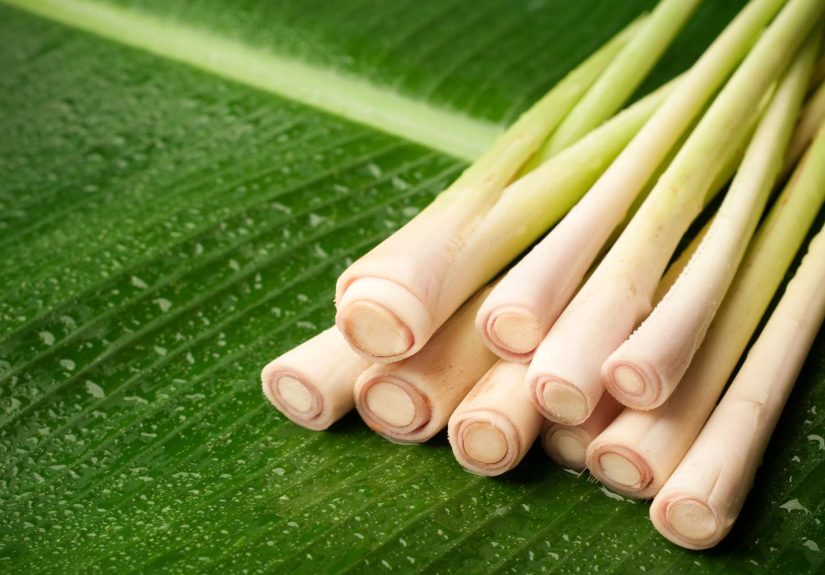
Fresh lemongrass adds citrusy, floral notes that are more complex than plain lemon. You’ll use the tender bottom white part of the stalk, trimming off woody tops and tough outer layers before finely slicing or pounding. Many professional and home recipes either mince lemongrass very finely or blitz it in a blender so that the fibers don’t dominate the sauce.
Ginger
Ginger brings warmth, heat, and a little sweetness. Grated ginger blends more evenly and releases more juice, which helps carry that signature aromatic bite through the sauce. It plays especially well with lemongrass and lime, a pairing you’ll see across Thai and Vietnamese dishes.
Garlic and Scallions
Garlic adds depth and savoriness. Scallions (or green onions) soften the sharpness of raw garlic and give the sauce a mild onion flavor and fresh crunchsimilar to popular ginger-scallion dipping sauces served with poached chicken.
Sour, Salty, and Sweet
- Lime juice or rice vinegar brightens the sauce and keeps it from tasting heavy.
- Fish sauce or soy sauce adds umami and salt. Fish sauce leans more Vietnamese/Thai; soy sauce is great for a vegetarian or less funky version.
- Sugar or honey balances the acidity and heat and makes the flavors feel round instead of sharp.
Oil
A neutral-tasting oil (like canola, grapeseed, or avocado) helps carry the fat-soluble flavors and gives the sauce a silky texture. Some recipes briefly heat the oil and pour it over the aromatics to “bloom” their flavor; others buzz everything together in a blender for a smoother sauce.
Easy Lemongrass Ginger Sauce Recipe
Yield: About 1 cup (240 ml) | Time: 20 minutes
Ingredients
- 2 stalks lemongrass, tough outer layers removed, tender white parts finely sliced (about 1/4 cup packed)
- 2 tablespoons fresh ginger, peeled and finely grated
- 2 cloves garlic, finely minced
- 2 tablespoons finely chopped scallions (green and white parts)
- 1 small red chili or 1/2 teaspoon red pepper flakes (optional, for heat)
- 3 tablespoons fresh lime juice (about 1–2 limes)
- 1 tablespoon rice vinegar
- 2 tablespoons fish sauce or light soy sauce (for a vegetarian version)
- 1–2 tablespoons sugar or honey, to taste
- 1/3 cup neutral oil (canola, grapeseed, or avocado)
- 2 tablespoons water, plus more as needed to thin
- Pinch of salt, if needed (taste first if using fish sauce or soy sauce)
Instructions
- Prep the aromatics. Trim the lemongrass: cut off the root tip and woody top, peel away the toughest outer layers, then finely slice the tender white part. Grate the ginger, mince the garlic, and chop the scallions and chili.
- Bloom the aromatics (optional but tasty). In a small heatproof bowl, combine lemongrass, ginger, garlic, scallions, and chili. In a small pan, gently warm the oil until it’s hot but not smoking. Carefully pour the hot oil over the aromatics. You should hear a gentle sizzlethis “blooms” their flavor.
- Season the sauce. Add lime juice, rice vinegar, fish sauce or soy sauce, sugar or honey, and 2 tablespoons of water. Stir well until the sugar dissolves.
- Taste and adjust. This is the important part. You’re aiming for a balance of bright, salty, slightly sweet, and aromatic. Add more lime for brightness, more sugar for balance, or a splash more fish sauce/soy for salt and umami. Thin with a little extra water if you prefer a lighter, more pourable sauce.
- Rest and serve. Let the sauce sit for at least 10 minutes so the flavors mingle. Serve at room temperature as a dipping sauce, drizzle, or marinade.
Storage: Transfer leftovers to a clean jar, cover, and refrigerate for up to 4–5 days. Stir before using, as the aromatics and oil may separate slightly.
How to Use Lemongrass Ginger Sauce
As a Dipping Sauce
- For grilled meats: Serve alongside grilled chicken thighs, pork chops, shrimp, or steak. The citrusy lemongrass and spicy ginger cut through the richness of grilled proteins beautifully.
- For appetizers: Use it with fresh spring rolls, lettuce wraps, crispy tofu bites, dumplings, or even fried wings.
- For rice and noodles: Drizzle over plain rice, vermicelli bowls, or stir-fried noodles to add brightness and complexity without a heavy sauce.
As a Marinade
To use this as a marinade, simply double the recipe if you’re cooking for a crowd, then:
- Pour 1/2 to 3/4 cup over 1–1.5 pounds of chicken thighs, pork, steak, tofu, or shrimp.
- Marinate at least 30 minutes, or up to 12 hours for chicken and pork. For shrimp and thin fish fillets, 20–30 minutes is enough.
- Grill, roast, or pan-sear, brushing with a little extra sauce toward the end for extra flavor.
Recipes for lemongrass marinades often combine lemongrass, ginger, garlic, fish sauce or soy, lime, and a bit of sugarexactly what you have hereso this sauce naturally doubles as a marinade with almost no tweaks.
As a Dressing or Finishing Sauce
- Salads: Toss with shredded cabbage, carrots, cucumber, and herbs for an Asian-inspired slaw.
- Bowls: Top grain bowls packed with rice or quinoa, roasted veggies, and protein.
- Roasted vegetables: Drizzle over roasted sweet potatoes, broccoli, or green beans while they’re still warm.
Variations and Substitutions
Make It Vegetarian or Vegan
To keep the lemongrass ginger sauce vegan, use light soy sauce or tamari instead of fish sauce. If you like the funky depth fish sauce adds, you can experiment with a splash of vegan “fish” sauce or a bit of miso paste dissolved in water for umami.
Turn Down the Heat (or Turn It Up)
- Mild: Skip the chili entirely or use just a pinch of red pepper flakes.
- Medium: Use half a small chili, seeds removed.
- Hot: Include seeds and membranes, or add a second chili.
Swap the Citrus
No lime? Use lemon juice and a splash more rice vinegar. The flavor will be slightly different but still bright and delicious.
Blender Version
If you prefer a smoother sauce or want a faster prep, toss all ingredients into a blender and blitz until mostly smooth. Many modern lemongrass marinades and sauces are made this way for an even texture and maximum flavor extraction.
Tips for Perfect Flavor Balance
Classic Vietnamese and Thai-style dipping sauces are all about balance between sour, salty, sweet, and spicy. Use these cues to adjust your sauce:
- Too sharp or sour? Add a bit more sugar or honey, and a splash more oil.
- Too salty? Dilute with water and lime juice, then add a tiny bit more sugar.
- Too flat or bland? Add a bit more lime, a pinch of salt, or another dash of fish sauce/soy.
- Not aromatic enough? Stir in a little extra grated ginger or finely minced lemongrass and let it sit for another 10 minutes.
Safety, Storage, and Make-Ahead Tips
- Refrigerate promptly: Because this sauce includes fresh aromatics, acids, and sometimes fish sauce, keep it chilled when not serving.
- Use within 4–5 days: For best flavor and food-safety reasons, don’t push it past a week. The aromatics can become too strong and lose their fresh, bright character.
- Stir before using: Oil naturally separates from the acidic portionjust stir or shake the jar and it’ll come back together.
- Freezing? Technically possible, but not ideal. The texture of the fresh aromatics changes; this sauce really shines when made fresh or used within a few days.
Frequently Asked Questions
Can I use dried lemongrass?
Fresh lemongrass gives the best aroma and texture. Dried lemongrass is more muted and can be fibrous. If it’s all you have, soak it in hot water to soften, then strain it out after simmering. Expect a more subtle flavor.
Can I skip the oil?
You can reduce the oil for a lighter sauce, but a little fat helps carry the aroma of lemongrass and ginger and makes the sauce more luxurious. If you’re using it strictly as a dipping sauce or dressing, you can drop the oil to 2 tablespoons and increase water or lime juice slightly.
Is this the same as traditional nước chấm?
No, not exactly. Traditional nước chấm focuses on fish sauce, lime, sugar, garlic, and sometimes chili. Some modern recipes add ginger or herbs, but lemongrass isn’t always a standard ingredient. This recipe is more of a nước chấm–inspired lemongrass ginger dipping sauce with flexible uses.
Real-Life Experiences with Lemongrass Ginger Sauce
The first time you make lemongrass ginger sauce, it might feel like a small science experiment: lots of chopping, a mysterious stalk that looks like a piece of bamboo, and a bottle of fish sauce that smells… intense. But something magic happens once everything lands in the same bowl. The fish sauce loses its harsh edge, the sugar softens the acidity, and the lemongrass and ginger come together like they’ve known each other for centuries (because, in Southeast Asian kitchens, they basically have).
Many home cooks discover this kind of sauce while chasing their favorite restaurant flavorsmaybe that tangy drizzle on a lemongrass chicken bowl, or the dipping sauce that came with grilled pork and rice noodles. The “aha” moment usually comes when you realize how fast it is to make at home. Once your aromatics are chopped, the rest is just stirring and tasting. It’s the kind of recipe that turns plain grilled chicken or leftover rice into something you’d happily serve to guests.
Another common experience: the second batch is always better than the first. The first time, most people follow measurements exactly (because, understandable, fish sauce is scary). The second time, you start trusting your taste buds. You might decide you love extra lime and ginger, or that you prefer it a touch sweeter to tame the heat. You’ll notice that different brands of fish sauce or soy sauce vary in saltiness, and you’ll adjust on the fly instead of panicking that you “did it wrong.” That’s the moment this stops being “a recipe you’re trying” and becomes “your sauce.”
If you cook for friends or family with different comfort levels around bold flavors, this sauce is surprisingly easy to customize. You can keep the main batch on the milder side, then stir extra chili into a small bowl for the spice lovers. If someone is vegan, use soy or tamari and serve fish sauce on the side for people who want a splash of extra funk. Because the sauce is so quick, you can even mix up two mini batchesone classic, one veganand let everyone choose their own adventure at the table.
People also learn quickly that lemongrass ginger sauce is a meal-prep hero. If you grill a batch of chicken thighs or tofu on Sunday, toss them in this sauce before or after cooking, and keep extra sauce in a jar, you’ve got the start of multiple meals: rice bowls, salads, lettuce wraps, or quick noodle dishes. On busy nights, that jar in the fridge is the difference between “plain chicken and rice” and “wow, when did I become the person who makes restaurant-level food on a Tuesday?” Once you experience how much flavor you get from a few simple aromatics, lemongrass and ginger start showing up in your shopping basket a lot more often.