Table of Contents >> Show >> Hide
- What Are Lingual Braces?
- Who Is a Good Candidate for Lingual Braces?
- Pros of Lingual Braces
- Cons of Lingual Braces
- Lingual Braces Cost in the U.S.
- Comfort: How Much Do Lingual Braces Hurt?
- Lisping and Speech Changes: What to Expect
- Daily Life With Lingual Braces: Food, Cleaning, and Habits
- Lingual Braces vs Other Orthodontic Options
- Questions to Ask Before You Commit
- Final Takeaway
- Extended Experience Section (Approx. )
If you want straighter teeth but don’t want your smile to look like a train track map, lingual braces are probably already on your radar.
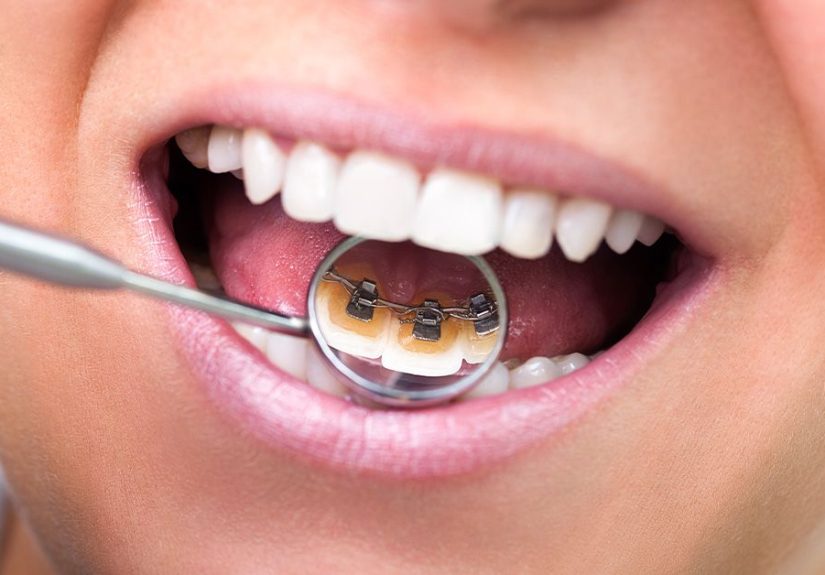
They sit behind your teeth (on the tongue side), so most people won’t notice them unless they are actively inspecting your molars like dental detectives.
Sounds perfect, right? Well… mostly. Lingual braces can be amazing for aesthetics, but they can also test your patience, your tongue, and your pronunciation of the letter “s.”
This in-depth guide breaks down what lingual braces are, who they work best for, what they cost in the U.S., how uncomfortable they are (honest answer: it depends),
and what to expect if your speech gets temporarily weird. You’ll also get practical tips for eating, cleaning, and surviving the first month with your sanity intact.
If you’re choosing between lingual braces, clear aligners, ceramic braces, or traditional metal braces, this article will help you make a decision based on real-world trade-offsnot marketing promises.
What Are Lingual Braces?
Lingual braces are fixed orthodontic appliances placed on the inside surfaces of teeth rather than the front. They use brackets and archwires, just like traditional braces,
but remain largely hidden during normal conversation. Because they are custom-positioned behind the teeth, they are often one of the most discreet fixed-brace options available.
In practical terms, lingual braces can correct many of the same alignment and bite issues that front-side braces treat: crowding, spacing, rotations, and several malocclusion patterns.
They are not ideal for every case, though. Some very complex bite relationships or very small tooth anatomy can limit suitability.
Translation: your orthodontistnot social mediadecides whether you are a candidate.
How They Work
- Digital scans or impressions are taken to customize bracket positioning.
- Brackets are bonded to the back side of teeth.
- Wires apply gentle, continuous force to move teeth over time.
- Adjustment visits are usually scheduled every 6–8 weeks.
- Treatment commonly lasts 18–36 months, depending on complexity.
Who Is a Good Candidate for Lingual Braces?
Lingual braces are especially appealing for adults and older teens who want discreet orthodontic treatment but still need the control of fixed braces.
They can be a strong option if you work in client-facing roles, speak publicly, perform on camera, or simply don’t want visible brackets in photos.
You may be a good fit if:
- You want “hidden braces” but need more control than removable aligners may provide.
- You can commit to excellent oral hygiene and regular appointments.
- You are okay with an adaptation period for speech and tongue comfort.
- Your orthodontist confirms your bite and tooth anatomy are suitable.
You may not be the best fit if:
- You have severe bite patterns that are better addressed with alternative appliances.
- You struggle with hygiene routines or frequent breakage risk from diet habits.
- You want the lowest-cost orthodontic option.
Pros of Lingual Braces
1) Very discreet appearance
This is the headline feature. Lingual braces are hard to spot from the front, making them popular with adults who want a professional look during treatment.
If your top priority is aesthetics during active orthodontic treatment, lingual braces are often near the top of the list.
2) Fixed treatment means less “willpower required”
Unlike aligners, lingual braces are bonded in place. You can’t forget to wear them, lose them in a napkin, or leave them on your bathroom sink while eating pizza.
For people who want a system that works in the background, fixed braces can be a major advantage.
3) Precise tooth movement control
In many cases, braces offer excellent fine-tuning of rotations, root positioning, and bite correction.
That precision can matter for more crowded or complex alignment goals.
4) Great for image-conscious lifestyles
If you speak publicly, create content, manage client meetings, or just don’t want to answer “Did you get braces?” every day, lingual appliances can be a confidence-friendly option.
Cons of Lingual Braces
1) Cost is usually higher
Lingual braces are often among the most expensive braces options in the U.S. because of customization, technique sensitivity, and provider availability.
You’re paying for discreet engineering and specialized chair time.
2) Tongue irritation and comfort issues early on
Because brackets sit where your tongue naturally moves, early irritation is common. You may notice friction, soreness, and occasional “where do I park my tongue?” moments.
This is usually worst in the first days to weeks.
3) Speech changes (yes, a temporary lisp can happen)
Certain soundsespecially “s” and “t”may feel awkward at first. Most people improve with adaptation and practice, but speech changes can be more noticeable initially
than with some front-side braces.
4) Cleaning is trickier
Food and plaque around any fixed appliance increase hygiene demands. With lingual brackets on the inside of teeth, visibility is lower and flossing can feel like solving a tiny metal puzzle.
You’ll need consistency and good tools.
5) Not all orthodontists offer them
Availability can be limited in some areas, and adjustment visits can take more time.
If you live far from a provider, logistics may become part of your treatment plan.
Lingual Braces Cost in the U.S.
Let’s talk numbersthe part everyone asks about before pretending they don’t care about money.
Real-world lingual braces cost varies by city, case complexity, provider expertise, and treatment duration.
Typical Price Ranges
- Common published lingual range: about $5,000–$13,000.
- Some insurance/consumer guides quote: around $8,000–$10,000 for lingual cases.
- Traditional metal braces often price lower than lingual systems.
What Drives the Price?
- Case complexity and bite correction needs
- Treatment length (more months = more visits)
- Orthodontist expertise and regional market rates
- Custom lab workflows and chair time for adjustments
- Retainer type and post-treatment follow-up
Insurance, FSA/HSA, and Payment Plans
Many adult plans offer limited orthodontic coverage, while children’s medically necessary orthodontics may be covered more often.
Even when insurance contributes, premium appliance choices can still involve higher out-of-pocket costs.
Many practices offer monthly plans, and FSA/HSA funds can reduce tax burden.
Comfort: How Much Do Lingual Braces Hurt?
Orthodontic discomfort is normal with any fixed appliance, especially after placement and wire adjustments.
Lingual braces add a tongue-contact factor that can make the beginning feel more intense for some people.
Good news: discomfort usually improves as tissues adapt.
A Realistic Comfort Timeline
- Days 1–7: Peak irritation, speech awkwardness, and chewing sensitivity are common.
- Weeks 2–4: Tongue adapts, soreness decreases, speech generally improves.
- After Month 1: Most people settle into a “new normal,” with temporary soreness after adjustments.
Comfort Tips That Actually Help
- Use orthodontic wax on irritating bracket areas.
- Choose soft foods early (soups, eggs, yogurt, pasta, smoothies).
- Rinse with warm salt water for minor sore spots.
- Follow your orthodontist’s pain-control guidance for adjustment days.
- Don’t panic if the first week feels clumsythat’s common.
Lisping and Speech Changes: What to Expect
Short answer: yes, lingual braces can cause temporary speech changes.
Because your tongue touches the inside surfaces of upper teeth during certain consonants, adding brackets there can alter airflow and tongue placement.
“S,” “sh,” “t,” and “z” sounds are frequent troublemakers in the first phase.
How Long Does Lisping Last?
There is no single timeline, but many patients improve noticeably within a few weeks, while some continue adapting over 1–3 months.
Studies comparing speech with labial vs lingual appliances consistently report greater early articulation impact for lingual systems,
with improvement as adaptation occurs.
How to Adapt Faster
- Read aloud 10–15 minutes daily (news articles, novels, karaoke lyricsanything).
- Practice “s” and “t” words slowly, then at conversation speed.
- Record voice notes weekly to track progress (you’ll hear improvement before you feel it).
- Hydrate welldry mouth makes articulation harder.
- Ask your orthodontist about smoothing options if a specific bracket edge is irritating speech.
Daily Life With Lingual Braces: Food, Cleaning, and Habits
Eating
For the first week, choose softer textures and smaller bites.
With time, most people return to a broad diet, but sticky candies, hard nuts, popcorn kernels, and ice-chewing are still bad ideas.
If it can bend a fork, it can probably bend a wire.
Oral Hygiene
Fixed appliances increase plaque-retention risk, so your cleaning game needs an upgrade.
At minimum:
- Brush thoroughly at least twice daily with fluoride toothpaste (many orthodontists advise brushing after meals).
- Clean between teeth daily (floss threaders, interdental brushes, or water flosser support).
- Pay extra attention to inner tooth surfaces near brackets.
- Keep routine professional cleanings during treatment.
Work, Social, and Fitness Life
Most people function normally after the adaptation phase. You can speak, laugh, and present.
The main difference is that you’ll become weirdly specific about toothbrushes and carry travel floss like it’s a superhero gadget.
Lingual Braces vs Other Orthodontic Options
| Treatment Option | Visibility | Comfort Early On | Discipline Needed | Typical Cost Trend | Best For |
|---|---|---|---|---|---|
| Lingual Braces | Very low visibility | Can be challenging for tongue/speech initially | Moderate (fixed appliance) | Usually highest tier | Discreet fixed treatment |
| Traditional Metal Braces | High visibility | Moderate irritation (lips/cheeks) | Moderate | Often lower | Broadest case applicability |
| Ceramic Braces | Medium visibility | Similar to metal | Moderate | Mid to high | Less visible front-side braces |
| Clear Aligners | Low visibility | Often easier speech/soft tissue adaptation | High (wear 20–22 hrs/day) | Variable | Mild to moderate cases with good compliance |
Questions to Ask Before You Commit
- Am I a strong candidate for lingual braces based on my bite?
- What is my total estimated cost, including retainers and emergency visits?
- How often are appointments, and how long does each visit take?
- What speech changes should I expect in my specific case?
- What tools do you recommend for cleaning around lingual brackets?
- If I struggle with comfort, what adjustments can be made?
- What is your protocol for broken brackets or wire irritation?
Final Takeaway
Lingual braces can be an excellent option if your top priority is discreet orthodontic treatment with fixed, high-control mechanics.
The trade-off is usually higher cost, a tougher first few weeks for tongue comfort and speech, and stricter hygiene discipline.
If that sounds manageable, they can deliver beautiful outcomes without making your orthodontic journey obvious to everyone around you.
The best decision is never “Which braces are coolest online?” It’s “Which system best fits my bite, budget, lifestyle, and tolerance for short-term inconvenience?”
Ask smart questions, get a detailed treatment plan, and choose the path you can realistically follow.
Straight teeth are great. Straight teeth plus healthy gums and a calm nervous system? Even better.
Extended Experience Section (Approx. )
I’ll give you a realistic, human-sized view of lingual braces through a composite experience based on common patient patterns.
Think of this as the “what your orthodontic brochure forgot to mention, but your future self wishes you knew” section.
Week 1: The first 72 hours are usually the loudest part of the journeynot visually loud, because no one can see the braces, but physically loud.
Your tongue is suddenly negotiating with tiny metal architecture it didn’t authorize.
You may feel friction while speaking, and certain words come out with a temporary whistle.
Dinner becomes a strategic operation: softer foods, slower bites, and lots of water.
The best move here is to lower expectations and increase routine.
Use wax, rinse gently, keep meals simple, and do daily speech practice out loud.
(Yes, talking to yourself in the car counts as medical-grade adaptation.)
Week 2 to Week 4: This is where momentum builds.
Most people report that tongue soreness drops, and pronunciation starts to stabilize.
You still notice the braces, but they’re no longer the main character of every conversation.
A lot of patients say confidence improves because the appliance remains hidden in photos and work meetings.
Hygiene, however, becomes the true long game.
You realize that “quick brushing” is no longer a thing.
A travel kitsmall brush, floss aid, and mirrorbecomes your new sidekick.
The people who do best long-term are not perfectionists; they’re consistent.
Month 2 to Month 6: Appointments settle into rhythm.
Some adjustment days still bring mild tenderness, especially after wire changes, but it’s usually manageable.
Speech is typically much better by now, and most social anxiety fades.
This is often when patients stop obsessing over the braces and start noticing subtle alignment wins:
one rotated tooth straightening, a bite that feels less “off,” less food-trapping between crowded teeth.
Motivation shifts from “I hope this works” to “Okay, I can see this working.”
Financially, monthly payments can still sting, so budgeting ahead for any emergency visit or replacement is smart.
Month 6 onward: The middle phase is less dramatic but very important.
Compliance fatigue can sneak innot with wearing (they’re fixed), but with care habits.
This is where plaque control matters most.
Patients who stay disciplined with cleaning and checkups typically finish with better enamel health and less gum inflammation.
The “invisible treatment” advantage keeps paying off in professional and social settings, especially for adults who dislike attention on their orthodontic work.
By this stage, many say they forget they have braces until adjustment day.
Finish line and retention: The day braces come off is satisfying, but retention is the part that protects your investment.
Many people underestimate this and assume active treatment is the hard part.
In reality, long-term success is “straight teeth + retainer consistency.”
Patients who wear retainers as prescribed are the ones who keep that result years later.
The overall emotional arc is simple: awkward start, steady adaptation, visible progress, then maintenance.
If you can tolerate a temporary comfort and speech learning curve, lingual braces can absolutely be worth it.