Table of Contents >> Show >> Hide
- What Is Lithotripsy?
- Who Is Lithotripsy For (and Who Might Need a Different Plan)?
- How to Prepare for Lithotripsy
- What Happens During the Procedure?
- Recovery: What to Expect (Realistic Timeline)
- Common Side Effects (Usually Expected)
- Possible Complications (Less Common, But Important)
- How to Make Lithotripsy “Work Better” (Before and After)
- Questions to Ask Your Urologist
- Experiences After Lithotripsy: What People Commonly Report (and What Helps)
- Conclusion
If kidney stones had a customer support line, it would be “press 1 for agony, press 2 for panic Googling at 2 a.m.”
Lithotripsy is one of the most common ways doctors help evict stones that won’t leave on their ownwithout having to
“open you up” in the classic movie-surgery sense. But “noninvasive” doesn’t mean “you won’t notice it happened.”
In this guide, we’ll walk through what lithotripsy is, how the procedure works, what recovery typically looks like,
and which side effects are normal versus “call your doctor now” territoryso you can go into treatment informed,
prepared, and a little less stressed.
What Is Lithotripsy?
Lithotripsy is a medical way to break stones (most often kidney or ureteral stones) into smaller pieces so they can
pass through the urinary tract more easily. The word literally means “stone crushing,” which is oddly satisfying
when you’re the one who’s been crushed by the stone.
The Main Types of Lithotripsy
“Lithotripsy” is used broadly, but in real life it usually refers to one of these approaches:
-
Extracorporeal Shock Wave Lithotripsy (ESWL/SWL): Shock waves are delivered from outside the body
and focused on the stone to crack it into smaller fragments. -
Laser lithotripsy (during ureteroscopy): A thin scope is passed through the urinary tract to the
stone; a laser breaks it up, and fragments are removed or left to pass. -
Other stone procedures that may use “lithotripsy” techniques: For large or complex stones, a
surgeon may use percutaneous nephrolithotomy (PCNL) or similar methods, sometimes combining fragmentation and
extraction.
Who Is Lithotripsy For (and Who Might Need a Different Plan)?
The “best” treatment depends on stone size, location, composition, your anatomy, and whether there’s infection or
blockage. In general, lithotripsy is considered when a stone is too large to pass, is causing significant symptoms,
is obstructing urine flow, or keeps coming back despite conservative care.
Situations Where ESWL Is Often Considered
- Stones that are visible and can be targeted by imaging
- Stones of a size and location likely to fragment and pass
- People who prefer a nonincisional, outpatient approach when appropriate
Situations Where ESWL May Not Be Recommended
Doctors may steer away from ESWL when the risks are higher or success is less likely. Common examples include
pregnancy, uncontrolled infection, and conditions that increase bleeding risk. Your clinician will also consider
stone size and location because larger stones and certain kidney locations can be harder to clear with shock waves.
When Laser Lithotripsy (Ureteroscopy) Is Often Chosen
- Ureteral stones that are unlikely to pass or are causing ongoing pain/obstruction
- Situations where direct visualization and fragmentation/removal is preferred
- Cases where ESWL isn’t suitable or didn’t fully clear the stone
How to Prepare for Lithotripsy
Preparation varies by the type of lithotripsy and your personal health history. The goal is to confirm stone details,
reduce bleeding and infection risks, and plan pain control.
Common Pre-Procedure Steps
- Imaging: Ultrasound, X-ray/fluoroscopy, or CT may be used to locate the stone and guide treatment.
-
Medication review: Blood thinners, aspirin, or certain supplements may need to be paused to reduce
bleeding riskonly with your prescriber’s guidance. - Urine testing: If there’s evidence of infection, treatment may be delayed until it’s controlled.
-
Fasting instructions: If anesthesia or sedation is planned, you’ll usually be told not to eat or
drink for a set period beforehand.
Practical tip: show up with a real list of your medications (including supplements). “I take a tiny white pill…
maybe for vibes?” is not the helpful detail you think it is.
What Happens During the Procedure?
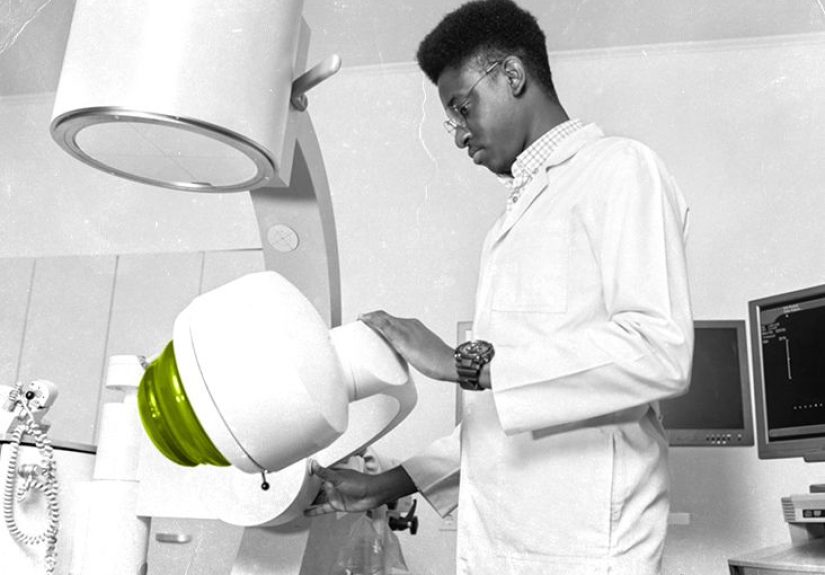
ESWL (Shock Wave Lithotripsy): Step by Step
- Positioning: You lie on a table; the machine is aligned to the stone’s location.
-
Stone targeting: The stone is located using fluoroscopy (real-time X-ray) or ultrasound so the
shock waves can be focused accurately. -
Pain control: Many patients receive medication for comfort; some centers use deeper sedation or
anesthesia depending on the equipment and patient needs. -
Shock wave delivery: The session commonly lasts around 45–60 minutes. The goal is to crack the
stone into passable fragments. - Recovery area: Afterward, you’re monitored briefly, then usually go home the same day.
Laser Lithotripsy (During Ureteroscopy): Step by Step
- Anesthesia: Ureteroscopy is typically performed with anesthesia so you’re comfortable and still.
-
Scope access: A thin scope passes through the urethra into the bladder and up the ureter to reach
the stoneno external incision. -
Fragmentation: A laser (often holmium) breaks the stone into pieces; some fragments may be
extracted with a basket. -
Stent placement (sometimes): A ureteral stent may be placed to keep urine flowing and reduce
swelling-related blockage during healing. - Discharge: Many people go home the same day, with instructions about pain meds and follow-up.
Recovery: What to Expect (Realistic Timeline)
Recovery is less about “healing from a cut” and more about “your urinary tract dealing with tiny rock confetti.”
How long symptoms last depends on stone size, how many fragments were created, and whether you have a stent.
The First 24–48 Hours
- Soreness and bruising (especially with ESWL): It’s common to feel tender in the flank/back area.
-
Blood in urine: Pink or red-tinged urine for a short period can be expected after many stone
procedures. -
Crampy pain: As fragments start moving, you may feel intermittent painsometimes mild, sometimes
“I now understand medieval poetry.”
Days 3–7
-
Passing fragments: Many people pass stone pieces over days to weeks. Pain can flare as a fragment
moves through the ureter. -
Activity: Many patients return to light activities within a few days; your clinician may give
more specific guidance based on procedure type and stent use. - Urinary symptoms (more common with stents): Frequency, urgency, burning, and discomfort can happen.
Weeks 2–6
- Continued fragment passage: Some fragments can take weeks to clear, particularly after ESWL.
-
Follow-up imaging: Your clinician may schedule an ultrasound, X-ray, or CT to confirm clearance
and check for obstruction. -
Stent removal (if placed): If you have a ureteral stent, it’s typically temporary. Removing it
often improves urinary discomfort quickly.
Helpful Recovery Habits
- Hydration: Fluids help keep urine flowing and may assist fragment passage.
-
Medications: You may be prescribed pain relievers, anti-nausea meds, antibiotics (when indicated),
and sometimes an alpha blocker (like tamsulosin) to help the ureter relax. -
Strain your urine (if advised): Catching fragments can help confirm stone type, which supports
prevention planning.
Common Side Effects (Usually Expected)
Side effects vary by technique, but these are frequently reported after ESWL and/or ureteroscopy with laser lithotripsy:
After ESWL
- Blood in the urine for a short period
- Bruising or skin tenderness at the treatment site
- Flank or abdominal discomfort
- Pain as fragments pass
After Laser Lithotripsy (Ureteroscopy)
- Burning with urination for a short time
- Blood in urine, especially with activity
- Bladder irritation symptoms (urgency/frequency), particularly with a stent
- Cramping pain as swelling settles and fragments pass
Possible Complications (Less Common, But Important)
Most people do well, but lithotripsy is still a medical procedure. The key is recognizing what’s normal recovery
versus warning signs of complications.
1) Blockage From Stone Fragments (Including “Steinstrasse”)
When many fragments line up and obstruct the ureter, urine flow can be blocked. This can cause severe pain,
decreased urine output, or infection risk. Treatment may involve medications, stenting, or additional procedures
to clear the blockage.
2) Bleeding Around the Kidney (Hematoma)
Minor bleeding (like blood in urine) is common, but rarely, significant bleeding can occur in or around the kidney.
This may cause persistent or worsening pain, dizziness, or a drop in blood pressure. People on blood thinners or
with bleeding disorders have higher risk, which is why medication review matters so much.
3) Infection
Fever, chills, worsening pain, foul-smelling urine, or feeling very ill can signal infection. Urinary infections
can become serious quickly when there’s obstructionthis is not a “sleep it off” situation.
4) Need for Additional Treatment
Sometimes not all fragments clear, or a stone is harder than expected. Repeat ESWL sessions or a different procedure
(like ureteroscopy) may be needed for complete clearance.
When to Call Your Doctor (or Seek Urgent Care)
- Fever or chills
- Severe pain not improving with prescribed medication
- Heavy bleeding, large clots, or bleeding that keeps worsening
- Vomiting that prevents you from keeping fluids down
- Very little urine output or inability to urinate
- Lightheadedness, fainting, or rapid heartbeat
How to Make Lithotripsy “Work Better” (Before and After)
You can’t negotiate with a kidney stone, but you can improve the odds of an easier recovery and lower the risk of
repeat stones.
Before Treatment
- Follow medication instructions carefully (especially around blood thinners)
- Let your clinician know about any infection symptoms
- Ask what type of anesthesia/sedation is planned and what the recovery plan is
After Treatment
- Drink fluids as recommended
- Take meds on schedule (staying ahead of pain is usually easier than chasing it)
- Use a urine strainer if instructed to catch fragments for analysis
- Keep follow-up appointments“I feel fine” doesn’t always equal “stone is gone”
Questions to Ask Your Urologist
- Which type of lithotripsy am I having, and why is it the best fit for my stone?
- What are my chances of being stone-free after one treatment?
- Will I need a stent? If yes, how long will it stay in?
- What pain and nausea medications should I useand when should I escalate care?
- What follow-up imaging do you recommend, and when?
- How can I prevent future stones based on my stone type and risk factors?
Experiences After Lithotripsy: What People Commonly Report (and What Helps)
Everyone’s recovery is different, but certain “shared experiences” show up again and againespecially in the first
week. Think of this as a realistic field guide to the days after treatment, not a substitute for medical advice.
The “I’m fine… until I’m not” pattern: A very common experience after ESWL is feeling relatively
okay right after the procedure, then getting hit with waves of discomfort later when fragments start moving.
People often describe it as intermittent: you’ll have an hour where you’re convinced you’re unstoppable, followed
by 20 minutes where you’d trade your left shoe for a heating pad. This up-and-down rhythm is often tied to
fragment movement rather than ongoing tissue injury.
Blood in urine that looks dramatic but isn’t always dangerous: Many patients are surprised by how
“red” urine can look even when the actual amount of blood is small. What tends to calm anxiety is having a clear
threshold from your care team: “pink is expected,” “small clots may occur,” but “heavy bleeding or large clots”
is a reason to call. If you have a stent, people frequently notice that activity (walking a lot, lifting, jogging)
can make urine look redderthen it clears with rest and hydration.
Stent sensations: the unexpected villain: For ureteroscopy with laser lithotripsy, many people say
the stent is more annoying than the stone removal itself. Typical reports include urinary urgency (the “I have to
go RIGHT NOW” feeling), bladder pressure, flank discomfort during urination, and a general sense that your urinary
tract is throwing a tantrum. The good news: these symptoms are common, they’re usually temporary, and many people
feel noticeably better soon after stent removal.
What people say helps the most: Practical comfort strategies come up repeatedlyhydration (steady,
not extreme chugging), using prescribed meds on schedule, warm showers or heating pads for muscle tension, and
moving around gently (short walks) to keep things flowing. Some people prefer to plan a “soft landing” day after
the procedure: loose clothes, easy meals, a couch setup, and entertainment that doesn’t require decision-making.
If you’ve ever watched five episodes of a show you don’t even like because you were too tired to change ityes,
that vibe.
The mental side is real: A lot of patients report anxiety about “Is this normal?”especially if
they’ve never had a stone before. What often helps is having a simple checklist: expected symptoms (mild blood,
soreness, crampy pain), supportive actions (fluids, meds, rest), and red flags (fever, severe uncontrolled pain,
inability to urinate, heavy bleeding). When you know what bucket your symptoms belong in, your brain stops
catastrophizing quite so enthusiastically.
Prevention motivation finally clicks: Many people describe lithotripsy as the moment they take
prevention seriouslybecause “I do not want a sequel.” After recovery, patients often feel more open to practical
changes like consistent hydration, sodium reduction, and following through on stone analysis or metabolic testing.
That follow-up can turn a one-time crisis into a long-term plan.
Conclusion
Lithotripsy is a widely used way to treat kidney stones that won’t pass on their own. Whether you’re having shock
wave lithotripsy from outside the body or laser lithotripsy during ureteroscopy, the big picture is the same:
break the stone, clear the fragments, manage symptoms, and watch for warning signs. Most side effectslike soreness,
mild blood in the urine, and crampy pain as fragments passare expected and temporary. The most important step
after treatment is follow-up: confirm stone clearance and build a prevention plan so you can spend less time
thinking about your kidneys and more time thinking about literally anything else.