Table of Contents >> Show >> Hide
- Why the Stairway Deserves More Attention
- What Makes the Hacienda Stencil So Effective
- Why This Pattern Looks So Good on Stairs
- How to Use the Hacienda Stencil Like You Know What You’re Doing
- Best Ways to Style a Stairway With the Hacienda Stencil
- Color Pairings That Work Especially Well
- Common Mistakes to Avoid
- A Smart Example of the Look in Action
- Is the Hacienda Stencil a Good Fit for Your Home?
- Experience: What It’s Like to Live With a Hacienda-Stenciled Stairway
- Final Thoughts
Some parts of a home get all the attention. Kitchens get mood boards. Living rooms get “investment pieces.” Bedrooms get seventeen throw pillows and a candle that smells like moral superiority. Meanwhile, the stairway is often left to survive on good intentions and old scuff marks. That is exactly why the Hacienda stencil feels like such a smart decorating move. It takes a pass-through space and turns it into a full-blown design moment without demanding a full renovation, a contractor convoy, or a budget that requires emotional support.
If you want a statement staircase that looks custom, polished, and far more expensive than it actually is, a patterned stencil is one of the most effective ways to get there. And when that pattern is the Hacienda stencil, with its tile-inspired geometry and old-world charm, the result is dramatic in the best way. Not loud. Not chaotic. Just the kind of stylish that makes guests slow down mid-step and say, “Wait… you did this?”
Why the Stairway Deserves More Attention
A stairway is not just a route from Point A to Point B. It is part hallway, part architecture, part first impression. In many homes, it is one of the first visual elements people notice when they walk in. Even in a basement stairwell or side staircase, it gets seen every single day by the people who live there. That means it has more design influence than homeowners often give it credit for.
That is where painted stair risers, stenciled walls, and patterned landings come in. They deliver a lot of visual payoff in a relatively compact area. Compared with retiling, installing wallpaper, or replacing stair materials, a stencil project can be more affordable, more flexible, and much less committal. In plain English: it is easier to live with, easier to love, and easier to redo if your taste evolves or your “bold phase” takes a nap.
What Makes the Hacienda Stencil So Effective
The Hacienda stencil works because it balances structure and personality. Its repeating motif has the feel of a traditional tile or trellis pattern, which gives it enough symmetry to look intentional, but enough movement to avoid feeling stiff. That combination is gold in a stairway, where you want the eye to travel upward naturally instead of getting stuck on a clunky focal point.
It also delivers something many homeowners want but do not always say out loud: the look of designer wallpaper or decorative tile without the price, permanence, or installation hassle. The pattern feels collected and architectural, especially when paired with warm neutrals, dusty blues, charcoal, or earthy clay tones. In other words, it can read classic, Mediterranean, modern farmhouse, Spanish-inspired, or subtly global depending on the palette around it.
One of the best real-world examples of this approach came from a stairway makeover highlighted by Cutting Edge Stencils, where a neglected, high-traffic stair area was refreshed with Behr Castle Path, a warm gray base, and the Hacienda stencil in a deeper gray tone. The finished look turned an overlooked stairwell into a crisp, elegant design feature. That is the magic here: same stairs, same footprint, dramatically better energy.
Why This Pattern Looks So Good on Stairs
1. It creates rhythm
Stairs already repeat by nature. Step, step, step. The Hacienda stencil leans into that rhythm instead of fighting it. Repetition makes the staircase feel cohesive and tailored, almost like it was always supposed to be a decorative centerpiece rather than a beige afterthought.
2. It flatters narrow or awkward spaces
Stairwells can be tricky. They are vertical, transitional, and sometimes low on natural light. A stencil helps organize the space visually. Instead of the eye landing on every ding, shadow, and mystery mark left by life, it lands on the pattern. That is a much better use of everyone’s attention.
3. It disguises wear more gracefully than flat paint alone
Solid-color stairways can show every scuff, especially in high-traffic homes with kids, pets, groceries, laundry baskets, or adults who somehow still walk like linebackers. A layered finish with a repeating stencil design tends to camouflage everyday wear better than a plain painted surface. It is not magic, but it is a close cousin.
4. It makes the stairway feel designed, not merely finished
There is a big difference between a space that is technically complete and one that feels thoughtfully styled. A Hacienda stencil bridges that gap. It brings pattern, polish, and a little bit of drama, which is often exactly what transitional spaces need.
How to Use the Hacienda Stencil Like You Know What You’re Doing
Start with the right surface prep
If the stairway is grimy, peeling, or rough, no stencil on earth is going to save it. Clean the surface thoroughly, sand where needed, patch imperfections, and prime if the existing finish is uneven or glossy. In stair zones, prep is not the boring part of the project. Prep is the part that keeps the pretty part from becoming the flaky part.
Pick a durable paint system
Because stairways take abuse, choose paint appropriate for high-traffic areas. Many DIY and home-improvement experts recommend durable finishes and, where appropriate, a protective topcoat for longevity. Flat paint might look soft and sophisticated for about nine seconds, then the first scuff arrives like an uninvited relative. Satin, eggshell, or another washable finish is usually the safer play for walls and risers, while stair-specific surfaces may need even tougher products.
Test your color contrast before committing
The Hacienda stencil can look soft and subtle or crisp and dramatic depending on contrast. A warm gray-on-gray scheme feels elegant and quiet. White over greige looks airy and polished. Black over ivory feels graphic and bold. Terracotta, sage, or faded blue can push the look toward a Spanish, vintage, or coastal direction. Try a sample board first so you do not end up discovering your “romantic moody taupe” is actually “wet cardboard at dusk.”
Use guides to keep spacing consistent
One of the smartest staircase painting tips is to create a simple alignment system. Templates, center marks, painter’s tape guides, or a stencil level can help keep repeats straight across multiple risers or along the stairway wall. The human eye forgives a lot, but it absolutely notices when one motif starts drifting off like it has personal issues.
Best Ways to Style a Stairway With the Hacienda Stencil
Stencil the stair risers only
This is the most approachable option and one of the most effective. Leave the treads more understated and let the risers carry the pattern. It keeps the look crisp while still giving the staircase a strong visual identity.
Stencil the wall along the stair run
If your risers are narrow, damaged, carpeted, or not ideal for painting, the wall can become the real canvas. A stenciled stairway wall gives you the same sense of movement and pattern while avoiding wear on the steps themselves.
Combine stenciled risers with a simple runner
A neutral runner paired with patterned risers can look incredibly layered and custom. The key is balance. If the stencil is busy, keep the runner quieter. If the runner has texture, let the stencil stay tone-on-tone.
Use the pattern in a basement or back stairwell
This is where the surprise factor really shines. Utility staircases are often the least decorated areas in the house, which means even a modest stencil makeover can feel transformational. It turns “unfinished energy” into “intentional charm.”
Color Pairings That Work Especially Well
For a timeless look, pair the Hacienda stencil with soft whites, mushroom, taupe, greige, or warm gray. These combinations feel elevated without shouting. For more contrast, charcoal over pale gray or deep navy over warm white gives the pattern real punch. If you want the stairway to feel collected and sun-washed, try clay, sand, olive, muted blue, or soft black accents nearby.
It also helps to consider the rest of the stairway environment. The railing, trim, lighting, artwork, and runner should support the stencil rather than compete with it. A statement staircase still needs editing. A good rule is to let one element be the star and the others be excellent supporting actors.
Common Mistakes to Avoid
Choosing pattern without considering scale
A beautiful stencil can still look wrong if the scale fights the space. If the pattern is too large, the repeats feel chopped up and awkward. If it is too tiny, the effect can get busy fast. Stairways usually reward balance over excess.
Using the wrong finish for a hard-working area
A gorgeous staircase makeover loses its thrill when it starts showing damage right away. Durability matters here. Beauty is lovely, but beauty that survives shoe traffic is even lovelier.
Forgetting the surrounding decor
The best stenciled stairway designs feel connected to the home around them. Add a few coordinating elements such as framed art, a runner, updated lighting, or fresh trim paint. You do not need a full redesign, just enough support to make the staircase feel intentional.
Skipping the final protection step
If your project includes highly touched or kicked surfaces, do not ignore the finishing layer recommended for that material and paint type. A stencil makeover should not be treated like a fragile museum exhibit. It needs to survive actual Tuesdays.
A Smart Example of the Look in Action
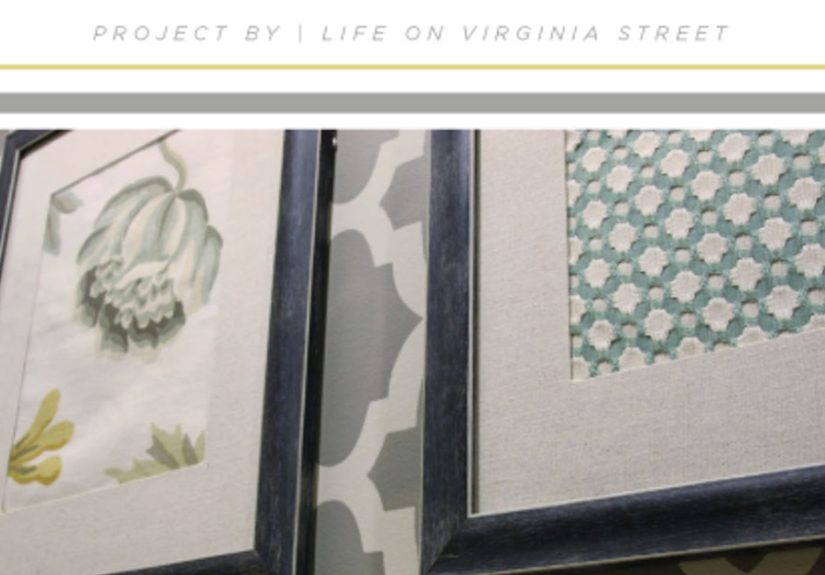
The original Hacienda stairway makeover that inspired this topic worked so well because it focused on a few simple but effective choices. First, it addressed a real problem: a neglected stairwell with flat paint that highlighted every scuff. Second, it used a warm neutral base that played nicely with the home instead of introducing a random trend color. Third, it layered in the Hacienda pattern with a darker complementary shade, creating depth without chaos. Finally, it tied the area together with framed fabric art, proving that the staircase did not need to work alone.
That is a useful lesson for any homeowner. A staircase makeover does not need to rely on one heroic design move. The stencil is the headline, but the supporting details write the rest of the story.
Is the Hacienda Stencil a Good Fit for Your Home?
If you love character, pattern, and a custom look without committing to tile or wallpaper, the answer is probably yes. The Hacienda stencil is especially appealing for homes that lean transitional, Mediterranean, Spanish-inspired, eclectic, classic, or modern rustic. It also works well for people who want their stairway to feel more finished, more layered, and more alive.
And perhaps best of all, it solves a decorating problem many homeowners share: how to make a practical feature feel special. Stairs are functional. They are necessary. They are also full of design potential. The Hacienda stencil simply stops pretending otherwise.
Experience: What It’s Like to Live With a Hacienda-Stenciled Stairway
The first thing people notice after finishing a stairway with the Hacienda stencil is that the space suddenly feels awake. Not louder, exactly. Just awake. Before the makeover, the stairs may have been something you used without seeing. Afterward, they become part of the home’s personality. You catch yourself glancing at them on the way to grab laundry, and somehow that tiny daily trip feels a little less like a chore and a little more like you live in a house that has its act together.
There is also a surprisingly emotional shift that comes with improving a transitional space. Big rooms are easy to prioritize because they are public. Stairways are different. They are the in-between places, the connectors, the parts of the home that work hard without applause. When you give that area real design attention, the whole house starts to feel more intentional. It sends the message that your home is not just decorated where guests sit. It is cared for everywhere.
Another common experience is how often the stairway starts conversations. Visitors notice it. Family members notice it. Even people who are not normally the type to comment on home decor somehow find themselves standing at the base of the stairs, squinting with respect, and asking how you pulled it off. That reaction is part of the appeal. A stenciled stairway looks intricate, but the process is far more approachable than people expect. It has that ideal DIY quality: high impact, low bragging threshold. You do not have to announce that you transformed the space. The staircase handles public relations on its own.
Living with the pattern day to day also reveals something practical: it softens the visual pressure of wear. Homes with children, pets, deliveries, backpacks, sports gear, and the general chaos of actual life put stairways through a lot. A patterned design helps the area age with more grace. Minor scuffs do not scream for attention the way they do on a flat, single-color wall or riser. The space feels more forgiving, which is wonderful because nobody wants a staircase that demands white-glove treatment while the rest of the house is trying to function.
Perhaps the best part, though, is that the Hacienda stencil gives a home a sense of character without making it feel themed. It is distinctive, but still livable. Stylish, but not fussy. It can look refined in daylight, cozy at night, and charming in every in-between moment. That is what makes the experience so satisfying. You are not just looking at a decorated stairway. You are living with a feature that adds beauty to an everyday routine. And really, that might be the whole point of good design: to make ordinary moments feel just a little more special, one step at a time.