Table of Contents >> Show >> Hide
- What Is Menopause?
- What Causes Menopause?
- Common Symptoms of Menopause
- How Is Menopause Diagnosed?
- Treatment Options for Menopause Symptoms
- Possible Complications and Long-Term Health Risks
- When Should You See a Doctor?
- Living Well Through Menopause
- Real-Life Experiences and Practical Tips About Menopause
Menopause is one of those life milestones that nobody throws a party for, but almost every woman reaches. Hot flashes, mood changes, period chaos – it can feel like puberty’s older, sassier cousin coming back for a sequel. The good news? Understanding what’s happening in your body can make the transition a lot less scary and a lot more manageable.
This in-depth guide walks through the definition of menopause, common menopause symptoms, causes, treatment options (hormonal and nonhormonal), and possible complications. We’ll also share real-world experiences and practical tips so you don’t just survive menopause – you learn how to live well through it.
Quick reminder: This article is for education, not a substitute for medical advice. Always talk with a qualified health professional about your own situation.
What Is Menopause?
Clinically, menopause is defined as the point in time when a person has gone 12 consecutive months without a menstrual period, not due to pregnancy, illness, or medications. For most women, this happens naturally between ages 45 and 55, with the average around 51.
Menopause itself is one day on the calendar – the 12-month mark since your last period. But the transition around it can stretch over years and is usually broken into stages:
- Perimenopause: The “transition years” leading up to menopause when hormones start to fluctuate, periods become irregular, and symptoms like hot flashes may appear.
- Menopause: The official 12-month anniversary of your final menstrual period.
- Postmenopause: The years after menopause. Symptoms may ease over time, but long-term health effects of lower estrogen become more important.
So if you’re 48, your period now shows up like a flaky friend (sometimes early, sometimes late, sometimes not at all), and you wake up sweating at 3 a.m. – you’re very likely in perimenopause, not “full menopause” yet.
What Causes Menopause?
The main driver of menopause is simple biology: your ovaries gradually produce less estrogen and progesterone over time. Eventually, they stop releasing eggs and hormone levels drop enough that periods end.
Natural Menopause
Natural menopause happens as part of aging. Your ovarian reserve (the number and function of remaining eggs) declines, hormone production shifts, and your reproductive years come to an end. Nothing “went wrong” – your body is just turning the page to a new chapter.
Other Causes of Menopause
Sometimes menopause arrives early or suddenly because of medical reasons:
- Surgical menopause: Removal of both ovaries (for example, during a hysterectomy with oophorectomy) causes an abrupt drop in estrogen and immediate menopause, regardless of age.
- Chemotherapy or radiation: Cancer treatments can damage the ovaries and trigger earlier or sudden menopause.
- Primary ovarian insufficiency (POI): In some people under 40, the ovaries stop functioning normally due to genetic, autoimmune, or unknown causes.
When menopause occurs before age 40, it’s often called premature menopause or is related to POI, and it usually needs special medical evaluation and long-term follow-up.
Common Symptoms of Menopause
Menopause symptoms are caused by shifting and falling estrogen levels. Not everyone experiences them the same way – some people hardly notice, while others feel like their body signed up for a reality show without asking.
Vasomotor Symptoms (Hot Flashes and Night Sweats)
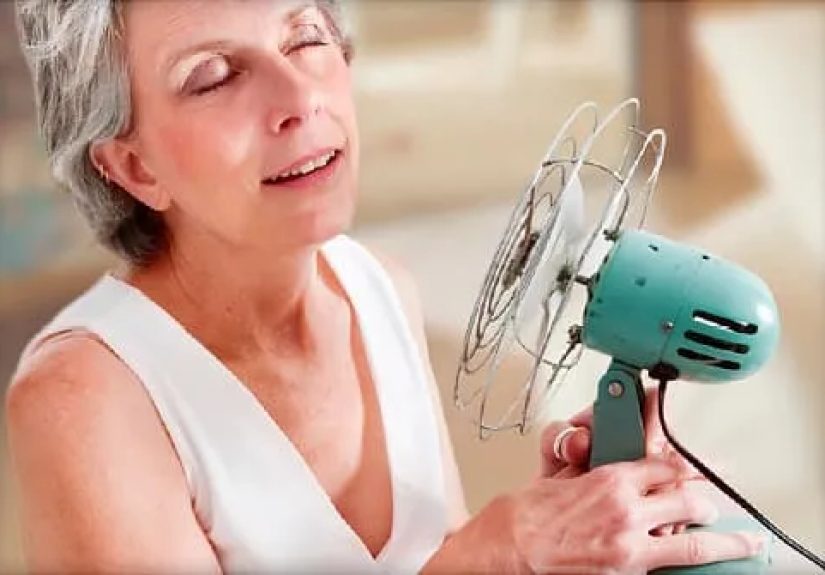
Hot flashes are sudden waves of heat, often with flushing, sweating, and a racing heart. They may last from 30 seconds to a few minutes and are often followed by chills. When they occur at night, they’re called night sweats and can seriously interrupt sleep.
These are among the most common menopause symptoms and can range from mildly annoying to life-disrupting.
Menstrual Changes
During perimenopause, your cycle can become:
- Shorter or longer
- Heavier or lighter
- More unpredictable (skipping months, then returning)
Any unusually heavy bleeding, bleeding between periods, or bleeding after menopause should be evaluated by a health professional to rule out other conditions.
Sleep Problems
Insomnia, trouble staying asleep, early waking, and feeling unrefreshed are common. Night sweats can wake you up soaked, but even without them, hormonal changes can disturb normal sleep patterns.
Mood and Cognitive Changes
Some women report increased irritability, anxiety, low mood, or mood swings during the menopause transition. Others describe “brain fog” – trouble concentrating, forgetfulness, or feeling mentally slower than usual.
Hormones may play a role, but so do life stressors that often show up in midlife: aging parents, work demands, kids leaving home, and health concerns.
Genitourinary Symptoms
Lower estrogen affects the tissues of the vulva, vagina, and urinary tract, leading to what’s now called genitourinary syndrome of menopause (GSM). Symptoms can include:
- Vaginal dryness, burning, or itching
- Pain during sex (dyspareunia)
- Recurrent urinary tract infections
- Increased urinary urgency or leakage
These symptoms often worsen over time if not treated, but they’re very responsive to local therapies.
Other Possible Symptoms
Some women also notice:
- Changes in libido (up or down)
- Joint or muscle aches
- Headaches or migraines that shift in pattern
- Dry skin, thinning hair, or brittle nails
Symptoms can overlap with other health conditions, so it’s important not to blame everything on menopause without a proper medical evaluation.
How Is Menopause Diagnosed?
For most healthy women over 45, menopause is diagnosed based on symptoms and menstrual history rather than a long list of lab tests.
Typical steps include:
- A detailed review of your menstrual patterns and symptoms
- Discussion of medical history, medications, and family history
- Physical exam, including pelvic exam if appropriate
Blood tests to measure hormones like FSH (follicle-stimulating hormone) may be used in certain cases – for example, in younger women, those with surgically removed uterus, or when the situation isn’t clear. But hormone levels can fluctuate a lot in perimenopause, so a single test isn’t always definitive.
Treatment Options for Menopause Symptoms
The goal of menopause treatment isn’t to “cure” menopause (it’s a normal life stage) but to reduce symptoms and protect long-term health. Treatment should be individualized based on your age, symptom severity, health history, and personal preferences.
Lifestyle Changes and Self-Care
Sometimes small changes make a surprisingly big difference. Helpful strategies include:
- Dressing in layers so you can cool down during hot flashes
- Avoiding triggers such as hot drinks, spicy foods, alcohol, or very warm rooms if you notice they make flashes worse
- Practicing good sleep hygiene: consistent schedule, dark cool room, limiting screens before bed
- Regular physical activity to support mood, weight, heart health, and bones
- Balanced diet rich in fruits, vegetables, lean protein, and calcium- and vitamin D–containing foods
- Stress management through yoga, meditation, breathing exercises, or therapy
These won’t erase every symptom, but they lay the foundation for feeling better and staying healthier long term.
Hormone Therapy (HT)
Menopausal hormone therapy – estrogen alone or estrogen plus a progestin – is the most effective treatment for hot flashes, night sweats, and many GSM symptoms. It can also help prevent bone loss.
There are two main categories:
- Systemic hormone therapy (pills, patches, gels, sprays) that works throughout the body – usually for moderate to severe hot flashes or overall symptoms.
- Local (vaginal) estrogen (creams, tablets, rings) in very low doses – mainly for vaginal dryness and urinary symptoms with minimal absorption into the bloodstream.
Whether hormone therapy is right for you depends on several factors:
- Your age and how long it’s been since menopause
- Your personal and family history of breast cancer, heart disease, stroke, or blood clots
- Whether you still have a uterus (if yes, you typically need both estrogen and a progestin to protect the uterine lining)
For many healthy women under 60 or within about 10 years of menopause, the benefits of hormone therapy can outweigh the risks when used at the lowest effective dose for the shortest time needed. But this decision should always be made with a clinician who understands your full health picture.
Nonhormonal Medications
For women who can’t or don’t want to take hormone therapy, several nonhormonal treatments can help with hot flashes and other symptoms. These may include:
- Certain antidepressants (SSRIs or SNRIs) at lower doses than typically used for depression
- Gabapentin, an anticonvulsant, especially useful at night
- Oxybutynin, a bladder medication that can also reduce hot flashes in some women
These medications are not “one size fits all” and can have side effects. They’re usually prescribed after a detailed discussion of benefits and risks.
Treatments for Genitourinary Syndrome of Menopause
For vaginal dryness, pain with intercourse, and urinary symptoms, treatment options include:
- Over-the-counter moisturizers and lubricants
- Low-dose vaginal estrogen in creams, tablets, or rings
- Other prescription medications that act on estrogen receptors in the vaginal tissue
Because these treatments act mostly locally, they generally carry fewer systemic risks than full-dose hormone therapy, but medical guidance is still important.
Complementary and Mind–Body Approaches
Some women explore acupuncture, yoga, paced breathing, or cognitive behavioral therapy (CBT) for hot flashes, sleep, and mood. Evidence varies in strength, but mind–body strategies can be valuable as part of a comprehensive plan.
Herbal products and supplements (like black cohosh, soy isoflavones, or evening primrose oil) are widely marketed, but their effectiveness and safety are often less clear, and quality can vary. Always talk with your clinician before starting supplements – “natural” does not automatically mean “safe” or “risk-free.”
Possible Complications and Long-Term Health Risks
Menopause itself isn’t a disease, but the drop in estrogen affects several body systems. Over time, this can influence the risk of certain conditions.
Osteoporosis and Bone Health
Estrogen helps protect bones. After menopause, bone loss accelerates, increasing the risk of osteopenia, osteoporosis, and fractures, especially hip and spine fractures. Regular weight-bearing exercise, adequate calcium and vitamin D, and sometimes medications can help protect bone strength.
Cardiovascular Disease
Heart disease is the leading cause of death in women. After menopause, changes in cholesterol, weight distribution, blood pressure, and blood vessel health may increase cardiovascular risk.
This doesn’t mean menopause “causes” a heart attack, but it’s a critical window to focus on heart-healthy habits: not smoking, staying active, eating a balanced diet, managing blood pressure, cholesterol, and blood sugar, and keeping up with preventive care.
Metabolic Changes and Weight Gain
Many women notice that weight creeps up or shifts more to the abdomen in midlife. Hormonal changes, aging, loss of muscle mass, and lifestyle factors all play a role. While a small amount of weight gain can be normal, central (belly) weight is more closely linked to metabolic and cardiovascular risk, so it’s worth addressing with nutrition and exercise.
Mood Disorders and Cognitive Health
People with a history of depression or anxiety may be more vulnerable to mood changes during the transition. Sleep disruption and life stressors can add fuel to the fire. Persistent low mood, loss of interest, or thoughts of self-harm should always be evaluated promptly.
Some women worry about dementia or memory loss. Short-term “brain fog” during perimenopause is common, but long-term cognitive decline depends on many different factors. Maintaining social connection, physical activity, mental engagement, and managing vascular risk can all support brain health.
When Should You See a Doctor?
It’s wise to talk with a health professional if you:
- Have very heavy or very frequent bleeding, or bleeding after menopause
- Experience severe hot flashes, sleep problems, mood changes, or pain that interfere with daily life
- Have a personal or family history of conditions like breast cancer, heart disease, blood clots, or osteoporosis and are considering hormone therapy
- Go through menopause before age 40 or have symptoms suggesting primary ovarian insufficiency
- Feel anxious, depressed, or overwhelmed by the changes you’re experiencing
Bring notes about your symptoms, cycle changes, and questions. Menopause care works best as a partnership, not a one-time conversation.
Living Well Through Menopause
Menopause can feel like your body changed the rules without warning. But it’s also a chance to reset priorities and build health habits that support you for decades to come.
Key takeaways:
- Menopause is a normal life stage driven by hormonal changes, not a personal failure.
- Symptoms are common and treatable – you don’t have to tough it out in silence.
- Both hormonal and nonhormonal treatments are available; the “right” choice depends on your health history and preferences.
- Long-term health issues like osteoporosis and heart disease deserve attention before they become problems.
With the right information, support, and care plan, menopause doesn’t have to be the end of anything – it can be the beginning of a more intentional, empowered phase of life.
Real-Life Experiences and Practical Tips About Menopause
Clinical definitions are helpful, but menopause happens in real bodies and real lives. Here are composite experiences based on what many women report, plus practical strategies that often help. These aren’t meant to replace medical care – think of them as conversation starters for your next appointment and inspiration for your self-care toolkit.
The 3 a.m. Wake-Up Club
One common story: you fall asleep easily, only to snap awake around 3 a.m., heart pounding, feeling like someone turned on an invisible space heater. After tossing off the covers, flipping the pillow, maybe changing your shirt, your brain starts listing everything you’ve forgotten to do for the last 20 years.
What has helped many women:
- Cool down the bedroom – lighter bedding, breathable fabrics, maybe a fan by the bed.
- Keep a “worry notepad” by the bed; jot down thoughts instead of letting them swirl in your mind.
- Practice a simple breathing pattern, such as inhaling for four counts, exhaling for six or eight, to gently calm the nervous system.
- Avoid doom-scrolling on your phone at 3 a.m. – it usually makes sleep and mood worse.
If night sweats are relentless or sleep deprivation is affecting your work, mood, or relationships, that’s a strong signal to ask your clinician about medical options.
The “Is It Just Me?” Phase
Another common experience: you start feeling more irritable, overwhelmed, or tearful over things that didn’t used to bother you. Maybe your period has gone rogue, but life is also full of stress – kids, aging parents, work, finances. It’s easy to wonder, “Is this menopause or am I just losing it?”
Most of the time, it’s some combination of hormone changes plus real-life pressures. Helpful approaches can include:
- Normalizing the experience: Knowing other people go through this too reduces shame and isolation.
- Setting boundaries: Saying “no” more often, or delegating tasks, can make symptoms more manageable.
- Counseling or therapy: A mental health professional can help you sort out what’s hormonal, what’s situational, and what strategies will help most.
- Checking in with your clinician: Sometimes mood symptoms signal depression or anxiety that deserves targeted treatment.
Rewriting the Story About Midlife
Menopause is often framed as the closing credits of youth, but many women describe it as the beginning of a more honest, less people-pleasing era. Once the unpredictable cycles calm down, some find they have:
- More freedom from period worries and contraception concerns
- Clearer priorities about how they want to spend their time and energy
- Motivation to finally address long-ignored health issues
Shifting the narrative from “my body is betraying me” to “my body is changing, and I get to respond with care” can make a powerful difference. That might mean scheduling the bone density scan you’ve put off, reconnecting with movement you actually enjoy, or having a frank conversation with your doctor about sexual health instead of pretending everything is fine.
Partner and Family Dynamics
Menopause doesn’t just affect the person going through it; it can ripple through relationships. Partners might notice irritability or changes in libido and feel confused or rejected. Kids might see mood shifts and not understand why.
Many families do better when menopause is named and explained. Simple statements like “My body is going through a hormonal transition; sometimes I get hot, sweaty, or short-tempered. It’s not your fault, but I might need a little extra patience” can ease tension and invite support.
Inviting a partner to a medical visit or sharing reliable educational resources can also help them understand that menopause is a real physiologic process, not “all in your head.”
Advocating for Yourself in Healthcare Settings
One of the most frustrating menopause experiences some women report is feeling dismissed. They’re told “this is just aging,” “you’ll get used to it,” or “we don’t really treat that.” Modern evidence-based menopause care is more nuanced than that.
Advocacy tips:
- Come prepared with a symptom log: what you feel, how often, how severe, and how it affects daily life.
- Be clear about your goals – better sleep, less pain with sex, fewer hot flashes, protecting bone health, or all of the above.
- Ask directly: “What treatment options are available for my symptoms?” and “What are the benefits and risks for someone with my health history?”
- If you feel unheard, consider seeking a second opinion, ideally from someone with a special interest or certification in menopause care.
Remember: you are not being “difficult” by wanting to feel well. You deserve accurate information and a personalized plan, whether that includes hormone therapy, nonhormonal medications, lifestyle changes, or a combination.
Putting It All Together
Menopause can be messy, sweaty, emotional, and confusing – but it can also be a time of recalibration and strength. By understanding the definition, symptoms, causes, treatment options, and potential complications, you’re already ahead of the game.
Keep asking questions, keep listening to your body, and keep building a support team – medical, social, and emotional. This chapter isn’t the end of your story. It’s the beginning of a new one where you get to be the main character, fully informed and unapologetically in charge.