Table of Contents >> Show >> Hide
- Why Middle Eastern Cheeses Taste So Distinctive
- The Big Categories of Middle Eastern Cheese Varieties
- How to Build a Middle Eastern Cheese Plate (That Doesn’t Taste Like the Ocean)
- Buying and Storing Middle Eastern Cheeses in the U.S.
- Common Recipe Ideas (So You Actually Use the Cheese)
- Cheese Adventures: The Real-Life Experience of Exploring Middle Eastern Cheese Varieties
- SEO Tags
If you think “cheese” means a beret-wearing wheel that needs its own passport, the Middle East would like a wordpreferably
over a mezze table. Middle Eastern cheese varieties are less about fancy caves and more about brilliant, practical flavor:
salty brines, grill-friendly curds, yogurt turned into spreadable magic, and aged balls of cheese that look like they could
survive a desert road trip (because… historically, they kind of did).
This guide walks you through the most loved Middle Eastern cheese varietieswhat they taste like, how they’re traditionally
used, and how to cook with them in an American kitchen without accidentally creating a salt lick. Expect specific tips,
real-world substitutions, and a few gentle jokes, because cheese deserves joy.
Why Middle Eastern Cheeses Taste So Distinctive
Many Middle Eastern cheeses were shaped by climate, travel, and the need to preserve milk without modern refrigeration.
That’s why you’ll see recurring themes:
- Brining: Lots of white cheeses live in salty brine, which boosts shelf life and delivers that signature tangy-salty bite.
- High-heat resilience: Some varieties are designed to fry or grill without melting into a puddle.
- Yogurt-as-cheese: Strained yogurt becomes “yogurt cheese,” giving you creamy richness without needing a dairy science degree.
- Milk variety: Sheep’s and goat’s milk show up frequently, adding a deeper, sometimes grassy or nutty character.
The result is a cheese “family” that’s incredibly cook-friendly: spread it, slice it, sear it, soak it, crumble it, stuff it
into pastry, or eat it with olives and call it dinner (a highly recommended life choice).
The Big Categories of Middle Eastern Cheese Varieties
1) Fresh and Spreadable: The “Swoosh It on a Plate” Cheeses
Labneh (Yogurt Cheese)
Labneh is what happens when yogurt decides to level up. By straining yogurt to remove whey, you get a thick, tangy, creamy
cheese-like spread that can range from “Greek yogurt’s cooler older cousin” to “cream cheese’s brighter, lighter friend,”
depending on how long you strain it and how much fat you start with.
Flavor & texture: Tangy, lactic, lightly salty; smooth and spoonable when lightly strained, firmer and
almost sliceable when strained longer.
How it’s used: Labneh is a mezze MVPspread on a plate, topped with olive oil, herbs, and spices (za’atar is
classic), then scooped with pita and crunchy vegetables. It also plays well with sweet toppings (honey, jam, fruit) and can
be stirred into sauces for extra creaminess.
Pro tip (so it tastes “right”): Salt the yogurt before straining. And if you want labneh balls, strain until
firm, roll into bite-size pieces, and store in olive oil with herbsinstant snack, instant bragging rights.
Quick Labneh at Home (No Drama Version)
- Mix full-fat plain yogurt with salt (and optional lemon juice).
- Spoon into cheesecloth (or a clean coffee filter in a pinch) set in a strainer over a bowl.
- Refrigerate 8–24 hours, depending on how thick you want it.
- Serve with olive oil and toppings, or store airtight for a few days.
2) Brined White Cheeses: Salty, Sliceable, and Built for Mezze
White brined cheeses are common across the Eastern Mediterranean and broader Middle East. They’re usually pale, tangy,
pleasantly salty, and happiest alongside tomatoes, cucumbers, olives, herbs, and warm bread. Think of them as the
dependable jeans of the cheese world: always appropriate, never trying too hard.
Akkawi (Ackawi / Akawi)
Akkawi is a soft, unripened white cheese stored in brine. It’s mild and milky, with a gentle chew that makes it great for
slicing, snacking, and melting into pastries.
Flavor & texture: Mild, slightly salty, smooth with a light chew.
How it’s used: On a breakfast plate with tomatoes and olives, tucked into sandwiches, or melted into
pastries and flatbreads (like cheesy manakish). It’s also often used as an accessible stand-in for harder-to-find cheeses in
desserts like knafeh.
Pro tip: If it tastes aggressively salty, soak slices in cold water for 15–60 minutes, then pat dry. You can
control the salt level like a responsible adult (or at least like someone pretending to be one).
Nabulsi
Nabulsi is a semi-hard brined cheese traditionally associated with Palestine and surrounding areas. It’s often made from
sheep’s or goat’s milk and may include black caraway seeds, giving it a subtle aromatic edge.
Flavor & texture: Briny and tangy; firmer than akkawi, with a satisfying bite.
How it’s used: Served as a table cheese, pan-fried until golden, or used in sweets where its salty character
balances syrupy desserts. It’s famously connected to knafeh-style preparations in many kitchens.
Pro tip: Like many brined cheeses, a quick soak can tame the salt if you’re planning to use it in dessert or
pair it with sweet fruit.
Jibneh Arabieh
Jibneh Arabieh is a mild cheese common in Egypt and the region, historically made from goat’s or sheep’s milk and now often
made with cow’s milk as well. It’s approachableperfect for people who want to explore without getting hit by “cheese
intensity” on day one.
Flavor & texture: Mild, lightly salty, semi-hard; easy to slice or shred.
How it’s used: As a table cheese, stuffed into pastries, or served alongside jams and honey for a sweet-salty
contrast.
Testouri
Testouri is notable for its traditional shape (often described as orange-like) and is eaten lightly salted. It’s part of the
broader world of Middle Eastern cheeses that prioritize practicality and flavor over fussiness.
Flavor & texture: Mild and savory; typically semi-firm.
How it’s used: Sliced for snacking, served with bread, or included on platters where simple ingredients
shine.
3) Grillable and “Squeaky”: Cheeses That Laugh at Heat
Some cheeses melt. Others crisp. Halloumi is in the “I will not be bullied by your frying pan” category.
Halloumi
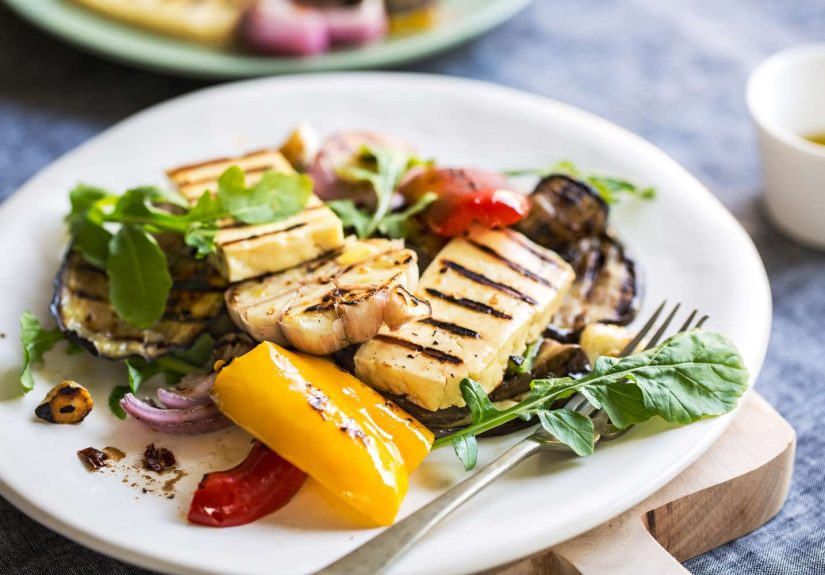
Halloumi is a semi-firm brined cheese traditionally associated with Cyprus and widely loved across the region. It’s famous
for its high melting point, which means you can grill, fry, or sear it without it collapsing into a dairy puddle. Instead,
it browns on the outside and stays springy insideoften with a signature “squeak” when you bite it.
Flavor & texture: Salty and milky with a springy, chewy bite; crisp edges when cooked.
How it’s used: Grilled in slabs, skewered, tossed on salads, tucked into sandwiches, or paired with fruit
like watermelon for a classic sweet-salty moment.
Pro tip (best crust): Pat it dry, then sear in a hot pan without crowding. You want sizzling contact, not
steamy sadness. If it’s extremely salty, a brief soak helps.
4) Aged, Dried, and Bold: Cheeses with Funk, Bite, and Personality
If brined cheeses are the friendly hosts of the mezze table, aged cheeses are the dramatic uncle who tells stories loudly
and somehow makes everything more interesting.
Shanklish
Shanklish is common in Syria and Lebanon and is often formed into balls, then dried and aged. You’ll find it fresh (milder,
softer) or more aged (firmer, funkier, and more pungent). It’s the kind of cheese that doesn’t whisperit announces itself.
Flavor & texture: Fresh is mild and softer; aged can be sharp, tangy, and assertive with a firmer texture.
How it’s used: Crumbled over tomatoes and cucumbers, mixed with olive oil, or served as part of a mezze
spread where it plays beautifully with herbs, spices, and onions.
Beyaz Peynir (Turkish White Brined Cheese)
Beyaz peynir is Turkey’s iconic white brined cheese. It’s often compared to feta, but it can range from soft and spreadable
to firmer and crumbly depending on style and age. In many Turkish breakfasts, it’s as normal as coffeemaybe more normal,
honestly.
Flavor & texture: Clean, tangy, and salty with a milky finish; texture varies widely by brand and age.
How it’s used: Breakfast platters, meze, salads, and savory pastries like börek. If you like feta but want
something with a slightly different personality, beyaz peynir is worth meeting.
Iranian-Style White Brined Cheeses (Including Lighvan)
Iranian cuisine features white brined cheeses often served simply with flatbread, herbs, and vegetables. Lighvan, in
particular, is known as a brined sheep’s milk cheese with a tangier taste and firmer character than many commercial
feta-style cheeses.
Flavor & texture: Tangy and briny; often firmer and more rustic in feel.
How it’s used: Breakfast spreads, herb platters, and simple sandwicheswhere the cheese doesn’t hide behind
anything else.
How to Build a Middle Eastern Cheese Plate (That Doesn’t Taste Like the Ocean)
A great Middle Eastern cheese plate is less “cheese board as performance art” and more “easy, generous, and made for
grazing.” Here’s a dependable formula:
- Pick 2–3 cheeses: labneh + akkawi (or nabulsi) + halloumi (cooked) is a crowd-pleaser.
- Add fresh crunch: cucumbers, tomatoes, radishes, scallions, mint, parsley.
- Bring briny friends: olives and pickles (turnips are a classic if you can find them).
- Make it scoopable: warm pita, lavash, or flatbread.
- Finish with “spark”: olive oil, lemon, za’atar, Aleppo pepper, sumac, or toasted sesame.
- Optional sweet balance: watermelon, grapes, dates, or a drizzle of honey (especially with salty cheeses).
Salt management, the secret to happiness: If a brined cheese is too salty, soak it briefly in cold water and
taste as you go. You’re aiming for pleasantly seasoned, not “accidentally swallowed a seawater smoothie.”
Buying and Storing Middle Eastern Cheeses in the U.S.
Where to find them
- Middle Eastern and Mediterranean markets: Best variety, best prices, and the bonus of discovering new olives.
- Well-stocked grocery stores: Halloumi and labneh have become much easier to find in many regions.
- Cheese shops: Great for higher-quality halloumi and curated brined cheeses.
What to look for on labels
- Milk type: Sheep/goat often tastes richer and more complex; cow is usually milder.
- Brine-packed vs. dry-packed: Brine-packed tends to stay fresher and more traditional in texture.
- Salt level: If sodium is a concern, choose milder versions and soak brined cheeses when needed.
Storage basics
- Keep brined cheeses in brine (or make a light saltwater brine if needed). Dry storage can make them tough and overly salty.
- Labneh: Store airtight; for longer keeping, form firm labneh into balls and cover with olive oil.
- Halloumi: Keep sealed; once opened, store with a little brine or wrap well to avoid drying out.
Common Recipe Ideas (So You Actually Use the Cheese)
Weeknight wins
- Pan-seared halloumi salad: Greens + tomatoes + cucumbers + lemony dressing, topped with crispy halloumi.
- Labneh dip night: Spread labneh on a plate, top with olive oil, za’atar, and chopped cucumbers; serve with pita chips.
- Cheese manakish-style flatbread: Flatbread topped with akkawi (soaked if needed), baked until bubbly.
Weekend projects (still fun, not stressful)
- Knafeh-inspired bake: A buttery shredded pastry top with a mild brined cheese filling (often nabulsi or akkawi) and syrup.
- Börek shortcut: Phyllo layered with beyaz peynir (or feta-style cheese), herbs, and a little egg to bind.
- Shanklish mezze bowl: Tomatoes, onions, olive oil, and crumbled shanklish for a bold, savory plate.
Cheese Adventures: The Real-Life Experience of Exploring Middle Eastern Cheese Varieties
Here’s the honest truth about exploring Middle Eastern cheese varieties: the most “authentic” experience usually starts in
a small market where you walked in for one item and walked out with a bag of olives, two kinds of bread, and a mysterious
spice blend you swear you’ll learn to pronounce later.
The first experience most people remember is opening a container of brined cheese and realizing it comes with its own
swimming pool. Akkawi and nabulsi often arrive tucked into brine like they’re on a salty spa vacation. Your instinct might
be to drain it immediately. Resist that urgebrine is part storage system, part flavor insurance. The better move is to slice
off what you need, then decide: keep it briny for salads and savory plates, or soak it briefly if you want a gentler bite.
There’s a strangely satisfying moment when you taste a soaked piece and think, “Oh. This is what it was trying to say all
along.”
Then there’s halloumithe cheese that turns cooking into a mini spectacle. The first time you sear it, you’ll hear that
confident sizzle and watch the surface brown like it’s been waiting for its close-up. When you bite in, the texture is
springy, almost “meaty,” and yes, sometimes squeaky. People love to debate whether squeaky is charming or suspicious. The
correct answer is: squeaky is proof you’re doing it right. It’s also the moment many home cooks realize Middle Eastern
cheeses aren’t just “ingredients”they’re events.
Labneh is a different kind of experience: it’s the cheese that makes people slow down. You spread it on a plate, create that
little swoosh with the back of a spoon, and suddenly you’re plating like you own a small restaurant with excellent lighting.
Olive oil pools in the grooves, za’atar looks like edible confetti, and you start using words like “silky” and “lactic” even
if you’ve never said those things about food in your life. Labneh also has a sneaky way of replacing multiple items in your
fridgedip, spread, sauce base, even a creamy topping for roasted vegetablesso it feels like a practical discovery as much
as a tasty one.
If you go deeper, you’ll eventually meet cheeses with stronger personalities, like shanklish. That first sniff can be a
surpriseaged shanklish doesn’t tiptoe. But the experience of crumbling it over tomatoes with olive oil and onions is
basically a lesson in why bold cheeses exist: they turn simple ingredients into something you can’t stop eating. It’s the
kind of plate where you keep “just tasting” until the plate is somehow empty. Science can’t explain that. Only cheese can.
The best part of this exploration is how social it becomes. Middle Eastern cheeses are designed for sharingmezze culture is
casual, generous, and built for conversation. Once you start bringing out a few cheeses, some olives, cucumbers, herbs, and
warm bread, people naturally gather. They tear, dip, stack, and compare bites. Someone will inevitably invent a “perfect
combo” (halloumi + honey + lemon is a strong contender), and another person will volunteer to run back to the market for
“more of that one cheese” that everyone suddenly loves. At that point, congratulations: you’re not just eating Middle
Eastern cheese varieties. You’re participating in the whole point of them.