Table of Contents >> Show >> Hide
- What Is Montreal Steak Seasoning?
- Homemade Montreal Steak Seasoning Recipe
- Why This Montreal Steak Seasoning Recipe Works
- How to Use Montreal Steak Seasoning on Steak
- Beyond Steak: Other Delicious Ways to Use It
- Common Mistakes to Avoid
- How to Store Homemade Steak Seasoning
- Frequently Asked Questions
- Conclusion
- Kitchen Notes and Real-World Experiences With Montreal Steak Seasoning
- SEO Tags
If your steak has ever tasted like it got dressed in the dark, this homemade Montreal steak seasoning recipe is here to fix that. It is bold, peppery, savory, a little spicy, and gloriously dramatic in the best way. In other words, it is exactly what a good steak wants. This classic seasoning blend is famous for its coarse texture and punchy flavor, which means it does more than make meat taste salty. It builds a crust, wakes up the beef, and turns an ordinary dinner into something that feels suspiciously steakhouse-adjacent.
The beauty of a homemade steak seasoning is that you control everything: the salt level, the heat, the grind, and whether your spice jar tastes fresh instead of like it has been living behind the cinnamon since 2019. This version keeps the traditional Montreal-style flavor profile people expect, but it also leaves room for practical home-cook tweaks. You will get the classic pepper-garlic-coriander backbone, enough paprika for color and warmth, dill for that unmistakable savory edge, and just enough red pepper to keep things lively without turning dinner into a dare.
Below, you will find the full Montreal steak seasoning recipe, tips for making it taste better than store-bought, the best way to use it on steak, and smart ideas for using it on burgers, potatoes, vegetables, and more. Because once you make a jar of this stuff, you will absolutely start sprinkling it on foods that were never part of the original plan. This is normal. This is growth.
What Is Montreal Steak Seasoning?
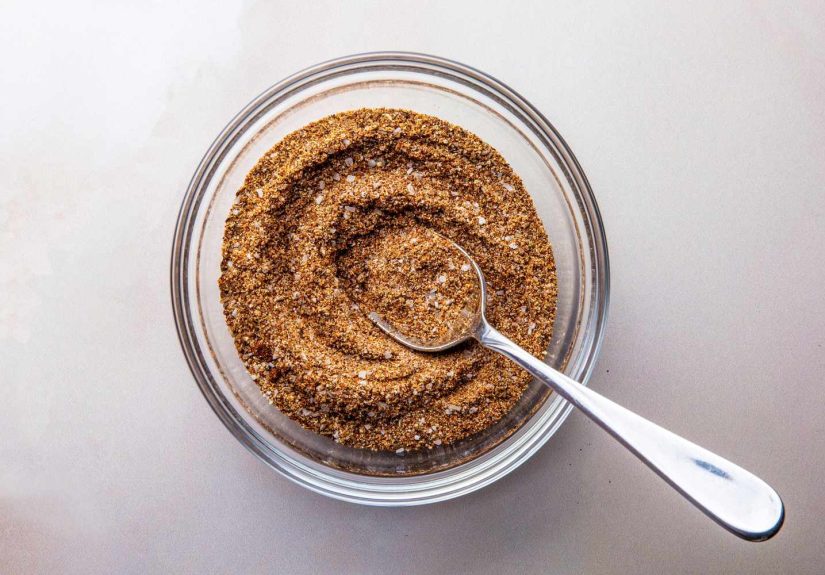
Montreal steak seasoning is a coarse spice blend known for being pepper-forward, garlicky, salty, and deeply savory. Unlike sweeter barbecue rubs, it usually skips sugar and leans into bold pantry spices that can stand up to high-heat grilling or pan searing. A typical Montreal steak seasoning recipe includes coarse salt, cracked black pepper, garlic, onion, paprika, coriander, dill, and red pepper flakes. Some cooks also add mustard powder for a little extra bite and depth.
The coarse texture matters. This is not supposed to be a whisper of dust floating sadly over a steak. It is meant to cling to the surface, help build a flavorful crust, and create those intensely seasoned bites around the edges that make everyone at the table suddenly forget basic manners. Fine powders can work in a pinch, but the best homemade steak seasoning has visible texture and a little swagger.
It also sits in the sweet spot between a dry rub and an all-purpose seasoning blend. It is assertive enough for beef, but not so aggressive that it bullies everything else on the plate. That is why a great Montreal steak seasoning recipe ends up doing double duty on burgers, roasted potatoes, grilled mushrooms, and even eggs if you are feeling adventurous before coffee.
Homemade Montreal Steak Seasoning Recipe
Prep time: 5 minutes
Yield: About 1/2 cup
Best for: Steak, burgers, pork chops, roasted potatoes, grilled vegetables
Ingredients
- 2 tablespoons coarse kosher salt
- 2 tablespoons coarsely ground black pepper
- 1 tablespoon paprika
- 1 tablespoon granulated garlic
- 1 tablespoon granulated onion
- 2 teaspoons crushed coriander seed
- 2 teaspoons dill seed, lightly crushed, or 1 teaspoon dried dill weed
- 1 teaspoon red pepper flakes
- 1 teaspoon dry mustard
Directions
- Add all ingredients to a small bowl or jar.
- Stir or shake until evenly combined.
- Taste a tiny pinch and adjust if needed. Add a little more black pepper for sharper bite, more paprika for warmth, or more red pepper flakes if you like heat.
- Store in an airtight jar in a cool, dry place.
How Much to Use
For steak, start with about 1 tablespoon of seasoning per pound of meat. Pat the steak dry first, then press the seasoning into the surface so it adheres well. For thick steaks, season at least 30 to 45 minutes ahead when possible. That little bit of patience helps the salt work its magic and gives the exterior a better shot at developing a dark, flavorful crust.
Why This Montreal Steak Seasoning Recipe Works
Coarse Salt Builds Flavor, Not Just Saltiness
Kosher salt gives the blend structure and helps draw flavor into the meat. It also seasons more evenly than dumping salt on at the last second like a panicked magician. If you only have fine table salt, reduce the amount because it is denser and can make the blend taste harsher than intended.
Black Pepper Is the Star
This is not one of those seasoning blends where pepper politely waits its turn. In a true Montreal-style blend, black pepper is front and center. It brings heat, aroma, and the classic steakhouse flavor people expect. Coarsely ground pepper works best because it gives the seasoning texture and character. Pre-ground fine pepper is acceptable in emergencies, but it is the spice-cabinet equivalent of showing up to a wedding in gym shorts.
Garlic and Onion Add Savory Backbone
Granulated garlic and granulated onion bring depth without moisture. Fresh garlic is wonderful in many things, but in a dry seasoning blend it is not invited. Granulated versions distribute more evenly, store better, and deliver the savory punch that makes this homemade steak seasoning taste rounded and complete.
Paprika Adds Warmth and Color
Paprika gives the blend a subtle earthy sweetness and a deep reddish color that looks terrific on steak. Regular paprika is the safest choice here because it supports the other spices without turning everything smoky. Smoked paprika is delicious, but it shifts the blend away from classic Montreal territory and into a different neighborhood entirely.
Coriander and Dill Make It Taste Like Montreal
This is where the blend gets its signature personality. Coriander adds a citrusy, almost floral warmth, while dill contributes that savory herbal note people often cannot identify but definitely notice when it is missing. Together, they give the seasoning its unmistakable edge and separate it from generic steak rubs that taste like salt, pepper, and an identity crisis.
Red Pepper and Mustard Keep It Interesting
Red pepper flakes bring a small spark of heat, and dry mustard adds a gentle tangy bite. Neither ingredient should dominate, but both help the blend taste more layered. If you prefer a milder steak seasoning recipe, cut the red pepper in half. If you love a little extra kick, add another half teaspoon and call it a confident life choice.
How to Use Montreal Steak Seasoning on Steak
1. Start With a Dry Surface
Pat the steak dry with paper towels before seasoning. Moisture is the enemy of a beautiful crust. A wet steak steams. A dry steak sears. The difference is not subtle.
2. Season Generously
Sprinkle the seasoning evenly over both sides and the fat cap. Press it in gently so the spices make full contact with the meat. This is not the time for timid behavior. Steak is thick, rich, and capable of handling real flavor.
3. Let It Sit if You Have Time
If dinner is already late and everyone is circling the kitchen like hungry sharks, you can cook the steak right away. But if you have 30 to 45 minutes, let the seasoned steak rest at room temperature or in the refrigerator uncovered for a short dry-brine effect. The flavor becomes more integrated, and the crust improves.
4. Cook Over High Heat
This blend shines on a grill, cast-iron skillet, or broiler because high heat helps the pepper, paprika, and garlic bloom on the surface of the meat. Think ribeye, strip steak, sirloin, or even steak tips. Use a thermometer if you want accuracy instead of the classic method of poking the steak and hoping for emotional clarity.
5. Let the Steak Rest
Rest the steak for 5 to 10 minutes after cooking so the juices redistribute. Then slice and serve. Yes, this waiting period feels rude. Do it anyway.
Beyond Steak: Other Delicious Ways to Use It
A good Montreal steak seasoning recipe is not a one-trick pony. It is more like a pantry overachiever. Here are a few smart ways to use it beyond steak night:
- Burgers: Mix a little into the meat or season the patties right before cooking.
- Pork chops: The peppery, garlicky profile works beautifully on grilled or pan-seared chops.
- Roasted potatoes: Toss with oil and seasoning before roasting for steakhouse-style potatoes.
- Vegetables: Mushrooms, onions, zucchini, and cauliflower all love this blend.
- Salmon: Use a lighter hand, but the savory spice mix can be fantastic on fish.
- Eggs: A pinch over scrambled eggs or breakfast potatoes is unexpectedly excellent.
That versatility is one of the biggest reasons people search for a homemade Montreal steak seasoning instead of buying a bottle. One small jar can upgrade half your weekly menu without forcing you to buy a specialty spice blend for every possible protein in existence.
Common Mistakes to Avoid
Using Fine Salt Without Adjusting
If you swap in table salt cup for cup, the blend can become too salty fast. Reduce the amount and taste before storing.
Grinding Everything Into Dust
Montreal seasoning should have texture. If it looks like taco seasoning powder, you have gone too far. Some cracked pepper and visible spice flakes are part of the appeal.
Using Stale Spices
If your paprika smells like cardboard and your pepper tastes like absolutely nothing, no recipe can rescue that situation. Fresh spices matter. Homemade seasoning blends only taste as good as the ingredients you start with.
Overcrowding the Pan
You can have the best steak seasoning recipe on the planet, but if you crowd the pan and steam the meat, you will still miss out on the crust. Give the steak space. It is not being dramatic. It needs room.
How to Store Homemade Steak Seasoning
Store your seasoning blend in an airtight jar or spice container in a cool, dark, dry place. A cabinet away from the stove is better than a shelf directly above it, where heat and steam slowly bully your spices into blandness. While the blend stays safe for quite a while, its peak flavor is best within several months, especially if your garlic, onion, and paprika were freshly opened when you made it.
If you make a double batch, label the jar with the date. This sounds extremely organized and impressive, and it also helps you remember whether your “new” spice blend was mixed two weeks ago or sometime during a previous presidential administration.
Frequently Asked Questions
Is Montreal steak seasoning spicy?
Usually mildly spicy. It is more peppery than hot. The red pepper flakes add warmth, but this is not a face-melting blend unless you decide to turn it into one.
Can I make a low-sodium version?
Yes. Reduce the salt and keep the other spices the same, but remember that salt does more than season. It also helps the blend taste balanced. If you cut it heavily, increase pepper, garlic, onion, and coriander a bit so the seasoning still feels full-bodied.
Is this the same as a steak dry rub?
Close, but not exactly. A steak seasoning is typically salt-forward with supporting spices, while many dry rubs contain more spice relative to salt and often include sugar. Montreal steak seasoning sits comfortably on the seasoning side of that line.
Conclusion
This Montreal steak seasoning recipe earns its keep because it is simple, practical, and ridiculously effective. It uses everyday spices, takes about five minutes to mix, and instantly makes steak taste more confident. Better still, it is customizable. You can make it hotter, saltier, more garlicky, or more herb-forward depending on your taste. That is the advantage of homemade seasoning: the bottle works for you, not the other way around.
If you want a homemade steak seasoning that delivers bold flavor without hiding the meat, this is the blend to keep on hand. Make one jar for yourself, one for backup, and possibly one to protect from the rest of the household once they discover it makes roasted potatoes suspiciously addictive. Dinner gets easier, steak gets better, and your spice cabinet suddenly has a clear overachiever.
Kitchen Notes and Real-World Experiences With Montreal Steak Seasoning
One of the most useful things about keeping a jar of homemade Montreal steak seasoning around is that it changes the way you cook on busy days. There is a special kind of relief that comes from knowing dinner still has a path to greatness even when the fridge looks uninspired. A steak, a few potatoes, a skillet, and a spoonful of this blend can turn a very average Tuesday into a meal that feels intentional. That is not marketing language. That is survival cooking with better outcomes.
The first time many people make a homemade Montreal steak seasoning recipe, they use it on beef and stop there. Then the experimentation begins. A little on burgers leads to a little on oven fries. Then someone shakes it over sautéed mushrooms and realizes they accidentally made the side dish that steals the show. Then it lands on scrambled eggs, because curiosity is powerful and breakfast deserves excitement too. This seasoning tends to spread through a kitchen the way good ideas do: quietly at first, then everywhere all at once.
There is also a noticeable difference between store-bought seasoning that has been open for ages and a fresh homemade batch. The homemade version smells alive. You open the jar and get pepper first, then garlic, then that herbal-citrusy lift from coriander and dill. It smells like dinner has a plan. By contrast, old spice blends often smell like a cabinet. That is not a flavor profile anyone should be aiming for. Freshness matters here more than people think, especially because this blend relies on aromatic spices rather than sugar or smoke to do the heavy lifting.
Another common experience is learning that restraint is not always the right instinct with steak. Many home cooks under-season expensive meat because they are afraid of ruining it. Then they slice into a beautiful ribeye and discover the center tastes like it never met the spices on the outside. Montreal steak seasoning works best when applied with confidence. Not recklessness. Confidence. Once you season the surface properly and let the steak cook over high heat, the crust becomes intensely savory while the inside stays rich and beefy. That contrast is the whole point.
This blend is also a favorite for casual entertaining because it makes you look more prepared than you really are. Guests show up, steaks hit the grill, and suddenly everyone starts asking what you used. The answer sounds almost too simple: salt, pepper, garlic, onion, paprika, coriander, dill, and a little heat. But that is the magic of balanced seasoning. Nothing in it is flashy on its own. Together, it tastes complete. It feels familiar, but better than expected.
There is a practical side to the experience too. A jar of homemade steak seasoning makes meal planning easier because it removes decision fatigue. Instead of wondering how to season meat, vegetables, or potatoes, you already have a strong option waiting. That matters more than fancy technique on weeknights. Great home cooking is often less about elaborate recipes and more about having a few reliable flavor tools that never let you down. This is one of those tools.
And finally, there is the gift factor. If you pour this seasoning into a small glass jar, add a simple label, and hand it to someone with a note that says “Put this on steak immediately,” it becomes a very respectable homemade gift. It is personal without being overly personal, useful without being boring, and delicious without needing a special occasion. Not bad for a recipe that starts with pantry spices and ends with people acting like you know exactly what you are doing.