Table of Contents >> Show >> Hide
- First: What Are Hives, Really?
- Before Any “Natural Remedy”: Know the Red Flags
- Natural Ways to Calm Hives (That Don’t Require a Chemistry Degree)
- 1) Go cold (but not “ice burn” cold)
- 2) Take a cool or lukewarm shower (hot water is a chaos agent)
- 3) Try a colloidal oatmeal bath (the “breakfast that helps your skin chill”)
- 4) Baking soda bath or paste (simple, not magical)
- 5) Wear loose, breathable clothing (let your skin breathe, literally)
- 6) Build a “don’t poke the bear” skin routine
- 7) Calm the itch without scratching
- Natural Prevention: Become a Trigger Detective (Without Going Full Conspiracy Board)
- Stress, Sleep, and Hives: The Unsexy (But Useful) Layer
- What About “Natural” Topicals and Supplements?
- When Natural Steps Aren’t Enough: The Smart Add-On Plan
- A Simple 24-Hour “Hive Calm” Routine
- FAQ: The Questions Everyone Googles at 2:00 a.m.
- Real-World Experiences: What People Commonly Notice When Treating Hives Naturally
- Conclusion
Hives (aka urticaria) are like that one friend who shows up uninvited, eats all your snacks, and leaves without saying goodbyeexcept they do it on your skin. One minute everything is fine; the next you’ve got itchy, raised welts that seem to move around like they’re playing tag.
The good news: many hive flare-ups calm down with simple, low-risk “natural” steps that focus on cooling the skin, protecting the skin barrier, and avoiding common aggravators. The smarter news: sometimes hives are your body’s way of waving a tiny red flag that says, “Hey, can we talk?”especially if symptoms are severe, keep returning, or come with swelling or breathing trouble.
First: What Are Hives, Really?
Hives are raised, often itchy welts that can look pink, red, or skin-colored. They may appear in clusters, change shape, and show up in new places as older welts fade. This happens when certain immune cells release chemicals (especially histamine), causing fluid to leak into the skin.
Acute vs. chronic hives
- Acute hives last less than 6 weeks (many resolve within hours to days).
- Chronic hives persist (on and off) for more than 6 weeks and often need a more structured plan.
Hives vs. angioedema
Some people also get angioedemadeeper swelling, often around the lips, eyelids, hands, feet, or genitals. It can be uncomfortable, and in some cases (especially if the tongue or throat is involved) it can be dangerous.
Before Any “Natural Remedy”: Know the Red Flags
Most hives are annoying rather than dangerous. But if you have hives plus any of the symptoms below, treat it as an emergency:
- Shortness of breath, wheezing, chest tightness, or trouble breathing
- Swelling of the tongue, throat, or inside the mouth
- Dizziness, fainting, confusion, or signs of low blood pressure
- Severe abdominal pain, repetitive vomiting, or rapidly worsening symptoms
Those can be signs of anaphylaxis, a life-threatening allergic reaction that needs immediate medical care. If you have prescribed epinephrine, use it as directed and get emergency help right away.
Natural Ways to Calm Hives (That Don’t Require a Chemistry Degree)
These approaches focus on doing three things well: cool the skin, reduce irritation, and break the itch-scratch cycle. They’re generally safe for mild hives, and they play nicely alongside medical treatment when needed.
1) Go cold (but not “ice burn” cold)
Heat often makes hives angrier. Cooling helps reduce itching and swelling for many people.
- Run a clean washcloth under cool water, wring it out, and apply for 10–20 minutes.
- Repeat a few times a day, especially during the “I want to scratch my skin off” phase.
- Tip: Don’t place ice directly on skin. Wrap it in cloth first.
If you suspect you have cold-triggered hives (symptoms get worse with cold exposure), skip the cold compress and choose lukewarm options instead.
2) Take a cool or lukewarm shower (hot water is a chaos agent)
A cool or comfortably lukewarm shower can reduce itch intensity. Keep it gentle:
- Avoid long, hot showers.
- Use fragrance-free cleanser (or skip soap on irritated areas).
- Pat drydon’t rub like you’re trying to start a campfire.
3) Try a colloidal oatmeal bath (the “breakfast that helps your skin chill”)
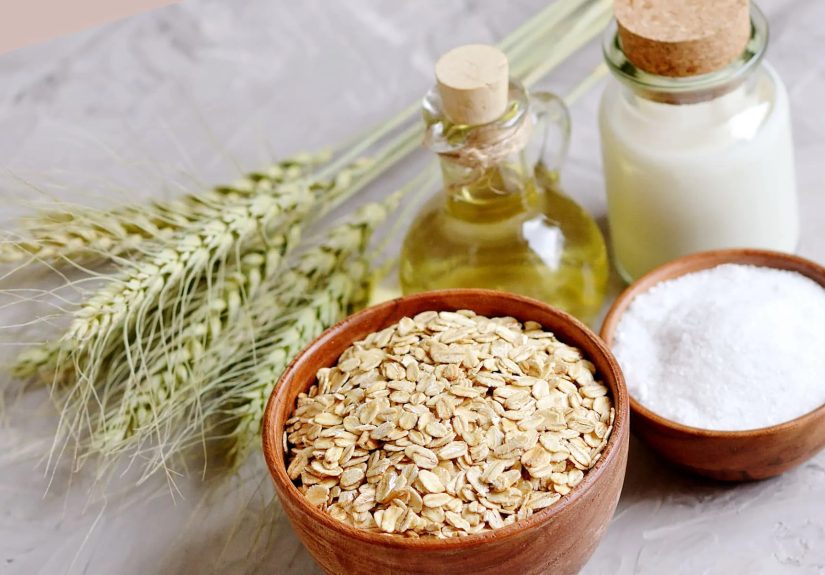
Colloidal oatmeal is finely ground oat that disperses in water. Many people find it soothing for itchy, irritated skin. If you’re not allergic to oats, it’s a classic comfort move.
- Use lukewarm water.
- Add colloidal oatmeal (store-bought) or finely ground plain oats.
- Soak for 10–15 minutes.
- Rinse lightly and pat dry.
- Moisturize right after (within a few minutes) to lock in water.
Skip this if you have an oat allergy or if warm water clearly worsens your hives.
4) Baking soda bath or paste (simple, not magical)
Some clinicians suggest baking soda in bath water for short-term itch relief. Think of it as “cheap, accessible, might help” rather than “cures hives forever.”
- Add a small amount to lukewarm bath water and soak briefly.
- Or make a mild paste with water, apply to a small area first, and rinse off if irritation occurs.
5) Wear loose, breathable clothing (let your skin breathe, literally)
Pressure and friction can trigger or worsen certain kinds of hives. Tight waistbands, scratchy fabrics, and sweaty gym gear can keep the party going.
- Choose loose cotton or soft performance fabric that doesn’t rub.
- Avoid tight straps, tight socks, and compression clothing during flares.
- If you sweat, change clothes promptly and rinse off with lukewarm water.
6) Build a “don’t poke the bear” skin routine
When your skin is reactive, it’s not the moment for new scented body washes, exfoliating scrubs, or a “fun” essential oil experiment.
- Use fragrance-free moisturizer after bathing (creams or ointments often work best).
- Choose gentle, fragrance-free detergent; skip fabric softeners if they irritate you.
- Keep nails trimmed to reduce skin damage if you do scratch.
7) Calm the itch without scratching
Scratching gives temporary relief and long-term regret. It can inflame skin, trigger more itch, and sometimes lead to discoloration or broken skin. Try these instead:
- Cool compress on the itchiest spots.
- Tap or press the skin (gentle pressure) instead of scratching.
- Keep hands busystress ball, phone game, folding laundry (yes, even that counts as therapy).
- At night: light cotton gloves or trimmed nails can reduce damage during sleepy scratching.
Natural Prevention: Become a Trigger Detective (Without Going Full Conspiracy Board)
If you can identify what sets off your hives, avoiding triggers is often the most effective “natural treatment” there is. The tricky part is that triggers can be obvious (shrimp) or sneaky (heat + stress + tight jeans + that one new detergent).
Common hive triggers to consider
- Foods (especially if symptoms start soon after eating): nuts, eggs, shellfish, and other personal allergens.
- Medications: antibiotics can trigger allergic hives; some people notice worse hives with aspirin/NSAIDs.
- Infections: viral illnesses can coincide with outbreaks.
- Temperature: heat, cold, hot showers, or rapid temperature shifts.
- Pressure/friction: tight clothes, straps, prolonged sitting, or scratching.
- Exercise and sweating (especially in warm environments).
- Stress: not “all in your head,” but stress can make skin more reactive.
- Alcohol and spicy foods: may worsen flushing and itch in some people.
A simple hive diary that actually gets used
Keep it low effort. In your notes app, log:
- When the hives started and how long they lasted
- Food/drinks in the previous 4–6 hours
- Medications/supplements taken that day
- Heat, exercise, stress level, new skin products, laundry detergent changes
- Photos (helpful if hives vanish before you see a clinician)
Patterns often show up after a few entries. If hives are frequent or severe, bring the diary to a clinicianyour future self will thank you.
Stress, Sleep, and Hives: The Unsexy (But Useful) Layer
Stress management won’t replace medical care when needed, but it can reduce the “reactivity fuel” for some peopleespecially with chronic hives. Think of stress reduction as turning down the background noise so your skin is less likely to overreact.
Practical ways to lower flare potential
- Cooling bedtime routine: keep the bedroom cool, choose breathable bedding, avoid hot baths right before sleep.
- Short breathing reset: 4 seconds inhale, 6 seconds exhale, repeat for 2–5 minutes.
- Gentle movement: easy walk or stretchingavoid overheating during a flare.
- Sleep basics: consistent bedtime, limit alcohol, reduce late-night spicy meals if they worsen symptoms.
What About “Natural” Topicals and Supplements?
The internet is overflowing with hive hacks. Some are harmless; some are irritating; some are “please don’t put that on your skin.” Here’s a grounded way to think about it:
Low-risk topical options (still patch test)
- Pure aloe vera gel may feel cooling for some people, but results vary.
- Plain, fragrance-free moisturizers support the skin barrier (often more helpful than trendy DIY mixes).
Use caution with these
- Essential oils: common irritants and allergy triggers, especially on inflamed skin.
- Apple cider vinegar: acidic and can burn or irritate, particularly on broken skin.
- “Detox” supplements: limited evidence and potential interactions with medications.
If you want to try something new, do a patch test on a small area first. If it stings, burns, or worsens redness, stop. When your skin is already mad, “spicy skincare” is not the vibe.
When Natural Steps Aren’t Enough: The Smart Add-On Plan
Let’s be honest: the most effective treatment for many cases of hivesespecially chronic hivesisn’t a secret herb grown under a full moon. It’s often a structured plan with non-drowsy, second-generation antihistamines, used correctly and consistently, plus trigger management and follow-up.
When to consider medical evaluation
- Hives last longer than 6 weeks (possible chronic urticaria).
- You have frequent recurrences or symptoms interfere with sleep/work.
- You have angioedema (swelling), especially of face/lips/eyes.
- You suspect a medication or food trigger.
- You’ve had emergency symptoms (breathing trouble, throat swelling, fainting).
A clinician can help confirm whether you’re dealing with hives or a different rash, review medications that may aggravate symptoms, and outline a stepwise approach. Natural strategies still matterthey just become part of a broader plan.
A Simple 24-Hour “Hive Calm” Routine
If you’re in the middle of a flare and want a practical plan that doesn’t require a shopping spree, try this:
Morning
- Lukewarm shower, fragrance-free cleanser (or minimal soap).
- Moisturize right after.
- Dress in loose, breathable clothing.
Midday
- Cool compress on itchy areas (10–20 minutes).
- Hydrate, avoid overheating, take a quick walk instead of a sweaty workout.
- Log triggers if this is recurring.
Evening
- Cool or lukewarm bath; consider colloidal oatmeal if tolerated.
- Moisturize; keep nails trimmed.
- Cool sleeping environment; breathable pajamas.
FAQ: The Questions Everyone Googles at 2:00 a.m.
How long do hives usually last?
Individual welts may fade within hours, while new ones can appear. A single episode can last a day or a few days. If hives persist or recur for more than 6 weeks, it’s considered chronic and deserves a clinician’s input.
Are hives contagious?
Hives themselves aren’t contagious. If an infection is the trigger, the infection may be contagiousbut the hives are your personal immune system’s overreaction.
Should I exercise with hives?
If exercise and heat worsen your symptoms, keep activity gentle and cool until the flare settles. If you’ve ever had breathing symptoms, throat swelling, or severe reactions, get medical guidance before pushing intensity.
Do I need allergy testing?
Sometimes. If episodes are clearly linked to specific foods, medications, stings, or exposures, an allergist can help. For many cases of chronic hives, a single identifiable trigger isn’t foundbut management can still be very effective.
Real-World Experiences: What People Commonly Notice When Treating Hives Naturally
Everyone’s skin has its own personalitysome are laid-back, some are dramatic, and some are basically one bad day away from staging a full production of “Les Misérables: The Itchy Remix.” Below are common experiences people report when they lean into natural, practical hive management. Think of these as “lessons learned” rather than medical guarantees.
Experience #1: The Cool Compress Convert
A lot of people start with lotions, powders, and hopeful vibes… and then discover the humble cool compress is the MVP. The pattern is usually the same: itching peaks, someone finally tries a cool, damp cloth for 15 minutes, and suddenly the urge to scratch drops from a 10 to a 6. It doesn’t always erase hives, but it makes the moment more livableespecially before bed, when itching likes to audition for “most annoying symptom.” The biggest “aha” is realizing that heat was quietly making everything worse: hot showers, a warm room, or a heavy blanket.
Experience #2: Oatmeal Baths Feel Great… Until They Don’t
Many people love oatmeal baths because they feel soothing and reduce that prickly, crawling itch. The most common success story involves three details: keeping the water lukewarm, not soaking too long, and moisturizing afterward. The most common failure story is also three details: the bath is too warm, the soak is too long, and the person skips moisturizerthen wonders why their skin feels even itchier later. A smaller group learns (the hard way) that they’re sensitive to oats or to fragranced “oatmeal” products, which can backfire. Moral of the story: simple is best, and patch testing isn’t just for fancy skincare people.
Experience #3: The Trigger Diary That Solves the Mystery (Eventually)
When hives recur, people often swear it’s “random”… until they jot down a few notes and spot a pattern: outbreaks after a certain pain reliever, after a hot yoga class, during high-stress weeks, or after wearing tight, scratchy clothing all day. The diary doesn’t need to be perfect to be useful. Even a few entries can highlight “repeat offenders.” People also notice a helpful mindset shift: instead of feeling powerless, they gain a short list of things to avoid while the skin calms down. It becomes less about “curing hives naturally” and more about “making flare-ups rarer and milder.”
Experience #4: Stress Isn’t the Cause, But It’s a Volume Knob
Plenty of people resist the stress connection because it can sound dismissivelike someone is saying the hives are imaginary. But what they often find is that stress changes the intensity: hives feel itchier, last longer, or flare more easily after poor sleep, deadlines, family conflict, or travel fatigue. Once people treat stress like a practical factor (cool room, consistent sleep, short breathing breaks, gentle movement), they sometimes see fewer “mystery” flare days. It’s not magical. It’s more like: when your system is already overloaded, your skin gets less patient.
Experience #5: Knowing When to Stop DIY-ing Is a Skill
One of the most valuable experiences people report is recognizing the line between “mild hives I can manage” and “this needs medical help.” If hives keep returning, last beyond six weeks, involve swelling of the face or lips, or disrupt sleep and work, many people wish they’d sought guidance sooner. The upside is that a clinician can confirm the diagnosis, rule out look-alikes, and recommend a stepwise plan and natural strategies still fit neatly alongside it. The goal isn’t to win a “no-meds” contest. The goal is to feel safe, sleep well, and stop letting your skin run your calendar.
Conclusion
Natural ways to treat hives work best when they’re practical: cool the skin, avoid heat and friction, protect your skin barrier, and become a low-key detective about triggers. For many mild cases, that’s enough to get relief and let the flare fade out. If hives are severe, recurrent, or last beyond six weeksor if you have swelling or breathing symptomsbring in a clinician. Your skin can be dramatic, but you don’t have to be.