Table of Contents >> Show >> Hide
- What’s Actually Happening in Obstructive Sleep Apnea?
- Common Signs and Symptoms
- What Causes Obstructive Sleep Apnea?
- Why Treating OSA Matters
- How OSA Is Diagnosed (Quick but Important)
- Obstructive Sleep Apnea Treatments: What Works (and for Whom)
- 1) Positive Airway Pressure (PAP): CPAP, APAP, and BiPAP
- 2) Oral Appliances (Mouthpieces)
- 3) Lifestyle and “Airway-Friendly” Habits
- 4) Positional Therapy
- 5) Surgery (When Anatomy Is a Key Driver)
- 6) Hypoglossal Nerve Stimulation (Upper Airway Stimulation)
- 7) Medication Option for a Specific Group: Tirzepatide (Zepbound)
- How to Choose the Right Treatment Plan
- Real-Life Experiences With OSA (About )
- Conclusion
Obstructive sleep apnea (OSA) is when your airway repeatedly narrows or closes while you sleep, causing breathing pauses, oxygen dips, and tiny “micro-wakeups” that keep your brain from getting the deep rest it ordered. Think of it like your throat briefly turning into a flimsy cardboard strawfine in daylight, mysteriously dramatic at 2:17 a.m.
OSA isn’t just “loud snoring.” It can affect energy, mood, blood pressure, heart health, and safety (like drowsy driving). The good news: there are effective treatmentsfrom CPAP and oral appliances to targeted surgery and newer options for people with obesity. Let’s break it down in a clear, practical way.
What’s Actually Happening in Obstructive Sleep Apnea?
When you fall asleep, the muscles in your throat relax. In OSA, that relaxation plus your anatomy and risk factors can cause the soft tissues (tongue, soft palate, throat walls) to sag backward and partially or fully block airflow. Your chest keeps trying to breathe, but air can’t move well. Your oxygen level drops, your brain hits the alarm, and you wake up just enough to reopen the airwayoften without remembering it.
This cycle may happen dozens of times per hour. You might wake up feeling like you “slept” all night, yet somehow also like you fought a raccoon for your pillow.
Common Signs and Symptoms
People often suspect OSA because of snoringbut symptoms can be sneaky, and some people with OSA don’t snore loudly. Common clues include:
- Loud snoring, often with pauses, gasps, or choking sounds
- Waking up unrefreshed, even after a full night in bed
- Morning headaches or dry mouth
- Daytime sleepiness, “brain fog,” or irritability
- Trouble concentrating or memory lapses
- Nighttime urination (getting up multiple times)
Real-life example: A person might think they have “insomnia” because they wake up repeatedlybut the actual culprit is breathing interruptions they don’t remember. Meanwhile, their partner becomes an unwilling audio engineer, tracking snoring patterns like it’s a true-crime podcast.
What Causes Obstructive Sleep Apnea?
OSA is usually caused by a mix of anatomy + muscle relaxation during sleep + risk factors that make airway collapse more likely.
1) Airway anatomy and “tight space” issues
Some people naturally have a narrower upper airway. Common anatomical contributors include enlarged tonsils (especially in children), a large tongue, a small or recessed jaw, a high-arched palate, or soft tissues that crowd the throat.
2) Excess weight and fat distribution
Carrying extra weightparticularly around the neck and upper bodycan increase soft tissue around the airway and make collapse more likely. Not everyone with OSA has obesity, but obesity is a major risk factor.
3) Sleeping position
Back-sleeping can worsen OSA because gravity encourages the tongue and soft palate to fall backward. Many people have “positional OSA,” meaning symptoms are significantly worse on their back than on their side.
4) Alcohol, sedatives, and certain medications
Alcohol and sedatives relax airway muscles and can blunt the brain’s ability to respond to breathing problemsmaking apneas longer or more frequent. If you drink in the evening and your snoring suddenly gets “award-winning,” that’s not your airway leveling up. It’s chemistry.
5) Nasal congestion and breathing through the mouth
Chronic congestion (allergies, deviated septum, sinus issues) can increase resistance and encourage mouth-breathing, which may worsen airway collapse in some people.
6) Age, hormones, and family history
Risk increases with age. Hormonal changes (including menopause) can affect airway stability. OSA also tends to run in families, suggesting genetic and shared anatomical factors.
7) Smoking and inflammation
Smoking can irritate and inflame the upper airway, potentially increasing swelling and narrowing.
Why Treating OSA Matters
Untreated OSA is linked to higher risks of high blood pressure and cardiovascular problems, and it can seriously affect quality of life. Even if you’re “used to being tired,” your body shouldn’t have to run every night like a security guard doing hourly rounds.
Also: drowsy driving is a real danger. If you regularly struggle to stay awake while driving, that’s a medical red flag, not a personality trait.
How OSA Is Diagnosed (Quick but Important)
Diagnosis usually involves a sleep studyeither in a sleep lab (polysomnography) or at home (home sleep apnea testing) depending on your situation and medical history. Your results often include an index of breathing events per hour (commonly called the AHI), which helps guide treatment choices.
If you suspect OSA, a clinician can also look for contributing issues like nasal obstruction, enlarged tonsils, jaw anatomy, and other conditions that affect breathing during sleep.
Obstructive Sleep Apnea Treatments: What Works (and for Whom)
Treatment is not one-size-fits-all. The best plan depends on severity, anatomy, symptoms, and what you can realistically stick with. The “best” treatment is the one that works and you’ll actually use.
1) Positive Airway Pressure (PAP): CPAP, APAP, and BiPAP
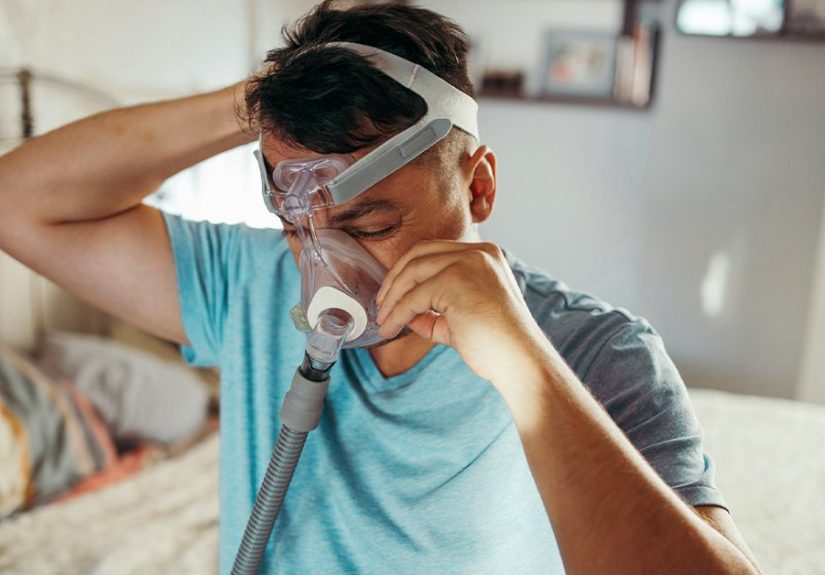
PAP therapy is the most common and effective treatment, especially for moderate-to-severe OSA. A machine gently pushes air through a mask to keep the airway open.
- CPAP: continuous pressure all night
- APAP: automatically adjusts pressure based on your breathing
- BiPAP/BPAP: different pressures for inhaling vs. exhaling (used in certain cases)
What PAP is great at: Preventing airway collapse reliably, improving oxygen levels, reducing snoring, and improving daytime sleepiness for many people.
Common hurdles (and how people get past them): Mask discomfort, dryness, leaks, or feeling “claustrophobic.” These are often fixable with better mask fitting, humidification, pressure adjustments, or trying a different mask style (nasal, nasal pillows, full-face). Many people need a few iterationslike trying on jeansexcept the jeans go on your face and you wear them to sleep. Fashion is wild.
2) Oral Appliances (Mouthpieces)
Oral appliance therapy uses a custom-fitted device (often made by a dentist trained in dental sleep medicine) to move the lower jaw forward and keep the airway more open. These are commonly used for mild-to-moderate OSA or for people who can’t tolerate CPAP.
Pros: Small, portable, no hose, often easier for travel.
Cons: Not ideal for everyone; can cause jaw discomfort, bite changes, or tooth issues if not properly fitted and followed.
3) Lifestyle and “Airway-Friendly” Habits
These strategies can improve OSAand can make other treatments work better, too:
- Weight management: Even modest weight loss can reduce OSA severity for some people.
- Exercise: Supports weight, cardiovascular health, and sleep quality.
- Avoid alcohol/sedatives near bedtime: Helps keep airway muscles more stable.
- Treat nasal congestion: Managing allergies or structural nasal blockage may improve breathing comfort (especially with PAP).
- Sleep position changes: Side-sleeping can reduce events in positional OSA.
Specific example: Someone with mild OSA who mainly has events on their back might see a noticeable improvement with positional therapy plus weight managementwhile someone with severe OSA usually needs PAP or another primary therapy, with lifestyle changes as a powerful sidekick.
4) Positional Therapy
For positional OSA, devices or strategies that keep you off your back can reduce breathing events. Some people use specialized pillows, wearable vibration devices, or structured “train yourself to side-sleep” approaches. (Old-school methods exist toobut let’s just say strapping a tennis ball to your pajamas is more “effective” than “elegant.”)
5) Surgery (When Anatomy Is a Key Driver)
Surgery is usually considered when there’s a correctable anatomical cause, when other treatments fail, or as part of a multi-step plan. Options may include:
- Tonsillectomy/adenoidectomy: Especially common and effective in children with enlarged tonsils/adenoids.
- Nasal surgery: May improve airflow and PAP tolerance in selected patients.
- UPPP (uvulopalatopharyngoplasty): Removes/reshapes tissue in the throat; results vary by anatomy.
- Maxillomandibular advancement (MMA): Moves the jaw forward to enlarge airway space; often effective in selected cases.
6) Hypoglossal Nerve Stimulation (Upper Airway Stimulation)
This is an implanted device for certain adults with moderate-to-severe OSA who cannot tolerate PAP and meet specific criteria. It stimulates the nerve controlling tongue movement during sleep, helping keep the airway open.
This isn’t for everyone, and evaluation is specialized, but it can be a meaningful option for the right patientespecially when CPAP just isn’t happening no matter how many masks are auditioned.
7) Medication Option for a Specific Group: Tirzepatide (Zepbound)
Historically, OSA treatment focused on devices, lifestyle changes, and surgery. Recently, the FDA approved tirzepatide (Zepbound) as the first medication for moderate-to-severe OSA in adults with obesity, used alongside a reduced-calorie diet and increased physical activity.
Important nuance: this approval applies to a defined group (adults with obesity and moderate-to-severe OSA). It’s not a “universal sleep apnea pill,” and it’s not a replacement for PAP for everyone. But it represents a new toolespecially for people whose OSA is strongly tied to obesity and who are appropriate candidates for this therapy under medical supervision.
How to Choose the Right Treatment Plan
Here’s a practical way clinicians often think about OSA treatment:
- Moderate-to-severe OSA: PAP is usually first-line because it’s consistently effective.
- Mild-to-moderate OSA: PAP or a custom oral appliance may both be options; lifestyle and positional therapy matter.
- Clear anatomical blockage: Consider ENT evaluation; surgery may help in selected cases.
- PAP intolerance: Oral appliance, positional therapy, targeted surgery, or hypoglossal nerve stimulation may be considered depending on eligibility.
- OSA + obesity: Weight management is important; medication-assisted weight loss may be part of the plan for appropriate patients.
Tip that saves time (and frustration): If your first treatment attempt doesn’t feel right, don’t assume “it failed.” Many solutions require fine-tuningmask fit, pressure settings, humidity, mouth leaks, or switching device types. Success often looks less like “instant magic” and more like “small upgrades that add up.”
Real-Life Experiences With OSA (About )
People’s experiences with obstructive sleep apnea often start long before the diagnosissometimes years. A common story is, “I thought I was just stressed” or “I blamed my schedule.” Many people normalize exhaustion until something forces the issue: a partner notices breathing pauses, a smartwatch flags odd oxygen dips, or daytime sleepiness becomes impossible to ignore.
The diagnosis moment can be equal parts relief and disbelief. Relief because there’s finally an explanation for the fatigue, headaches, mood swings, or brain fog. Disbelief because the person might not remember waking up at nightyet their sleep study shows frequent breathing events. It’s not unusual to hear, “But I sleep all night!” followed by the clinician gently explaining: “Your brain is waking up all night. You just don’t get the receipts.”
Trying CPAP for the first time is also a classic chapter. Some people love it immediatelylike putting on noise-canceling headphones for their airway. They wake up feeling sharper within days. Others need an adjustment period. The most common early complaints are mask discomfort, air leaks, dry nose or throat, and feeling like they’re “fighting the air.” The fix is often customization: a different mask style, a heated humidifier, a ramp setting that eases pressure in gradually, or adjusting the fit so it seals without squeezing your face like a stress ball.
Partners and families often notice changes fast. Snoring quiets down, gasping stops, and the bedroom becomes less like a nightly sound effects demo. Many couples report an unexpected bonus: fewer middle-of-the-night nudges and fewer “Are you okay?” wakeups. (You know things are improving when nobody is Googling “Is this snore normal?” at 3 a.m.)
Oral appliances tend to feel less intimidating because they’re small and simple. People often describe them as “like a sports mouthguard, but with a job.” Travel is easier, and some people prefer them for mild-to-moderate OSA. The tradeoff is that they can cause jaw soreness at first, and they require follow-up to ensure the bite and teeth stay healthy over time.
Lifestyle changes are where people see the “stacking effect.” Someone might start walking regularly, cut back on alcohol near bedtime, treat allergies, and side-sleep more consistentlyand suddenly their sleep feels less fragmented, even if they still use CPAP or an oral appliance. Many people find motivation once they connect the dots: treating OSA isn’t just about snoring; it’s about energy, mood, and long-term health.
The biggest takeaway from real-world stories: OSA treatment is rarely about perfection. It’s about progressfinding the combination you can stick with, then optimizing it until sleep stops feeling like a nightly obstacle course.
Conclusion
Obstructive sleep apnea is common, treatable, and worth taking seriously. It’s caused by repeated upper-airway collapse during sleepoften influenced by anatomy, weight, sleep position, alcohol/sedatives, congestion, age, and genetics. Treatments range from PAP therapy (CPAP/APAP/BiPAP) and oral appliances to positional therapy, lifestyle changes, surgery, and (for adults with obesity and moderate-to-severe OSA) an FDA-approved medication option.
If you suspect OSA, don’t settle for “I’m just tired.” A proper evaluation and a personalized plan can protect your healthand make mornings feel less like a prank.