Table of Contents >> Show >> Hide
- Wait, when did hemlines get so short again?
- Ground rules: mini, but not terrifyingly mini
- How to wear a minidress at every age
- Where are we actually wearing these minis?
- Styling minis for different body types
- Seasonal mini-dress strategies
- Common mini-dress mistakes (and how we’re not making them)
- Real-life mini-dress experiences: what actually works
- So, minis are back. Now what?
Somewhere between “Is it too cold for bare legs?” and “Do I own any normal-length clothes anymore?” the minidress quietly took over again. Runways went shorter, street style followed, and suddenly everyone is back to asking the same question: Can I really wear a mini… now?
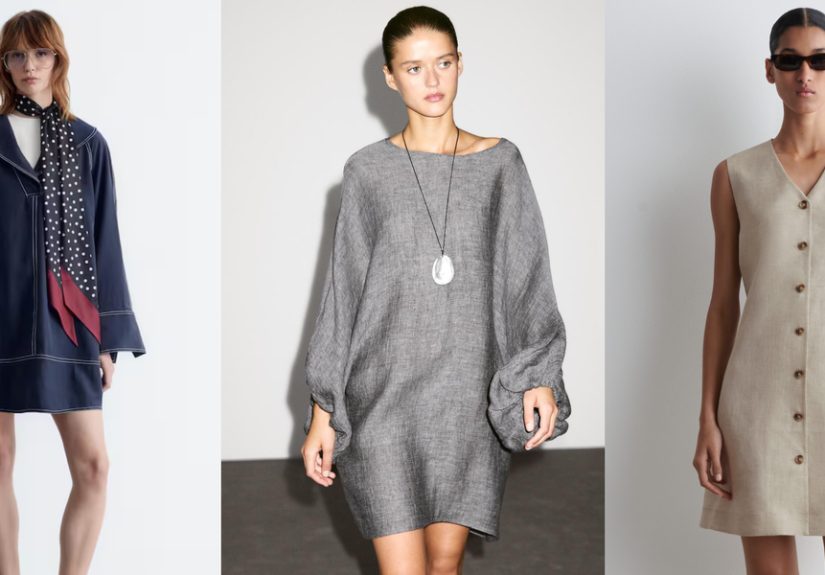
Short answer: yes. Long answer: yes, but with strategy. The modern minidress isn’t just a going-out uniform for 20-somethings. It’s a legit wardrobe staple you can style for brunch, date night, vacation, and even certain officesif you know what you’re doing. Think of this as your calm, practical friend walking you through the chaos of tiny hemlines.
We’ll talk about how to choose the right length, how to style minidresses at different ages, what shoes actually work, and how to avoid feeling like you’re tugging your outfit down all day. Minis are back, but panic is optional.
Wait, when did hemlines get so short again?
Fashion moves in cycles, and hemlines are basically on a roller coaster. We’ve had years of ankle-grazing midis and maxis, and now designers have swung the pendulum right back to ’60s-inspired minis and early 2000s vibes. Mod silhouettes, bubble hems, sequined party minis, sheer layers over slipsif it’s short and a little nostalgic, it’s in.
At the same time, everyday style has loosened up. Social feeds are full of people pairing casual minidresses with sneakers, loafers, and flat boots. The vibe has shifted from “try-hard club look” to “confident, fun, and styled.” That’s good news for anyone who wants to try a mini without feeling like they’re headed to a 2 a.m. dance floor.
The big difference with minidresses now
What makes the new minidress era easier to wear is the styling. Instead of minis + sky-high stilettos + tiny clutch, you’re seeing:
- Minidresses with oversized blazers for balance
- Short, structured dresses with flat boots or loafers
- Sheer or cutout minis layered over slips, bodysuits, or tights
- Relaxed fits that skim the body instead of bodycon everything
In other words: less “club flyer” and more “effortlessly put together.” That’s the energy we’re going for.
Ground rules: mini, but not terrifyingly mini
You don’t need a tape measure and a spreadsheet to wear a minidressbut a few simple guidelines can keep you out of the “why did I wear this?” danger zone.
1. Find your comfort hemline
Everyone has a personal comfort level. For some, that’s mid-thigh. For others, it’s just above the knee. Try this:
- Stand naturally, shoulders relaxed.
- Look at where your fingertips land. A chic, wearable mini usually hits an inch or two below that.
- If you sit, bend, or climb stairs a lot, add another inch of length for safety.
If you feel like you need to constantly tug your dress down, it’s not “fashionably daring,” it’s just annoying. Your ideal minidress should let you forget about it once you leave the house.
2. Check the fabric and fit
Two minis can be the same length and feel completely different. Why? Fabric and cut.
- Structured fabrics (twill, denim, jacquard) feel more secure and polished.
- Stretchy, bodycon knits can ride up and show every line. Great if you love that; stressful if you don’t.
- A-line or shift shapes are forgiving and easy to style at any age.
If a dress feels painted on and you’re already nervous in front of the mirror, that’s your sign to try a slightly looser silhouette.
3. Do the “real life” test
Before committing, do a 60-second at-home test in your minidress:
- Walk around.
- Sit on a chair and on a low surface.
- Go up a step.
- Reach for something above your head.
If the hem tries to migrate north or you’re flashing more than you’d like, it’s not the oneor it needs backup from tights, shorts, or a longer layer.
4. Don’t forget what’s underneath
With minis, your undergarments are part of the strategy. Think:
- Seamless boyshorts or bike shorts for security.
- Slip shorts if your dress is flowy or unlined.
- Nude-to-you tones if the fabric is light or slightly sheer.
You’ll walk a lot more confidently when you’re not worried about a surprise gust of wind.
How to wear a minidress at every age
Let’s retire the idea that minidresses have an expiration date. The trick isn’t age; it’s proportion and styling.
In your 20s: experiment freely
This is your trial-and-error era. Try different lengths, fits, and aesthetics:
- Pair fun minis with platforms or chunky boots for nights out.
- Wear sporty T-shirt minidresses with sneakers for daytime.
- Test prints, cutouts, and bold colors to see what feels like “you.”
But even now, learning what actually feels comfortable and wearable will save you from a lot of “I hated my outfit all night” memories.
In your 30s and 40s: balance is everything
By this point you probably know what you likeand what you’d rather not return to. The key is balance:
- If the hem is short, keep the neckline more modest.
- Throw on an oversized blazer, trench, or long cardigan to add structure.
- Swap stilettos for block heels, loafers, or knee-high boots for a modern, polished look.
Think: sleek knit minidress, tall boots, trench coat. It’s chic, confident, and doesn’t try too hard.
In your 50s, 60s, and beyond: own it your way
There is no age where you’re “too old” for a minidress. There is only “too uncomfortable” or “not my style.” For a timeless, elevated mini look:
- Choose thicker, high-quality fabrics that skim the body.
- Opt for long sleeves or higher necklines to balance the shorter length.
- Use opaque tights or knee-high boots if you prefer a bit more coverage.
The goal here isn’t to look like anyone elseit’s to look like the most confident version of you, in a dress you genuinely enjoy wearing.
Where are we actually wearing these minis?
Different settings = different mini strategies. Let’s break it down.
1. Date night
For a date, you want flirty but not fussy.
- Try a wrap or skater-style minidress that moves with you.
- Add block-heel sandals or boots you can actually walk in.
- Top with a leather jacket or blazer so you’re not freezing.
You should be thinking about the conversation, not whether your dress is riding up.
2. Daytime errands and brunch
Casual minis are your secret weapon on warm days:
- Throw on a T-shirt mini with white sneakers and a crossbody bag.
- Try a shirt-dress mini with flat sandals and a straw tote in summer.
- Add a denim jacket or oversized cardigan for unpredictably air-conditioned spaces.
Keep the fabrics breathablecotton, linen blends, soft knitsso you’re comfortable from coffee to grocery run.
3. Work (yes, sometimes)
Not every workplace is mini-friendly, but in more relaxed or creative environments, it can be done:
- Choose a longer mini: closer to just above the knee than mid-thigh.
- Layer with opaque tights or leggings.
- Add a longline blazer, cardigan, or vest to tone it down.
- Stick with flats, low heels, or loafers instead of sky-high sandals.
If you’re wondering whether it’s appropriate, it probably needs either more length or more layering.
Styling minis for different body types
There’s no one “mini body.” The right details can help you feel more at ease in yours.
If you’re curvy
- Look for A-line or skater minis that skim your hips instead of clinging.
- Square, scoop, or wrap necklines can highlight your upper body nicely.
- Structured fabrics help avoid that “riding up” feeling around the hips.
If you’re petite
- Shorter hemlines can actually make your legs look longer.
- Try monochrome looksmatching dress and shoesto lengthen your frame.
- Delicate heels or pointed flats can add a bit of height without sacrificing comfort.
If you’re tall
- Don’t be surprised if everything looks shorter on youconsider sizing up for length.
- Look for brands that offer tall fits or specifically mention longer minis.
- Flat boots and loafers are your best friends for everyday wear.
If you prefer more coverage
You can still enjoy the mini trend without feeling overly exposed:
- Layer minis over opaque tights or leggings.
- Wear knee-high or over-the-knee boots to visually “extend” the dress.
- Choose minis with long sleeves and higher necklines for balance.
Seasonal mini-dress strategies
Summer: legs out, everything else simple
In warm weather, the minidress basically becomes a full outfit by itself. To keep it easy:
- Choose breathable fabrics: cotton, linen, lightweight blends.
- Pair with sandals, sneakers, or espadrilles.
- Use a single standout accessorystatement earrings, a fun bag, or bold sunglasses.
Fall and winter: tights and boots season
Cooler weather actually makes minis easier for a lot of people, because you can add layers:
- Wear opaque tights for warmth and coverage.
- Add ankle, knee-high, or over-the-knee boots depending on your style.
- Top off with an oversized sweater, blazer, trench, or wool coat.
The contrast of a short hem with cozy layers looks intentional, not accidental.
Common mini-dress mistakes (and how we’re not making them)
- Too-tight and too-short together: Pick one dramatic element, not both.
- Wearing heels you can’t walk in: Short dress + wobbly heels is a high-stress combo. Choose shoes you trust.
- Ignoring the back view: Check how it fits when you bend slightly or walk. Your future self will thank you.
- No plan for sitting: If you’re going to dinner or an event, test how the dress behaves in a seated position.
Minidresses should make you feel bolder, not more anxious. If your stress level is higher than your excitement level, keep looking.
Real-life mini-dress experiences: what actually works
Talking about hemlines in theory is cute, but most of us judge outfits by how they survive real life: walking, sitting, climbing into ride-shares, and trying not to spill drinks on ourselves. So let’s walk through some “I tried it” style moments you can probably relate toand what we learned.
The “first mini in years” night out
Picture this: you’ve been living in midis and jeans for what feels like a decade. One day, you try on a structured black minidress with long sleeves and a slightly A-line skirt. At first, it feels… loud. You’re aware of your legs in a way you haven’t been in a while.
The trick that makes it work? Layering and shoe choice. You throw on an oversized blazer that hits mid-thigh and swap stilettos for sleek ankle boots. Suddenly, the look feels less like “I borrowed this from a 19-year-old” and more like “I know exactly what I’m doing.” By the end of the night, you’re not thinking about your hemlineyou’re just annoyed you didn’t rediscover minis sooner.
The brunch mini that became a uniform
Then there’s the casual, comfy T-shirt minidressthe one you buy on a whim because it’s soft and simple. You wear it to brunch with white sneakers, a crossbody bag, and a denim jacket “just in case.” You end up walking, sitting outside, running errands afterward… and realize you never once had to adjust the dress.
That’s when it hits: the perfect minidress isn’t the most dramatic oneit’s the one you forget you’re wearing. Suddenly that dress becomes your unofficial uniform for coffee runs, airport outfits, and “I have 5 minutes to get ready” days. It’s short enough to feel fun, but not so short that you’re negotiating with it in public.
The work-ish event mini
Work-related events are trickier. You want to look polished but still like yourself. You reach for a tailored, almost-shift minidress that hits a couple inches above the knee. It feels a little short for something with name tags involveduntil you add the rest:
- Opaque black tights
- Block-heel loafers
- A longline blazer that nearly meets the hem
The final effect? More “smart, intentional styling” than “oops, wrong party.” You move around, sit through a panel, stand at a reception, and realize that no one is thinking “mini dress”they’re thinking “great outfit.”
The “I’m not 22 and that’s a good thing” moment
One of the best experiences with mini dressing comes when you stop trying to wear them the way you used to. Maybe you used to go full bodycon, cutouts, and skyscraper heels. Now, you’d rather breathe, thanks.
You try a soft knit minidress in a solid, neutral color. You add chunky flat boots and a long coat. The look is short, yesbut it’s also grounded, modern, and very you-right-now. That’s the sweet spot: when your minidress doesn’t feel like a costume from your past, but a new chapter.
What all the good mini moments have in common
Across all these experiences, the wins have the same pattern:
- The dress passes the sit-walk-bend test at home.
- There’s at least one grounding element: flats, boots, a long jacket, or opaque tights.
- The person wearing it isn’t constantly adjusting or overthinking it.
That’s how we’re going to handle the return of minidressesnot by debating who’s “allowed” to wear them, but by figuring out how to wear them in a way that actually works for real life.
So, minis are back. Now what?
Here’s the game plan:
- Find your personal comfort hemline and stick to it.
- Favor structured fabrics, A-line cuts, and styles that don’t ride up.
- Balance short hemlines with sleeves, higher necklines, and smart layers.
- Use shoes, tights, and jackets to shift a mini from “party-only” to “actually wearable.”
- Ignore the age rules and focus on fit, comfort, and confidence.
Minidresses are back, but that doesn’t mean we’re going back to feeling uncomfortable in our clothes. We’re going to wear them on our termspractical, intentional, and yes, a little bit extra. Because if you’re going to wear a tiny dress, you deserve to feel like a big deal.