Table of Contents >> Show >> Hide
- What Makes This Chicken Noodle Soup “Old-Fashioned”?
- Ingredients
- Step-by-Step: How to Make Old-Fashioned Chicken Noodle Soup
- Flavor Tips That Make This Taste Like Grandma’s (But With Better Results)
- Easy Variations (Because Soup Should Match Your Mood)
- What to Serve With Chicken Noodle Soup
- Storage, Freezing, and Reheating (So Your Future Self Says Thank You)
- FAQ: Quick Fixes for Common Soup Situations
- Kitchen Experiences: The Real-Life Magic of Old-Fashioned Chicken Noodle Soup (Extra )
- Conclusion
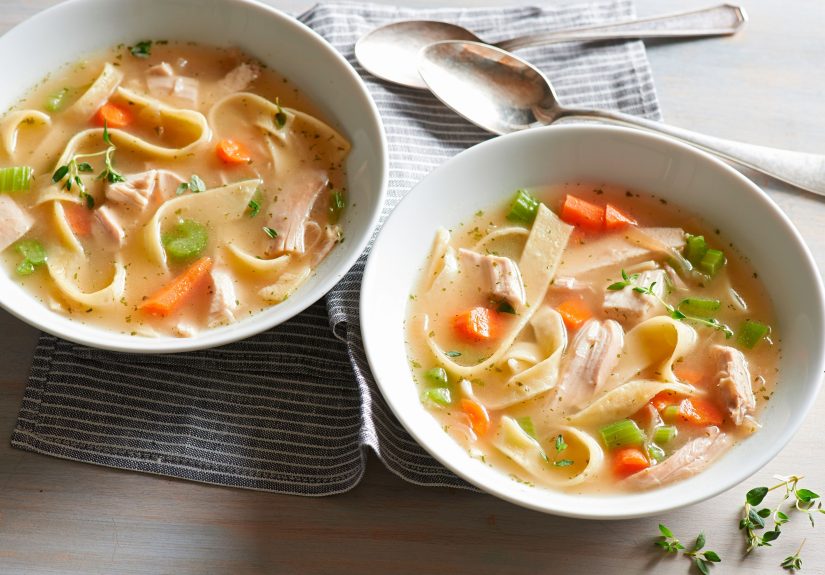
If comfort food had a mascot, it would be a steaming bowl of old-fashioned chicken noodle soupwearing a cozy sweater,
holding a spoon like it’s a tiny, delicious microphone, and whispering, “You’re doing great, sweetie.”
This is the classic, from-scratch version: real chicken, real vegetables, real broth, and noodles that don’t turn into
sad little mushy ribbons (because we’re smarter than that now).
This recipe is designed to taste like the soup you remember: savory, clean, herby, and deeply soothing. It also includes
practical tips for better flavor, clearer broth, and make-ahead storagebecause soup should make your life easier, not
give you a second job.
What Makes This Chicken Noodle Soup “Old-Fashioned”?
“Old-fashioned” doesn’t mean complicatedit means simple ingredients treated with respect. Think: a gentle homemade broth,
a classic mirepoix (onion, carrot, celery), humble herbs like thyme and bay leaf, and egg noodles that feel like a warm hug.
The method is traditional, but the little upgrades (like cooking noodles smartly and seasoning in layers) keep it from tasting
flat or fading by day two.
Ingredients
This recipe makes a generous pot (about 8 servings). You can scale it up, but fair warning: neighbors have a sixth sense for
chicken soup and may “coincidentally” stop by.
For the soup base (broth + chicken)
- 2 1/2 to 3 pounds bone-in chicken (thighs and drumsticks are ideal), skin removed if you prefer a less-rich broth
- 10 to 12 cups water (start with 10; add more as needed)
- 1 large yellow onion, halved (leave the skin on for deeper color if you like)
- 2 carrots, cut into large chunks
- 2 celery stalks, cut into large chunks
- 3 to 4 garlic cloves, smashed
- 2 bay leaves
- 6 to 8 sprigs fresh thyme (or 1 teaspoon dried thyme)
- 1 teaspoon whole black peppercorns (or 1/2 teaspoon ground pepper)
- Optional: 1 small handful fresh parsley stems (save leaves for finishing)
For the finished soup
- 2 tablespoons butter or olive oil
- 1 medium onion, diced
- 3 carrots, peeled and sliced (coins or half-moons)
- 3 celery stalks, sliced
- 2 garlic cloves, minced
- 1 to 2 teaspoons kosher salt (to taste; start low and adjust)
- 1/2 teaspoon black pepper (to taste)
- 2 to 3 cups cooked shredded chicken (from the pot)
- 6 to 8 ounces egg noodles (wide or extra-wide)
- 1 to 2 tablespoons fresh parsley, chopped
- Optional but excellent: 1 to 2 teaspoons fresh lemon juice (adds “wake up” flavor)
Step-by-Step: How to Make Old-Fashioned Chicken Noodle Soup
Step 1: Build a real-deal broth (it’s easier than it sounds)
-
In a large stockpot or Dutch oven, add the chicken, water, onion halves, chunky carrots, chunky celery, garlic, bay leaves,
thyme, and pepper. -
Bring to a gentle boil, then immediately reduce to a low simmer. Skim any foam that rises in the first 15 minutesthis keeps
the broth cleaner tasting and clearer. -
Simmer uncovered or partially covered for 45 to 60 minutes, until the chicken is cooked through and tender. (If you’re using
larger pieces, it may take a bit longer.)
Safety note: Chicken should be fully cooked (the safest benchmark is 165°F in the thickest part).
If you don’t have a thermometer, cook until the meat is opaque, pulls easily from the bone, and the juices run clear.
Step 2: Strain, shred, and set yourself up for soup success
- Use tongs to remove chicken pieces to a bowl. Let cool a few minutes, then shred the meat. Discard bones and any tough bits.
- Strain the broth through a fine-mesh strainer into a large bowl or another pot. Discard the cooked aromatics (they’ve done their job).
-
If you want a less fatty soup, let the broth sit 5 minutes and skim the top, or chill it and remove the solidified fat later.
(But a little fat is flavordon’t panic.)
Step 3: Sauté fresh vegetables for better flavor (and better texture)
- Return the pot to the stove. Add butter (or olive oil) over medium heat.
-
Add diced onion, sliced carrots, and sliced celery. Cook 6 to 8 minutes, stirring occasionally, until the onion softens and
everything smells like you’re doing something correct with your life. - Add minced garlic and cook 30 seconds, just until fragrant.
Step 4: Combine, simmer, and season like a pro
- Pour the strained broth back into the pot with the sautéed vegetables.
- Bring to a gentle simmer and cook 10 to 15 minutes, until the carrots and celery are tender but not mushy.
- Stir in shredded chicken. Taste, then season gradually with salt and pepper.
Step 5: Noodleschoose your adventure (and your leftovers)
Noodles are the most dramatic ingredient in this soup. They show up cute, then absorb broth like it’s their full-time job.
Here are two good options:
-
Option A (best for leftovers): Cook egg noodles in a separate pot of salted water. Drain, then add noodles to bowls
and ladle soup over top. Store noodles and soup separately. -
Option B (best for serving immediately): Add noodles directly to the pot and simmer until just tender, then serve right away.
Expect noodles to soften more as the soup sits.
Finish with parsley and (optional but highly recommended) a small squeeze of lemon juice. It won’t taste “lemony”it just makes the broth taste more alive.
Flavor Tips That Make This Taste Like Grandma’s (But With Better Results)
Use bone-in chicken for deeper broth
Bone-in thighs and drumsticks bring natural richness. If you use only boneless breast, you can still make a good soup
it just won’t have the same old-fashioned depth.
Simmer gently, don’t boil aggressively
A rolling boil can make broth cloudy and can toughen meat. Think “lazy bubbles,” not “hot tub party.”
Season in layers (and taste as you go)
Salt is the difference between “wow” and “why does this taste like warm water?” Add a little at a time near the end, especially if your broth reduces.
Keep noodles from going mushy
If you expect leftovers, cook noodles separately. It’s the single easiest way to keep your soup tasting fresh on day two and three.
Easy Variations (Because Soup Should Match Your Mood)
Shortcut “busy day” version
- Use store-bought low-sodium chicken broth and rotisserie chicken.
- Sauté veggies, simmer with broth 15 minutes, add chicken, then add noodles near the end (or cook separately).
Lemon-dill comfort bowl
Add fresh dill at the end plus extra lemon. This gives the soup a bright, cozy “someone is taking care of me” vibe.
Creamy chicken noodle soup (still old-school, just cozier)
Stir in a splash of heavy cream or half-and-half at the end and warm gently (don’t boil). Add extra black pepper.
Gluten-free
Use gluten-free noodles or cooked rice. Add rice already cooked, or it can drink the broth like a sponge with a mission.
What to Serve With Chicken Noodle Soup
- Crusty bread, biscuits, or saltine crackers (classic for a reason)
- A simple green salad with a tangy vinaigrette
- Grilled cheese (yes, this is allowed, and no, we won’t tell anyone)
Storage, Freezing, and Reheating (So Your Future Self Says Thank You)
How long does chicken noodle soup last in the fridge?
Generally, 3 to 5 days in an airtight container. For best texture, store noodles separately and combine when serving.
How to freeze it
- Cool soup quickly (shallow containers help) and refrigerate promptly.
- Freeze the soup without noodles for the best results.
- Label containers with the date. Your freezer should not be a “mystery soup museum.”
- For best quality, aim to use frozen soup within about 3 months (some people stretch longer, but quality is best earlier).
How to reheat safely
Reheat on the stove over medium heat until steaming hot. If you’re reheating leftovers with chicken, it’s safest to heat until fully hot throughout
(a common benchmark for leftovers is 165°F). Add cooked noodles to the bowl, then pour the hot soup over.
FAQ: Quick Fixes for Common Soup Situations
Why is my broth bland?
Usually it needs more salt, a longer gentle simmer, or a finishing note like lemon juice and fresh herbs. Also, low-sodium broth needs seasoning.
Why is my broth cloudy?
Cloudy broth often comes from boiling too hard or stirring a lot while simmering. It still tastes goodcloudy isn’t a crime.
Can I add more vegetables?
Absolutely. Peas, corn, spinach, kale, or green beans work well. Add quick-cooking veggies near the end so they don’t overcook.
Kitchen Experiences: The Real-Life Magic of Old-Fashioned Chicken Noodle Soup (Extra )
Chicken noodle soup is one of those recipes that tends to come with “kitchen memories,” even if you didn’t grow up eating it every week.
In a lot of households, it’s the first thing someone offers when you’re under the weatherpartly because it’s warm and hydrating, and partly because
it’s a universal food-language for “I care about you.” Many home cooks will tell you the same thing: the smell alone can make the whole house feel calmer.
One common experience is the moment you realize the broth is the main character. People often start with good intentions and store-bought broth, then wonder
why it tastes “fine” instead of “wow.” The first time you simmer chicken with aromatics and herbs, you get that unmistakable deep, savory aroma that feels
like a throwbackeven if you’re making it in sweatpants while answering emails. It’s not that homemade broth is fancy; it’s that it tastes like time and attention.
And yes, it’s wildly satisfying to strain out a pot of broth and think, “I made that.”
Another shared reality: noodles have big opinions. Lots of cooks learn the “separate noodles” trick after one batch of leftovers turns into a pasta sponge.
The first time you store noodles apart and your day-two soup tastes just as good as day one, it feels like you discovered a secret level in a video game.
Suddenly you’re portioning noodles into containers like a meal-prep genius, and the soup stays brothy and bright instead of thick and starchy.
Chicken noodle soup also has a funny way of becoming a personal signature. Some people swear by extra garlic; others add a pinch of turmeric for color, or a
dash of crushed red pepper for a subtle warmth. Plenty of cooks keep it classic but finish with lemon because it makes the whole bowl taste more alive.
There’s also the “herb identity” moment: parsley tastes traditional, thyme tastes cozy, and dill tastes like you know what you’re doing (even if you’re improvising).
Over time, families tend to remember the details“Mom’s soup has lots of celery,” or “Grandpa’s soup always had wide noodles,” or “Auntie’s soup tasted bright
because she always added something at the end.”
And then there’s the quiet joy of making a big pot. It’s practicallunches for days, a freezer stash for laterbut it also feels oddly generous.
Even if you live alone, a big batch can be a comfort strategy: one cooking session buys you multiple warm meals when you’re tired, busy, or not feeling great.
People often describe chicken noodle soup as “simple,” but the experience of eating it is anything but. It’s warm, nostalgic, steady, and forgiving.
If your carrots are cut unevenly, the soup doesn’t judge. If you forgot to buy crackers, the soup doesn’t care. It’s there to be helpful.
In the end, that’s why this recipe sticks around: it’s not just dinnerit’s a bowl of reassurance you can make with your own two hands.
Conclusion
Old-fashioned chicken noodle soup isn’t about perfectionit’s about building real flavor from simple ingredients and finishing with care.
Make the broth gently, sauté fresh vegetables for sweetness, keep noodles smart for leftovers, and don’t skip the final taste-and-adjust.
The result is a pot of soup that feels like home, even if your “home” currently includes three open browser tabs and a laundry pile that’s judging you.