Table of Contents >> Show >> Hide
- What You’ll Find in This Recipe
- Why This One-Pan Salmon Dinner Works So Well
- Ingredients for One-Pan Salmon With Roasted Cabbage
- How to Make One-Pan Salmon With Roasted Cabbage
- Olive Vinaigrette: The Briny, Tangy Hero Sauce
- Timing + Salmon Doneness (So You Don’t Overcook It)
- Variations and Add-Ons
- What to Serve With Roasted Cabbage and Salmon
- Storage, Leftovers, and Meal Prep Tips
- Common Mistakes (And How to Avoid Them)
- FAQ: One-Pan Salmon With Roasted Cabbage and Olive Vinaigrette
- Real-World Cooking Experiences: What Actually Happens in Your Kitchen
- Conclusion
If salmon is the reliable friend who always shows up on time, cabbage is the misunderstood genius who never gets invited to the party.
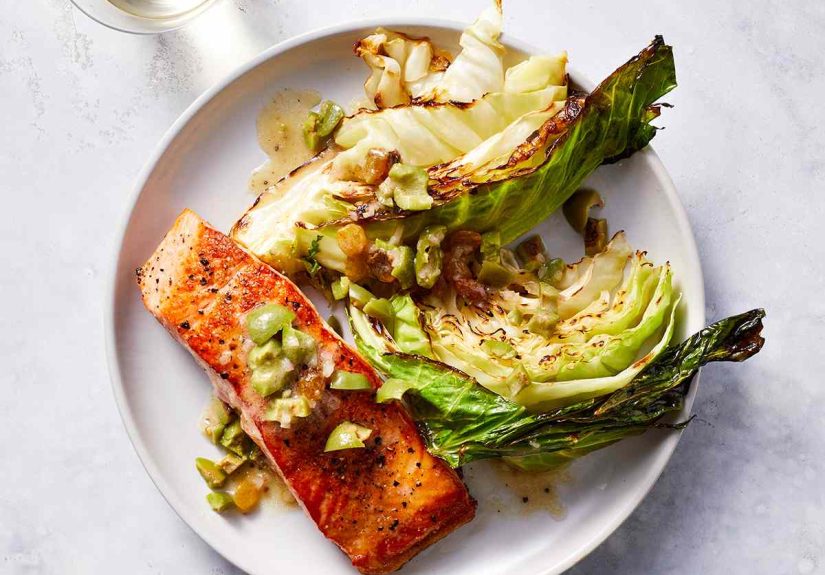
Today, we’re fixing that. This one-pan salmon with roasted cabbage and olive vinaigrette is a sheet-pan dinner that tastes
like you put in “dinner party effort” while actually putting in “Tuesday night energy.”
You’ll roast cabbage until the edges get browned and sweet, slide in salmon so it stays juicy, then finish everything with a briny,
tangy olive vinaigrette that wakes up the whole pan like it just heard its favorite song.
Why This One-Pan Salmon Dinner Works So Well
The best sheet pan salmon recipe is basically a scheduling genius: vegetables that need longer go in first, and quick-cooking
salmon joins the party later. Cabbage is perfect for this because high heat turns it from “meh” into “where have you been all my life?”
with caramelized edges and a tender center.
Then there’s the saucebecause every great weeknight dinner needs a plot twist. The olive vinaigrette brings
acid (vinegar or lemon), richness (olive oil), and briny punch (olives) to balance the sweet roasted cabbage and buttery salmon.
Add a little sweetness (hello, golden raisins) and suddenly your taste buds are doing a standing ovation.
Bonus: it’s a true one-pan meal. Cleanup is basically a quick rinse and a victory lap.
Ingredients for One-Pan Salmon With Roasted Cabbage
This recipe leans “Mediterranean-ish” (olives! olive oil! bright acid!) while staying weeknight-friendly. Here’s what you’ll want:
For the roasted cabbage + salmon
- Green cabbage (1 small to medium head): cut into sturdy wedges so it doesn’t fall apart.
- Olive oil: enough to coat the cabbage and lightly slick the salmon.
- Kosher salt + black pepper: simple seasoning lets the vinaigrette shine.
- Salmon fillets (4 portions): skinless or skin-on both work; choose similar thickness for even cooking.
- Optional: lemon wedges for serving (highly recommendedlike a good playlist, it improves everything).
For the olive vinaigrette
- Shallot: finely chopped for gentle onion flavor.
- Apple cider vinegar (or red wine vinegar): bright, slightly fruity acid.
- Dijon mustard: helps emulsify so the dressing clings instead of sliding off like it’s late for work.
- Castelvetrano olives (pitted): buttery, mild, and less aggressively salty than some other olives.
- Golden raisins: that sweet counterpunch that makes the briny olives even more interesting.
- Extra-virgin olive oil: the backboneuse one you actually like the taste of.
Easy ingredient swaps (because life happens)
- No shallot? Use finely minced red onion or scallion.
- No Castelvetrano olives? Try green olives or kalamata (expect a bolder, saltier vibe).
- Not into raisins? Chopped dates, dried apricots, or even a teaspoon of honey can add balance.
- Want more herbs? Stir parsley, dill, or chives into the vinaigrette right before serving.
How to Make One-Pan Salmon With Roasted Cabbage
Step 1: Preheat + prep the pan
Heat your oven to 450°F. Line a sheet pan with foil or parchment for easy cleanup and lightly oil it.
(Yes, lining the pan is technically “extra,” but future-you will send a thank-you note.)
Step 2: Cut cabbage into wedges that behave themselves
Remove any ragged outer leaves. Cut the cabbage through the core into 6–8 wedges.
Keep a bit of core attached to each wedge so the leaves stay togetherlike a tiny cabbage seatbelt.
Step 3: Roast the cabbage first
Toss the wedges with olive oil, salt, and pepper. Arrange them cut-side down where possible
(more surface contact = more browning). Roast for 15 minutes, flip, then roast another
10–15 minutes until edges are browned and the centers are tender.
Step 4: Add salmon at the right moment
Push the cabbage wedges around to make space. Pat salmon dry (this helps it roast instead of steam),
then season with salt and pepper and drizzle lightly with olive oil.
Nestle salmon on the pan and roast until done, usually 8–12 minutes depending on thickness.
If your fillets are thick, give them the full time; if they’re slimmer, start checking early.
Step 5: Spoon on the vinaigrette and serve
When the salmon is cooked to your preferred doneness, plate everything and drizzle (generously) with olive vinaigrette.
Add lemon wedges if you’ve got them. Eat while it’s hot and the cabbage edges are still a little crispy.
Olive Vinaigrette: The Briny, Tangy Hero Sauce
A great vinaigrette is basically a tiny emulsion miracle: acid + fat + a little help from mustard.
Here’s the approach that makes a dressing that clings to salmon and roasted cabbage instead of pooling sadly on the plate.
How to make it
- Finely chop shallot and add it to a bowl (or a jar with a lid).
- Whisk in apple cider vinegar and Dijon. Season with salt and pepper.
- Stir in chopped olives and golden raisins.
- Slowly stream in olive oil while whisking (or shake hard in a jar) until glossy and blended.
Taste it like a pro
Dip a cabbage edge into the vinaigrette and taste. If it feels flat, add a pinch of salt or a splash more vinegar.
If it feels too sharp, add a drizzle more olive oil. If it’s too salty (some olives are overachievers), balance with
a few more raisins or a tiny bit of honey.
Timing + Salmon Doneness (So You Don’t Overcook It)
Salmon goes from “silky and tender” to “why is it suddenly chalky?” faster than you can say “just one more minute.”
Use time as a guide, but temperature and texture are the real truth-tellers.
Helpful doneness cues
- Texture: The salmon should flake with gentle pressure but still look moist.
- Color: Opaque on the outside, slightly translucent in the very center if you like it medium.
- Thermometer: Check the thickest part of the fillet.
Temperature targets
- 120–125°F: very moist (medium-rare to medium), soft flakes
- 130–135°F: medium, still juicy, more defined flakes
- 145°F: fully cooked per official guidance; firmer and drier
Food-safety note: if you’re serving someone pregnant, immunocompromised, or very risk-averse, cooking salmon to
145°F is the conservative move. For most home cooks, many prefer pulling it earlier for tenderness.
Variations and Add-Ons
This dish is flexiblelike yoga pants, but tastier.
Flavor upgrades
- Smoky: add paprika or smoked paprika to the cabbage before roasting.
- Spicy: add chili flakes to the vinaigrette or rub salmon with a pinch of cayenne.
- Herby: stir in chopped parsley, dill, or chives right before serving.
- Garlicky: add a microplaned garlic clove to the vinaigrette (a little goes a long way).
Vegetable options
- Cherry tomatoes: toss onto the pan when you add salmon for bursts of sweetness.
- Fennel: thin wedges roast beautifully alongside cabbage for a sweet-anise note.
- Broccoli or broccolini: add later (it cooks faster than cabbage).
Protein alternatives
- Arctic char: similar cook time, similar richness.
- Cod or halibut: milder; watch closely so it doesn’t overcook.
- Chicken cutlets: workable, but cook time changes; start chicken earlier than salmon.
What to Serve With Roasted Cabbage and Salmon
This is already a complete healthy salmon dinner, but if you want to stretch it into a bigger meal (or feed
a teenager), here are easy pairings:
- Grains: farro, quinoa, or rice to catch every drop of vinaigrette.
- Potatoes: roasted baby potatoes or a quick mashed potato situation.
- Salad: something simple and crisp (arugula + lemon + olive oil is plenty).
- Bread: a crusty loaf for maximum sauce-scooping efficiency.
Storage, Leftovers, and Meal Prep Tips
How to store
Refrigerate leftover salmon and cabbage in an airtight container for up to 2–3 days.
Store vinaigrette separately if possible; it keeps flavor brighter and the cabbage edges less soggy.
How to reheat without ruining salmon
- Best: eat salmon chilled or room temp on a salad (seriously good).
- Gentle: warm in a low oven (around 275–300°F) just until heated through.
- Microwave: if you must, use low power in short bursts to avoid drying it out.
Meal prep move
Make a double batch of the olive vinaigrette. It’s great on roasted vegetables, chickpeas, grain bowls, and basically anything
that needs a little personality.
Common Mistakes (And How to Avoid Them)
1) Steaming the cabbage instead of roasting it
Crowding = steam. Give wedges breathing room and roast hot for caramelization. If your pan is small, use two pans.
(Yes, that’s two pans. But you’ll still do less cleanup than most dinners.)
2) Putting salmon in too early
Salmon cooks fast; cabbage doesn’t. Roast cabbage first, then add salmon for the final stretch.
3) Forgetting to pat salmon dry
Moisture on the surface slows roasting and encourages albumin (the white stuff) to show up sooner.
Pat it dry, season, and roast.
4) Under-seasoning
Salt the cabbage and salmon. The vinaigrette is bold, but the base needs a little seasoning so everything tastes balanced.
FAQ: One-Pan Salmon With Roasted Cabbage and Olive Vinaigrette
Can I use red cabbage?
You can, but it roasts a bit differently and can be slightly firmer. It also turns everything a gorgeous purple.
If you’re into dramatic color palettes, red cabbage is your new best friend.
Do I need skin-on salmon?
Not required. Skin-on can add protection against overcooking and can get crisp on a pan, but in the oven on a sheet pan,
skinless works beautifully.
Is this recipe gluten-free?
Yepassuming your mustard and vinegar are gluten-free (most are, but labels exist for a reason).
How do I keep cabbage wedges from falling apart?
Cut through the core so each wedge keeps a “root” of core attached. That’s the cabbage’s natural binder clip.
Can I make the vinaigrette ahead?
Absolutely. Make it up to a few days ahead and refrigerate. Bring to room temperature and stir or shake before serving.
Real-World Cooking Experiences: What Actually Happens in Your Kitchen
Let’s talk about the part recipes don’t always mention: the little moments that happen between “preheat oven” and “serve immediately.”
This is where your future success (and sanity) lives.
First, the cabbage. Roasting cabbage wedges is a personality test. If you cut them too thin, they’ll go floppy and fragile, like a paper
umbrella in a thunderstorm. If you cut them thick enough to keep their shape, you’ll get that magic combination: browned edges with a tender,
slightly sweet interior. The easiest “experience-based” guideline is this: keep the wedges substantial, and keep a bit of core on each one.
That core isn’t a nuisanceit’s the hinge holding the whole operation together.
Next: the pan itself. In real kitchens, sheet pans develop opinions. Some run hot, some warp, and some are basically seasoned like cast iron
from years of roasting. If your cabbage is browning too fast, your pan might be a speed demonmove it to a lower rack or reduce the oven
to 425°F. If it’s pale and sulking after 20 minutes, your pan might be insulating too much or the wedges might be crowded. Give them space.
Cabbage needs room to roast; otherwise it steams and tastes like it’s stuck in a waiting room.
Now salmon: salmon is a diva, but a lovable one. The difference between “perfect” and “dry” can be about two minutes. In the wild, recipes say
“roast 10 minutes,” but in your actual oven, fillet thickness and starting temperature matter a lot. If your salmon came straight from the fridge,
it may need a little longer. If it sat on the counter while you wrestled a cabbage into wedges, it’ll cook faster. The most reliable move is to
check the thickest part early and often. You’re looking for gentle flakes and a center that still looks a bit moist. When it’s close, pull itcarryover
heat finishes the job while you drizzle vinaigrette and pretend you planned this level of competence.
And yes, the white stuff (albumin). It’s not dangerous; it’s just salmon’s way of telling you it’s getting a bit overcooked or the heat is aggressive.
Patting the fish dry and not blasting it beyond your preferred doneness helps. But if albumin appears, don’t panic. The vinaigrette doesn’t care.
It’ll still taste great.
Speaking of vinaigrette: this is where your kitchen “feel” shines. Some olives are saltier than others. Some vinegars are sharper.
Taste and adjust like you’re DJ’ing: more acid if it’s dull, more oil if it’s too sharp, a pinch of salt if it needs volume, a few more raisins
if the olives are loud. Once you get used to it, you’ll start making this vinaigrette for other mealsroasted vegetables, grain bowls, chickpeas,
even a quick salad. It’s the kind of sauce that quietly improves your entire week.
Finally, the biggest real-world win: this dish scales beautifully to your energy level. If you have ambition, add herbs and lemon zest.
If you don’t, chop olives, whisk vinegar and mustard, and call it a day. You still end up with a healthy weeknight dinner that
feels restaurant-y without the restaurant bill or the uncomfortable chair that makes you wonder if the place is secretly doing squats marketing.
In other words: this is the kind of recipe you’ll make once for the novelty, then keep making because it’s genuinely practical, reliably delicious,
and makes cabbage look cool. And honestly, cabbage deserves that glow-up.