Table of Contents >> Show >> Hide
- What the Oruneko Paulownia Toilet Cover actually is
- Why paulownia wood is the secret sauce
- What a litter box cover can (and can’t) do for odor
- How to choose a litter box that pairs well with this cover
- Living with a litter box cover: the real pros and cons
- How to introduce the cover so your cat doesn’t start a protest
- Care tips for a wood litter box enclosure
- Is it worth it?
- Experiences related to the Oruneko Paulownia Toilet Cover (what life looks like after the “new furniture” phase)
If you’ve ever looked around your home and thought, “Everything is gorgeous… except the cat’s bathroom,” you’re not alone.
Enter the Oruneko Paulownia Toilet Cover: a design-forward enclosure meant to hide a standard litter box in plain sight,
so your living room doesn’t have to look like a tiny airport restroom.
One quick translation note before anyone tries to fit this on a human toilet seat:
in Japanese pet-product language, “toilet” often means a cat litter box.
So yesthis is a “toilet cover.” Noit’s not for your bathroom. Unless your bathroom is where the cat runs the household,
in which case… fair.
What the Oruneko Paulownia Toilet Cover actually is
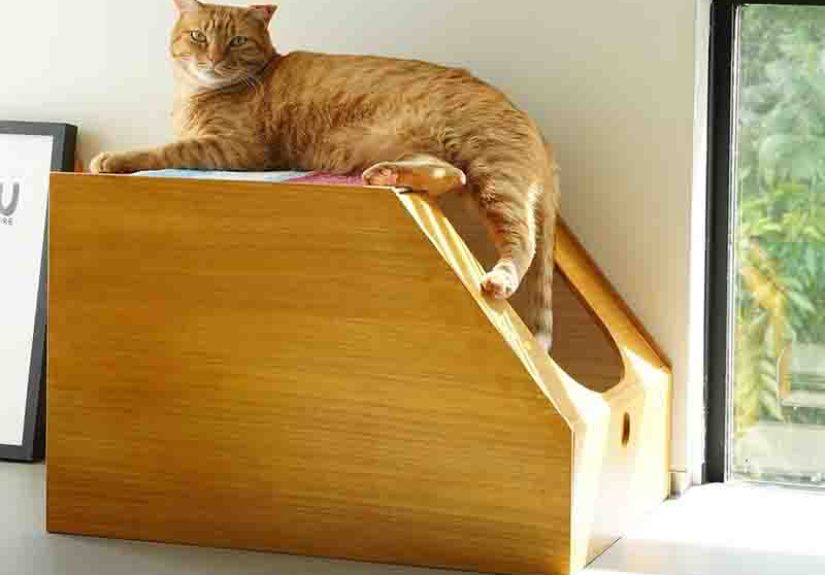
Think of it as minimalist pet furniture that doubles as a hidden litter box enclosure.
It’s designed to slide over a litter box and visually read like a clean-lined wood piece, not a plastic utility bin.
The appeal is simple: the litter box becomes part of your room, not the room’s entire personality.
Specs that matter in real life (aka “Will my litter box fit?”)
Based on listed product details, the cover’s overall footprint is about 45 cm wide × 60 cm deep × 40 cm high,
with an entry opening around 24 cm wide × 28 cm high. Interior dimensions are approximately
43 cm wide × 57 cm deep, with interior height varying from about 15 cm to 38 cm depending on location.
It’s also fairly lightweight for a wood piece at roughly 2.4 kg.
Two design details stand out because they make day-to-day cat maintenance less annoying:
there’s no bottom plate (so you can lift it off and clean around it), and the lower front plate uses magnets,
which suggests easy access without fiddly hardware.
The brand’s photographed setup shows a litter box around 40 cm × 55 cm × 26 cm inside the coveruseful as a sizing reference.
Why paulownia wood is the secret sauce
Paulownia (sometimes called “kiri”) has a reputation for being lightweight, quick to dry, and relatively stable.
For a litter box cover, that combination is not just niceit’s strategic.
You want something that looks like furniture but won’t feel like you’re deadlifting a dresser every cleaning day.
Lightweight is greatuntil you confuse “light” with “indestructible”
Here’s the balanced truth: paulownia is typically considered a softer hardwood with a relatively low hardness compared with woods like oak.
Translation: it’s easier to move and handle, but it can also be more prone to dings if you treat it like a gym bench.
If your cat is the kind who launches into rooms like a furry cannonball, you’ll want to place the cover where it won’t take direct impact.
Why stability matters when you’re dealing with litter, moisture, and reality
Litter box areas have a way of collecting humidity, dust, and occasional “surprises.”
Wood used near pets needs to be easy to wipe down and able to tolerate normal household swings in moisture.
Paulownia is widely used for practical objects because it’s workable, dries relatively quickly, and is often described as stable under drying.
That’s helpful when your cleaning routine includes damp cloths and the occasional deeper scrub around the litter zone.
What a litter box cover can (and can’t) do for odor
Let’s set expectations: a cover is not a magic spell. It’s more like a bouncer at a clubits job is to keep the chaos contained and
improve the vibe. Actual odor control still comes down to litter habits.
The unglamorous truth: clean boxes smell less
Animal welfare organizations consistently emphasize that frequent scooping and routine washing are key to keeping cats happy and
preventing litter box avoidance. A good baseline is daily scooping and a weekly wash of the box
with warm water and mild/unscented soap (or similarly gentle options), plus full litter replacement on a schedule that matches your litter type
and number of cats.
A cover like the Oruneko can help by visually hiding the box and reducing litter scatter in the room, but it works best when you pair it with:
- Consistency: scoop at least daily (more if you have multiple cats).
- Gentle cleaning products: avoid strongly scented cleaners that can bother cats.
- Smart placement: keep the cover in a low-traffic, calm area so your cat feels safe using it.
- Airflow awareness: don’t wedge the cover into a tight nook where odors have no place to go.
How to choose a litter box that pairs well with this cover
The fastest way to turn a premium litter box enclosure into a frustrating puzzle is to buy the cover first and “hope it works out.”
Measure your current box (width × depth × height), then compare it to the interior dimensions.
A quick measuring checklist
- Box width and depth: leave a little clearance so you can slide it in and out without scraping.
- Box height: ensure there’s enough headroom for your cat to comfortably enter, turn, and squat.
- Entry height: the opening needs to work for your cat’s size and mobility (kittens, seniors, and tripod cats all have different needs).
- Cleaning access: if you scoop from the front, the magnet-attached panel may be your best friend.
Practical example: if you’re using a standard rectangular box around the size referenced in the product photos
(roughly 40 × 55 × 26 cm), you’re already in the “this was basically made for you” zone.
If your current box is extra-wide, top-entry, or has tall walls for high sprayers, you’ll want to double-check fit carefully.
Living with a litter box cover: the real pros and cons
Pros
- It looks like furniture: the main reason people buy ityour space feels calmer and more intentional.
- Visual clutter drops fast: even if you still have a scoop nearby, the “plastic box in the corner” effect disappears.
- Potentially less tracking: an enclosure can reduce how much litter gets kicked into the room (not eliminate it, but improve it).
- Light enough to manage: a wood enclosure that doesn’t feel like moving a coffee table every cleaning day is a win.
Cons
- Not a substitute for cleaning: a covered dirty box is still a dirty boxjust in a nicer outfit.
- Wood requires some care: standing moisture is not your friend; wipe spills quickly and avoid soaking the material.
- Not universal fit: extra-large or specialty boxes may not work.
- Some cats hate change: if your cat is sensitive, introduce the cover slowly (more on that below).
How to introduce the cover so your cat doesn’t start a protest
Cats are famously opinionated about bathroom situations. (If they could file formal complaints, they would.)
To improve your odds:
- Stage 1: place the cover near the litter box without using it for a day or two so it becomes “normal furniture.”
- Stage 2: put the cover over the box but keep the area quiet and calm; don’t hover like it’s a grand opening.
- Stage 3: maintain your cleaning routine so the box stays inviting while the “new thing” is still new.
- Stage 4: if your cat avoids it, remove the cover and reintroduce more gradually.
If your cat suddenly starts going outside the box during any transition, consider a vet check and a behavior review:
litter box issues can be medical, environmental, or routine-related. Don’t assume it’s “spite.” Cats aren’t writing drama scripts;
they’re reacting to discomfort or stress.
Care tips for a wood litter box enclosure
Most owners want two things: keep it beautiful, and keep it sanitary. You can do both with a simple approach:
- Dust and dry-wipe regularly: litter dust is basically glitter with worse PR.
- Spot-clean with a barely damp cloth: wipe in the direction of the grain, then dry immediately.
- Avoid harsh chemicals: strong cleaners can be unpleasant for cats and tough on finishes.
- Use enzymatic cleaners on floors nearby: if accidents happen outside the box, use odor-neutralizing cleaners designed for pet messes.
Is it worth it?
If you care about how your home looks and you’re tired of designing your entire room around “where the litter box can hide,”
the Oruneko Paulownia Toilet Cover is the kind of upgrade that delivers immediate visual payoff.
It’s especially appealing in smaller homes and apartments where the litter box can’t be banished to a basement laundry room
(because you don’t have a basement, and your “laundry room” is a corner of the kitchen).
The best candidates are households that already have decent litter habits (daily scooping, routine box cleaning) and want a more elevated,
furniture-like solution. If you’re hoping the cover will do the cleaning for you, I regret to inform you that it does not come with a tiny butler.
Experiences related to the Oruneko Paulownia Toilet Cover (what life looks like after the “new furniture” phase)
Here’s what people commonly notice when they add a design-focused litter box enclosure like the Oruneko Paulownia Toilet Cover to their spacepresented
as realistic, day-to-day outcomes rather than fairy-tale promises.
Week 1: The aesthetics win immediately. The first “experience” is usually visual: the room feels calmer.
You stop scanning for the litter box the second you walk in, which sounds minor until you realize how much mental space visual clutter takes up.
Many owners end up styling the top like any other surfacea folded throw, a small tray, maybe a plant that your cat can’t reach
(read: a plant placed with the same optimism people use when they say, “This time I’ll keep the kitchen clean all week”).
Week 2: You fine-tune the setup. Once the novelty wears off, the practical tweaks begin:
you shift the cover a few inches for better traffic flow, you try a mat to reduce tracking, and you decide where the scoop will live
so it’s accessible but not on display like a museum exhibit titled Tools of the Bathroom.
If your cat is particular, you may adjust the angle so the entry feels open and easy to approach.
Week 3: Cleaning becomes more “system” than “event.” A funny thing happens when the litter area looks nicer:
you’re more motivated to keep it that way. Instead of letting scooping slide until it’s a dramatic, sigh-heavy chore,
many people fall into a quick daily rhythm. The magnet-front detail (and the lack of a bottom plate) supports that “easy access” feeling,
where maintenance doesn’t require moving three objects and performing a small interpretive dance to reach the box.
Week 4 and beyond: The cover becomes background… which is the whole point. The best litter solutions are the ones you stop thinking about.
Owners often describe a shift from “Where do we hide the box?” to “Oh right, it’s thereand it looks fine.”
Guests are less likely to notice it, and you’re less likely to feel like you need to apologize for having a cat.
What about odor and tracking? Most people find the cover helps with the look of cleanliness and can reduce the spread of kicked litter,
but the big difference still comes from habits: consistent scooping, periodic full litter changes, and washing the litter box on schedule.
When those basics are handled, the cover feels like the finishing touch that makes the whole corner look intentional.
When those basics aren’t handled, the cover is just a very stylish way to hide a problem your cat will definitely still smell.
The most realistic “aha moment”: the Oruneko Paulownia Toilet Cover tends to shine for people who want their pet items to match their interior,
not fight it. It’s less about turning a litter box into a secret and more about turning it into something that belongs in a home.
And if your cat strolls in like, “Yes, I deserve furniture,” honestly… they’re not wrong.