Table of Contents >> Show >> Hide
- Why Pain Management Post-Surgery Matters
- What Good Pain Control Actually Looks Like
- The Modern Strategy: Multimodal Pain Management
- What to Expect in the First Few Days
- How Pain Changes During Recovery
- Common Side Effects That Can Make Recovery Miserable
- Red Flags: When Pain Is More Than “Normal Recovery”
- Safe Opioid Use at Home
- Practical Tips for Better Pain Management Post-Surgery
- Questions to Ask Before You Leave the Hospital or Surgery Center
- The Human Side of Recovery: Real Experiences With Post-Surgical Pain
- Conclusion
Let’s be honest: surgery may fix the problem, but the recovery phase can feel like your body filed a formal complaint. One day you are signing forms and pretending to understand what “outpatient procedure” means, and the next you are negotiating with a pillow, an ice pack, and a bottle of pain pills like they are members of a very moody committee. That is exactly why pain management post-surgery matters so much. Good pain control is not about chasing a perfectly pain-free fantasy. It is about making pain manageable enough that you can breathe deeply, move safely, sleep a little, heal well, and avoid complications.
Modern post-surgical pain care is much smarter than the old “here are some strong pills, good luck” approach. Today, many surgeons and anesthesiology teams use a layered strategy that combines different kinds of pain relief instead of relying on one medication to do all the heavy lifting. This method often helps patients stay more comfortable while reducing side effects and limiting opioid exposure. In plain English: fewer roller-coaster pain swings, fewer medicine problems, and a smoother return to normal life.
Whether you are preparing for a knee replacement, abdominal surgery, a dental procedure, or something in between, understanding your options can make recovery less stressful. Here is what patients should know about post-operative pain, what works, what to watch for, and how to handle the recovery journey like a reasonable adult who is also allowed to whine a little.
Why Pain Management Post-Surgery Matters
Pain after surgery is normal. That does not mean it should be ignored, minimized, or treated like some kind of character-building exercise. When pain is controlled well, patients are usually able to get out of bed sooner, walk more safely, cough and breathe deeply, and participate in physical therapy or home exercises. Those small actions matter because they support circulation, lung health, and overall healing.
Poorly managed pain can create a domino effect. You may avoid moving because it hurts, then become stiff, weaker, constipated, or more anxious. You may take shallow breaths because deep breaths pull on the incision, which can make recovery more uncomfortable and, in some cases, raise the risk of breathing-related complications. You may sleep badly, feel miserable, and start believing that something is terribly wrong, even when what you really need is a better pain plan.
There is also a long-game reason to take post-surgery pain seriously. Effective pain control may help lower the chance that acute surgical pain lingers longer than it should. In other words, a good plan is not just about the next 48 hours. It is also about helping your body and nervous system settle down instead of staying in full alarm mode.
What Good Pain Control Actually Looks Like
Here is a truth that deserves more airtime: the goal of pain management post-surgery is usually not zero pain. If anyone promises that you will feel nothing at all after tissue has been cut, stitched, moved, or repaired, that person is either selling magic beans or not being realistic.
Good pain control usually means:
- You can rest without feeling like your incision is staging a protest.
- You can get up, walk, and do basic self-care with tolerable discomfort.
- You can cough, breathe deeply, or use an incentive spirometer if instructed.
- You can eat, hydrate, and take part in physical therapy or recovery exercises.
- Your medication side effects are manageable, not running the whole show.
That is why your care team may ask you to rate pain on a scale from 0 to 10. The number is not just a survey question. It helps guide whether your plan is working and whether your pain is staying stable, improving, or suddenly changing in a way that needs attention.
The Modern Strategy: Multimodal Pain Management
The phrase “multimodal pain management” sounds technical, but the idea is simple: use different tools that work in different ways. Instead of asking one medication to do everything, doctors often combine methods to improve comfort and reduce the amount of opioid medicine a patient needs.
1. Non-Opioid Medications
For many patients, the foundation of a recovery plan starts with non-opioid pain relievers. These may include acetaminophen or nonsteroidal anti-inflammatory drugs, also called NSAIDs, if your surgeon says they are safe for you. These medicines may not sound glamorous, but they often do a surprising amount of useful work, especially when taken on schedule during the first phase of recovery.
The key is that these medicines can reduce pain and inflammation without the same risk profile as opioids. Of course, “non-opioid” does not mean “harmless.” Some medicines can affect the liver, stomach, kidneys, or bleeding risk. That is why patients should always follow the surgeon’s instructions and not freelance a kitchen-table pharmacy experiment.
2. Local Anesthetics and Nerve Blocks
Some surgeries involve local anesthetics, spinal or epidural techniques, or nerve blocks that numb a specific area. These approaches can be game changers, especially in orthopedic and other painful procedures. When they work well, patients often wake up with less pain and may need less systemic medicine in the early recovery period.
The effect does not last forever, which is why it helps to know when that numbing medicine may wear off. A patient who expects some discomfort later is usually less alarmed than one who wakes up feeling pretty decent and then gets blindsided six hours later by pain that arrives like it missed the exit and is making up for lost time.
3. Opioids: Useful, But Not the Star of the Show
Opioids still have a role in pain management post-surgery, especially after major procedures or when pain is more intense. They can be effective for short-term relief. But the modern goal is usually to use the lowest effective amount for the shortest practical period, not to hand out a month-long souvenir of your appendectomy.
Opioids may cause drowsiness, nausea, constipation, itching, and slowed breathing. They can also affect thinking, balance, and reaction time, which is why driving, alcohol, and “I feel fine enough to reorganize the garage” are all bad combinations. If you are prescribed an opioid, take it exactly as instructed, never mix it casually with sedating substances, and ask what the taper plan should look like as pain improves.
4. Non-Medication Strategies
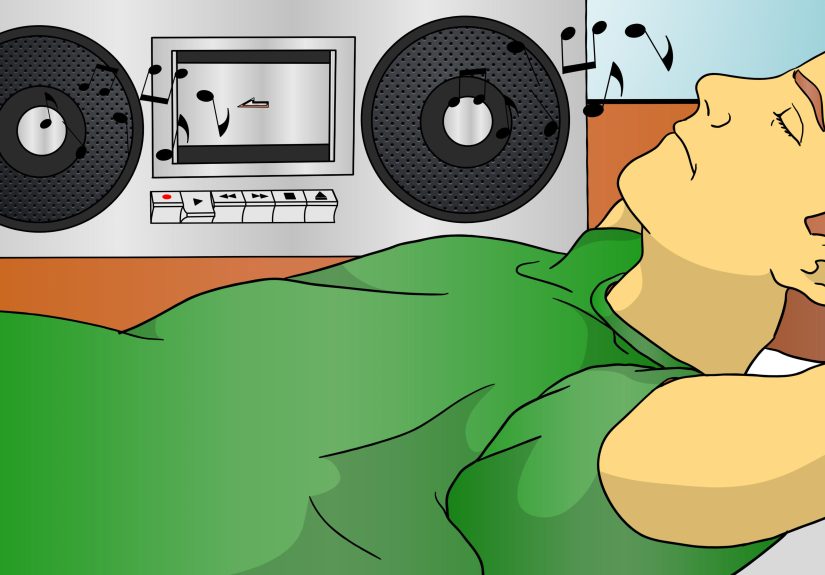
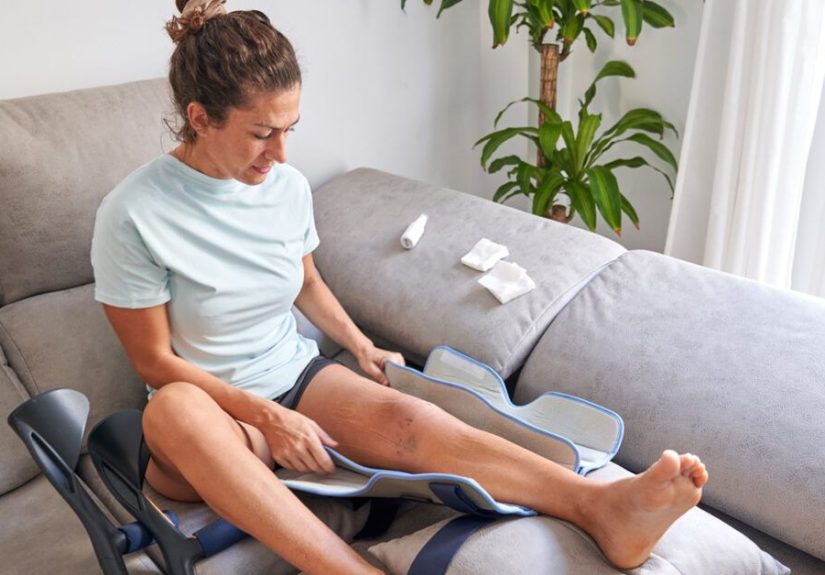
Medicine is important, but it is not the entire cast. Ice, elevation, splinting a surgical area with a pillow when coughing, breathing exercises, gentle walking, relaxation techniques, and good positioning can all make a real difference. Some patients also benefit from distraction, guided breathing, music, mindfulness, or timed rest periods instead of waiting until pain becomes overwhelming.
This is not fake wellness fluff. Simple physical measures can lower swelling, reduce strain, and make it easier to stay ahead of discomfort. Sometimes the best recovery move is not dramatic. It is taking a short walk, propping the right body part correctly, and not trying to prove you are tougher than your incision.
What to Expect in the First Few Days
The first 24 to 72 hours after surgery are often the roughest stretch. Pain may be stronger when the anesthesia fully wears off, when swelling peaks, or when you first start moving more at home. That does not automatically mean something is wrong. It often means your body has noticed that surgery happened and would like to file additional comments.
During this phase, many patients do best when they follow the prescribed schedule rather than waiting until pain becomes severe. Staying ahead of pain is usually easier than trying to wrestle it back down after it spikes. That may mean taking non-opioid medication on time, using opioid medication only when necessary, icing as directed, and pacing activity.
You may also notice that pain changes depending on movement. Getting out of bed, standing up, or shifting positions may hurt more than lying still. This is common. The trick is to move carefully and regularly enough to support recovery without overdoing it. Think “helpful motion,” not “weekend warrior comeback montage.”
How Pain Changes During Recovery
Post-surgical pain is not always a straight line downward. It often improves in waves. One day may feel encouraging, and the next may feel like your body changed its mind. That can happen because you became more active, slept poorly, missed a dose, started therapy, or simply hit a normal bump in recovery.
Many patients find that the pain gradually shifts from sharp and intense to sore, achy, tight, or tender. Swelling may ease. Sleep may improve. Walking or basic tasks may become easier. At some point, the strongest medication often becomes unnecessary, and the plan transitions more toward non-opioid options and comfort measures.
This shift is important. As pain improves, the goal is usually to step down care safely. Recovery is not just about adding pain relief. It is also about knowing when you no longer need the heavy-duty stuff.
Common Side Effects That Can Make Recovery Miserable
Sometimes the surgery itself is not the whole issue. Sometimes the side effects from pain medicine become the side quest nobody asked for.
Constipation
Opioids are famous for this, and not in a good way. Drink fluids if allowed, move as tolerated, ask whether you should use a stool softener or bowel regimen, and do not ignore the problem until your abdomen feels like a brick wall with opinions.
Nausea or Vomiting
Nausea can come from anesthesia, opioids, pain itself, or not eating enough. Taking medicine with food, when approved, may help. If nausea is persistent, call your care team. There are often alternatives or anti-nausea options that can make recovery far more tolerable.
Drowsiness and Brain Fog
Some fatigue is expected after surgery. But medicine-related sedation is another reason to be cautious with stairs, showers, driving, and multitasking. If a medication makes you feel too sleepy, confused, or unsteady, tell your provider.
Itching, Dizziness, or Mild Stomach Upset
These can happen with certain pain medicines. Do not just suffer in silence because you think discomfort is the price of admission. Adjustments are often possible.
Red Flags: When Pain Is More Than “Normal Recovery”
Not all pain is routine. Patients should know the difference between expected soreness and warning signs that need a call to the surgeon.
Call your surgical team if pain is suddenly worse, not controlled by the prescribed plan, or paired with symptoms like fever, increasing redness, warmth, thick drainage, bleeding, bad swelling, or a wound that looks like it is not healing well. Trouble breathing, chest pain, severe calf pain, confusion, or extreme sleepiness after opioid use may need urgent or emergency evaluation.
Trust your instincts here. If something feels off in a significant way, it is better to ask than to spend twelve hours doing internet detective work while your thermometer, incision, and anxiety all point in different directions.
Safe Opioid Use at Home
If an opioid is part of your plan, think of it as a short-term tool, not a recovery lifestyle. Use the exact amount prescribed. Do not mix doses, do not take extra because the last one “kind of helped,” and do not share leftovers with anyone else. Your cousin’s backache is not a medically approved recycling program.
Store opioid medication securely, especially if children, teens, guests, or pets are in the home. When you no longer need it, dispose of it safely through a drug take-back option if available. Some medications are on the FDA flush list; others should be discarded using approved household disposal steps if no take-back site is accessible. If you are not sure what applies, check the medication guide or ask your pharmacist.
Practical Tips for Better Pain Management Post-Surgery
- Take medications exactly as instructed and keep a written schedule.
- Use ice, elevation, or support devices only as directed.
- Walk and do breathing exercises according to your discharge instructions.
- Do not wait until pain becomes unbearable before using your approved plan.
- Track symptoms, including pain level, temperature, swelling, bowel function, and medication side effects.
- Ask before adding over-the-counter remedies, supplements, or alcohol.
- Have a disposal plan for leftover opioid medication before you stop needing it.
Questions to Ask Before You Leave the Hospital or Surgery Center
Patients often go home with a folder of instructions, a half-functioning memory, and exactly one brain cell still assigned to important details. So ask these questions before discharge:
- What level of pain is normal for this procedure?
- Which medicines should I take on schedule, and which are only as needed?
- What side effects should I expect?
- When should I stop or taper stronger pain medicine?
- Can I take acetaminophen or NSAIDs with the prescription medicine?
- What activities help recovery, and what should I avoid?
- What symptoms mean I should call the office right away?
- How should I store and dispose of leftover medication?
The Human Side of Recovery: Real Experiences With Post-Surgical Pain
Here is the part many clinical handouts forget: recovery is not just a medical process. It is also a mental and emotional experience. Patients often expect pain to behave logically. Unfortunately, pain did not get that memo.
One common experience is the “I thought I’d be better by now” phase. A patient may have a successful surgery, follow instructions faithfully, and still feel discouraged because they are sore, tired, or more dependent on help than expected. This is especially common when people compare their recovery to a friend, a family member, or a random stranger online who claimed they were “back to normal in three days.” Recovery is deeply personal. The same surgery can feel very different from one body to another.
Another frequent experience is fear around movement. Many patients worry that moving will damage the repair, open the incision, or somehow undo the entire operation. In reality, guided movement is often part of healing. Walking to the bathroom, sitting up for meals, doing gentle exercises, or participating in physical therapy may hurt a little, but it can also improve circulation, stiffness, confidence, and pain over time. The challenge is learning the difference between productive discomfort and a true warning sign.
Nighttime can be especially frustrating. Pain tends to feel louder when the house is quiet, distractions are gone, and you are trying to find one position that does not annoy your incision, your back, and your dignity all at once. Sleep may come in short stretches. Many patients describe a strange rhythm of dozing, waking, shifting, checking the clock, and wondering whether it is too early for the next dose. That does not mean recovery is failing. It means recovery is, in fact, being very dramatic.
Patients also talk about the emotional whiplash of good days and bad days. On Monday, you may take a walk, eat well, and feel almost hopeful. On Tuesday, swelling kicks up, you overdo one household task, and suddenly it feels like you are back at square one. That back-and-forth pattern is incredibly common. Improvement often happens over weeks, not in one glorious cinematic leap.
There is also the matter of identity. Some people are uncomfortable needing help with showers, meals, dressing changes, or getting in and out of bed. Others feel guilty for resting. Many are surprised by how vulnerable surgery makes them feel, even when the procedure was planned and the outcome is good. A smart recovery plan makes room for that reality. Healing is not laziness. Taking medicine responsibly is not weakness. Using support does not mean you are failing. It means you are recovering like a person, not a machine.
What helps most patients emotionally is having clear expectations, a written plan, and someone they can call when they are unsure. Confidence grows when you understand what “normal” probably looks like for your type of surgery. It also helps to celebrate small wins: needing less medication, walking farther, sleeping longer, showering without feeling exhausted, or realizing that coughing no longer feels like a personal attack from your own ribcage.
In the end, the experience of pain management post-surgery is rarely about one miracle pill. It is about teamwork between the patient, the care team, the medication plan, and the daily habits that support healing. It is messy, gradual, and occasionally humbling. But with the right strategy, it gets better.
Conclusion
Pain management post-surgery works best when it is balanced, realistic, and personalized. The goal is not to erase every sensation. The goal is to control pain enough that you can move, breathe, rest, and heal safely. Today’s best recovery plans often combine non-opioid medicines, targeted anesthesia techniques, limited opioid use when necessary, and practical at-home strategies like icing, walking, and pacing activity.
If you remember only one thing, let it be this: do not try to “tough out” serious pain, and do not ignore warning signs because you assume misery is normal. A smart, proactive pain plan can make recovery smoother, safer, and a lot less overwhelming. Surgery may be the main event, but good pain control is the backstage crew making sure the whole production does not fall apart.