Table of Contents >> Show >> Hide
- What Is a Pakurigo Basket?
- How a Multicolor Pakurigo Basket Is Made
- Why Choose a Multicolor Pakurigo Basket?
- Ways to Use a Multicolor Pakurigo Basket at Home
- Caring for Your Pakurigo Basket
- How a Pakurigo Basket Fits Different Interior Styles
- Choosing the Right Multicolor Pakurigo Basket
- Experiences with Multicolor Pakurigo Baskets
- Conclusion
Some home decor pieces quietly sit in the corner and mind their business. A multicolor Pakurigo basket is not one of them.
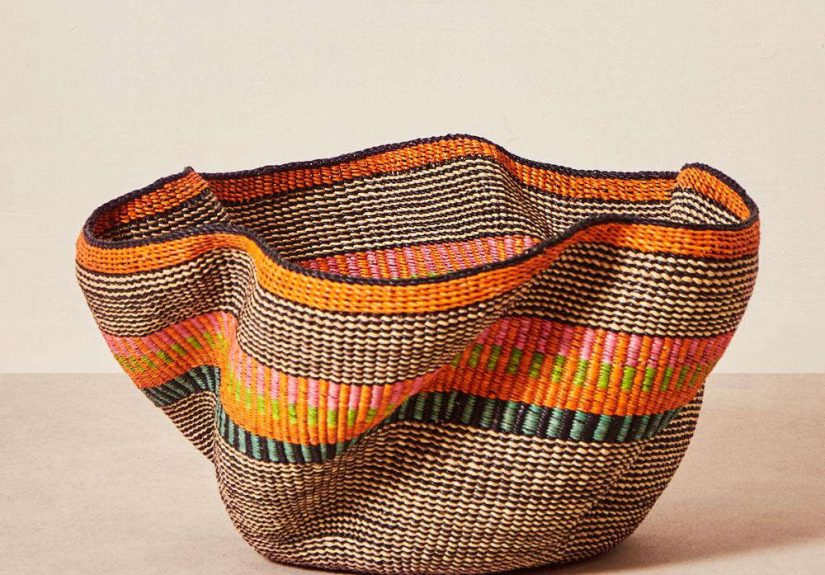
With its wavy silhouette and riot of color, this handwoven basket from Ghana looks like someone froze a ripple in time and
wrapped it in sunshine. It’s sculptural, functional, and full of storyall at once.
In this guide, we’ll unpack what makes a multicolor Pakurigo basket so special: its origins, how it’s made, how to use it
around your home, and how to keep it looking gorgeous for years. If you’ve ever wanted a decor piece that doubles as
both storage and art, you’re in the right place.
What Is a Pakurigo Basket?
A Pakurigo basketoften called a Pakurigo Wave basketis a unique style of African basketry developed in
the Bolgatanga region of northern Ghana. It’s a cousin of the famous Bolga basket, but with a twistliterally. Instead of
a symmetrical, round shape, the Pakurigo design undulates in waves around the rim and body, creating a fluid, organic form
that looks almost like blown glass or coral.
These baskets are typically woven from elephant grass, a sturdy, renewable natural fiber that thrives in
the region and has long been used for traditional basketry. Many versions, especially the multicolor designs, are
hand-dyed using natural or low-impact dyes to achieve vibrant stripes, checks, and pattern combinations. The result is a
sculptural basket that feels contemporary but is deeply rooted in heritage.
Where the Name Comes From
The Pakurigo technique is strongly associated with weavers working with the renowned Baba Tree Basket Company and other
artisan groups in Bolgatanga. The design is often credited to master weaver collaborations that pushed the boundaries of
traditional Bolga basket forms, creating the now-iconic wave shape that collectors and design lovers recognize instantly.
How a Multicolor Pakurigo Basket Is Made
Your multicolor Pakurigo basket doesn’t start out glamorous. It begins in the fields as hardy elephant grass, harvested,
dried, and prepared by local communities. The process is labor-intensive and largely off-gridmany artisan brands
highlight that no electricity is used in the making of the baskets themselves, only in office or shipping operations.
Step 1: Harvesting and Preparing the Grass
After the grass is harvested, it’s dried for days or weeks, then split, rolled, and softened by hand. This prep alone can
take up to a full day as artisans work the fibers to make them flexible enough to weave without breaking. The strands are
then bundled and ready for dyeing or left in their natural golden color.
Step 2: Dyeing for Those Multicolor Waves
For a multicolor Pakurigo basket, the next stage is all about color. Artisans hand-dye the elephant grass
in small batchesthink warm ochres, greens, terracottas, pinks, and inky blacks. Natural or low-impact dyes are commonly
used, and the fibers are dried in the shade to keep the colors rich and minimize fading.
Because the dyeing is done by hand, no two bundles of grass are exactly alike. This is why color combinations and striping
patterns vary slightly from basket to basket, which is part of their charmyour basket is truly one of a kind.
Step 3: Weaving the Wave
Here’s where the magic really happens. The Pakurigo wave technique is considered one of the most challenging forms of
basket weaving in the region. Instead of building a simple round bowl, the artisan gradually pushes and pulls the form,
creating curves and folds that ripple around the basket.
Each artisan develops a signature rhythm and pattern. The wavy silhouette is not made with molds or machines; it’s created
entirely by hand and eye. That level of skill is why these baskets are frequently described as functional sculpture.
Why Choose a Multicolor Pakurigo Basket?
Yes, these baskets are beautiful. But they’re more than just “pretty storage.” A multicolor Pakurigo basket hits the sweet
spot between design, sustainability, and story.
1. Vibrant, Modern Color
Multicolor designs are the extroverts of the basket world. Bold stripes of pink, orange, green, black, and natural straw
wrap around the form in wave-like bands. The pattern often changes as you walk around the basket, making it endlessly
interesting from every angle.
In a neutral room, a Pakurigo basket becomes your statement piece. In a colorful home, it layers right in, echoing textiles,
artwork, and rugs without feeling matchy-matchy.
2. Ethical, Fair Trade Craftsmanship
Many Pakurigo baskets are sold through fair trade or ethically focused brands. These companies typically pay weavers
upfront for their work and may provide additional commissions on the retail price, along with training, community support,
or access to international markets. When you buy one, you’re not just getting decoryou’re supporting artisan livelihoods
and helping preserve traditional skills.
3. Durable, Everyday Practical
Elephant grass is surprisingly tough. With normal use and a little care, a Pakurigo basket can last for years. The tight
weave and thick walls make it suitable for everyday storage, not just for display on a high shelf where no one can touch it.
Ways to Use a Multicolor Pakurigo Basket at Home
Not sure what to do with your basket once it arrives? Think of it as the Swiss Army knife of home decorminus the tiny
scissors that no one actually uses.
Living Room Styling
- Throw blanket storage: Roll up your favorite blankets and let the colors peek over the edge.
- Kid-friendly toy corral: Toss in stuffed animals or blocks; the flexible sides are gentle and forgiving.
- Magazine or knitting basket: Keep works-in-progress handy without leaving them scattered on the sofa.
Bedroom and Entryway Uses
- Accent by the bed: Store extra pillows, slippers, or a cozy robe.
- Catch-all by the door: Use a smaller basket for scarves, hats, or dog leashes.
- Plant basket (with protection): Slip a potted plant inside in a waterproof liner to create a vibrant plant cachepot.
Kitchen and Dining Room Ideas
While elephant grass baskets aren’t meant to be soaked or scrubbed like cookware, they can absolutely live in the kitchen
with a little protection.
- Fruit bowl: Line with a cloth napkin to keep things clean and easy to wash.
- Bread or snack basket: Use during casual dinners or parties to add warmth and texture to the table.
- Linens storage: Stack cloth napkins or placemats inside for a colorful display on open shelving.
Caring for Your Pakurigo Basket
A little care goes a long way in keeping your multicolor Pakurigo basket looking sharp. The basics are simple: keep it dry,
keep it clean, and keep it out of harsh sun for long stretches.
Cleaning Tips
- Dust regularly: Take the basket outside and give it a gentle shake or tap to remove dust from the weave.
- Spot clean with a damp cloth: For minor spills, wipe gently with a soft, slightly damp cloth. Avoid soaking the basket.
- Deeper cleaning: If it really needs a wash, briefly wet the straw in cool or lukewarm water with a mild soap,
then rinse and let it air dry naturally. Avoid hot water and harsh detergents, which can weaken fibers or cause color bleed.
Reshaping and Sun Protection
Natural fibers can shift slightly over timeespecially after shipping. If your basket arrives a bit squished, lightly mist
or dampen the straw (keeping any leather handles dry), gently reshape it with your hands, and let it dry in the shade.
Try not to leave your Pakurigo basket in direct sunlight for days on end. Extended sun exposure can fade the dyes and make
the grass brittle. Think of it like your favorite artworksun is good in small doses, not as a full-time job.
How a Pakurigo Basket Fits Different Interior Styles
You might think a bold multicolor African basket only works in boho or eclectic spaces, but it actually plays nicely with
many design styles.
Boho and Global-Inspired Homes
This is the Pakurigo basket’s natural habitat. Layer it with kilim pillows, woven wall hangings, and houseplants. Mix it with
other African baskets at different heights to create a textured, collected feel.
Minimalist and Scandinavian Spaces
In a pared-back room full of pale woods and clean lines, a single multicolor Pakurigo basket becomes a focal point. The organic
curves soften the straight lines of modern furniture, while the colors bring life without cluttering the space.
Traditional and Transitional Rooms
Pair your basket with classic furniturethink slipcovered sofas, wood sideboards, or upholstered dining chairs. The handcrafted
texture keeps the room from feeling too formal and adds a subtle world-traveler note.
Choosing the Right Multicolor Pakurigo Basket
When you’re shopping for a Pakurigo basket, pay attention to three main factors: size, color palette, and use.
Size and Function
- Mini and small: Great for keys, cosmetics, desk supplies, or serving bread.
- Medium: Ideal for fruit, crafts, kids’ toys, or as a plant cover.
- Large: Perfect for blankets, large toys, or as a sculptural floor basket in the living room.
Color Combinations
Multicolor Pakurigo baskets often mix warm and cool tonescorals, pinks, greens, rusts, and neutrals. Choose one that picks up
colors you already have in your rug, pillows, or artwork. If your home leans warm, look for oranges, yellows, and hot pinks;
if it’s cooler, try versions with more greens, blues, or natural straw.
Because each basket is handmade, expect slight variations in pattern and color density. That unpredictability is part of the
joyyou’re collecting an individual piece, not a mass-produced clone.
Experiences with Multicolor Pakurigo Baskets
Owning a Pakurigo basket is a bit like living with a small, friendly sculpture. It doesn’t just sit in the room; it interacts
with it. The waves cast shifting shadows throughout the day, and the colors seem to brighten as natural light moves across
the surface.
Imagine this: you bring one home, intending to use it as a simple catch-all. For the first few days, it lives on the dining
table, holding mail and your laptop charger. Then a friend walks in, points to it, and asks, “Where did you get that?” Next
thing you know, it migrates to the coffee table, filled with magazines and a throw blanket, because frankly, it deserves a
more central role.
Many people find that the basket becomes a conversation starter. Guests often want to know where it was made, who wove it, and
whether each piece is truly unique. It’s an easy opening to talk about artisan-made decor, fair trade, and slow designwithout
feeling preachy. You’re just telling the story of something you genuinely enjoy.
The multicolor aspect also changes how you see your space. If your home leans neutral, a Pakurigo basket is often the first
burst of bright color you introduce. It’s less commitment than repainting a wall or buying a statement sofa, but it has a
surprisingly similar impact. You may find yourself pulling out bolder pillow covers or art prints to echo the basket’s
stripes. It gently nudges your style in a braver direction.
Practically speaking, people tend to underestimate how much they’ll actually use the basket. At first, it might be “for special
occasions” or for styling a room refresh. But once you discover how easy it is to toss in everyday clutterremote controls,
kids’ toys, stray socks, that random charger you swear you’ll organize laterit quickly becomes part of your daily rhythm.
You’ll wonder how your living room ever survived without a beautiful place to hide the chaos.
There’s also something grounding about knowing the basket didn’t appear out of nowhere. It’s the result of farmers harvesting
grass, artisans preparing and dyeing fibers, and weavers shaping every curve by hand. When you reshape it after unpacking,
you’re literally continuing work on an object that has passed through several pairs of skilled hands. It makes you handle it
with a little more careand appreciate it a lot more.
Over time, your Pakurigo basket might soften its colors slightly, especially if it catches a bit of sunlight. Instead of
seeing this as wear, many owners describe it as the basket “settling in.” The brights mellow into more lived-in shades, and
the piece starts to feel like it truly belongs to the home. That slow evolution is part of its charmthis is decor that grows
with you, rather than something you toss out when the trend shifts.
Whether you use your multicolor Pakurigo basket as a fruit bowl today and a plant basket next year, it adapts alongside your
lifestyle. It’s one of those rare home finds that checks every box: sustainable, practical, full of story, and genuinely fun
to look at. In other words, it earns every inch of space it takes up.
Conclusion
A multicolor Pakurigo basket is more than a storage solution. It’s a handcrafted artwork that brings movement, warmth, and
global craftsmanship into your home. From its wave-like form and vibrant hues to its fair trade origins and everyday
practicality, this basket embodies the best of modern, mindful design.
Whether you’re just starting to bring handmade pieces into your space or already have a home full of stories, a Pakurigo
basket slots in effortlesslyand steals the spotlight in the process.