Table of Contents >> Show >> Hide
- Why Paprika Works So Well on Pork Chops
- Paprika Pork Chops (Skillet + Quick Pan Sauce)
- Step-by-Step Instructions
- Optional: Make the Pan Sauce (5 minutes)
- How to Keep Paprika Pork Chops Juicy (Not Dry)
- Easy Variations
- Serving Ideas That Make This Meal Feel Complete
- Make-Ahead, Storage, and Reheating
- FAQ
- Kitchen Notes and Real-Life “Paprika Pork Chop” Experiences (Extra)
- Conclusion
Pork chops have a reputation problem. Somewhere in history, a perfectly innocent chop got overcooked,
turned into a hockey puck, and the entire species has been judged ever since.
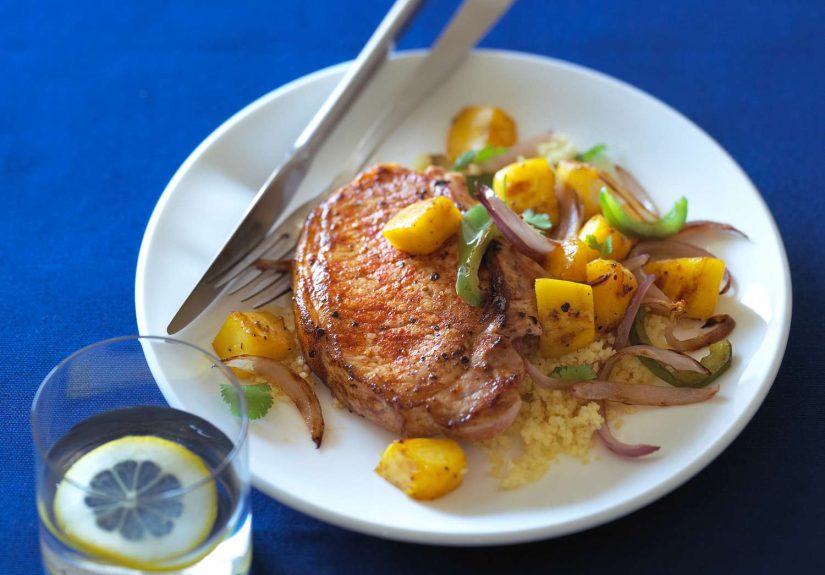
Today we’re clearing their good name with paprika pork chops: deeply seasoned, beautifully browned,
and juicy enough to make you wonder why you ever feared “the other white meat.”
The secret isn’t complicated. It’s a smart cut, a quick salt move (dry brine), a paprika-forward rub that
won’t burn, and cooking to the right temperature so your chops stay tender instead of auditioning for
a doorstop role. We’ll also make an optional pan sauce that tastes like you tried way harder than you did.
Why Paprika Works So Well on Pork Chops
Paprika is basically the “glow-up” spice: it brings color, a gentle sweetness, and (if you choose smoked paprika)
a subtle barbecue vibe without needing a smoker, a grill, or a neighbor who “really knows brisket.”
Pork is mild and loves bold seasoning, so paprika turns simple chops into a dinner that feels restaurant-y
with the added perk that you’re still wearing sweatpants.
Pick Your Paprika: Sweet, Smoked, or Hot
- Sweet paprika: classic, warm, slightly fruitygreat for an all-purpose paprika pork chop.
- Smoked paprika: adds a smoky depth (like campfire memories, minus the mosquitoes).
- Hot paprika or cayenne: for a gentle kickuse sparingly so it doesn’t bulldoze the other flavors.
Paprika Pork Chops (Skillet + Quick Pan Sauce)
This is the most reliable method for juicy chops: a hard sear for a crust, then a brief finish so the inside
stays tender. The optional sauce is fast and built right in the same panbecause dishes are a scam.
Ingredients (Serves 4)
- 4 pork chops, 1 to 1¼ inches thick (bone-in preferred, but boneless works)
- 1½ teaspoons kosher salt (plus more to taste)
- 2 teaspoons sweet paprika
- 1 teaspoon smoked paprika (optional but highly recommended)
- 1 teaspoon garlic powder
- 1 teaspoon onion powder
- ½ teaspoon black pepper
- 1 to 2 teaspoons brown sugar (optional, helps browning and balances spice)
- 1 to 2 tablespoons neutral oil (avocado, canola, grapeseed)
- 1 tablespoon butter (for finishing, optional but delicious)
Optional Quick Pan Sauce
- 2 cloves garlic, minced
- ½ cup chicken broth (or water in a pinch)
- 1 teaspoon apple cider vinegar or lemon juice
- 1 teaspoon Dijon mustard (optional)
- 1 tablespoon butter (to make it glossy)
- 1 to 2 tablespoons sour cream (optional, for a creamy paprika sauceadd off heat)
- Chopped parsley or chives (optional, for freshness)
Equipment
- Large skillet (cast iron is ideal)
- Instant-read thermometer
- Tongs
Step-by-Step Instructions
1) Dry brine for juicier chops (10–45 minutes)
Pat the pork chops dry. Sprinkle both sides with the kosher salt and let them situncoveredat room temp for
10 to 45 minutes (or refrigerate uncovered up to a few hours if you’re planning ahead).
This quick “dry brine” helps seasoning penetrate and improves browning.
2) Make the paprika rub
In a small bowl, mix sweet paprika, smoked paprika (if using), garlic powder, onion powder, black pepper,
and brown sugar (if using). After the chops have dry brined, pat them dry again if they look damp,
then coat them evenly with the rub.
3) Stop the “pork chop curl” (30 seconds, optional but helpful)
If your chops have a fat cap along the edge, make small snips through the fat every ½ inch or so (don’t cut into
the meat). This helps prevent curling and promotes even contact with the pan for a better crust.
4) Sear for a deep crust
Heat a large skillet over medium-high heat. Add oil and swirl to coat. When the oil shimmers, add the chops.
Sear 3–4 minutes per side (depending on thickness) until deeply browned. If paprika threatens to darken too fast,
reduce heat slightlypaprika is flavorful, not interested in becoming charcoal.
5) Finish gently, then rest
Lower heat to medium and continue cooking, flipping once more if needed, until the thickest part hits
140–145°F. Transfer chops to a plate and rest at least 3 minutes.
Carryover cooking will finish the job, and resting keeps juices in the meat instead of on your cutting board.
Optional: Make the Pan Sauce (5 minutes)
Turn heat to medium. Add minced garlic to the skillet and stir for 20–30 seconds (just until fragrant).
Pour in broth and scrape up the browned bits (that’s flavor you already paid for).
Stir in vinegar (and Dijon if using). Simmer 1–2 minutes until slightly reduced.
Off heat, swirl in butter until glossy.
Want it creamy?
Let the sauce cool for a moment, then stir in sour cream so it stays smooth. Taste and adjust salt/acid.
Spoon over the paprika pork chops and scatter with herbs if you’re feeling fancy (or trying to impress someone).
How to Keep Paprika Pork Chops Juicy (Not Dry)
Choose the right chop
Thick, bone-in chops are more forgiving and tend to stay juicier. Thin chops can work, but the window between
“perfect” and “oops” is basically one TikTok scroll.
Use a thermometer like a kitchen grown-up
Pork chops are best when cooked to a safe temperature without going too far. The goal is a chop that’s tender,
not one that needs a glass of water and an apology. Pull close to 145°F and rest.
Don’t skip resting
Resting isn’t optional; it’s the moment the chop reabsorbs juices and becomes the version of itself it always
dreamed of being.
Easy Variations
1) Oven-finished paprika pork chops
Prefer a more hands-off finish? Sear the chops, then move the skillet to a 375°F oven and finish until they hit
the target temperature. This is great for thick chops and keeps the crust from over-browning in the pan.
2) Baked paprika pork chops (sheet pan)
For weeknights when you want minimal babysitting, rub the chops, bake on a sheet pan, and start checking early
so you don’t overshoot. Pair with a tray of broccoli or potatoes so dinner feels like one cohesive plan.
3) Hungarian-ish creamy paprika pork chops
Lean into a paprika-and-sour-cream vibe: add sautéed onions to the sauce, use more sweet paprika,
and serve over egg noodles or mashed potatoes. Comfort food energy: high.
Serving Ideas That Make This Meal Feel Complete
- Buttery egg noodles or mashed potatoes (especially with the creamy sauce)
- Roasted green beans, broccoli, or asparagus for crunch and balance
- Simple salad with a tangy vinaigrette to cut the richness
- Applesauce or sautéed apples if you want sweet + smoky harmony
Make-Ahead, Storage, and Reheating
Make-ahead
You can dry brine the chops a few hours ahead and keep them uncovered in the fridge. Rub right before cooking
for the freshest spice aroma.
Storage
Store leftovers in an airtight container for up to 3–4 days. Keep sauce separate if possible.
Reheating (without drying out)
Reheat gently: a covered skillet on low with a splash of broth/water, or the microwave at 50% power in short bursts.
High heat turns leftovers into “pork jerky, but make it sad.”
FAQ
Can I use boneless pork chops?
Yes. Choose thicker boneless chops if you can, and watch the temperature closelyboneless can overcook faster.
Will paprika burn in a hot pan?
It can if the heat is screaming. Medium-high is great for searing, but if you see the spices darkening too fast,
reduce the heat a notch. You want browned meat, not scorched seasoning.
Do I need sugar in the rub?
No, but a small amount can help browning and balance paprika’s earthy sweetness. Skip it if you prefer.
What’s the safest way to know they’re done?
Use a thermometer and rest the meat. It’s the simplest path to chops that are both safe and juicy.
Kitchen Notes and Real-Life “Paprika Pork Chop” Experiences (Extra)
If you’ve ever told yourself, “I’m making pork chops tonight,” and immediately felt a tiny wave of anxiety,
congratulationsyou are a normal person with a memory. Many of us grew up with pork chops that were cooked
like they had personally offended the chef. The result: dry, tough, and only edible if you had enough ketchup
(or denial). The good news is that paprika pork chops are basically the redemption arc, and the process teaches
you a few kitchen lessons that carry over to almost everything else you cook.
First, there’s the grocery store moment. You stand there looking at a stack of thin chops wrapped in plastic,
and you realize: thin chops are the speed-runners of overcooking. The experience of upgrading to thicker,
preferably bone-in chops feels almost unfairlike discovering your car had a “sports mode” the whole time.
The chop cooks more evenly, stays juicy longer, and gives you a wider window to get the crust right without
turning the center to dust.
Then comes the seasoning. Paprika is a confidence-builder because you can see it working. The color is bold,
and the aroma has that warm, toasty vibe that makes your kitchen smell like you have a plan. People often notice
the difference immediately: the chops look “restaurant” before they even hit the skillet. And because paprika
plays nicely with garlic and onion powders, it creates that classic savory profile that tastes familiar but still
speciallike comfort food wearing a blazer.
The sear is where the experience gets dramaticin a good way. You put the chop down, it sizzles, and suddenly
you feel like the main character in a cooking montage. The biggest “aha” moment for most home cooks is learning
that you don’t need to cook pork forever. You need to cook it precisely. The thermometer becomes your
calm friend in a chaotic world. Instead of guessing, poking, and panicking, you check the temperature and move on
with your life. That tiny shifttrusting a measurementturns pork chops from a stressful dish into a repeatable one.
Another common real-life moment: the pan sauce epiphany. You’re scraping browned bits off the skillet and thinking,
“Wait, this is flavor?” Yes. It’s concentrated, savory goodness that you accidentally created while doing the
responsible thing (searing). When you add broth and a splash of vinegar, it smells like you’ve been simmering
something all day, even though it’s been five minutes and you were also answering texts. And if you go creamy with
sour cream, suddenly you’ve got a silky paprika sauce that makes noodles, mashed potatoes, or even plain rice feel
like they got invited to the good party.
Finally, there’s the leftover experience, which is surprisingly great when you treat it gently. Paprika pork chops
sliced thin the next day can become a sandwich with mustard and pickles, a quick protein for a salad, or a warm bowl
situation with grains and roasted vegetables. The biggest lesson from all these experiences is simple:
pork chops aren’t “hard”they’re just unforgiving if you overcook them. Once you cook to temperature, rest the meat,
and keep the paprika rub balanced, paprika pork chops become one of those dependable dinners you can confidently
make for yourself, your family, or anyone you’d like to impress without admitting how easy it was.
Conclusion
This paprika pork chops recipe is the kind of dinner that feels big on flavor but stays realistic for real life.
Choose thicker chops, season boldly, sear for a crust, and cook with a thermometer so you hit juicy perfection.
Add the quick pan sauce (creamy or not) and suddenly you’ve got a meal that tastes like effortwithout actually
requiring much of it. Pork chop redemption is officially underway.