Table of Contents >> Show >> Hide
- What Is Parosmia?
- Parosmia Symptoms: What It Feels Like Day to Day
- What Causes Parosmia?
- Why Does Parosmia Happen? A Simple Science Explanation
- How Parosmia Is Diagnosed
- Treatment Options for Parosmia
- 1) Treat the underlying nasal or sinus issue (when present)
- 2) Smell training (olfactory training): the top noninvasive tool
- 3) Nutrition protection: keeping you fed while your nose misbehaves
- 4) Medications and procedures: limited evidence, case-by-case use
- 5) Safety upgrades: because your nose is on sabbatical
- Coping With Parosmia: Practical Tips That Don’t Require Superpowers
- Recovery: How Long Does Parosmia Last?
- When to See a Doctor (and When to Seek Urgent Care)
- Real-World Experiences With Parosmia (What People Commonly Report)
- Conclusion
Imagine waking up, taking one heroic sip of coffee, and realizing it now smells like a campfire that lost a fight with a trash can.
Not “strong,” not “weird,” but deeply wrong. If that sounds familiar, you may be dealing with parosmiaa condition
where real smells get “remixed” by your nervous system into something unrecognizable (and often unpleasant).
Parosmia isn’t rare, especially after viral illnesses, and it can be surprisingly disruptive: eating becomes a strategy game,
cooking feels like a prank, and everyday tasksbrushing teeth, washing dishes, walking past the detergent aislecan turn into sensory
jump scares. The good news: for many people, parosmia improves with time and the right support. The tricky part: recovery isn’t always
linear, and the timeline can test your patience in ways you didn’t know you owned.
This guide breaks down parosmia symptoms, causes, diagnosis, treatment options, and recovery in plain American Englishwith
enough science to be useful, plus practical tips for getting through meals, mornings, and the “why does shampoo smell like onions?” era.
What Is Parosmia?
Parosmia is a type of olfactory (smell) disorder where familiar odors smell different than they should.
In many cases, pleasant smells become foul, burnt, chemical, metallic, or rotten. Unlike “not smelling much,” parosmia is more like your
brain is receiving the signalthen interpreting it incorrectly.
Parosmia often shows up during recovery from smell loss (anosmia) or reduced smell (hyposmia), especially
after upper respiratory infections. It can also occur after head injury, chronic sinus problems, or certain neurologic conditions.
Parosmia vs. Phantosmia vs. Anosmia
- Parosmia: A real smell is present, but your perception of it is distorted.
- Phantosmia: You smell something that isn’t there (a “phantom” odor).
- Anosmia: Loss of smell (partial or complete).
These can overlap. Some people lose smell first, then develop parosmia as the system starts rebooting. Others get parosmia without ever
noticing full smell loss. Either way, your experience is valideven if your nose currently thinks garlic is a war crime.
Parosmia Symptoms: What It Feels Like Day to Day
The hallmark symptom is distorted smell perception. But parosmia is more than “things smell off.” It can change how you eat,
socialize, and feel in your body.
Common parosmia symptoms
- Foul or “burnt” smell from foods and common household items
- Specific triggers (often coffee, onions, garlic, meat, eggs, toothpaste, some perfumes/cleaners)
- Nausea or gagging with certain odors
- Reduced appetite or weight changes due to food aversion
- Flavor changes (because “taste” is heavily influenced by smell)
- Emotional stress, irritability, anxiety, or low mood
A quick reality check about “taste”
When people say “I can’t taste,” they often mean “I can’t smell.” Your tongue detects basic tastes (sweet, salty, sour, bitter, umami),
but the rich “flavor” of foodcoffee’s roast, mint’s brightness, a tomato’s garden vibecomes from aroma traveling up to the olfactory system.
So parosmia can make foods taste “wrong” even if your taste buds are doing their job faithfully.
What Causes Parosmia?
Parosmia usually happens when the smell system is injured and then tries to repair itself. The injury can be in the nose’s olfactory lining,
the nerve pathways that carry signals, or the brain networks that interpret those signals. Think of it as a phone call with a bad connection:
the message arrives, but the words are scrambled.
1) Post-viral infection (including COVID-19)
Viral upper respiratory infections are among the most common reasons people develop smell problems. COVID-19, in particular, brought smell loss
and smell distortion into the spotlight. Some people develop parosmia weeks to months after infectionsometimes after a phase of reduced smell,
sometimes seemingly out of nowhere.
2) Chronic sinus or nasal problems
Nasal polyps, ongoing sinus inflammation, allergic rhinitis, and structural blockage can interfere with airflow to the olfactory area and
contribute to smell dysfunction. If your nose is chronically congested, swollen, or obstructed, smells may not reach the receptors properly.
3) Head trauma
A blow to the head can injure the olfactory nerves or the brain regions involved in smell. Even mild trauma can lead to long-term smell changes
in some people. If parosmia follows a head injury, it deserves medical attention.
4) Neurologic and metabolic conditions
Smell disorders can sometimes be associated with neurologic disease (such as Parkinson’s disease) or broader health conditions. This does not
mean parosmia automatically signals something seriousbut it’s one reason clinicians take new smell changes seriously, especially if there are
other symptoms.
5) Medications, toxins, and smoking
Some medications can affect smell and taste. Chemical exposure (including certain solvents) and cigarette smoke can damage the nasal lining and
contribute to olfactory dysfunction. If you recently changed medications or had a workplace exposure, mention it to a clinician.
Why Does Parosmia Happen? A Simple Science Explanation
Smell depends on specialized receptor neurons in the upper nasal cavity. These neurons detect odor molecules and send signals to the brain’s
olfactory bulb and related networks. After injuryespecially post-viral injurythose neurons can regenerate. That regeneration is good news,
but it may come with “miswiring” or incomplete signal patterns at first.
One theory is that as receptor cells regrow, they may reconnect in a slightly disorganized way. Another is that inflammation or altered support
cells change how signals are transmitted. The result can be a smell “code” that your brain interprets incorrectly. Over time, many people’s
systems refine and recalibrateespecially with targeted training and reduction of ongoing inflammation when appropriate.
How Parosmia Is Diagnosed
Parosmia is usually diagnosed based on your symptoms, medical history, and an examoften by a primary care clinician or an
ENT (ear, nose, and throat) specialist (also called an otolaryngologist).
What your clinician may ask
- When did smell distortion start, and was there a viral illness beforehand?
- Did you have smell loss first, or did distortion appear suddenly?
- Which odors trigger symptoms? Coffee, meat, toothpaste, soaps?
- Any nasal congestion, allergies, sinus infections, polyps, or frequent nosebleeds?
- Any head trauma, new neurologic symptoms, or severe headaches?
- Medication changes or chemical exposures?
- How is this affecting eating, sleep, mood, and safety (gas/smoke detection)?
Possible exam and tests
- Nasal exam to check inflammation, infection, or obstruction
- Smell testing (standardized odor identification/discrimination tests used in clinics)
- Nasal endoscopy (in some cases) to look deeper into nasal passages and the olfactory cleft
- Imaging (CT or MRI) if red flags suggest structural or neurologic causes
If your smell change is recent and severeor comes with neurologic symptoms, significant head trauma, or unexplained weight loss from inability
to eatseek medical care promptly.
Treatment Options for Parosmia
Here’s the honest truth: there is no single “magic cure” for parosmia. Treatment focuses on (1) addressing any underlying cause that’s fixable,
(2) helping the nervous system recover, and (3) protecting your nutrition and quality of life while you heal.
1) Treat the underlying nasal or sinus issue (when present)
If allergies, chronic sinusitis, polyps, or other nasal inflammation are contributing, clinicians may recommend therapies such as saline rinses,
targeted allergy management, or other anti-inflammatory approaches. If there’s a physical obstruction, surgical options may be considered in
select cases. The goal is to improve airflow and reduce inflammation so the smell system has a better environment to function.
2) Smell training (olfactory training): the top noninvasive tool
Olfactory training (also called smell retraining therapy) is one of the most widely recommended approaches for
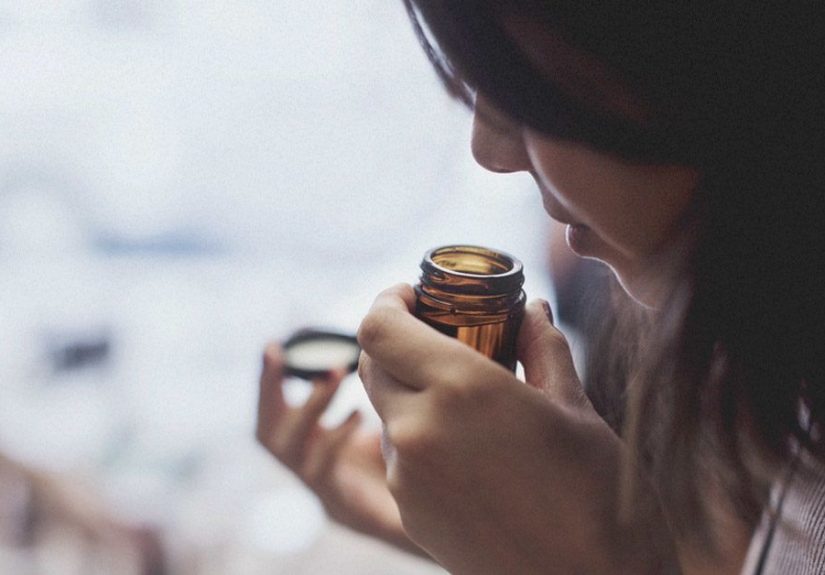
persistent post-viral smell problems. The basic idea is surprisingly simple: you repeatedly smell a set of distinct scents, focus your attention,
and give your brain consistent “practice signals” to rebuild accurate smell perception.
How smell training typically works
- Pick 4 scents that are clearly different (often floral, citrus, spice, and resin/herbal categories).
- Smell each one for about 10–20 seconds, paying attention and trying to recall what it should smell like.
- Repeat once or twice daily.
- Continue for at least 8–12 weeks (and sometimes longer), tracking changes over time.
Many protocols use essential oils (like rose, lemon, clove, eucalyptus), but the key is consistency and attentionnot the brand name on the bottle.
Some people rotate scents every few months to broaden training. You don’t have to suffer through triggers; use tolerable scents that are distinct.
3) Nutrition protection: keeping you fed while your nose misbehaves
Parosmia can make protein foods especially tough, which is cruel because your body is trying to repair tissue. If you’re struggling to eat,
your mission is “adequate nutrition,” not “perfect meals.”
Strategies that often help
- Go cold or room temp: Cold foods release fewer odors (think yogurt, smoothies, chilled rice bowls).
- Choose “bland base + safe flavor”: Plain carbs, then add tolerated sauces or acids (lemon can be either friend or enemytest gently).
- Swap protein sources: If meat is a trigger, try beans, tofu, Greek yogurt, nut butters, or protein shakes.
- Use texture: Crunchy, creamy, and fizzy sensations can make eating feel less smell-dependent.
- Small, frequent meals: Less exposure per sitting can reduce nausea.
If you’re losing weight unintentionally, can’t meet protein needs, or feel dizzy/weak, ask your clinician about a referral to a registered
dietitian. This isn’t “being dramatic”it’s basic maintenance.
4) Medications and procedures: limited evidence, case-by-case use
Depending on cause, clinicians may consider medication approaches (for example, addressing allergies or inflammation) or other interventions.
For post-viral parosmia specifically, evidence for many meds is mixed and evolving. That means you should be cautious with internet “miracle
protocols” and work with a clinician who can weigh risks and benefits for your situation.
Some emerging therapies are under investigation in specialized centerssuch as procedures involving platelet-rich plasma (PRP) injections for
certain smell disorders. These are not standard first-line care and may be available only through select clinics or clinical trials.
5) Safety upgrades: because your nose is on sabbatical
Smell is a safety sense. If you can’t reliably detect smoke, gas leaks, spoiled food, or strong chemicals, add backup systems:
- Test and replace batteries in smoke and carbon monoxide detectors.
- If you have gas appliances, consider a natural gas detector.
- Label leftovers with dates; rely on expiration dates and visual cues more than “sniff tests.”
- Ask a trusted person to help check for smoke/gas concerns if needed.
Coping With Parosmia: Practical Tips That Don’t Require Superpowers
Build a “safe list” and a “nope list”
Keep a note on your phone: foods and products that feel tolerable (safe list) and those that trigger nausea (nope list). Re-test every few
weeks because parosmia changes over time. You’re not failingyour nervous system is updating without sending you patch notes.
Choose low-odor hygiene products
Unscented soaps, shampoos, and detergents can reduce daily triggers. Brushing teeth can be hard; some people tolerate mild flavors better than
strong mint (others prefer cinnamonthis is very individual). If toothpaste is unbearable, ask your dentist for alternatives rather than skipping
oral care.
Protect your mental health (this is not “just smells”)
Smell is linked to memory, emotion, and appetite. Parosmia can cause grief (yes, grief) for normal life: food enjoyment, comforting scents, even
the ability to notice your own hygiene. If anxiety or depression is creeping in, talk with a healthcare professional. Support groups can also help,
especially for post-viral smell disorders, because explaining “my laundry smells like burnt rubber” to someone who hasn’t lived it can be…a lot.
Recovery: How Long Does Parosmia Last?
The timeline varies widely. Some people improve in weeks; others need months; a smaller group experience longer-term symptoms.
Recovery depends on the cause (post-viral vs. structural vs. head trauma), overall health, and whether ongoing inflammation or obstruction is present.
What recovery often looks like
- Nonlinear improvement: Better for a week, worse for a few days, then better again.
- Trigger shifting: Coffee is terrible, then tolerable; eggs are fine, then suddenly not.
- Gradual re-normalization: The “wrong smell” becomes less intense or less frequent over time.
- Continued change over many months: Especially after viral illness; some people continue improving long after the initial infection.
Smell training may support recovery by promoting consistent neural practice. It’s not instant, but it’s one of the few low-risk interventions
with meaningful clinical support in post-viral smell dysfunction.
When to See a Doctor (and When to Seek Urgent Care)
Get medical advice if parosmia is new, persistent, or disrupting your ability to eat, work, or function. It’s especially important to seek care if:
- Parosmia follows head injury.
- You have severe headaches, new seizures, fainting, or neurologic symptoms.
- You have persistent nasal bleeding, significant facial pain, or signs of serious infection.
- You’re losing weight unintentionally or can’t stay hydrated.
Parosmia is often benign and post-viral, but clinicians can help rule out treatable causes (like obstruction or chronic sinus disease) and support
safer recovery.
Real-World Experiences With Parosmia (What People Commonly Report)
The experience of parosmia can be so specific that it feels oddly personallike your nose has an opinion and it’s mostly negative. While everyone’s
triggers and timeline differ, there are patterns many people describe. The stories below are composites based on common patient experiences and
clinician-reported patterns, meant to help you feel less alonenot to replace medical care.
Experience #1: “It started when I thought I was getting better.”
A common post-viral pattern is: smell fades (or disappears), then partially returns… and suddenly familiar scents turn disgusting. People often say
this is the most confusing phase because it feels like a setback. “I was excited I could smell again,” someone might explain, “but then everything
smelled like burnt chemicals.” In many cases, the distortion is a sign the system is active again, even if it’s currently sending messy signals.
During this phase, folks often do best by avoiding trigger foods, keeping meals simple, and starting smell training with gentle, tolerable scents.
Progress can show up as smaller “bad smell” bursts, fewer triggers, or a moment when something finally smells normal againusually when you least
expect it (like sniffing a lemon and thinking, “Wait…is that actually lemon?”).
Experience #2: “Food became math.”
Many people describe eating with parosmia as running a tiny laboratory experiment several times a day. They learn rules like “cold foods are safer,”
“plain carbs won’t betray me,” and “protein is the final boss.” Some avoid cooking odors by using an air purifier, opening windows, or choosing
microwave/low-odor meals. Others build a reliable rotation: oatmeal, yogurt, smoothies, rice, mild soups, and a few “safe” fruits or vegetables.
There’s often trial-and-error with seasoningsacidic flavors help some people, while they trigger others. One helpful mental shift is treating meals
as “fuel plus comfort” rather than “a big sensory event” until recovery catches up.
Experience #3: “The hardest part wasn’t the smellit was the isolation.”
Parosmia can be socially awkward. People may dread restaurants, worry about body odor they can’t judge, or feel embarrassed explaining why they can’t
tolerate normal foods. Some report avoiding social events because the smells are overwhelming or because they don’t want to seem “picky.” What helps:
telling one trusted person the honest version“My smell is distorted right now, and some odors make me nauseated”and planning low-pressure options,
like meeting for a walk or choosing a café where you can sit outside. Many people also find relief in online support communities for smell disorders,
where “coffee smells like a landfill” is met with immediate recognition instead of confusion.
Experience #4: “Smell training felt silly…until it didn’t.”
Smell retraining can feel awkward at first: sniffing bottles twice a day, concentrating hard, and trying to remember what something “should” smell like.
But many people report that the routine gives them a sense of controland a way to track change. They might notice tiny improvements: one scent becomes
less offensive, a brief flash of normal smell appears, or a trigger becomes tolerable again. Keeping a simple journal (“coffee: 2/10 awful today”)
can make progress more visible, especially because recovery is often nonlinear. For some, the biggest win isn’t perfect smellit’s being able to eat
enough, enjoy a few favorite foods again, and go through daily life without constant sensory ambushes.
If you’re in the thick of it: you’re not imagining things, you’re not being dramatic, and you’re not alone. Parosmia is a real neurologic-sensory
problem. With time, support, and safe strategies, many people move from “everything is gross” to “some things are weird” to “hey, that actually smells
like it’s supposed to.” And when that day comes, you may want to celebrate by smelling a jar of peanut butter like it’s a fine wine. No judgment.
Conclusion
Parosmia can feel like your senses have been replaced by a mischievous gremlin, but it’s a recognized medical conditionoften tied to post-viral
recovery, nasal inflammation, head injury, or other treatable causes. Diagnosis usually starts with history and a nasal exam, with additional tests
when needed. Treatment focuses on addressing underlying issues, protecting nutrition and safety, and using evidence-supported tools like smell training.
Recovery is often gradual and nonlinear, but many people improve over timeespecially when they reduce triggers, support their health, and get help when
symptoms affect eating or quality of life.