Table of Contents >> Show >> Hide
- Why These “Transformation” Stories Go Viral So Fast
- What Counts as Bullying vs. Plain Old Meanness?
- What the Research Says About Bullying, Looks, and Mental Health
- Why the Transformations Look So Dramatic
- The Part We Shouldn’t Ignore: A “Glow-Up” Is Not a Moral Victory
- How to Support Someone Being Bullied for Their Looks
- What These Jaw-Dropping Transformations Really Reveal
- Experiences Related to Appearance Bullying and Transformation (Extended Section)
- Conclusion
Let’s be honest: “glow-up” stories are catnip for the internet. One swipe and you’re staring at a middle-school yearbook photo on the left and a radiant, confident adult on the right, wondering whether the transformation involved puberty, skincare, therapy, better lighting, or a small miracle delivered by a really good eyebrow technician.
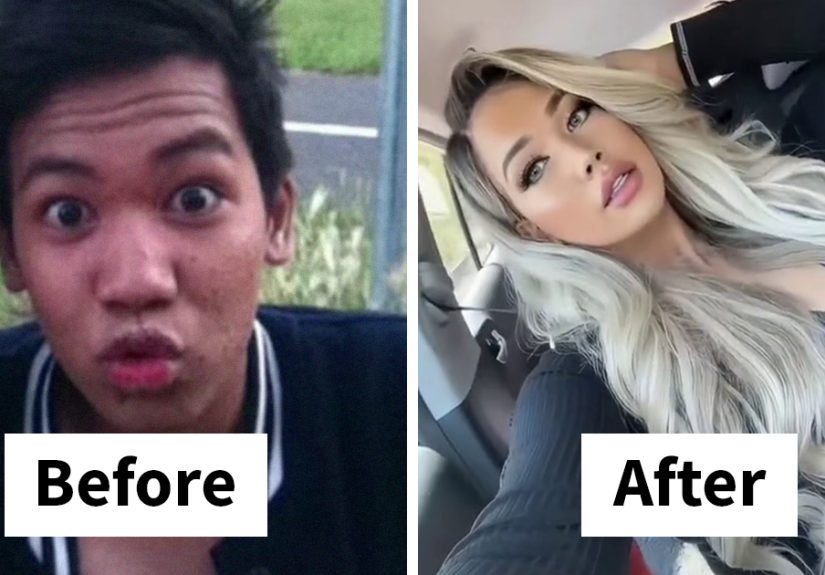
But behind many jaw-dropping transformations is a less glamorous truth: a lot of people were bullied for how they looked. They were mocked for their teeth, skin, weight, height, hair, clothes, facial features, or simply for looking “different” in a classroom full of kids trying way too hard to be the same. And years later, when they post a before-and-after, the photos don’t just show a style upgrade. They show survival.
This article takes a deeper look at why these stories resonate so strongly, what research says about appearance-based bullying and cyberbullying, and why true transformation is usually more than a haircut and a good angle. Yes, the glow-ups can be stunning. But the real jaw-dropper is often the confidence people rebuilt after being told they weren’t enough.
Why These “Transformation” Stories Go Viral So Fast
Viral transformation posts usually follow a familiar pattern: a person shares an old photo (sometimes painfully awkward, sometimes completely normal), a current photo, and a caption that reveals they were teased or bullied for their looks. The comments flood in with equal parts shock (“No way that’s the same person”), support (“You look amazing”), and collective guilt over how cruel people can be when they’re young.
The reason these posts hit hard is that they tap into something almost everyone understands: the fear of being judged by appearance. Even people who were never severely bullied often remember at least one comment that stucksomething said casually, cruelly, or “as a joke” that lodged itself in their brain for years.
In that sense, transformation stories aren’t just about beauty. They’re about power. The person who once felt humiliated is now telling the story on their own terms. They control the caption, the frame, the context, and often the punchline. It’s not just “Look how different I look.” It’s “Look how wrong they were about me.”
That said, the healthiest versions of these stories don’t frame the ending as “now I’m attractive, so I finally matter.” They frame it as “I learned to see myself differently, and I stopped letting other people define my worth.” That distinction mattersa lot.
What Counts as Bullying vs. Plain Old Meanness?
Not every rude comment is bullying, but repeated appearance-based humiliation can absolutely become bullying. In general, bullying involves a pattern of aggressive behavior, repetition, and a power imbalancewhether that power comes from popularity, social status, age, or group dynamics.
Appearance-based bullying can happen in person (name-calling, mocking, exclusion, rumors) or online (comments, DMs, edited photos, group chat ridicule, and “jokes” that are not jokes to the target). The digital version is especially brutal because it follows people home and can spread fast.
This is one reason transformation stories are often emotionally intense: the humiliation wasn’t a one-time event. For many people, it was a repeated experience that shaped how they dressed, spoke, made friends, smiled in photos, or avoided being seen at all.
What the Research Says About Bullying, Looks, and Mental Health
Bullying is common, and the impact is not “just a phase”
Public-health data continues to show that bullying is widespread among young people in the United States. Recent federal data has found that about one-third of teenagers reported being bullied in the last 12 months. That is not a tiny problem tucked into one hallway or one grade levelit’s a major youth well-being issue.
Research also shows a strong link between bullying and mental health challenges. Teens who report being bullied are significantly more likely to report symptoms of anxiety and depression. That helps explain why appearance-based bullying can linger long after the actual comments stop. The insult may have lasted five seconds; the self-consciousness can last years.
Looks are a frequent reason for cyberbullying
Online harassment has become a major part of the story. Surveys of U.S. teens show that cyberbullying is common, and physical appearance is one of the most frequently cited reasons young people believe they were targeted. In other words, it’s not just “kids are online more”; it’s that many are being judged, mocked, and socially punished specifically for how they look.
Appearance-based attacks also overlap with gendered harassment, weight stigma, racism, and anti-LGBTQ+ bullying. A comment may look like a “simple insult” on the surface, but underneath it may reinforce broader biases about whose body, face, skin, hair, or style is considered acceptable.
Weight, skin conditions, and visible differences are common targets
Certain appearance-related traits become easy targets in school environments: body size, acne, dental issues, braces, hair texture, facial differences, or anything peers decide is “uncool” that year (which, to be fair, can change every six minutes). Medical and pediatric sources have long noted the emotional toll of weight-based teasing and bullying, including its effects on self-esteem, school participation, and physical activity.
Dermatology organizations also recognize how visible skin issues like acne can affect self-confidence and social functioningespecially when peers are unkind. This matters because many “jaw-dropping transformations” involve changes that are partly developmental or treatable (skin clearing, orthodontics, style changes), not some magical overnight reinvention.
Why the Transformations Look So Dramatic
Here’s the part the internet often skips: most transformations are not one thing. They’re usually a stack of changes happening over time.
1) Puberty did what puberty does
Faces change. Bodies change. Baby fat shifts. Jawlines become more defined. Features “settle.” A lot of people who were bullied in middle school simply grew into their features. That’s not a failure on their partit’s biology taking its sweet time.
2) They finally had control over their style
Many kids and teens are working with whatever clothes, haircuts, and routines are available to them. As they get older, they gain money, autonomy, and taste. Suddenly they can pick glasses that suit their face, learn skincare, experiment with hair, or wear clothes that reflect who they are instead of whatever was on sale in the back-to-school aisle.
The result can look dramatic, but it often reflects access and self-expressionnot a sudden transformation into a different person.
3) Confidence changes how people carry themselves
This is the underrated piece. The person in the “before” photo may have been slouching, hiding, avoiding eye contact, or smiling with their lips closed because they were self-conscious. Years later, they stand taller, meet the camera, and look relaxed. That kind of transformation reads as “glow-up” immediately.
Confidence doesn’t change bone structure, but it can completely change presence. And presence is what people often react to.
4) They found better people
A healthier environment can transform someone faster than a trendiest skincare routine. When people move from judgmental peer groups to supportive friendships, teams, workplaces, or communities, they stop spending all their energy on self-protection. They start experimenting, laughing more, taking photos, and showing up as themselves.
In many transformation stories, the visible changes are realbut the social changes are what made the visible changes possible.
5) Healing happened (and healing shows)
Therapy, mentoring, body neutrality, self-compassion, and time can all change how someone relates to the mirror. Healing doesn’t always make someone look different in a measurable way, but it often makes them look more alive, less guarded, and more comfortable in their own skin.
And yes, that shows up in photos. You can see it in the eyes.
The Part We Shouldn’t Ignore: A “Glow-Up” Is Not a Moral Victory
It’s tempting to treat transformation stories like a movie montage where the bullied kid becomes conventionally attractive and wins. But real life is messierand frankly more important.
Not everyone gets the kind of visual transformation the internet rewards. Some people still look very much like the version of themselves who was bullied. Others live with visible conditions, disabilities, scars, or features that still attract comments. Their worth is not lower. Their story is not less powerful.
Also, chasing a “perfect” appearance can become its own trap, especially in a social media world built on filters, comparison, and pressure to present a polished version of yourself. Experts continue to warn that social media can intensify body dissatisfaction and appearance anxiety for some young people.
So yes, celebrate transformation photos. But celebrate the deeper transformation most of all: boundaries, confidence, self-respect, and the refusal to shrink.
How to Support Someone Being Bullied for Their Looks
If you’re a parent, caregiver, or trusted adult
- Take it seriously. Appearance-based teasing can have a real emotional impact, especially when repeated.
- Listen before you leap. Gather details calmly so the person feels heard, not interrogated.
- Name the behavior. Make it clear that bullying is not the target’s fault.
- Document patterns. Screenshots, dates, and incidents help when schools or platforms need evidence.
- Coordinate support. Teachers, counselors, coaches, and administrators can help interrupt repeated harassment.
- Rebuild identity outside appearance. Reinforce strengths, talents, humor, kindness, creativity, persistenceanything that reminds them they are more than a target.
If you’re the person being targeted
- Tell someone. Bullying thrives in silence.
- Don’t confuse cruelty with truth. Repetition makes insults feel factual. They aren’t.
- Curate your digital space. Block, mute, report, and leave group chats that exist mainly to be cruel.
- Find one safe place. A friend group, hobby, sport, club, online community, or mentor can make a huge difference.
- Remember this: You do not owe anyone a “glow-up” to deserve respect.
What These Jaw-Dropping Transformations Really Reveal
The internet loves a dramatic before-and-after because it looks like proof that people can change. And they can. But the best transformation stories are not really about turning into someone “better-looking.” They’re about becoming less controlled by shame.
When someone who was bullied for their looks posts a transformation, they’re often doing more than showing a photo. They’re reclaiming a timeline. They’re saying: “That younger version of me deserved kindness too.” That message matters because it pushes back against the ugly idea that people only deserve respect once they become polished, thin, stylish, clear-skinned, or camera-ready.
The most jaw-dropping part of these stories, in the end, may not be the transformation itself. It may be the courage to be seen again.
Experiences Related to Appearance Bullying and Transformation (Extended Section)
If you read enough transformation stories, you start noticing a pattern that photos can’t fully capture: the “before” image often carries a whole emotional biography. A seventh-grade school picture with braces and a nervous smile might also represent years of being called names in the cafeteria. A blurry selfie from high school might look ordinary to strangers but feel like evidence to the person posting itevidence of the time they avoided eye contact, skipped parties, or learned to laugh along with jokes that hurt.
One common experience people describe is becoming hyperaware of one feature. Maybe it was their nose. Maybe it was acne. Maybe it was their weight, height, ears, hairline, or teeth. Once peers started commenting on it, that feature became the center of every mirror check. They stopped seeing a whole face and started seeing “the thing people make fun of.” Even compliments didn’t land, because the bullying had already trained their brain to scan for flaws.
Another experience is the “delayed confidence effect.” Some people say their transformation didn’t happen when they changed their appearanceit happened when they changed environments. They went to college, got a new job, joined a gym, moved cities, or found friends who didn’t rank people by looks. Suddenly, nobody was narrating their body back to them. That freedom changed how they dressed, how they smiled, and how they walked into rooms. The confidence came first. The so-called glow-up followed.
Many people also talk about the strange emotional whiplash of being treated differently later in life. The same person who was mocked at 14 may be praised at 24 for features they were bullied for before. Curly hair becomes “gorgeous.” Full lips become “trendy.” Thick eyebrows become “iconic.” This can feel validatingbut also maddening. It raises a fair question: did I change, or did trends change? Often, the answer is both.
There’s also the reunion effect (formal or informal). Someone runs into former classmates, posts a side-by-side online, or shares a transformation after years of silence. People react with shock and admiration, but the person sharing may feel something more complicated: pride mixed with grief. Pride for surviving. Grief for the years spent believing they were unworthy. A lot of transformation stories are, underneath the applause, stories of mourning lost time.
And then there are the quieter transformations that never go viral. The person who finally smiles with teeth in photos. The teen who stops wearing a hoodie in 90-degree weather to hide their body. The adult who goes to the beach without rehearsing self-criticism. The student who reports cyberbullying instead of deleting their account and disappearing. These moments don’t always produce a dramatic before-and-after collage, but they are absolutely transformations.
If this topic feels personal, that makes sense. Appearance-based bullying doesn’t just target how someone looks; it targets how safe they feel being seen. That’s why recovery often involves more than changing appearance. It involves rebuilding trust in your own reflection and in other people. It involves learning that your value was never supposed to be negotiated in a comment section, school hallway, or group chat.
So when people reveal jaw-dropping transformations, it’s worth celebrating the visible changessure. But it’s even more worth honoring the invisible ones: the courage, the healing, the boundaries, the humor, the self-respect, and the decision to stop apologizing for taking up space.
Conclusion
“People who were picked on and bullied for their looks reveal their jaw-dropping transformations” is more than a clickable headlineit’s a reminder that people can outgrow cruelty, rebuild confidence, and reclaim their image on their own terms. The strongest transformations are not just cosmetic. They are emotional, social, and psychological. They show what happens when shame loses its grip and self-worth gets the final word.