Table of Contents >> Show >> Hide
- What peppermint oil is (and what it isn’t)
- Key properties of peppermint oil
- Benefits with the best evidence
- Popular uses with weaker or mixed evidence
- How to use peppermint oil safely
- How to choose a quality peppermint oil
- Quick FAQs
- Real-world experiences (add-on): How people actually use peppermint oil
- Conclusion
Peppermint oil is the overachiever of the plant world: it can make your bathroom smell like a spa, your scalp tingle like it just heard gossip, and your stomach
consider behaving like a responsible adult. But between the “miracle cure” hype and the “it’s just a minty smell” skepticism, the real story is more interesting.
Peppermint oil has specific chemical properties, a few uses supported by decent research, and a long list of ways to use it safely without turning your day into
a regrettable science experiment.
This guide breaks down what peppermint oil is, why it feels cold, which benefits have the strongest evidence (hello, IBS and tension headaches), what’s more
“promising but not proven,” and how to use it without irritating your skin, your stomach, or your household members who are under the age of two (or under the
species “cat”).
What peppermint oil is (and what it isn’t)
Peppermint oil vs. peppermint extract vs. “mint flavor”
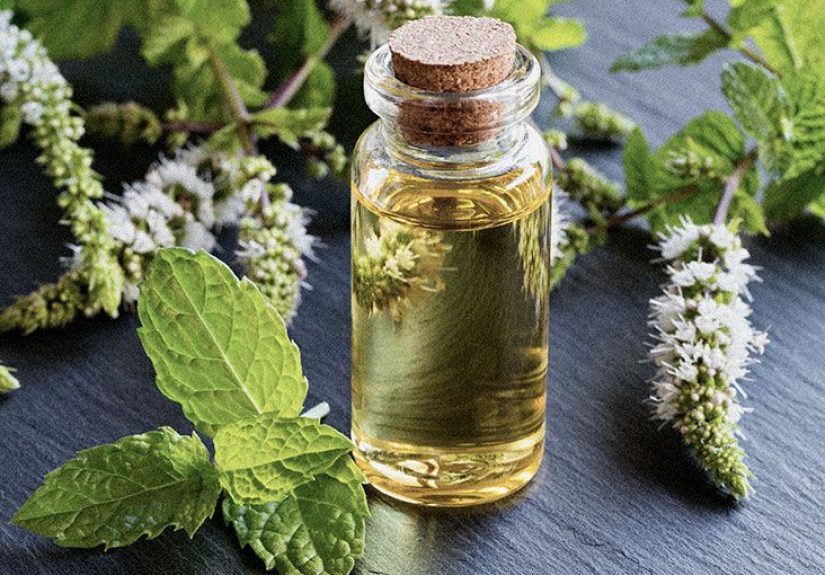
Peppermint oil usually refers to the essential oil distilled from the peppermint plant (Mentha × piperita). It’s highly concentrated and contains
aromatic compounds like menthol and menthone. That is different from:
- Peppermint extract (a food ingredient, typically peppermint plus alcohol/water, used for baking)
- Peppermint tea (gentler, water-based, with much lower levels of volatile compounds)
- Mint flavoring (which may be natural, synthetic, or a blend)
The essential oil is the “concentrated essence” versionpowerful in small amounts, and not automatically safe just because it’s from a plant.
How it’s made and what’s inside
Most peppermint essential oil is produced by steam distillation of the plant’s leaves and flowering tops. The exact chemical profile varies by growing
conditions and processing, but menthol is typically the headlinerresponsible for the signature cooling sensation and that crisp, “I just brushed my teeth”
vibe.
Key properties of peppermint oil
1) Cooling and soothing (thanks to menthol)
Menthol activates receptors involved in sensing coolness. That’s why peppermint oil can feel cold even when the room is not, in fact, a walk-in freezer.
This cooling sensation is one reason peppermint oil shows up in products for itching, minor aches, and tension headaches.
2) Smooth muscle relaxation (antispasmodic effects)
One of peppermint oil’s most studied properties is its ability to relax smooth muscle in the gastrointestinal tract. In everyday terms: it may reduce
cramping and spasms that contribute to abdominal pain and discomfortespecially in irritable bowel syndrome (IBS).
3) Antimicrobial activity (strong in the lab, mixed in real life)
Peppermint oil can show antimicrobial and antifungal activity in laboratory studies. That’s scientifically interesting, but it doesn’t automatically mean
it “kills infections” in your body or replaces medical treatment. Think of it as “biologically active,” not “a DIY antibiotic.”
Benefits with the best evidence
Peppermint oil for IBS symptoms
If peppermint oil had a resume, “IBS support” would be in bold. Research suggests that enteric-coated peppermint oil capsules can help some
adults with IBS, especially for overall symptoms and abdominal pain. Enteric coating matters because it helps the capsule pass through the stomach and release
in the small intestinereducing the odds that peppermint oil will cause heartburn on the way down.
What it may help: abdominal pain, cramping, bloating, and overall symptom scores in some people with IBS.
What to watch for: reflux, indigestion, peppermint burps, and (less commonly) nausea or abdominal discomfort.
Practical example: Someone with IBS who notices stress-related cramping might try an enteric-coated peppermint oil product as a short-term
tool while also working on basics like trigger foods, fiber type, hydration, movement, and stress reduction. Peppermint oil isn’t the whole planit’s one
potentially useful piece.
Peppermint oil for tension-type headaches
Topical peppermint oil (often in a diluted solution) has been studied for tension-type headaches. The cooling sensation and local effects may help reduce
headache intensity for some peopleespecially when applied to the temples and forehead. The key is proper dilution and avoiding the eyes (because “minty
eyeballs” is a life lesson you only need once).
How it’s commonly used: a diluted topical preparation applied at headache onset, sometimes reapplied after a short interval.
What it’s not: a substitute for urgent evaluation if you have “worst headache of your life,” new neurological symptoms, or other red flags.
Peppermint oil for nausea (especially via aromatherapy)
Peppermint has a long history of use for queasiness. The evidence for peppermint oil aromatherapy is promising in certain situations, but not equally strong
across the board. Still, for some people, inhalation (not ingestion) can feel calming when nausea is mildlike travel queasiness or that
“my stomach is being dramatic” sensation.
Simple example: putting one drop on a tissue, holding it a comfortable distance away, and taking a few gentle breaths. If it worsens nausea
or triggers a headache, that’s your cue to stop. Your nose gets a vote.
Popular uses with weaker or mixed evidence
Cold symptoms and “congestion relief”
Peppermint’s menthol smell can make breathing feel easier, but that’s not the same as actually clearing nasal passages or treating an infection. It may help
you feel less stuffed up, which is still a legitimate quality-of-life winjust keep expectations realistic.
Important safety note: Menthol-containing rubs and essential oils aren’t appropriate for babies and very young children, and peppermint oil
should not be applied to the face of infants or young kids due to breathing risks. When in doubt, skip it and ask a pediatrician.
Muscle soreness and minor aches
Peppermint oil is common in topical products for sore muscles because cooling can feel soothing and distracting (in a good way). For post-workout tightness,
it may be helpful as part of a broader recovery routine: hydration, sleep, gentle movement, andyessometimes actually resting.
Itching and skin discomfort
The cooling sensation can temporarily reduce the perception of itch for some people. But peppermint oil can also irritate skin if used undiluted or on already
sensitive areas. If you have eczema, rosacea, or easily-reactive skin, proceed carefully and patch test.
Focus, energy, and mood
Peppermint aroma can feel “wakeful,” and many people use it as a study scent or mid-afternoon slump reset. The research here is less definitive than for IBS,
but the “smells refreshing, helps me focus” effect is commonjust don’t confuse alertness with nutrition, sleep, or a reasonable workload.
How to use peppermint oil safely
Topical use: dilute, patch test, and avoid eyes
- Never apply undiluted peppermint essential oil directly to skin unless it’s specifically formulated for that purpose.
- A common starting range for adults is 1–2% dilution (about 1–2 drops per teaspoon of carrier oil), depending on sensitivity and area.
- Patch test on a small area first and wait 24 hours for irritation.
- Keep away from eyes, nostrils, and sensitive areas (the “minty regret zone”).
Oral use: don’t drink essential oil like it’s a wellness shot
Oral peppermint oil use should generally mean standardized, enteric-coated capsules intended for that purposenot essential oil added to
water, not “a few drops,” and not an internet dare. Essential oils are concentrated and can be harmful if misused.
Peppermint oil may worsen reflux in some people. If you have GERD, frequent heartburn, a hiatal hernia, gallbladder issues, or chronic medical conditions,
check with a clinician before using peppermint oil orally.
Kids, pregnancy, and pets: extra caution
-
Infants and young children: Avoid applying peppermint oil to the face or near the nose. Menthol vapors can pose breathing risks in young
kids. Use pediatric guidance instead of guesswork. -
Pregnancy or breastfeeding: Peppermint in food/tea is commonly used, but concentrated oils warrant a conversation with a healthcare
professional. - Pets: Many essential oils can be risky for pets, especially cats. Use diffusion cautiously, keep bottles secured, and avoid applying to fur.
Medication interactions and timing issues
Peppermint oil can interact with certain medications or affect how they’re absorbed or metabolized. It’s also commonly recommended not to take peppermint oil
capsules at the same time as antacids (which can dissolve the coating too early and increase heartburn). If you take prescription medicationsespecially those
with narrow safety marginsask a pharmacist or clinician before using oral peppermint oil.
How to choose a quality peppermint oil
Peppermint oil quality varies. If you’re using it for topical use or aromatherapy, look for:
- Botanical name on the label (Mentha × piperita)
- Single-ingredient products (no mystery fragrance blends unless you want those)
- Dark glass bottle (light and heat can degrade oils)
- Batch testing or GC/MS transparency (a good sign of quality control)
- Clear safety directions (a company that warns you is usually more trustworthy than one that promises miracles)
Quick FAQs
Is peppermint oil good for hair and scalp?
Peppermint oil can create a cooling, tingly sensation that some people like in scalp products, but it can also irritate sensitive skin. If you use it, keep
dilution low, avoid broken skin, and stop if you get burning, flaking, or redness.
Can peppermint oil “detox” the body?
Your liver and kidneys are already doing the detox work. Peppermint oil may support comfort (like cramping or headaches), but it’s not a detox shortcut.
Anyone selling “peppermint oil detox drops” is mostly selling confidence.
How fast does peppermint oil work?
It depends on the use. Aroma effects can feel immediate. Topical cooling is usually fast. Digestive benefits from enteric-coated capsules may take days to
assess. If something makes you feel worse quickly (burning skin, reflux, dizziness), stop.
Real-world experiences (add-on): How people actually use peppermint oil
The most common peppermint oil “success stories” aren’t dramatic movie scenesthey’re small, practical wins. Like: “I got through a meeting without my stomach
feeling like it was auditioning for a drumline,” or “I didn’t have to sit in a dark room whispering, ‘Please stop’ to my forehead.” Here are experience-based
patterns people often report, along with the safety-minded twists that keep those stories from turning into cautionary tales.
1) The IBS toolkit user. Many adults with IBS describe peppermint oil capsules as a “situational helper,” not a forever cure. A typical pattern
is using an enteric-coated product during flare-prone weekstravel, work deadlines, or food routine disruptionswhile also working on diet triggers and stress.
People who benefit often say the biggest change is less cramping and fewer “urgent” moments. People who quit usually mention reflux or peppermint burps. The
biggest lesson: the coating and timing matter, and if heartburn is already your personality, peppermint oil may not be your soulmate.
2) The tension-headache desk warrior. Office workers and students frequently describe peppermint oil as a “reset button” when tension headaches
creep in after hours of screen time. The experience usually goes like this: dilute it, dab it on temples, avoid eyes like they’re a glitter bomb, and then
combine it with the unsexy basicswater, a snack, neck stretches, and fixing posture. Some people love the cooling effect because it distracts from the pain.
Others find the smell too intense. A common tip is using less than you think you need; peppermint oil is not impressed by overconfidence.
3) The traveler with mild nausea. Peppermint oil inhalation is a popular “carry-on companion.” People who like it often use one drop on a
tissue or a personal inhaler and take a few gentle breaths when a car ride, boat ride, or turbulent flight makes their stomach feel uncertain about life
choices. The experience tends to work best for mild nausea and stress-related queasiness. If nausea is severe, persistent, or tied to dehydration, infection,
or medication side effects, peppermint aroma is usually not enoughand that’s a good time to switch from “comfort tricks” to “actual medical advice.”
4) The gym-goer and the “cooling rub” effect. After workouts, some people like peppermint oil diluted in a carrier oil for sore shoulders,
tight calves, or post-run feet. The benefit is often described as “it feels better right now,” which is not nothing. The smart users keep it off broken skin,
wash hands after application, and don’t layer it under heat (heat plus menthol can feel like a prank). The funniest consistent report is how quickly people
learn to avoid touching their face afterwardpeppermint oil teaches boundaries.
5) The home-and-self-care minimalist. Finally, a lot of peppermint oil use is simply about making routines more pleasantadding a tiny amount
(properly diluted and safely used) to a massage oil, a foot soak, or a room scent ritual that signals “work is done.” Even when the research isn’t definitive,
the experience of a calming routine can be real. The key is staying honest: enjoy peppermint oil for what it can do (comfort, cooling, scent), and don’t
demand it to do what it can’t (replace antibiotics, cure chronic disease, or make you immune to emails).
Conclusion
Peppermint oil is powerful, practical, andwhen used correctlyoften genuinely helpful. The most evidence-supported uses are enteric-coated peppermint oil for
certain IBS symptoms and topical preparations for tension-type headaches, with aromatherapy showing promise for mild nausea in some situations. Beyond that,
peppermint oil shines as a comfort tool: cooling, soothing, and refreshing.
The secret is respecting the concentration. Dilute it for skin, be cautious with kids and pets, avoid oral “DIY dosing,” and treat peppermint oil as a
well-studied helpernot a magical mint wand. Used wisely, it earns its spot in the “small bottle, big impact” category.