Table of Contents >> Show >> Hide
- What Is Polyunsaturated Fat?
- Foods High in Polyunsaturated Fat
- Health Benefits of Polyunsaturated Fat
- Potential Risks of Polyunsaturated Fat
- How Much Polyunsaturated Fat Do You Need?
- Polyunsaturated Fat vs. Monounsaturated Fat
- Are Seed Oils Bad?
- Real-Life Experiences With Polyunsaturated Fat: What Changes Actually Feel Like
- Final Thoughts
- SEO Tags
Polyunsaturated fat does not usually get the star treatment. Protein gets the gym selfies, carbs get the drama, and sugar gets blamed for everything from bad moods to bad decisions. Meanwhile, polyunsaturated fat is over here quietly doing important work like supporting your cells, helping your body use key nutrients, and showing up in foods that can fit beautifully into a heart-smart eating pattern.
That said, polyunsaturated fat is not magic fairy dust you can pour over fries and call wellness. Like all fats, it still has calories. Like all nutrition topics, context matters. And like many foods discussed online, it has collected enough myths to fill a pantry.
If you have ever wondered what polyunsaturated fat actually is, which foods contain it, whether omega-3 and omega-6 count, and whether there are any downsides, you are in the right place. This guide breaks it all down in plain English, with practical examples and zero nutrition snobbery.
What Is Polyunsaturated Fat?
Polyunsaturated fat is a type of unsaturated fat. In chemistry terms, its fatty acids have more than one double bond in their structure. In real-person terms, that means it behaves differently from saturated fat and is usually liquid at room temperature. It is commonly found in plant oils, nuts, seeds, and certain fish.
There are two main categories of polyunsaturated fat:
- Omega-3 fatty acids, which are found in foods such as salmon, sardines, trout, walnuts, chia seeds, and flaxseed.
- Omega-6 fatty acids, which are found in foods such as soybean oil, corn oil, sunflower oil, safflower oil, nuts, and seeds.
Some polyunsaturated fats are considered essential fatty acids. That means your body cannot make enough of them on its own, so you need to get them from food. In other words, this is not a “nice to have” nutrient category. Your body actually expects you to invite it to dinner.
Polyunsaturated fat also belongs to the broader family of “healthy fats,” along with monounsaturated fat. These fats are generally considered better choices than saturated fat and trans fat when you are thinking about heart health and overall dietary quality.
Foods High in Polyunsaturated Fat
Polyunsaturated fat is not hiding in obscure wellness powders or ingredients that sound like they were harvested on the moon. You can find it in ordinary foods at regular grocery stores.
Omega-3-Rich Foods
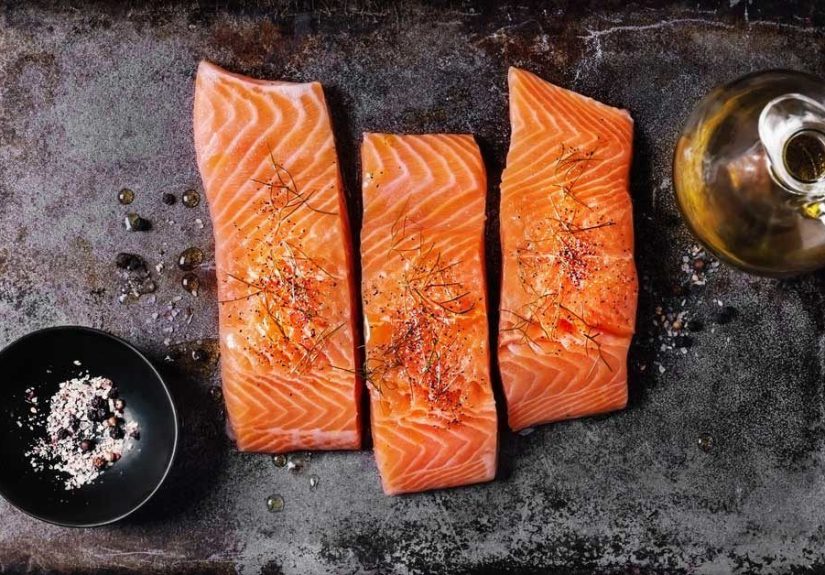
- Salmon
- Sardines
- Mackerel
- Herring
- Trout
- Tuna
- Walnuts
- Flaxseed and flaxseed oil
- Chia seeds
- Canola oil
- Soybean oil
Omega-6-Rich Foods
- Sunflower oil
- Safflower oil
- Corn oil
- Soybean oil
- Walnuts
- Sunflower seeds
- Pumpkin seeds
- Sesame seeds
- Soft margarines made with vegetable oils
- Mayonnaise and oil-based dressings
Many foods contain a mix of fats, so nutrition is not always a neat little sorting game. For example, walnuts contain both omega-3 and omega-6 fats. Fish often bring protein to the table too. Seeds add fiber, minerals, and crunch, which is really just nutritional overachievement.
Simple Ways to Eat More Polyunsaturated Fat
- Swap butter for a plant oil in cooking when it makes sense.
- Add walnuts or chia seeds to oatmeal or yogurt.
- Use salmon, trout, or sardines as a protein option a couple of times a week.
- Make salad dressing with oil instead of relying on creamy, saturated-fat-heavy options.
- Snack on roasted seeds or a small handful of nuts instead of ultra-processed snack foods.
Health Benefits of Polyunsaturated Fat
The biggest benefit of polyunsaturated fat is not that it is trendy. It is that, when used to replace saturated fat as part of a balanced eating pattern, it can support better cardiovascular health.
1. It Can Help Improve Cholesterol Levels
One of the best-known advantages of polyunsaturated fat is its effect on blood lipids. Replacing saturated fats with unsaturated fats, including polyunsaturated fats, can help lower LDL cholesterol, often called “bad” cholesterol. That matters because elevated LDL is linked with a greater risk of heart disease.
This is why nutrition advice often focuses less on slashing all fat and more on choosing better types of fat. In other words, the goal is not to fear every drizzle of oil. The goal is to make smarter swaps.
2. Omega-3s Support Heart Health
Omega-3 polyunsaturated fats get a lot of attention for good reason. They are associated with heart-health benefits, and seafood rich in omega-3s is part of many recommended healthy eating patterns. Certain omega-3s, especially EPA and DHA from fish and seafood, are also known for helping lower triglyceride levels.
That does not mean every fish-oil capsule is a golden ticket to perfect health. It does mean that eating fish regularly can be a smart, evidence-based move for many people.
3. Some Polyunsaturated Fats Are Essential for Normal Body Function
Your body uses fats for more than energy storage. Polyunsaturated fats help support cell structure and normal body processes. They also show up in foods that provide vitamin E and other nutrients your body needs to function properly. This is a helpful reminder that food is not just a delivery system for calories. It is a package deal.
4. Omega-6 Is Not the Villain the Internet Sometimes Claims
Omega-6 fats are often treated online like they are plotting against humanity in a dark laboratory. That is an exaggeration. Omega-6 fats are essential too, and research does not show that eating them in place of saturated fat raises heart disease risk. In fact, they can be part of a healthy dietary pattern.
The real issue is usually diet quality overall. If someone gets most of their fat from fast food, deep-fried snacks, pastries, and giant restaurant portions, the problem is not simply “omega-6.” The problem is the whole pattern.
Potential Risks of Polyunsaturated Fat
Polyunsaturated fat has clear benefits, but that does not mean more is always better or that every food containing it deserves a health halo.
1. Too Much Fat Still Means Extra Calories
All fats, including healthy ones, are calorie-dense. That is not a flaw. It is just math. Olive oil, sunflower oil, walnuts, salmon, and seeds can all fit into a healthy diet, but eating oversized portions can still push total calorie intake higher than intended.
This is where people sometimes get tripped up. They learn a fat is healthy, then treat it like a free-food coupon. Sadly, the human body did not approve that policy.
2. Food Source Matters
A food that contains polyunsaturated fat is not automatically nutritious. Chips fried in vegetable oil are not nutritionally equal to grilled salmon, walnuts, or a spoonful of chia seeds. Technically, both may contain polyunsaturated fat. Practically, they live very different lives.
It makes more sense to focus on whole or minimally processed foods and overall eating patterns instead of obsessing over one fat category in isolation.
3. Supplements Can Have Downsides
Omega-3 supplements may be helpful in specific situations, especially when recommended by a healthcare professional. But supplements are not risk-free. High doses can cause digestive side effects in some people, and omega-3 supplements can interact with certain medications, including blood thinners. This is especially important if you take anticoagulants or are preparing for surgery.
Prescription omega-3 products also differ from over-the-counter supplements, so it is not wise to assume they are interchangeable just because they share a fish on the label.
4. Fish Choice Matters for Some People
Fish is one of the best food sources of omega-3 fats, but seafood selection still matters. People who are pregnant or breastfeeding are generally advised to choose a variety of fish that are lower in mercury. The same principle matters for children. The good news is that there are many lower-mercury options, so this is more of a “choose wisely” issue than a “panic and abandon seafood forever” issue.
How Much Polyunsaturated Fat Do You Need?
There is no glamorous universal rule that says every adult must eat exactly the same number of grams of polyunsaturated fat every day. In practice, most guidance focuses on overall dietary pattern.
A good approach is to:
- Limit saturated fat.
- Replace some saturated fat with unsaturated fat, including polyunsaturated fat.
- Eat fish regularly, especially varieties rich in omega-3s.
- Include nuts, seeds, legumes, and plant oils in balanced portions.
- Avoid assuming that “more healthy fat” always equals “better.”
If you want an easy rule of thumb, think in swaps instead of additions. For example, choose walnuts instead of processed snack cakes, salmon instead of a heavily marbled meat entrée, or a vinaigrette instead of a butter-heavy sauce. That helps improve fat quality without accidentally turning lunch into a calorie ambush.
Polyunsaturated Fat vs. Monounsaturated Fat
These two healthy fats are close cousins, not rivals in a reality show finale.
Monounsaturated fat is found in foods like olive oil, avocados, and many nuts. Polyunsaturated fat is found in foods like fish, walnuts, seeds, and many vegetable oils. Both can support heart health when they replace saturated fat.
So which one should you choose? Usually, both. A healthy eating pattern does not require you to pick sides. You can cook with olive or canola oil, eat salmon one night, snack on walnuts another day, and move on with your life in peace.
Are Seed Oils Bad?
This is where nutrition conversations often wander off into the wilderness.
Many seed oils, such as sunflower, safflower, corn, and soybean oil, contain polyunsaturated fats. That alone does not make them harmful. In fact, these oils can be part of a healthy diet, especially when they replace sources of saturated fat.
Where confusion creeps in is that seed oils often appear in ultra-processed foods, fast foods, and fried foods. When people feel worse eating a highly processed diet, they sometimes blame the oil and ignore the larger pattern. That is a bit like blaming the shoelaces for the marathon.
The healthier question is not, “Does this food contain seed oil?” The healthier question is, “What kind of food is this overall, and what role does it play in my diet?”
Real-Life Experiences With Polyunsaturated Fat: What Changes Actually Feel Like
For many people, learning about polyunsaturated fat does not start in a classroom. It starts in a doctor’s office after a cholesterol check, in a grocery aisle while staring at three different bottles of oil, or in the middle of making lunch and realizing that nutrition advice somehow managed to become confusing enough to require detective work.
A common experience is that the first shift feels surprisingly small. Someone switches from butter-heavy toast habits to avocado toast with seeds. Another person starts keeping canned salmon or sardines in the pantry for quick lunches. Someone else begins topping salads with walnuts instead of bacon bits and realizes, rather rudely, that the salad still tastes good. These are not cinematic transformations with dramatic background music. They are ordinary swaps that slowly change the overall quality of the diet.
Another frequent experience is label fatigue. People try to “eat healthier,” then discover that packages scream words like natural, light, omega, and smart as if the food itself is campaigning for office. Over time, many learn that a simpler strategy works better: look at the food first, not just the marketing. A bag of walnuts, a can of trout, a spoonful of chia seeds, and a bottle of canola oil usually require less decoding than a snack bar with twelve health claims and the personality of a chemistry set.
Some people also notice that adding foods rich in polyunsaturated fat helps meals feel more satisfying. Oatmeal with flax and walnuts may keep you full longer than a sugar-loaded pastry. A grain bowl with salmon and seeds tends to have more staying power than a sad desk lunch made of crackers and wishful thinking. This does not mean fat is a miracle appetite switch. It means balanced meals with protein, fiber, and healthy fats often feel more substantial and easier to live with.
Then there is the cooking confidence piece. Plenty of people grew up hearing that “fat is bad,” full stop. So adding nuts, seeds, or oils to meals can feel weirdly rebellious at first, as if a tablespoon of sunflower oil is going to leap out of the pan and file a complaint. But once they understand the difference between fat types, the conversation shifts. The goal becomes choosing fats more wisely, not pretending food should be dry, joyless, and emotionally unavailable.
Of course, not every experience is instant success. Some people buy fish oil supplements and discover that their stomach has opinions. Others try to overhaul their whole diet in one week and end up with a refrigerator full of aspirational groceries and a takeout menu in hand by Friday. That is normal. Nutrition changes tend to stick better when they are realistic. One fish dinner a week, one better snack choice, one smart swap in cooking oil: those changes count.
Perhaps the most useful real-world lesson is this: people generally do best when they stop chasing a single “perfect” fat and start building a better overall pattern. Meals that include seafood, nuts, seeds, beans, vegetables, whole grains, and reasonable portions of healthy oils are usually easier to sustain than rigid food rules. And sustainable beats perfect almost every time.
So if your experience with polyunsaturated fat begins with confusion, that is fine. Most good nutrition habits begin that way. The win is not memorizing every fatty acid acronym like you are preparing for a biochemistry talent show. The win is making food choices that are a little smarter, a little steadier, and a lot more livable.
Final Thoughts
Polyunsaturated fat is one of the healthier types of dietary fat, and it deserves a place in a balanced eating pattern. It includes omega-3 and omega-6 fats, appears in foods like fish, nuts, seeds, and plant oils, and can support heart health when it replaces saturated fat rather than simply being piled on top of an already excessive diet.
The benefits are real, but so is the need for context. More is not automatically better. Food source matters. Supplements are not always necessary. And the healthiest move is usually the least flashy one: build meals around whole or minimally processed foods, use healthy fats in sensible portions, and stop expecting nutrition to work like a magic trick.
In short, polyunsaturated fat is not something to fear. It is something to understand and use wisely. Which, honestly, is great advice for most of the pantry.