Table of Contents >> Show >> Hide
- What Is an Open Concept Floor Plan?
- The Big Pros of Open Concept Floor Plans
- The Real-World Cons of Open Concept Floor Plans
- Are Open Concept Floor Plans Going Out of Style?
- How to Make an Open Concept Floor Plan Work Better
- Should You Choose an Open Concept Floor Plan?
- Real-Life Experiences with Open Concept Homes
- Conclusion: Finding Your Own Perfect Balance
For years, “tear that wall down” has been the unofficial motto of home
remodeling shows. Open concept floor plans promised brighter rooms,
better flow, and the ability to cook dinner while still keeping an eye on
kids, guests, or the dog plotting chaos behind the sofa. But after a
pandemic, a work-from-home revolution, and a lot of loud blenders,
homeowners and designers are rethinking just how “open” things really
need to be.
If you’re debating whether to knock down walls or put a few back up,
understanding the pros and cons of open concept floor plans is the best
place to start. Let’s walk through what open layouts actually do well,
where they fall short, and how to make one work in real life instead of
just on Instagram.
What Is an Open Concept Floor Plan?
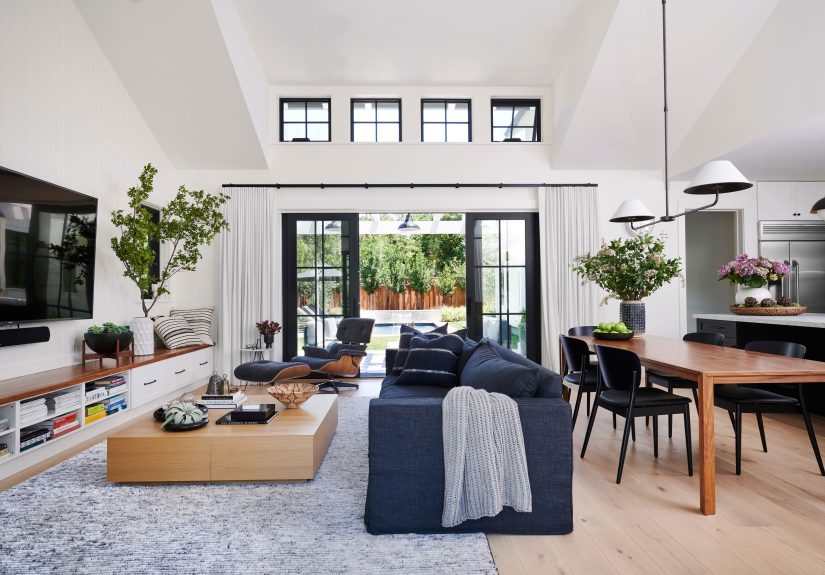
An open concept floor plan typically combines the kitchen, dining area,
and living room into one large, shared space with few or no walls in
between. Instead of distinct, closed-off rooms, you get a “great room”
where everything happens: cooking, eating, homework, Zoom calls, and
movie nights.
Historically, open layouts took off in mid-20th-century modern homes and
became mainstream in the 1990s and 2000s, helped along by design media
and reality TV. The promise was simple: fewer walls, more connection,
more light, and more flexibility. That promise is still realbut so are
the trade-offs, which have become pretty obvious now that many people
spend more time at home.
The Big Pros of Open Concept Floor Plans
1. More Natural Light and a Larger Sense of Space
One of the biggest draws of open concept floor plans is how large and
airy they feel. With fewer interior walls to block windows, natural
light can spread throughout the space, which makes even modest square
footage feel bigger and brighter.
That’s especially helpful in smaller homes, townhouses, or older houses
with relatively low ceilings. Removing a wall between a dark dining room
and a brighter kitchen can instantly change how the entire main floor
feels. Light travels, sightlines open up, and you don’t feel like you’re
moving from cave to cave just to get a snack.
2. Better Flow and Everyday Function
Open floor plans are popular because they make it easier to move around.
With fewer doors and hallways, traffic flows more naturally between
spaces. This is handy during busy mornings when multiple people are
trying to access the fridge, coffee maker, backpacks, and front door
simultaneously.
The layout also works well for entertaining. Guests can move easily from
the kitchen island to the sofa without feeling like they’re intruding in
a “back of house” cooking zone. You’re not stuck alone in the kitchen
while everyone else hangs out somewhere elseyour cooking, chatting, and
hosting all happen in the same space.
3. Social and Family-Friendly Living
For families, an open concept floor plan can make it easier to be
together while doing different things. You might be prepping dinner,
while one kid does homework at the dining table and another plays in the
living area, and you can still see and talk to everyone.
Parents of younger kids often appreciate the ability to keep an eye on
small humans who have a talent for climbing furniture or feeding cereal
to the dog. Open layouts can also be great for casual hangouts: game
nights, watching sports, or hosting friends for brunch.
4. Flexible Layouts and Multifunctional Zones
Without walls dictating where everything must go, you can arrange your
furniture to fit how you actually live. A sectional can carve out a cozy
TV zone, a rug can define a play area, and a big table can handle food,
laptop work, and craft projects.
This flexibility is especially useful as life changes. Your “playroom
corner” can slowly evolve into a teen homework and gaming station, or a
hobby area, without having to reconfigure walls or doors. As long as the
circulation path stays clear, your space can adapt with you.
5. Resale Appeal in Many Markets
In many parts of the U.S., open concept floor plans are still a big
selling point. Buyers are familiar with the style, and builders continue
to design new homes with at least partially open main living areas.
That said, the trend is shifting away from “one giant room for
everything” and toward layouts that balance open areas with more
separate spaceslike a den, office, or snug sitting room. More on that
in a moment.
The Real-World Cons of Open Concept Floor Plans
1. Noise, Noise, and More Noise
The biggest complaint about open concept homes can be summed up in one
word: noise. With fewer walls to absorb sound, everything travels:
clanging pots, TV dialogue, kids playing, phones ringing, and that very
enthusiastic ice maker.
If you work from home, share space with people on different schedules,
or just value quiet, a fully open layout can feel chaotic. Instead of
having a door to close, you’re stuck negotiating who gets the “soundtrack
rights” to the main living space.
2. Less Privacy and Fewer Quiet Corners
Along with sound, privacy is another big trade-off. In a traditional
layout, someone can read in the living room while another person cooks in
the kitchen and a third hangs out in a separate den. In an open concept
space, everyone shares the same environment, whether they want to or
not.
This became especially obvious during the pandemic, when multiple people
needed quiet places for video calls, online school, and focused work.
Designers and homeowners started to realize that a house full of open
spaces doesn’t necessarily support a life full of separate tasks.
3. Higher Heating and Cooling Costs
Big, open spaces usually mean more air to heat and cool. Without walls
to compartmentalize rooms, your HVAC system has to condition the entire
great room, even if only one person is sitting on the sofa.
That can lead to higher utility bills, especially in climates with
extreme heat or cold. By contrast, a more traditional layout may let you
close doors and focus heating or cooling where it’s actually needed.
4. Visual Clutter and Constant Tidying
In an open concept home, there’s almost nowhere to hide visual clutter.
Dishes on the counter, mail on the table, toys on the rug, laundry
basket lurking by the stairseverything is visible from everywhere.
That can be motivating if you love a tidy house, but it can also be
exhausting. Hosting friends for dinner may require a full-house reset,
not just a quick “close that door and shove the mess inside” maneuver.
5. Cooking Smells, Zoning, and Design Challenges
Open layouts can make it harder to control where smells, grease, and
smoke go. That garlic shrimp you love may linger in the sofa cushions
long after the plates are washed. Ventilation becomes more important in
open kitchens, and you may need a higher-powered range hood to keep
things comfortable.
Design-wise, open spaces are also trickier than they look. You have to
think about sightlines, furniture placement, and lighting across the
entire area so it feels cohesive rather than chaotic. Choosing a color
palette, flooring, and fixtures that all work together is keyand that
level of coordination takes planning.
Are Open Concept Floor Plans Going Out of Style?
You’ve probably seen headlines declaring that “open floor plans are
over” or that designers are “done” with wide-open layouts. The reality
is more nuanced. Many designers and homeowners are moving away from
totally open floors toward “broken-plan” or semi-open layouts, where
spaces are visually connected but still have some separation.
Publications and designers note a growing desire for cozier, more
defined rooms and the return of walls, especially for home offices,
libraries, and snug sitting rooms. At the same time, outlets like
Good Housekeeping point out that open-concept spaces are still popular;
people are just more aware of their limitations and are looking for
better balance.
In other words, it’s not that open concept floor plans are “out.” It’s
that the all-or-nothing version (one giant room for everything) is
evolving into layouts that mix open areas with more private zones.
How to Make an Open Concept Floor Plan Work Better
If you already live in an open concept homeor plan to remodel toward
oneyou’re not stuck with echoey chaos. Smart design choices can solve a
lot of the common problems.
Use Furniture and Rugs to Create Zones
Zone your space the way a city has neighborhoods. Use area rugs, sofas,
console tables, and bookcases to visually separate living, dining, and
kitchen functions. A sofa with its back toward the dining area can
create a natural division without building a wall.
Keep main traffic paths clearespecially between the kitchen, entry, and
outdoor spacesso the room feels open but not like a furniture maze.
Layer Lighting for Each Area
Instead of one giant ceiling fixture trying to light everything, think
in layers: recessed or ambient lighting for overall brightness, pendant
lights over the island or table, and lamps in the living area. This
helps each zone feel intentional and comfortable for what happens there.
Dimmers are your best friend in open spacesthey let you tune the mood
and avoid that “airport terminal” feeling at night.
Add Sound Control
To tame the noise, lean into soft materials: large rugs, fabric
upholstery, curtains, upholstered dining chairs, and even acoustic wall
panels if needed. These elements absorb sound waves instead of bouncing
them around the room.
If you’re building or renovating, adding insulation to interior walls or
using sound-dampening drywall in adjacent rooms (like a nearby office or
bedroom) can also help.
Plan for Storage and Drop Zones
One secret to a successful open concept home is smart storage. Built-ins,
closed cabinets, and well-planned entry zones keep everyday clutter from
taking over the view. Consider:
- A closed pantry or tall cabinet near the kitchen.
- A console with drawers behind the sofa for remotes, chargers, and
games. - A dedicated drop zone near the entry for shoes, bags, and mail.
The more “homes” you give your stuff, the less likely it is to live
permanently on the kitchen island.
Should You Choose an Open Concept Floor Plan?
Whether an open layout is right for you depends less on trends and more
on how you actually live. A few questions to ask yourself:
- Do you love hosting and want everyone in one big shared space?
- Are you okay seeing kitchen mess from the sofaor does that stress
you out? - Does anyone in your household work from home or need quiet during the
day? - Are there kids, pets, or multigenerational family members to
consider? - How important is resale in your local market versus tailoring the
home exactly to your lifestyle?
Open concept floor plans tend to be a good fit if you:
- Like informal, social, “everyone together” living.
- Entertain often and enjoy cooking while interacting with guests.
- Don’t need multiple quiet spaces at the same time.
- Are willing to invest in good ventilation, storage, and sound
control.
A more traditional or hybrid layout might be better if you:
- Work from home and need dedicated quiet zones.
- Prefer cozy, separate rooms with doors you can close.
- Dislike seeing mess and would rather keep the kitchen “backstage.”
- Have family members with conflicting schedules or noise
tolerances.
And remember, you don’t have to choose only “open” or “closed.” Many of
today’s best layouts mix an open main living area with additional
enclosed roomsa media room, office, or libraryso you can enjoy the
best of both worlds.
Real-Life Experiences with Open Concept Homes
Beyond theory, how do open concept floor plans feel once you actually
live in them? Homeowners and designers often describe a familiar pattern:
huge excitement at first, followed by a learning curve as everyday life
collides with one big shared space.
The Young Family: Eyes on Everything, All the Time
Picture a couple with two young kids and an open kitchen–dining–living
area. In the early years, the layout is a lifesaver. One parent can cook
while the other builds block towers on the rug, and everyone is within
sight. Toys spread out, but at least the adults aren’t stuck in another
room listening to suspicious silence.
As the kids get older, the family starts to notice the noise issue.
Homework, TV, and dinner prep all overlap. They solve this by:
- Adding a big rug and curtains to soften sound.
- Creating a small desk nook in a side corner just for homework.
- Setting “quiet hours” when the TV moves to a bedroom or separate
den.
The layout still works, but it works best once they intentionally carve
out micro-zones inside the big space.
The Work-From-Home Couple: When Open Is a Little Too Open
Now imagine two adults both working remotely. Their open concept
apartment looked dreamy on the listing: huge windows, island seating,
and a long wall of built-in shelves. Then the reality of daily video
calls hits.
They quickly realize that one person on a Zoom meeting and another
making lunch do not mix well in a single large room. Eventually they:
- Turn a small bedroom into a dedicated office with a solid door.
- Add a folding screen to visually separate a workstation from the
main living area. - Use noise-cancelling headphones and a simple “meeting in progress”
system so the kitchen isn’t in the background of every call.
The open layout still shines for evenings and weekends, but they rely on
at least one enclosed room for focused work time.
The Entertainer: Open Concept Heaven (With Rules)
For someone who loves hostingholiday dinners, game nights, Sunday
footballan open concept floor plan can be a dream. Guests gather
around the island while appetizers come out of the oven, then drift to
the sofa or dining table without feeling like they’re leaving the party.
The savvy host, however, learns a few tricks:
- Prep as much as possible in advance so the kitchen doesn’t look like
a cooking show explosion mid-party. - Use attractive storagebaskets, closed cabinets, bar cartsto keep
clutter and bottles corralled. - Plan seating zones so people naturally spread out instead of crowding
one spot.
With a little strategy, the openness feels like a feature, not a flaw.
From Fully Open to “Broken Plan”
Many homeowners who started with fully open layouts end up moving toward
a “broken plan” version over time. That might mean:
- Adding half walls or pony walls to shield the kitchen from direct
view. - Installing glass doors, sliding panels, or interior windows that
allow light to pass but block noise. - Using tall shelving, freestanding screens, or interior arches to give
subtle separation between zones.
These tweaks preserve the light and sense of space people love, while
dialing back the noise and visual overload. It’s a reminder that your
floor plan doesn’t have to stay locked in whatever trend was big the
year your house was builtyou can gradually nudge it toward something
that fits your life today.
Ultimately, the “right” amount of openness is personal. Some people
thrive with everyone in one big room; others need doors, walls, and
little pockets of quiet. The key is being honest about how you live now
(and how you hope to live in the next few years) and then using design
to support that, not just copying what’s popular on TV.
Conclusion: Finding Your Own Perfect Balance
Open concept floor plans offer genuine benefits: light-filled spaces,
easy flow, social connection, and flexible layouts that can adapt as
your household changes. They also come with real downsides: noise, lack
of privacy, higher heating and cooling demands, and the constant
pressure to keep a giant shared space looking presentable.
Instead of asking “Are open floor plans in or out?” it’s more helpful to
ask “How open do I want my home to feeland where do I need separation?”
For many people, the sweet spot is a hybrid: an open main living area,
plus a few fully enclosed rooms that act as quiet retreats and functional
work zones.
Walls aren’t the enemy and open layouts aren’t a mistakethey’re just
tools. Use them in the right proportions, and your home can feel both
connected and calm, social and private, all at the same time.