Table of Contents >> Show >> Hide
- Glucose, Explained Like You’re Busy
- What Is Glucose’s Function?
- How Your Body Regulates Glucose (A.K.A. The Metabolic Group Chat)
- What Do “Normal” Blood Sugar Levels Look Like?
- When Glucose Is Too High: Hyperglycemia
- When Glucose Is Too Low: Hypoglycemia
- How Glucose Is Measured (And Why Different Tests Can Disagree)
- Glucose, Food, and the Glycemic Index
- Glucose and Exercise: Why Movement Changes the Story
- Keeping Glucose Steadier: Everyday Strategies That Actually Feel Livable
- Quick FAQ
- Conclusion: Glucose Isn’t the EnemyIt’s the Messenger
- Real-Life Experiences Related to Glucose (500+ Words)
Educational note: This article is for general information, not personal medical advice. If you’re worried about symptoms or blood sugar numbers, a clinician can help you interpret them in context.
Glucose is one of the most misunderstood “ingredients” in the human body. It gets blamed for everything from the afternoon slump
to the world’s loudest candy aisle. But glucose isn’t the villain in a nutrition thrillerit’s closer to the electricity that keeps
your house running. The goal isn’t to eliminate it; the goal is to manage it well.
In plain terms, glucose is a simple sugar that circulates in your blood and feeds your cells. Your body can make it, store it,
and carefully ration it like a responsible roommate who actually replaces the toilet paper. When glucose regulation is working well,
you feel steady energy, clear thinking, and fewer “why am I suddenly starving?” moments. When it’s not, your body sends signalssometimes subtle,
sometimes alarm-bell loud.
Glucose, Explained Like You’re Busy
Glucose is the main sugar found in your bloodstream. Most of it comes from the carbohydrates you eatfoods like fruit, grains, beans,
milk, and (yes) cookies. During digestion, your body breaks many carbs down into glucose, which enters the blood. As blood glucose rises,
your pancreas releases insulin, a hormone that helps move glucose from the blood into cells where it can be used for energy.
Your body also has a backup plan: it can release stored glucose from glycogen (a storage form of glucose kept mainly in the liver and muscles),
and it can make glucose from other materials when needed. This matters because your body likes stability. It doesn’t want blood sugar acting like
a roller coaster that forgot the seatbelts.
What Is Glucose’s Function?
Glucose’s #1 job is fuel. Cells use it to make ATP (the energy currency that powers everything from muscle contractions to brain signaling).
But different tissues “use” glucose in different ways, and that’s where it gets interesting.
1) It powers your brain (especially when life is… life-ing)
Your brain is an energy-hungry organ, and glucose is a major fuel source. When glucose runs low, many people notice it quickly:
foggy thinking, irritability, trouble focusing, or feeling “off.” That’s not a moral failing. That’s biology.
2) It fuels movementeverything from blinking to deadlifts
Your muscles can use glucose for quick energy and can also store glucose as glycogen for later. During higher-intensity activitysprinting,
fast cycling, heavy liftingyour body leans more heavily on carbohydrate fuel. When muscle glycogen gets low, performance and perceived effort
can change fast (hello, “bonk”).
3) It supports essential body functions behind the scenes
Glucose helps power core processes such as maintaining body temperature, running immune responses, and supporting many cell functions.
Some cells depend heavily on glucose availability, which is one reason your body protects blood glucose levels so carefully.
How Your Body Regulates Glucose (A.K.A. The Metabolic Group Chat)
Blood glucose regulation is a coordinated system involving your pancreas, liver, muscles, hormones, and your nervous system.
Most days, it works quietly in the backgroundlike a stage crew you never see.
Insulin: the “key” that helps glucose enter cells
When blood glucose rises after eating, insulin helps move glucose into cells for immediate use. It also encourages storage:
extra glucose can be packed away as glycogen in the liver and muscles. If your body doesn’t make enough insulin, or doesn’t use it effectively,
glucose tends to stay in the bloodstream instead of entering cells efficiently.
Glucagon: the “release the reserves” hormone
When blood glucose dropslike between meals or overnightyour body may release glucagon. Glucagon signals the liver to break down glycogen and
release glucose into the bloodstream. Think of it as the body’s “emergency snack drawer,” except it’s built-in and doesn’t contain stale crackers.
The liver: your glucose savings account
The liver stores and releases glucose to help keep levels steady, especially during fasting. If glycogen stores run low, the body can make glucose
through processes like gluconeogenesis (using building blocks such as amino acids). This is normal physiologyyour body’s way of ensuring you can
function even when you haven’t eaten in a while.
Why stress and sleep can mess with glucose
Hormones involved in stress responses can influence blood sugar. Many people notice higher readings (or stronger cravings) during periods of poor sleep,
high stress, illness, or disrupted routines. This doesn’t mean you’re “doing it wrong.” It means your body is responding to the full reality of your life,
not just your lunch.
What Do “Normal” Blood Sugar Levels Look Like?
“Normal” depends on the test, timing (fasting vs. after meals), and individual factors. That said, clinicians use established cutoffs and targets to guide
screening and management.
Fasting blood glucose
A fasting blood glucose test measures sugar after not eating for at least 8 hours. In general screening guidance, a fasting level under 100 mg/dL is considered
typical, 100–125 mg/dL may indicate prediabetes, and 126 mg/dL or higher (confirmed on separate testing) may indicate diabetes.
A1C (hemoglobin A1C)
The A1C reflects average blood glucose over roughly the past 2–3 months. Often-cited cutoffs: below 5.7% is considered typical, 5.7–6.4% suggests prediabetes,
and 6.5% or higher may indicate diabetes (with clinical confirmation).
Targets used in diabetes management
For many adults living with diabetes, common targets discussed include around 80–130 mg/dL before meals and under 180 mg/dL about two hours after the start of a meal.
Targets can vary by age, medications, pregnancy, other medical conditions, and clinician judgment.
When Glucose Is Too High: Hyperglycemia
Hyperglycemia means blood glucose is higher than the desired range. It can happen for many reasons: insufficient insulin, insulin resistance, illness,
stress, changes in activity, or eating patterns. Short spikes can occur after meals; persistent elevations deserve medical attention because ongoing high glucose
can damage blood vessels and nerves over time.
Common symptoms people report
- Increased thirst
- Frequent urination
- Fatigue
- Blurry vision
- Feeling generally “run down”
Not everyone feels symptoms right away, which is why screening tests matter. If symptoms are severe, sudden, or paired with significant illness,
it’s important to seek prompt medical care.
When Glucose Is Too Low: Hypoglycemia
Hypoglycemia means blood glucose is lower than the body needs for steady functioning. It’s particularly relevant for people who use insulin or certain diabetes medications,
but it can also happen in other situations. Low blood glucose can feel like your body pulled the fire alarm to get your attentionbecause, in a way, it did.
Common symptoms people report
- Shakiness or trembling
- Sweating or clamminess
- Fast heartbeat
- Hunger
- Irritability, anxiety, or sudden mood changes
- Dizziness or confusion
If you suspect hypoglycemiaespecially if you take glucose-lowering medicationsfollow your clinician’s plan. Recurrent episodes should be discussed with a healthcare professional,
because dose adjustments and pattern changes can make a huge difference.
How Glucose Is Measured (And Why Different Tests Can Disagree)
There isn’t just one “glucose number.” There are multiple tools, and they answer slightly different questionskind of like asking five friends how your haircut looks.
You’ll get data, but it helps to know what each friend is measuring.
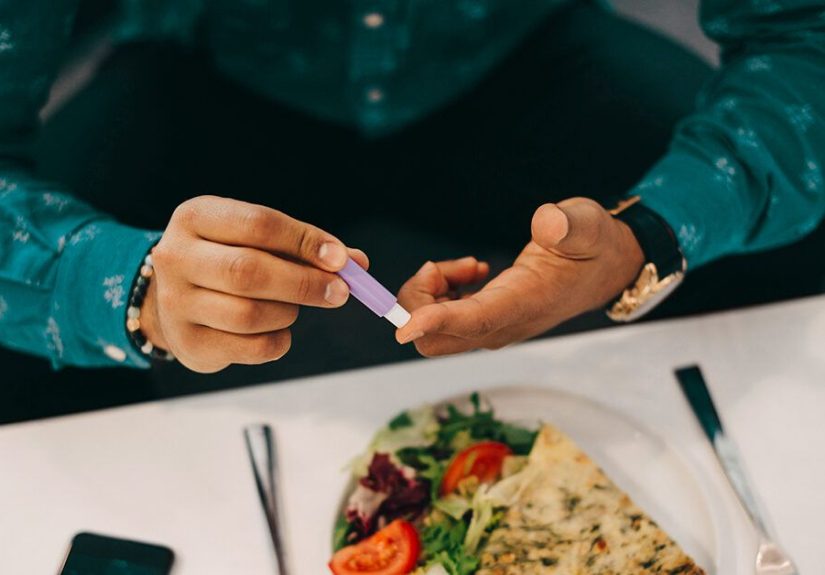
1) Fingerstick glucose
A quick snapshot of your blood glucose at that moment. Useful for day-to-day decisions and pattern spotting.
2) Lab blood glucose tests
These include fasting glucose and other blood draws done in a clinical setting. They can be used to screen for diabetes or monitor control.
3) A1C
More of a “long-view” average. Helpful because it smooths out daily ups and downsthough it’s not perfect for everyone, and certain conditions can affect interpretation.
4) Continuous glucose monitoring (CGM)
CGMs track glucose trends over time and can show how meals, sleep, stress, and exercise influence your levels. Many people find the trend data more useful than any single number,
because it answers the question: “Where is this going?”
Glucose, Food, and the Glycemic Index
Carbohydrates have the most direct effect on blood glucose because they break down into sugars (including glucose). But not all carbs behave the same.
The glycemic index (GI) compares how much a food raises blood sugar relative to pure glucose (which is assigned a value of 100).
In general, more processed carbohydrates tend to raise glucose faster, while fiber, fat, and protein usually slow absorption.
Practical examples (no food shaming, promise)
- Fast-rising combo: sugary cereal on its own can spike quickly for some people.
- More gradual combo: oatmeal topped with nuts and berries often digests more slowly than refined grains with added sugar.
- Fiber effect: beans and lentils often produce a steadier rise thanks to fiber and resistant starch.
GI isn’t the only factorportion size matters (that’s where “glycemic load” comes in), and so do individual responses.
Still, the concept is useful: if you want steadier energy, build meals that slow the glucose wave rather than launching it out of a cannon.
Glucose and Exercise: Why Movement Changes the Story
Exercise can increase glucose uptake into muscles. During activity, muscles can pull in more glucose, and regular training can improve insulin sensitivity over time.
Translation: your body often gets better at handling glucose when you move regularly.
What this looks like in real life
- After a walk: Some people notice post-meal readings are lower after a short walk.
- During intense training: High-intensity sessions can sometimes temporarily raise glucose in some people due to stress hormonesespecially if you’re pushing hard.
- Later that day: Muscles replenishing glycogen can influence appetite and energy.
If you’re using glucose-lowering medications, exercise planning should be individualizedtiming, intensity, and food can all matter.
Keeping Glucose Steadier: Everyday Strategies That Actually Feel Livable
Glucose management isn’t about perfection. It’s about patterns. Here are practical, non-dramatic approaches that tend to help many people:
Build “slow-burn” meals
- Pair carbs with protein and/or healthy fats (e.g., Greek yogurt with fruit; rice with chicken and vegetables).
- Choose higher-fiber carbs more often (beans, whole grains, vegetables, berries).
- Watch liquid sugarsdrinks can raise glucose faster because they bypass some digestion steps.
Use timing to your advantage
- Try a 10–20 minute walk after meals if it fits your life.
- Don’t skip meals if it leads to later overeating or energy crashes.
Respect the “boring” basics: sleep and stress
Sleep and stress management aren’t glamorous, but they’re powerful. If you’re consistently under-slept, your appetite cues and glucose regulation can get noisier.
Think of sleep as part of your metabolic toolkit, not a luxury.
Know when to get tested
If you have risk factors for diabetes (family history, history of gestational diabetes, certain medical conditions, or concerning symptoms),
screening is a practical step. Numbers are informationuse them like a dashboard, not a verdict.
Quick FAQ
Is glucose the same as “sugar”?
Glucose is one kind of sugar. “Sugar” can refer to many different carbohydrates, including glucose, fructose, lactose, and sucrose.
Your body can convert several of these into glucose or use them in related pathways.
If glucose is energy, why can high blood sugar make you tired?
When glucose stays in the bloodstream instead of moving into cells efficiently (often related to insulin issues), your cells may not access fuel as smoothly.
Meanwhile, high glucose can cause dehydration and other effects that contribute to fatigue.
Do only people with diabetes need to care about blood sugar?
Diabetes makes glucose monitoring more urgent, but everyone benefits from stable energy and a diet that supports metabolic health.
The intensity of focus should match your personal situation and clinician advice.
Conclusion: Glucose Isn’t the EnemyIt’s the Messenger
Glucose is your body’s everyday fuelvital, useful, and tightly regulated for a reason. It powers your brain, supports your muscles, and keeps countless systems running.
When glucose is too high or too low, your body sends signals that something needs attention. The goal isn’t to fear glucose; it’s to understand how food, hormones,
movement, sleep, and stress shape itso you can work with your biology instead of arguing with it.
Real-Life Experiences Related to Glucose (500+ Words)
You can read about glucose in textbooks all day, but most people first “meet” glucose through everyday experiencesenergy shifts, cravings, mood changes,
and those mysterious moments when your body feels like it’s running on a different operating system.
One common experience is the mid-morning fade. Someone eats a quick breakfastmaybe a pastry and coffeeand feels great for about 45 minutes.
Then the focus slips, hunger shows up early, and suddenly the snack drawer looks like it’s glowing. For many people, that pattern makes sense: a fast-digesting meal can
raise glucose quickly, and the body may respond with a strong insulin release. When glucose drops faster afterward, hunger and irritability can feel surprisingly intense.
It’s not weaknessit’s chemistry doing chemistry.
Another classic is the post-lunch crash. You know the one: lunch tastes amazing, and then your eyelids get heavy like they’re auditioning for a nap commercial.
Sometimes it’s about meal size. Sometimes it’s about the carb-to-fiber ratio. Sometimes it’s just that you didn’t sleep enough and your body is already negotiating for survival.
People often notice that lunches with protein, vegetables, and fiber-rich carbs tend to feel steadier than lunches that are mostly refined carbs with little fiber.
The “best” lunch is the one that keeps you functionalbecause the goal is not to win lunch, it’s to win the afternoon.
Then there’s the workout bonk, famous among runners, cyclists, and anyone who has ever tried to “push through” a hard session on fumes.
The person starts strong, but halfway through the workout the legs feel heavy, coordination gets sloppy, and motivation vanishes like it just got a better offer.
That can happen when muscle glycogen is low and the body is struggling to meet demand. Many athletes learn (sometimes the hard way) that carbs aren’t “bad”
they’re a tool. Timing matters too: some feel better with a small carb snack pre-workout, while others prefer to eat after. Bodies are annoyingly individualized that way.
For people managing diabetes, experiences can be even more concrete. Someone may recognize low glucose by a specific pattern: sudden shakiness,
sweating, a racing heart, or feeling mentally scrambled. Others notice high glucose more slowly: thirst, frequent bathroom trips, or feeling unusually tired.
What’s striking is how personal it becomes. Over time, people often learn their own “tells,” like a private language between their body and their daily routine.
CGMs (continuous glucose monitors) can make this learning curve faster by showing not only the number, but the directionrising, falling, or stable.
And sometimes glucose shows up in the most ordinary moments: the way you feel after a long meeting where lunch was skipped, the craving that hits at 10 p.m. after a stressful day,
or the calm focus you get after a balanced breakfast. These experiences aren’t random; they’re feedback. When you start viewing glucose as a messenger instead of a menace,
you can respond with curiosity: “What did I eat? How did I sleep? Did I move today? Am I stressed?” That mindset turns glucose from a scary headline into useful information
and that’s where better choices become easier to make.