Table of Contents >> Show >> Hide
- What Quiet Luxury Interior Design Actually Means (and What It Doesn’t)
- The Quiet Luxury Formula: 6 Principles That Cost Less Than You Think
- Budget Moves With Maximum Quiet-Luxury ROI
- Paint: the cheapest luxury makeover
- Hang curtains like you hired a designer
- Upgrade hardware: small change, big “custom” vibe
- Choose fewer, larger decor pieces (and stop the tiny-trinket parade)
- Go “real” where it counts: natural textures and honest materials
- Secondhand: the quiet-luxury cheat code
- Rugs: bigger is almost always better
- Room-by-Room Quiet Luxury on a Budget
- Common Mistakes That Make “Quiet Luxury” Look Cheap
- A 10-Minute Quiet Luxury Checklist (Do This Before You Buy Anything)
- Conclusion: Quiet Luxury Is a Strategy, Not a Shopping Cart
- Experiences: What Quiet Luxury Looks Like in Real Life (Without the Price Tag)
“Quiet luxury” is the design equivalent of a perfectly tailored blazer: no loud logos, no flashy sequins, just
effortless confidence. The good news? Your home can absolutely give “private chef energy” without requiring
“private jet money.” Quiet luxury interior design isn’t about spending a fortuneit’s about spending on the
right things (and skipping the rest with a smug little smile).
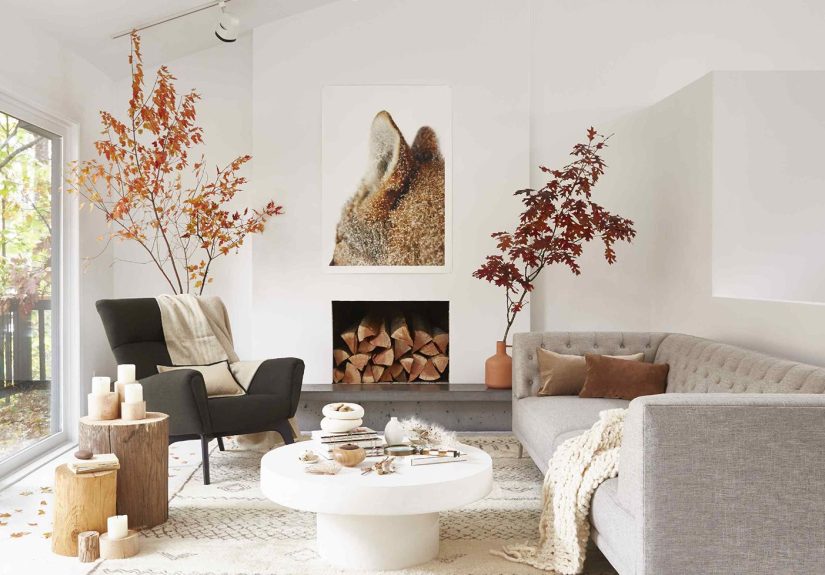
In practice, quiet luxury is a calm, elevated look built on warm neutrals, timeless shapes, natural textures,
and a sense of intention. Translation: your space looks expensive because it looks considered,
not because it looks stuffed with stuff. If you’ve ever walked into a room and felt your shoulders droplike the
air itself got softerthat’s the vibe we’re chasing.
What Quiet Luxury Interior Design Actually Means (and What It Doesn’t)
Quiet luxury interior design is understated elegance: refined, comfortable, and built to last. Think tonal
palettes, layered textures, quality finishes, and furniture that doesn’t scream for attentionbut still gets
noticed (kind of like that one friend who “doesn’t try” and somehow looks flawless in every photo).
What it doesn’t mean: a beige box with zero personality, or an “everything must be expensive”
rulebook. In fact, many designers and editors emphasize that quiet luxury is about restraint and craftsmanship,
and it can be achieved through smart secondhand sourcing, strategic upgrades, and editing rather than constant
buying.
The Quiet Luxury Formula: 6 Principles That Cost Less Than You Think
1) Intention beats accumulation
High-end interiors feel deliberate. There’s space for your eyes to rest. The layout makes sense. Nothing looks
like it was panic-bought at 11:47 p.m. with free two-day shipping as emotional support. Quiet luxury starts with
a plan: pick a palette, decide how the room should feel, and remove what doesn’t belong.
2) A warm-neutral palette with range (not “50 shades of flat”)
Quiet luxury loves neutralscreams, warm whites, taupes, soft browns, greige, muted olives, inky charcoals. The
trick is depth: mix undertones (warm + cool), and vary light-to-dark so the room doesn’t look
like it’s waiting for furniture to arrive.
3) Texture is the new “statement piece”
When colors whisper, texture speaks. Linen, wool, wood grain, stone, bouclé, leather, ribbed glassthese create
richness without visual noise. The goal is a room that looks calm but feels layered up close.
4) Quality over quantity (but make it strategic)
Quiet luxury doesn’t require “top-shelf everything.” It requires one or two items that anchor the roomlike a
great rug, a sofa with good lines, or lighting that looks intentional. Then you support those anchors with
budget-friendly pieces that don’t fight for attention.
5) Soft, layered lighting makes everything look pricier
Overhead lights alone are the fastest way to make a room feel like a waiting area. Quiet luxury leans on layers:
ambient (overall glow), task (reading/working), and accent (art, shelves, corners). Warm bulbs, dimmers, shaded
lamps, and gentle pools of light instantly “upgrade” a space.
6) “Collected” beats “catalog”
The best quiet luxury rooms feel like someone lives theresomeone with taste, yes, but also a life. A vintage
bowl, a framed sketch, a handmade ceramic, a thrifted side table, a real book stack: these add soul. The room
should feel curated, not copied.
Budget Moves With Maximum Quiet-Luxury ROI
Paint: the cheapest luxury makeover
A thoughtful paint color can do more than a cart full of decor. If you want quiet luxury interior design without
the cost, pick a complex neutral (warm white, greige, taupe) or go moody with charcoal, deep brown, or muted
green in the right room. The key is choosing a shade with depthsomething that shifts slightly throughout the
day and makes basic furnishings look intentional.
Hang curtains like you hired a designer
Here’s a not-so-secret designer move: hang curtains high and wide. Mount the rod close to the
ceiling (or at least well above the window frame), and extend it beyond the window so panels stack back without
blocking light. This makes ceilings look taller, windows look bigger, and the whole room feel more expensive.
Bonus: full-length drapes immediately add softnessquiet luxury’s favorite accessory.
Upgrade hardware: small change, big “custom” vibe
Swapping builder-grade knobs and pulls for something heavier (matte black, aged brass, brushed nickel) is
surprisingly transformative. The same goes for a faucet if your budget allows. It’s the “good shoes” rule of
interior design: people might not notice the exact item, but they’ll feel the upgrade.
Choose fewer, larger decor pieces (and stop the tiny-trinket parade)
Quiet luxury is not a curio cabinet explosion. Replace lots of small decor with a few larger pieces: one
substantial vase, one oversized tray, one sculptural bowl, one large framed print. This creates visual calm and
looks more intentionallike a boutique hotel, not a clearance aisle.
Go “real” where it counts: natural textures and honest materials
Natural materials read as high-end because they age well and reflect light beautifully. You don’t need marble
counters to get the effecttry a stone tray, a wood stool, linen pillow covers, a wool throw, a rattan lamp, or
a vintage wood frame. Quiet luxury is basically a love letter to materials that feel good in your hands.
Secondhand: the quiet-luxury cheat code
Vintage and antique pieces bring patina and uniquenessthe opposite of “mass-produced sameness.” Look for
timeless categories: a vintage mirror, a solid wood side table, a classic lamp base, an old brass candlestick,
a framed landscape, or ceramic vessels. These pieces whisper “collected over time,” which is exactly the point.
Rugs: bigger is almost always better
A too-small rug makes a room feel like it’s wearing pants that don’t fit. For a high-end look for less, choose a
rug large enough to anchor the furniturefront legs of the sofa and chairs on the rug at minimum. If budget is
tight, consider layering: a large natural-fiber base with a smaller patterned rug on top for texture and depth.
Room-by-Room Quiet Luxury on a Budget
Living Room: calm, cohesive, and comfortable
- Anchor: A sofa with clean lines in a neutral fabric (or a slipcover that looks tailored).
- Texture stack: Linen + wool + a touch of leather or velvet for contrast.
- Lighting: One floor lamp + two table lamps (symmetry reads “designed”).
- Tablescape: A tray, one sculptural object, one book stack, one natural element (branch, bowl, stone).
- Art: Go larger, frame it simply, and hang it at eye level.
Bedroom: hotel energy, everyday budget
- Bedding: Crisp, simple layerssolid duvet, textured throw, minimal pattern.
- Nightstands: Match if you can. If not, keep them similar in scale and tone.
- Headboard hack: Upholstered panels or a simple, tall headboard instantly elevates the room.
- Lighting: Soft bedside lamps beat harsh overhead light every time.
- Clutter rule: Nothing kills quiet luxury faster than a laundry mountain.
Kitchen: polished without a renovation
- Hardware swap: Modern pulls instantly refresh cabinets.
- Counter styling: One wood board, one ceramic crock, one tray for oilsthen stop.
- Lighting: If you can’t replace fixtures, upgrade bulbs and add under-cabinet lighting.
- Textiles: Linen towels in a tonal palette feel simple and elevated.
Bathroom: spa vibes on a realistic budget
- Hotel trick: Matching white towels, neatly folded, instantly reads “luxury.”
- Accessories: Decant soap into a simple pump bottle; add a stone tray; one small plant.
- Warmth: A wood stool or teak bath mat adds texture and softness.
- Lighting: Warm bulbs + flattering light around the mirror = quietly expensive.
Entryway: the first 5 seconds matter
Quiet luxury loves a composed entry. Even in a tiny space, aim for: a mirror (bounce light), a slim console or
shelf, a bowl for keys, and something living (fresh flowers if you’re feeling fancy, a hardy plant if you’re
being honest). This is the “opening scene” of your homemake it good.
Common Mistakes That Make “Quiet Luxury” Look Cheap
- Too many small decor items: It reads cluttered, not curated.
- Flat neutrals with no contrast: Beige-on-beige needs texture, shadow, and depth.
- All trend, no timeless: Quiet luxury isn’t a race to buy what the algorithm wants.
- Wrong scale: Tiny rugs, tiny art, tiny lampsyour room ends up looking apologetic.
- One harsh overhead light: Layer your lighting or accept your fate as a break-room.
A 10-Minute Quiet Luxury Checklist (Do This Before You Buy Anything)
- Remove one surface of clutter (coffee table, nightstand, kitchen counter).
- Group what remains in odd numbers (3 is the sweet spot).
- Add one soft texture (throw, pillow, curtain panel, rug layer).
- Turn on a lamp (warm bulb). If you don’t have a lamp, that’s your next purchasenot another candle.
- Move art to eye level and center it over furniture.
- Make one “anchor” decision: what’s the hero piece in this room?
Conclusion: Quiet Luxury Is a Strategy, Not a Shopping Cart
Quiet luxury interior design can be achieved without the cost because the look is built on choices that don’t
require a huge budget: editing, cohesion, texture, lighting, and a few well-placed upgrades. Paint can replace a
remodel. Curtains can replace a bigger window. A vintage lamp can replace a “designer” vibe. And the ultimate
flex? A home that feels calm, personal, and timelessno price tag required.
Experiences: What Quiet Luxury Looks Like in Real Life (Without the Price Tag)
People often imagine quiet luxury as something you’re either born into or you buy all at oncelike you wake up
one day with limestone floors and a personal decorator named Blythe. In reality, the most believable “quiet
luxury on a budget” journeys tend to happen in small, almost boring steps. And honestly? That’s the magic.
One common experience is the “I stopped buying decor and my room got better” phase. It usually starts when
someone realizes they’ve been trying to fix a space with objects instead of decisions. They donate a pile of
mismatched items, clear the coffee table, and suddenly the room feels calmer. Then they make a single,
high-impact changelike swapping out a too-small rug for a correctly sized one (even a budget-friendly option),
or moving the curtain rod up near the ceiling. The result is immediate: the room feels taller, softer, and more
intentional. It’s not glamorous work. But it’s shockingly effective.
Another real-life pattern: “I chose one palette and stopped arguing with myself.” Quiet luxury homes rarely look
like they’re debating between five different styles. Instead, people pick a core neutral (warm white, taupe,
greige) and a supporting accent (olive, charcoal, deep brown), then repeat those tones across rooms in different
materials. A linen pillow, a ceramic vase, a muted print, a wool thrownothing too matchy, just consistent. The
experience is less “decorating” and more “editing until the space feels quiet.” When friends visit, they don’t
necessarily notice the palette. They notice the calm.
A third experience shows up when someone discovers the quiet-luxury superpower of secondhand shopping. The first
vintage find is usually accidentala solid wood side table, a brass lamp, a mirror with character. Then it
becomes intentional: they start looking for pieces with good bones and classic shapes. What’s interesting is how
fast the room shifts from “assembled” to “collected.” A $40 lamp with a new shade can look more elevated than a
$200 trendy fixture, because it feels unique and grounded. The experience is half treasure hunt, half patience
practicewhich, to be fair, is the opposite of online shopping at midnight.
Many people also experience the “lighting revelation.” They don’t change their furniture at all. They simply
add two lamps, replace cool bulbs with warm ones, and put everything on a dimmer or smart plug. Suddenly, the
same sofa looks more expensive. The same walls look softer. Even the same clutter looks… slightly more forgivable.
It’s not that lighting hides problemsit just flatters the room the way good lighting flatters a face. Quiet
luxury is, in part, excellent mood management.
Finally, there’s the long-game experience: upgrading one “touch point” at a time. People replace flimsy cabinet
pulls with heavier hardware, swap a plastic soap dispenser for a simple bottle, add a real wood tray, choose
better-feeling bedding, buy one piece of art they actually love instead of three filler prints. Each upgrade is
small, but the cumulative effect is huge. That’s quiet luxury in real life: not a dramatic before-and-after,
but a steady, satisfying climb toward a home that feels composed and lived-inlike it knows who it is.
If you take nothing else from these experiences, take this: the “luxury” isn’t the price. It’s the calm. It’s
the confidence of fewer, better choices. And yesyou can absolutely get there without the cost.