Table of Contents >> Show >> Hide
- Why Quince Preserves in Syrup Are Worth Making
- What Is Quince, Exactly?
- Recipe Snapshot
- Quince Preserves in Syrup Recipe
- How to Tell When the Preserve Is Done
- Flavor Variations You Can Try
- How to Serve Quince Preserves in Syrup
- Storage and Food Safety
- Common Mistakes to Avoid
- Why This Recipe Works
- Experience and Lessons from Making Quince Preserves in Syrup
- Conclusion
Quince is the kind of fruit that makes you work a little before it agrees to be delicious. Raw, it is stubborn, hard, and astringent enough to make you question your life choices. Cooked, though, it becomes fragrant, rosy, and wildly elegant, like a pear that took finishing school and came back with better manners. That transformation is exactly why a good quince preserves in syrup recipe deserves a permanent place in your fall and winter kitchen.
This version is designed for home cooks who want tender slices of quince suspended in a glossy lemony syrup with a flavor that lands somewhere between apple butter, poached pears, floral honey, and old-fashioned holiday magic. It is detailed enough for beginners, practical enough for repeat use, and flexible enough to let you add cinnamon, vanilla, or a strip of lemon peel without turning the recipe into a chemistry final.
If you have never cooked quince before, this is a great place to start. The method is simple, the ingredients are ordinary, and the payoff is spectacular. Spoon it over yogurt, pancakes, cheesecake, oatmeal, ice cream, or thick slices of toasted sourdough and suddenly breakfast looks suspiciously expensive.
Why Quince Preserves in Syrup Are Worth Making
There are plenty of fruit preserves in the world, but quince preserves in syrup have a personality all their own. Instead of becoming fully mashed like jam, the fruit stays in slices or chunks, softening into a spoonable preserve while the surrounding syrup thickens into a golden-pink glaze. That means you get two prizes in one jar: the fruit and the syrup.
The flavor is one reason cooks keep coming back to quince. It tastes richer and more perfumed than apples, less straightforward than pears, and more mysterious than either. The aroma alone can make a kitchen smell like someone lit a candle called “Fancy Orchard at Sunset,” only this one is actually edible.
Another bonus is texture. When cooked properly, quince becomes tender but not mushy. The pieces hold their shape beautifully, which makes this preserve ideal for plating, gifting, and those moments when you want your toast topping to look a little more composed than a random smear from a jar.
What Is Quince, Exactly?
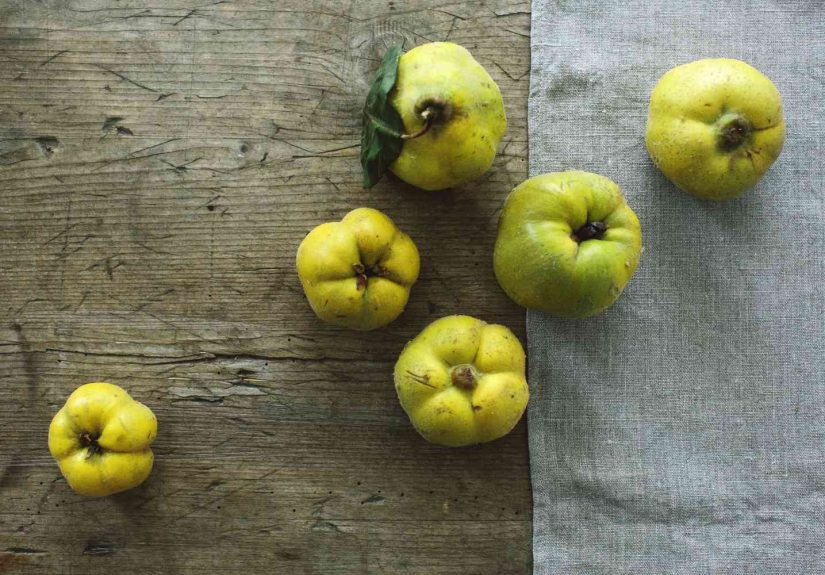
Quince is a fall fruit that looks like a lumpy golden cross between an apple and a pear. It often has a fuzzy surface when freshly picked, and it is famously not at its best when eaten raw. Once heated, however, its flesh softens and turns from pale cream to shades of blush, amber, and rose.
That color change is part of the fruit’s charm. It feels dramatic every single time, even when you know it is coming. One minute your saucepan looks humble and beige; the next it resembles a pot of edible sunset. Not bad for a fruit that most people walk past at the market because they assume it is just a grumpy pear.
Recipe Snapshot
Yield: About 3 cups
Prep time: 25 minutes
Cook time: 60 to 75 minutes
Total time: About 1 hour 40 minutes
Storage: Refrigerator preserve unless using a separately tested canning formula
Quince Preserves in Syrup Recipe
Ingredients
- 3 pounds quince
- 4 cups water
- 2 cups granulated sugar
- 2 tablespoons lemon juice, plus more for the prep bowl
- 1 strip lemon peel, optional
- 1 small cinnamon stick, optional
- 1/2 vanilla bean or 1 teaspoon vanilla extract, optional
- Pinch of fine salt
Equipment
- Large bowl
- Chef’s knife and cutting board
- Vegetable peeler
- Large nonreactive pot or Dutch oven
- Wooden spoon
- Clean glass jars with lids
Step 1: Prep the quince without letting it turn sad and brown
Fill a large bowl with cold water and add a generous squeeze of lemon juice. This acidulated water helps slow browning while you work. Wash the quince well and rub off any fuzz. Peel them if you want a more delicate finish, then quarter, core, and slice into wedges or half-moons about 1/4 inch thick. Drop each piece into the lemon water as you go.
Quince is dense, so take your time. This is not a fruit that rewards reckless speed. It rewards patience, a decent knife, and the emotional maturity to admit that a cutting board might slide if you do not put a towel under it.
Step 2: Build the syrup
In a large nonreactive pot, combine the 4 cups water, sugar, 2 tablespoons lemon juice, salt, and any optional flavorings you are using, such as lemon peel, cinnamon, or vanilla. Bring the mixture to a gentle boil over medium heat, stirring until the sugar dissolves completely.
The goal is a clear, lightly sweet base that supports the quince rather than smothering it. This is not the moment for a sugar avalanche. Quince already has a dramatic personality. Your job is crowd management.
Step 3: Simmer until tender and rosy
Drain the quince and add it to the pot. Reduce the heat to a steady simmer. If needed, place a small heatproof plate or lid over the fruit to keep it submerged. Cook for 45 to 60 minutes, stirring gently once in a while, until the pieces are tender and the syrup has reduced noticeably.
The fruit should be translucent around the edges and pink to amber in color. If your quince is particularly firm, give it more time. Some fruit softens in under an hour; other fruit behaves like it has a union contract and needs additional negotiation.
Step 4: Reduce the syrup to the right consistency
Once the fruit is tender, remove the optional spices and peel. If the syrup still looks watery, lift the quince pieces out with a slotted spoon and continue simmering the liquid for 5 to 10 more minutes until it thickens slightly. It should coat a spoon lightly, like warm maple syrup, not set like jelly.
Return the fruit to the pot and stir gently to coat. Let the preserves cool for about 10 minutes before jarring. This brief rest helps the fruit settle and keeps you from sloshing molten sugar syrup all over the counter, which is an avoidable character-building exercise.
Step 5: Jar and chill
Spoon the hot quince and syrup into clean jars. Let them cool to room temperature, then cover and refrigerate. For the best flavor, wait at least 24 hours before serving. The syrup deepens, the quince absorbs more flavor, and the entire jar becomes noticeably more polished overnight.
How to Tell When the Preserve Is Done
A good quince preserves in syrup recipe does not end when the timer beeps. It ends when the texture is right. Look for three clear signs:
- The fruit is fork-tender but not collapsing.
- The syrup is glossy and lightly thickened.
- The color has shifted from pale yellow to amber, blush, or rosy pink.
If the quince is still chalky in the center, keep simmering. If the syrup becomes too thick after cooling, stir in a tablespoon or two of hot water. If it is too thin, simmer it a bit longer next time. Preserves are forgiving, but only if you pay attention instead of wandering off to reorganize your spice drawer.
Flavor Variations You Can Try
Vanilla-Cinnamon Quince Preserves
Add a cinnamon stick and vanilla bean to the syrup for a warm, bakery-style flavor. This version is especially good spooned over pound cake, baked oatmeal, or Greek yogurt.
Honey-Lemon Quince Preserves
Replace 1/3 to 1/2 cup of the sugar with mild honey. The result tastes softer and rounder, with a floral finish that pairs beautifully with cheeses and toast.
Ginger-Orange Quince Preserves
Add a few slices of fresh ginger and a strip of orange peel while simmering. This variation leans festive and works nicely on a holiday breakfast table.
Simple Classic Version
Skip the spices and let the fruit lead. If this is your first time making quince preserves, the plain version is worth doing at least once. It lets you understand what quince actually tastes like before cinnamon tries to become the main character.
How to Serve Quince Preserves in Syrup
This preserve is wildly versatile, which is a polite way of saying you will start putting it on everything once the jar is open.
- Spoon it over plain yogurt or labneh.
- Serve it with oatmeal, cream of wheat, or rice pudding.
- Top pancakes, waffles, or French toast with both fruit and syrup.
- Use it on cheesecake or vanilla ice cream.
- Pair it with Manchego, sharp cheddar, or brie on a cheese board.
- Layer it into a tart or galette.
- Brush the syrup over cakes for shine and flavor.
If you are entertaining, spoon a little quince and syrup over whipped ricotta on crostini and pretend you planned the entire menu around it. Nobody needs to know it began as you trying to use up one weird fruit from the market.
Storage and Food Safety
This recipe is written as a refrigerator preserve. Store the cooled jars in the refrigerator and use them within 3 to 4 weeks for best quality. Always use a clean spoon when serving.
If you want a shelf-stable version, follow a tested canning recipe from an extension service or trusted canning authority rather than improvising a process. Syrupy fruit preserves can be trickier than they look because sugar concentration, acidity, fruit size, and headspace all matter. In other words, this is the one part of the project where “close enough” is not a lovable personality trait.
Common Mistakes to Avoid
Cutting the fruit too thick
Large chunks take much longer to soften and can stay dense in the center. Thin, even slices cook more reliably and absorb the syrup better.
Using too much sugar
Overly sweet syrup can flatten quince’s floral flavor. Start with balance, not brute force.
Boiling too aggressively
A furious boil can break down the fruit before the syrup reaches the right texture. A steady simmer is the smarter move.
Skipping the lemon water
Quince browns quickly once cut. The acidulated water buys you time and keeps the fruit looking much more appealing.
Stopping too soon
Quince often needs patience. If it still feels firm, keep cooking. This is not the fruit for half measures.
Why This Recipe Works
This quince preserves in syrup recipe succeeds because it respects the fruit’s natural strengths. Quince is aromatic, naturally rich in pectin, and structurally sturdy enough to hold its shape during a long simmer. Lemon juice brightens the flavor and helps prevent oxidation during prep, while the moderate sugar level creates a syrup that feels lush without becoming sticky or one-note.
The optional spices are there to support, not overwhelm. Cinnamon adds warmth, vanilla softens the edges, and citrus peel lifts the aroma. Yet even stripped back to its most basic form, the recipe still delivers a preserve that feels special. That is the beauty of quince: it does not need much help; it just needs heat, time, and a cook who understands that ugly produce can still have excellent ambitions.
Experience and Lessons from Making Quince Preserves in Syrup
The first time I made quince preserves in syrup, I honestly wondered whether I had bought decorative fruit by accident. The quince looked pretty enough on the counter, but it was so hard and so stubborn that it seemed better suited to being admired from a distance than turned into dessert. Then the knife went in, the lemon water bowl came out, and the whole kitchen started to smell faintly floral, almost like apples and roses decided to form a union.
What surprised me most was how theatrical the cooking process felt. At the beginning, the slices were pale and unremarkable. Halfway through, they began blushing at the edges. By the end, they had turned a rich amber-pink and looked far more elegant than anything that started life quite so knobby. It felt like the fruit had been hiding its best self out of pure stubbornness. Respect, honestly.
I also learned that quince rewards restraint. My first instinct was to throw in every cozy spice in the cabinet: cinnamon, cloves, star anise, cardamom, maybe the emotional support nutmeg. That would have been a mistake. Quince has a delicate perfume once cooked, and too many bold spices can bulldoze it. A little vanilla or one cinnamon stick is usually plenty. The fruit does not want a marching band behind it. It wants subtle backup singers.
Another lesson was about texture. Quince is one of those fruits that can make you think nothing is happening and then, all at once, become silky and tender. Pull it off the heat too early and it stays dense. Leave it alone with a gentle simmer and it transforms beautifully. That experience changed the way I think about preserves in general. Some recipes are about speed; this one is about paying attention. The fruit tells you when it is ready if you are willing to listen instead of bossing it around.
And then there is the syrup, which might be the real scene-stealer. The first spoonful over yogurt was enough to convince me that a single jar would never be enough. It is not just sweet; it tastes layered, bright, and oddly luxurious. I started using it in places I had not planned: over pancakes, drizzled on cheesecake, even spooned into sparkling water for a quick homemade soda situation. Once that happens, you stop thinking of quince preserves as a niche old-world recipe and start seeing it as a secret weapon.
Most of all, making quince preserves in syrup taught me that some ingredients ask for more effort precisely because they give back more character. A strawberry is lovable immediately. Quince makes you earn it. But once you do, it gives you perfume, color, texture, and a jar that feels like autumn somehow learned table manners. That is a trade I will make every season.
Conclusion
If you want a preserve that feels classic, fragrant, and just unusual enough to make people ask what it is, this quince preserves in syrup recipe is an excellent choice. It turns a tough, old-fashioned fruit into something glossy, tender, and deeply useful, whether you serve it at breakfast, dessert, or on a holiday cheese board. Better yet, it proves that not all kitchen victories come from flashy ingredients. Sometimes the best jar on the shelf starts with a fruit that looks like it has seen some things.