Table of Contents >> Show >> Hide
- What the RAD Bike Lift Hoist Is (and Why People Buy It)
- Key Specs and Features
- How the Hoist Actually Works
- Installation Guide: Doing It Right the First Time
- How to Use the RAD Bike Hoist Day-to-Day
- Safety: The Non-Negotiables
- Which Bikes Work Best?
- Pros, Cons, and Honest Trade-Offs
- Tips to Make Your RAD Hoist Feel Like a Custom Garage Setup
- Alternatives: When a Hoist Isn’t the Best Choice
- FAQ
- Real-World Experiences and Lessons Learned (Extra )
- Final Take
If your garage floor is starting to look like a bike parade got stuck in traffic, you’re not alone. Bikes are awkward: too big for a closet, too precious for the rain, and somehow always in the exact spot your car wants to be. That’s the charm (and chaos) of cycling life.
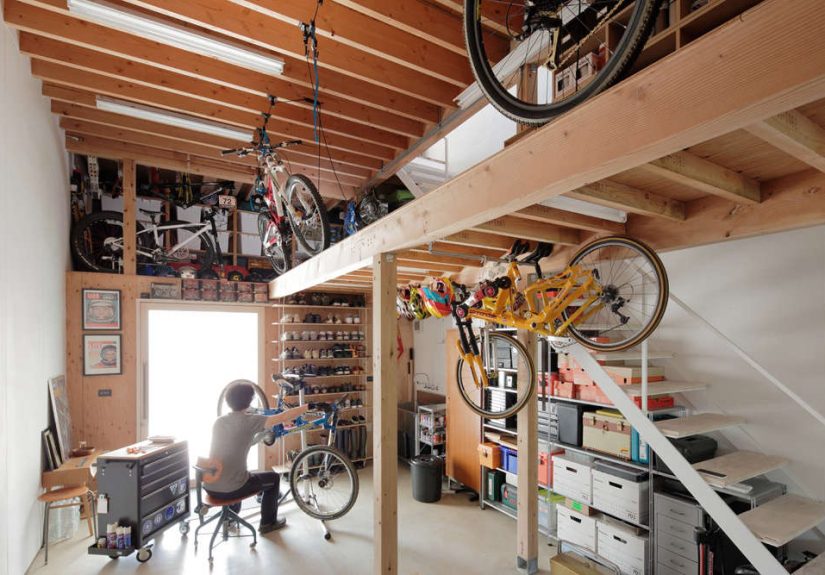
The RAD Cycle Products Bike Lift Hoist is one of the most popular ways to reclaim space without building a shed or negotiating peace treaties with your household. It’s a ceiling-mounted bike hoist (pulley system + rope lock) that lets you raise a bicycle overhead, keeping it out of the way but still easy to grab when it’s time to ride. In other words: it turns your ceiling into storage spacewithout requiring superhero strength. [1]
What the RAD Bike Lift Hoist Is (and Why People Buy It)
The RAD hoist is designed for simple, practical overhead bike storage: mount it into a solid ceiling joist (or a board that’s secured to joists), hook your bike at the handlebar and seat, then pull the rope in short strokes to lift it. A locking brake/rope-lock mechanism helps keep the load from sliding back down while you pull. [1]
People typically choose a hoist when:
- They have a high garage ceiling and want overhead storage without a bulky rack.
- They want something one person can operate (especially for heavier bikes). [6]
- They’re trying to keep bikes away from dents, door dings, and that one corner where everything mysteriously “falls over.”
Key Specs and Features
The details matter with overhead storage. Here are the highlights most shoppers care about:
Weight capacity: built for heavy bikes (within reason)
When installed properly, the hoist is rated for up to 100 lbs. That’s enough for most mountain bikes, commuter bikes, and many e-bikesthough some e-bikes (and cargo setups) can push past that quickly, so it’s worth weighing your bike if you’re unsure. [2]
Mechanical advantage that makes lifting easier
The hoist uses a pulley setup that creates a 4:1 mechanical advantage, meaning you pull more rope but with less effort compared to lifting straight up. It’s one of the reasons this kind of system feels manageable for a single person. [2]
Rope lock + wall cleat for control
The rope locks with each pull, helping prevent accidental drops. You also mount a wall cleat so you can wrap and secure excess rope when the bike is up (and keep things tidy instead of turning your garage into a nautical training facility). [3]
Rubber/PVC-coated hooks to help protect your bike
The hooks are coated to help prevent scratches where they contact your handlebar and seat area. This is especially helpful if your bikes tend to “kiss the concrete” when leaned against walls. [4]
Designed for common ceiling heights
Many listings and guides describe it as suitable for ceilings up to about 12 feet, which covers a lot of garages and sheds. [4]
How the Hoist Actually Works
A ceiling bike hoist is basically a controlled pulley lift:
- Two ceiling-mounted pulley assemblies align with your bike’s handlebar and seat positions.
- Two hooks hang down and cradle the bike at those points.
- You pull the rope; the pulley system multiplies your effort (that 4:1 advantage). [2]
- A locking brake/rope-lock pinches the rope as you pull, so the bike stays up when you let go. [2]
- You wrap the rope on a wall cleat for extra security and to manage slack. [3]
Think of it like raising a flagif your flag was a bicycle and your neighbors were judging your organizational skills.
Installation Guide: Doing It Right the First Time
A hoist is only as good as its installation. The best advice across manuals and garage storage guides is consistent: anchor into real structure, measure carefully, and don’t “wing it” with drywall anchors. [2]
Tools and supplies you’ll want
- Stud finder (to locate ceiling joists and wall studs)
- Drill + bits (pilot holes matter)
- Measuring tape
- Screwdriver
- Ladder (please don’t stand on a wobbly plastic chairyour bike isn’t worth your dignity)
Step 1: Pick a safe mounting location
The hoist should attach to a solid wood ceiling joist. Some instructions specify a joist size of 2×4 or larger, and recommend using a stud finder to confirm you’re on solid framing. [2]
Step 2: Measure your bike to position the pulleys correctly
Measure from the handlebar area to the back of the seat area (the “hook points”). This measurement helps you place the two ceiling mounts so the bike lifts evenly instead of tilting like it’s trying to escape. Similar pulley guides stress that accurate alignment helps the lift operate better. [2][3]
One set of instructions also suggests adding extra wall clearance (for example, adding a few inches) so your handlebar doesn’t smack a side wall when the bike rises. [2]
Step 3: Mount to joists (or mount to a board first)
If your ceiling joist direction doesn’t match your ideal bike orientation, many guides recommend mounting the hoist to a board and then securing that board to joists. That gives you flexibility while still keeping everything anchored in solid framing. [2][3]
Step 4: Install the wall cleat at a comfortable height
You’re going to use the cleat constantly, so mount it at a height that’s easy to reach. Some instructions describe placing it around “comfortable height” so you can wrap rope neatly and keep the system secure. [2][3]
Step 5: Thread the rope and do a test lift
Rope threading is the part people mess up mostbecause it’s easy to assume you can “figure it out” and then spend 40 minutes inventing new words. Follow the routing shown in the instructions, tie secure knots, and confirm the locking mechanism engages properly. [2][1]
Before you lift your nicest bike, do a gentle test with a controlled pull and keep an eye on the mounts, the rope, and the lock.
How to Use the RAD Bike Hoist Day-to-Day
Raising the bike
- Lower the hooks.
- Place one hook under the handlebar area and one under the seat area (as the instructions describe).
- Make sure ropes aren’t twisted.
- Pull the rope in short strokes until the bike reaches the desired height.
- Wrap excess rope around the wall cleat and secure it. [3]
Lowering the bike
Lowering typically involves maintaining rope tension while guiding the lock/brake to release, then letting rope out slowly so the bike descends smoothly. Take your timegravity is very patient and will gladly do the job too fast if you let it. [2][3]
Safety: The Non-Negotiables
Overhead storage is awesome, but it’s not the place for shortcuts. Manuals and garage storage pros repeat the same core ideas:
- Don’t exceed the rated capacity (100 lbs when installed properly). [2]
- Lift one bicycle only per hoist; remove bags and accessories that add weight or shift balance. [2]
- Anchor into structure (joists/studs), not just drywall.
- Keep away from electrical fixtures and avoid risky locations. [2]
- Inspect the system periodically for frayed rope, worn pulleys, loose screws, or rustespecially in humid garages. (General overhead storage guidance also emphasizes checking framing and capacity before installing ceiling systems.) [10]
Extra “dad-level” safety tip: If you’re storing a heavier bike or you live in a quake-prone area, consider adding a simple secondary strap around the frame once it’s liftedcheap insurance for peace of mind. [11]
Which Bikes Work Best?
A ceiling bike hoist tends to work well for:
- Road bikes and hybrid bikes (usually easy balance points)
- Most mountain bikes (including full-suspensionjust pick stable hook points)
- Kids’ bikes (lighter, easier to lift, though keep rope out of reach)
Bikes that require extra thought:
- Very heavy e-bikes (some may approach or exceed the limitcheck weight first). [2]
- Step-through frames (not a deal-breaker, but make sure the hooks sit securely under the seat/handlebar zones).
- Oversized handlebars (measure and give wall clearance so grips don’t collide with walls). [2]
Pros, Cons, and Honest Trade-Offs
What people love
- Space savings: overhead storage frees up floor space for cars, tools, or that treadmill you swear you use. [8]
- One-person operation: hoists are often recommended when ceiling height makes standard hooks hard to reach. [6]
- Gentler on the bike: coated hooks help reduce scratching. [4]
- Solid capacity: 100 lbs is generous for this category when installed correctly. [2]
What can annoy you (fair warning)
- Installation effort: you must hit joists correctly; this is not a “10 minutes during halftime” project.
- Rope management: if you don’t wrap the cleat neatly, it becomes a rope jungle.
- Sway: bikes can swing a bit while lifting/lowering, especially if you rush.
- Not ideal for every e-bike: weight and awkward balance can be a challenge near the max rating. [2]
Tips to Make Your RAD Hoist Feel Like a Custom Garage Setup
- Mark your “stop point” on the rope with tape so you lift to the same height every time (no ceiling tire kisses).
- Add a small strap or bungee to steady the frame once it’s upespecially if you park a car underneath. [11]
- Protect your wall by placing a small pad where the rear tire might touch.
- Keep the hooks reachable: some people add a light weight (like a small carabiner bundle) so hooks don’t float out of reach when unloaded.
- Do a quarterly check: tug on mounts, inspect rope, and confirm the lock engages cleanly. [11]
Alternatives: When a Hoist Isn’t the Best Choice
Hoists are great, but they’re not the only good option. Depending on your space and mobility, one of these may fit better:
Ceiling or wall hooks (simple and inexpensive)
A basic storage hook can be a clean solution when you can lift the bike high enough and you have suitable framing. (Some cycling storage discussions highlight hooks as a straightforward, cost-effective method.) [12]
Wall-mounted racks or vertical storage
Wall systems can be easier if you don’t want to work overhead and you have clear wall space. Many garage storage guides note that hanging bikes from walls or ceilings keeps floors clear and reduces clutter. [8][9]
Floor stands
Floor stands are the “no-drill” optiongreat for renters or anyone allergic to ladders. Some retailers and bike brands carry multiple stand styles for tight spaces. [13]
FAQ
Can the RAD hoist store something other than a bike?
Many product listings describe it as usable for other long items like ladders, as long as you stay within capacity and secure the load properly. [4]
Is it safe for carbon bikes?
The coated hooks help prevent cosmetic scratches, but you still want to hook at stable points and avoid crushing pressure on delicate components. If you’re worried, add a soft strap around the frame as a secondary support and lift slowly.
Do I really need to mount into joists?
Yes. Ceiling systems need solid framing. Garage storage guidance repeatedly emphasizes verifying framing and capacity before installing overhead systems. [10]
Real-World Experiences and Lessons Learned (Extra )
Let’s talk about what it’s actually like living with a RAD Cycle Products Bike Lift Hoistbecause the real test isn’t “Can it lift a bike?” (it can), but “Will I keep using it after the novelty wears off?”
The first week is usually a victory lap. You lift the bike, step back, and admire your suddenly open floor space like you just discovered an extra room in your house. For a typical garage, that space changes everything: you can park closer to the wall, you can roll out a trash bin without playing obstacle course, and you can stop pretending your bike pile is a “minimalist sculpture.”
Then reality shows up: rope management. If you wrap the rope neatly on the cleat every time, the hoist feels smooth and fastalmost like part of your routine. If you don’t, the rope becomes a tangle that somehow multiplies when you aren’t looking. A simple habit helps: pull, lock, wrap, and finish. People who treat the wall cleat as the “final step” tend to enjoy the system more long-term. [3]
Another common lesson is that slow is fast. When lifting, short steady pulls keep the bike balanced and reduce swinging. When lowering, it’s tempting to rushespecially if you’re latebut a controlled descent is the difference between “smooth landing” and “why is my rear tire writing graffiti on the wall?” Following the basic guidance to maintain tension and lower gradually makes the process feel safer and more predictable. [3]
If you store multiple bikes, you’ll likely develop a “garage choreography.” For example, you might lift the heavier bike first, store it closer to the corner, then lift the lighter one next to it. Many people find it helpful to mark rope lengths or install hoists with enough spacing so handlebars don’t overlap like tangled antlers. This matters even more with wider mountain bike bars.
Heavier bikesespecially e-bikestend to inspire more respect for the limits. The 100-lb rating is generous, but it’s not a dare. What people often do in practice is remove accessories before lifting (bags, locks, bulky lights) and make sure the hooks sit securely. If a bike feels awkward, a second person can stabilize the frame during the first few lifts until you get a feel for the balance.
Finally, the “I didn’t think about that” moment: kids and pets. The rope is interesting. Hooks are interesting. Everything is interesting when you’re small and curious. Keeping the rope secured and excess wrapped high and tight reduces the chance of someone turning your storage system into an unplanned science experiment. A quick periodic check of the rope, pulleys, and mounts also becomes part of responsible ownershiplike checking tire pressure, except the tire pressure doesn’t hang over your hood. [11]
Bottom line: the RAD hoist works best when you treat it like a simple tool you use correctly every time. Do that, and it’s one of those small upgrades that makes your space feel bigger, cleaner, and honestly a bit more satisfyinglike your garage finally decided to grow up.
Final Take
The RAD Cycle Products Bike Lift Hoist is a practical, budget-friendly way to create overhead bike storage in a garage or shedespecially if you’re dealing with limited floor space and higher ceilings. Its 4:1 pulley setup, locking mechanism, and coated hooks make it approachable for everyday use, as long as you install it into solid framing and respect the weight rating. [2]
If your goal is simple: get bikes up, out of the way, and still easy to accessthis hoist is a strong contender. Just remember: measure carefully, mount securely, and wrap that rope like you mean it.