Table of Contents >> Show >> Hide
- Why Cook With Raisins?
- Choosing and Storing Raisins Like a Pro
- The Secret Step: Plumping Raisins Before Cooking
- Raisin Tips for Better Baking
- Using Raisins as a Natural Sweetener
- Savory Cooking With Raisins
- Nutrition and Portion Tips
- Common Raisin Mistakes (and How to Fix Them)
- Conclusion: Small Fruit, Big Impact
- Raisin Cooking Experiences: Practical Stories and Lessons
Raisins don’t exactly scream “glamorous ingredient,” but they’re one of the most
hard-working little flavor bombs in your pantry. They sweeten, they add chew, they bring
color, and they last forever (or at least long enough to watch all your New Year’s
resolutions come and go). If you’ve only tossed raisins into oatmeal or the occasional
cinnamon roll, you’re leaving a lot of delicious potential on the table.
This guide walks you through practical raisin cooking tips and hints: how to choose and
store them, the simple step that makes them juicier, how to use them in baking and
savory dishes, and even how to turn them into a natural sweetener. We’ll finish with
real-world cooking experiences so you can learn from other people’s trial and error
instead of your own burnt scones.
Why Cook With Raisins?
Raisins are just dried grapes, but that drying process concentrates their natural sugar,
flavor, and nutrients. Ounce for ounce, raisins provide:
- Natural sweetness with no added sugar.
- Fiber, which can help support digestion and keep you feeling full.
- Minerals like iron and potassium, important for blood and heart health.
- Antioxidants from their deep color pigments.
In the kitchen, they’re incredibly versatile. A handful of raisins can lift a savory
pilaf, balance a tangy vinaigrette, deepen a braise, or make a basic muffin taste
special. They work in breakfast, snacks, main dishes, and desserts. Plus, compared with
many fancy ingredients, they’re budget-friendly and shelf-stable.
Choosing and Storing Raisins Like a Pro
Most grocery stores carry at least two main types of raisins:
-
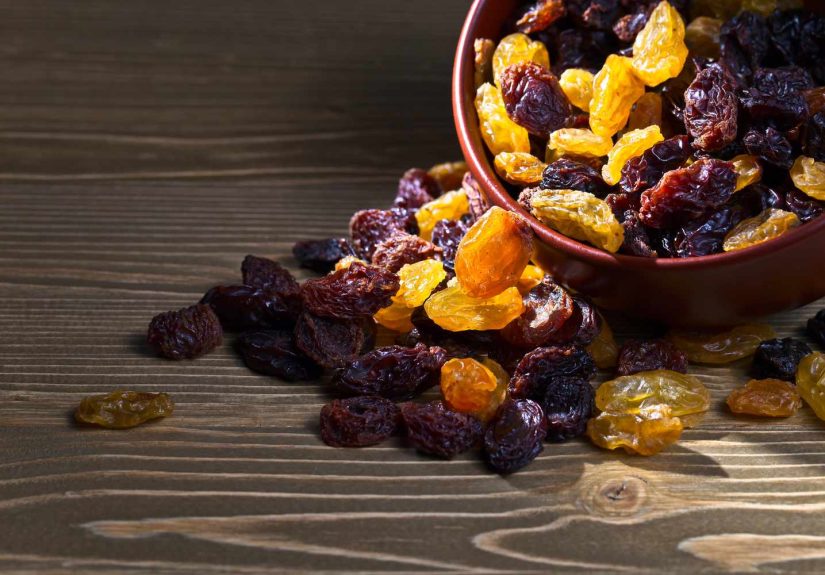
Regular (dark) raisins – naturally dried, with a deep caramel-grape
flavor. -
Golden raisins – mechanically dried and treated to stay lighter in
color, often slightly plumper and fruitier in taste.
When you’re shopping, look for plump, shiny fruit without too many hardened clumps.
Avoid boxes that feel like a solid brick when you squeeze them that’s a sign the
raisins are very dry and may need extra soaking time.
Smart Storage Tips
Raisins are considered a shelf-stable food, so they can safely live at room temperature
for quite a while. In general:
-
Unopened packages store well in a cool, dry pantry for several months from the
purchase date. -
Once opened, transfer them to an airtight container or tightly seal the bag to keep
moisture and pests out. -
For long-term storage or if your kitchen runs hot, keep raisins in the refrigerator to
help protect flavor, color, and quality.
If your raisins have gotten a bit tougher but aren’t spoiled, don’t throw them out
they’re perfect candidates for baking and cooking, especially if you use the plumping
tricks below.
The Secret Step: Plumping Raisins Before Cooking
The number-one raisin cooking hint from serious bakers and chefs is simple: soak
your raisins. A quick soak makes them juicier, prevents them from drying out
in the oven, and keeps them from stealing moisture from your batter or dough.
How to Plump Raisins
- Measure the raisins. Use the amount called for in your recipe.
-
Choose a liquid. Warm water works great, but you can also use juice,
tea, or even a splash of liquor for adult desserts. -
Soak briefly. Cover the raisins with warm liquid and let them sit for
about 10–15 minutes, just until they look fuller and feel softer. -
Drain well. Pour off excess liquid. For baked goods, gently pat the
raisins dry so they don’t thin out your batter. -
Fold into your recipe. Add them as directed, and enjoy the
difference in texture.
For especially dry raisins, you can extend the soak time or use hotter (but not boiling)
liquid to speed things up. Just don’t forget to cool them slightly before stirring into
yeast doughs so you don’t accidentally warm the dough too much.
Flavor-Boosting Soak Ideas
Plain water gets the job done, but the right liquid can also season your raisins. Try:
- Apple juice or orange juice for muffins or quick breads.
- Strong black tea for scones or spice cakes.
- Rum, brandy, or bourbon for holiday breads and grown-up desserts.
- White wine for poultry stuffings or pork dishes.
If you bake with raisins a lot, keep a small jar of raisins covered in your favorite
spirit in the fridge. They’ll stay plump and intensely flavored, ready to spoon into
cakes, cookies, or bread pudding at a moment’s notice.
Raisin Tips for Better Baking
Baking is where raisins really shine, but they come with a few quirks. Use these tips to
get soft, chewy fruit in every bite instead of burnt bits stuck to the pan.
Prevent Raisins From Burning or Drying Out
-
Use the plumping method. Moist raisins are far less likely to scorch
on the surface of scones, cookies, or breads. -
Don’t leave them completely exposed. In breads and cakes, make sure
raisins are mostly surrounded by batter or dough rather than sitting bare on top or at
the edges. -
Watch smaller items closely. Scones, muffins, and cookies bake
quickly, so even a minute or two too long can toughen the fruit. Check for doneness a
bit earlier than the recipe’s maximum time.
Keep Raisins From Sinking
Ever baked a loaf or cake only to find all the raisins lounging at the bottom like they
paid extra for better seats? To keep raisins from sinking:
-
Pat them dry after soaking, then toss lightly with a spoonful of
flour from your recipe before folding into the batter. -
Use a slightly thicker batter for heavy add-ins like raisins and
nuts. If your batter is very thin, everything will naturally sink. -
Fold gently but thoroughly so they’re distributed evenly and not all
clumped in one area.
Balancing Sweetness and Spice
Because raisins are naturally sweet, you can sometimes reduce added sugar in a recipe,
especially in spice-heavy baked goods like carrot cake, spice muffins, and oatmeal
cookies. If you bump up the raisin content or use raisin puree (more on that below),
consider:
- Reducing granulated sugar by 25–50%.
- Increasing warm spices like cinnamon, nutmeg, or allspice.
- Adding a pinch of salt and a splash of vanilla to round out the flavors.
The goal is a balanced sweetness where raisins support the flavor rather than turning
the whole bake into a sugar bomb.
Using Raisins as a Natural Sweetener
One of the most useful raisin cooking tricks is to turn them into a natural
sweetener. Instead of relying entirely on refined sugar, you can use raisin
paste to add sweetness, moisture, and a gentle fruity flavor.
How to Make Raisin Paste
- Combine about 1 cup of raisins with 1/2 cup warm water in a blender or food processor.
- Let sit for a few minutes so the raisins soften.
- Blend until completely smooth, scraping the sides as needed.
- Add a splash more water if necessary to reach a thick, spreadable consistency.
You can store this paste in the refrigerator in an airtight container for up to a couple
of weeks and use it as needed.
Substituting Raisin Paste for Sugar
In many recipes, you can replace a portion of the sugar with raisin paste. A practical
starting point is:
- Swap 25–50% of the sugar for an equal amount of raisin paste.
-
Reduce other liquid ingredients slightly if the batter seems very loose, since raisin
paste adds moisture. -
Add a bit more spice or vanilla to keep flavors balanced and prevent the fruitiness
from overpowering more delicate notes.
This works especially well in hearty baked goods: oatmeal cookies, banana bread, bran
muffins, whole-grain pancakes, and chewy brownies. As a bonus, you’re trading some empty
calories from sugar for fiber, minerals, and natural fruit sweetness.
Savory Cooking With Raisins
Raisins are not just for desserts. In many Mediterranean, Middle Eastern, and North
African dishes, cooks use a small amount of dried fruit to balance rich meats, tangy
sauces, and earthy grains. A little sweetness goes a long way toward rounding out
savory flavor.
Easy Savory Ideas to Try
-
Stuffing and dressing. Add a handful of plumped raisins to
Thanksgiving stuffing or everyday chicken dressing to balance herbs and savory broth. -
Grain salads. Toss raisins into farro, quinoa, couscous, or rice
salads along with nuts and a citrusy vinaigrette. -
Sheet-pan vegetables. Roast carrots, Brussels sprouts, or cauliflower
with olive oil and spices, then sprinkle with raisins and chopped nuts right before
serving. -
Meat sauces. Add a small handful of chopped raisins to tomato or
wine-based sauces for braised beef, lamb, or pork to add body and gentle sweetness. -
Chicken salad. Stir raisins into chicken or turkey salad with celery,
herbs, and a tangy yogurt-or-mayo dressing for sweet little bursts in every bite.
The key in savory cooking is restraint. Start with a small amount, taste, and adjust.
You want the sweetness to support the dish, not take over.
Nutrition and Portion Tips
Raisins are nutrient-dense, but that also means calorie-dense. A small handful is enough
to flavor a dish. Some simple guidelines:
- A rough serving of raisins is about 1/4 cup, or a small snack-sized handful.
-
For baked goods, recipes often call for 1/2 to 1 cup of raisins in a batch of 12
muffins or a full loaf. - In savory dishes, you may use just a few tablespoons in a whole pan of food.
Used this way, raisins bring sweetness, texture, and nutrients without overwhelming the
overall balance of your meal.
Common Raisin Mistakes (and How to Fix Them)
Even experienced home cooks run into the same raisin issues over and over. Here’s how to
dodge them.
-
Problem: Raisins turn hard or burnt on top of baked goods.
Fix: Soak them first, tuck them into the batter instead of leaving
them fully exposed, and avoid overbaking. -
Problem: All the raisins sink to the bottom of the pan.
Fix: Lightly coat them in flour, fold them in gently, and make sure
your batter isn’t too runny. -
Problem: Baked goods taste cloyingly sweet after adding raisins.
Fix: Cut back on added sugar, add more salt and warm spices, or add
a tangy element like citrus zest or buttermilk. -
Problem: Raisins feel tough out of the package.
Fix: Revive them by soaking in warm water or other liquid for
10–15 minutes, then drain and pat dry.
Conclusion: Small Fruit, Big Impact
Raisins are the kind of ingredient you can ignore for months until the day you
remember them and wonder why you ever stopped using them. With a little know-how, they
can upgrade your baking, add depth and contrast to savory dishes, and even help you lean
on natural sweetness instead of only refined sugar.
Start with the basics: store them well, plump them before cooking, and balance their
sweetness with spice, salt, and acidity. From there, don’t be afraid to experiment. Try
raisin paste in your favorite muffin, sprinkle them into a grain salad, or soak them in
rum for a show-off holiday dessert. Your future self and your taste buds will be
very grateful that you gave this humble dried grape a starring role.
Raisin Cooking Experiences: Practical Stories and Lessons
The best raisin tips often come from lived experience, including the occasional “well,
that didn’t go as planned” moment. Picture a new baker making cinnamon raisin bread for
the first time. They enthusiastically dump a full bag of raisins into the dough, skip
the soaking step, and forget to tuck the raisins into the dough during shaping. The
result? A loaf with gorgeous swirls and a crust studded with rock-hard, nearly burnt
fruit. After one crunchy slice, they learn three lessons at once: soak the raisins, keep
them mostly inside the dough, and more isn’t always better.
Another common story comes from home cooks trying to cut sugar in family recipes. A
parent might want to make “healthier” oatmeal cookies for their kids, so they reduce the
sugar by half and toss in a handful of raisins. The first batch comes out dry and
underwhelming. On the second try, they soak the raisins, add a bit of raisin paste to
replace some sugar, and bump up the cinnamon and vanilla. Suddenly the cookies are
soft, chewy, and sweet enough that no one misses the extra sugar and the kids are
happily eating more fiber without even realizing it.
Savory dishes bring their own learning curve. Imagine someone making a rice pilaf for a
potluck. Inspired by a recipe that uses dried fruit, they pour in a huge amount of
raisins straight from the box. The pilaf looks beautiful but tastes closer to dessert
than a side dish. The next time, they soak fewer raisins, pair them with toasted nuts,
and add more salt, lemon juice, and fresh herbs. The difference is dramatic: instead of
overpowering sweetness, there are just tiny pops of flavor that keep each bite
interesting.
Then there’s the busy weekday cook who discovers how forgiving raisins can be. Maybe
they’re throwing together a quick chicken salad from leftovers and it tastes flat. On a
whim, they stir in a small handful of chopped raisins along with celery and toasted
almonds. That one change turns a “use-up-whatever’s-in-the-fridge” lunch into something
people actually ask for again all because those sweet little bites help balance the
creamy dressing and savory chicken.
Even baked goods that seem like failures at first can become raisin success stories.
Think of a pan of slightly dry brownies or overbaked banana bread. Instead of tossing
them, a thrifty cook cuts them into cubes, toasts them lightly, and folds them into a
bread pudding mixture with milk, eggs, spices, and a generous handful of plumped
raisins. After baking, the dessert comes out rich, custardy, and studded with soft,
juicy fruit. The original mistake disappears under a layer of creativity and raisins
are a big part of the rescue.
Over time, these small experiences add up to a simple pattern: raisins reward attention.
When you store them well, prep them thoughtfully, and use them with intention instead of
as an afterthought, they can quietly transform your cooking. Many home cooks find that
once they start using raisins in more than just cookies, a box of raisins stops being
something that gathers dust and becomes a pantry staple they replace regularly. That’s
the real hint hidden in all these stories: if you give raisins a fair shot, they very
quickly earn their permanent spot on your shelf.