Table of Contents >> Show >> Hide
- The Big Truth: It’s Not “Raw or Cooked.” It’s “Raw and Cooked.”
- Why Cooking Can Boost Nutrition (Yes, Heat Can Be Helpful)
- 1) Cooking breaks down cell walls and “releases” certain nutrients
- 2) Tomatoes: cooked often means more usable lycopene
- 3) Carrots (and other orange veggies): more bioavailable beta-carotene when cooked
- 4) Spinach and some leafy greens: cooking can reduce “nutrient blockers”
- 5) Mushrooms and a few other veggies: antioxidant activity may increase with cooking
- Why Raw Still Matters (Crunchy = Not Pointless)
- The Best Cooking Methods to Preserve Nutrients
- Veggie-by-Veggie Cheat Sheet: Raw, Cooked, or Both?
- Don’t Forget Fat: The “VIP Pass” for Certain Nutrients
- When Cooking Is Non-Negotiable: Safety and Comfort
- FAQ: Quick Answers That Actually Help
- The Best Strategy: The “Half-and-Half” Plate
- Conclusion: The “Best” Way Is the Way You’ll Eat Consistently
- Real-Life Experiences: What People Notice When They Go “Raw,” “Cooked,” or Both (Extra )
- 1) The “Salad Week” energy… and the sudden desire to nap at 3 p.m.
- 2) The “Cooked Veggies Are Boring” myth vanishes after roasting
- 3) The digestion surprise: raw can be rough, cooked can be kind
- 4) The “I don’t have time” problem gets solved by frozen + microwave
- 5) The flavor trick that keeps raw veggies in rotation: dips, acids, and crunch
If vegetables could talk, your broccoli would probably say, “Stop arguing about me and just eat me.”
And honestly? Fair. The whole raw vegetables vs cooked vegetables debate makes it sound like
your carrots are auditioning for a reality show: Top Nutrient, elimination round, please.
But in real life, nutrition isn’t a cage matchit’s more like a group project. Sometimes cooking helps.
Sometimes raw wins. Most of the time, the best answer is: do both.
This guide breaks down the science of nutrient bioavailability (how much your body can
actually use), what cooking does to vitamins and antioxidants, and the best cooking methods to keep
nutrients from doing a dramatic exit into the boiling water. You’ll also get a practical cheat sheet for
popular veggiesbecause nobody has time for a dissertation when dinner is in 20 minutes.
The Big Truth: It’s Not “Raw or Cooked.” It’s “Raw and Cooked.”
Vegetables contain vitamins, minerals, fiber, and plant compounds (phytonutrients). The twist is that
these nutrients don’t all behave the same way. Some are sensitive to heat and water. Others become
easier to absorb after cooking breaks down tough cell walls. Cooking can also reduce certain naturally
occurring compounds that interfere with absorption in some foods.
So when people ask, “What’s the best way to unlock nutrients?” the most honest answer is:
use a mix of raw and cooked vegetables, and vary cooking methods. That variety is how you
cover your baseswithout turning your kitchen into a laboratory.
Why Cooking Can Boost Nutrition (Yes, Heat Can Be Helpful)
1) Cooking breaks down cell walls and “releases” certain nutrients
Many antioxidants are trapped inside plant cell walls. Gentle cooking softens those walls, which can make
some nutrients more available. That’s one reason cooked vegetables can deliver more usable carotenoids
(like beta-carotene and lutein) than raw in certain cases.
2) Tomatoes: cooked often means more usable lycopene
Tomatoes are famous for lycopene, a carotenoid linked to health benefits. Cooking tomatoes
(think sauce, stew, roasted) can increase lycopene availability, and pairing tomato dishes with a little fat
(like olive oil) can help your body absorb fat-soluble carotenoids more effectively. So yestomato sauce
with a drizzle of olive oil is doing more than tasting good.
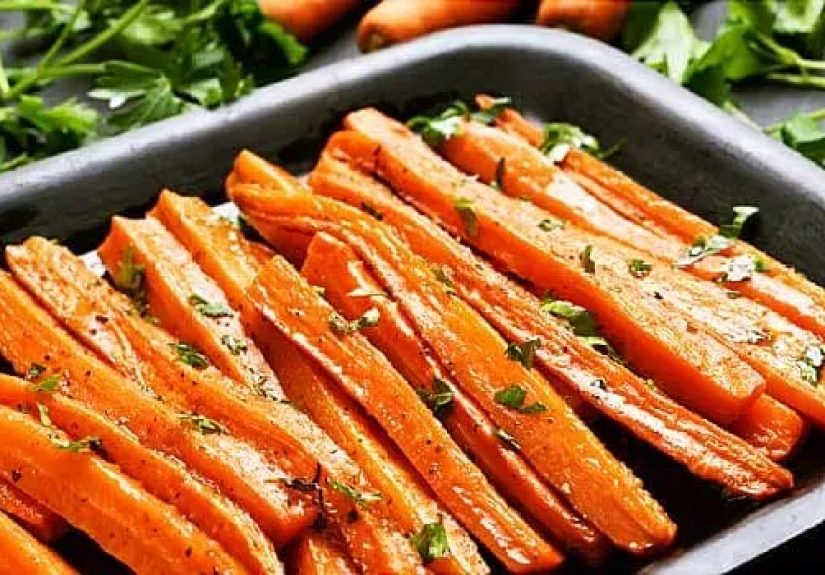
3) Carrots (and other orange veggies): more bioavailable beta-carotene when cooked
Beta-carotene is another carotenoid. In many people, cooking carrots helps make beta-carotene easier to
absorb. Roasting, steaming, or sautéing can all workespecially if you add a little healthy fat.
Translation: carrots don’t need to be raw to be “good.” They just need to show up.
4) Spinach and some leafy greens: cooking can reduce “nutrient blockers”
Some leafy greens contain oxalates, which can bind to minerals like calcium. Cooking can reduce oxalate
levels and may improve mineral availability for some people. This doesn’t mean raw spinach is “bad.”
It just means cooked spinach can be a smart rotationespecially if you rely on greens as a major source
of certain micronutrients.
5) Mushrooms and a few other veggies: antioxidant activity may increase with cooking
Depending on the type and method, cooking can increase measurable antioxidant activity in some foods.
Plus, cooked mushrooms are often easier to digest and way more enjoyable for people who don’t love the
“raw sponge” experience. (No judgment if you do.)
Why Raw Still Matters (Crunchy = Not Pointless)
1) Vitamin C is heat-sensitive
Vitamin C is water-soluble and sensitive to heat. That means cookingespecially prolonged
cooking or boilingcan reduce vitamin C content. Quick methods like steaming or microwaving can lessen
losses compared with boiling, but raw vitamin C-rich veggies (like bell peppers) still deserve a spot in your
lineup.
2) Some B vitamins and other water-soluble nutrients can leach into water
Water-soluble vitamins can move from vegetables into cooking water. This is why boiling can be
nutrient-unfriendly if you pour the water down the drain. (If you’re making soup, stew, or a sauce where the
liquid gets eaten, that’s a different storythose nutrients can still end up on your spoon.)
3) Raw vegetables support texture, fiber goals, and “actually eating the vegetables”
Nutrition isn’t just chemistryit’s behavior. Raw veggies can be convenient (hello, snack plate),
satisfying (crunch!), and an easy way to boost fiber and variety. If raw carrots are what gets you to eat
vegetables today, then raw carrots are the correct answer today.
The Best Cooking Methods to Preserve Nutrients
When it comes to keeping nutrients, the “best” method usually means:
shorter cooking time, less water, and not burning the food into sadness.
Top nutrient-friendly methods
- Steaming: Uses minimal water and can preserve more water-soluble vitamins than boiling.
- Microwaving: Often fast with little added watergreat for nutrient retention when done properly.
- Quick sauté/stir-fry: Short cook time; adding a little oil helps absorb fat-soluble vitamins.
- Roasting: Concentrates flavor, encourages you to eat more veggies, and can be nutrient-friendly if not overdone.
- Pressure cooking: Short cooking time can help preserve some nutrients versus long simmering.
Methods to be careful with
- Boiling (especially lots of water): Can cause water-soluble vitamins to leach outunless you use the cooking water.
- Deep frying: High heat plus lots of oil isn’t the best “unlock nutrients” strategy for most people.
- Overcooking any method: The longer and hotter, the greater the nutrient losses for heat-sensitive compounds.
Pro tip: If you do boil vegetables, consider using the leftover liquid in soups, sauces, or grains so you don’t
toss the nutrients along with the water.
Veggie-by-Veggie Cheat Sheet: Raw, Cooked, or Both?
Here’s the practical part. If you want the best way to unlock nutrients, focus on what each vegetable is
“best at,” then choose a method that supports it.
Tomatoes
Best approach: Both. Raw for vitamin C and freshness; cooked (sauce, roasted, simmered) for
more usable lycopene. Add a little olive oil for carotenoid absorption.
Carrots + sweet potatoes + winter squash
Best approach: Often better cooked for carotenoid absorption. Roast, steam, microwave, or sauté.
Pair with a small amount of fat.
Spinach + kale + chard
Best approach: Both. Raw in salads/smoothies for vitamin C-rich combos; cooked to shrink volume,
change texture, and potentially improve mineral availability for some people. Steaming or quick sautéing is
typically friendlier than long boiling.
Broccoli + Brussels sprouts + other cruciferous veggies
Best approach: Lightly cooked (or a mix of raw and lightly cooked). Gentle steaming for a few
minutes can preserve beneficial compounds better than heavy boiling. A helpful trick people use: chop
broccoli first and let it rest briefly before cookingthis supports formation of certain beneficial compounds.
If you prefer higher-heat cooking, mixing in some raw chopped cruciferous bits (or raw mustard/radish
elements) can help.
Bell peppers
Best approach: Raw or lightly cooked. Bell peppers are a great vitamin C source, so keep some
raw (salads, snack plates) and cook others quickly (stir-fry, fajitas) without overdoing it.
Zucchini + asparagus + green beans
Best approach: Light cooking is often a win for taste and digestibility. Steaming, sautéing, or
roasting keeps them flavorful and helps you eat more of theman underrated nutrition “hack.”
Don’t Forget Fat: The “VIP Pass” for Certain Nutrients
Some nutrients in vegetables are fat-soluble (like many carotenoids). Your body absorbs them
better when you eat them with a little fat. This doesn’t mean you need to drown your salad in ranch like it’s a
pool party. It means adding a drizzle of olive oil, a few slices of avocado, some nuts, or a spoonful of
hummus can make your veggie nutrients more usableespecially for carotenoid-rich produce like tomatoes
and carrots.
When Cooking Is Non-Negotiable: Safety and Comfort
Raw sprouts deserve extra caution
Some foods aren’t just about nutrientsthey’re about risk. Raw or lightly cooked sprouts have
been linked to foodborne illness outbreaks. Public health agencies have repeatedly warned that sprouts can
carry harmful bacteria, and thorough cooking reduces risk. If you’re serving anyone at higher risk for severe
foodborne illness, cooked is the smarter move.
Cooking can help digestion for some people
If raw veggies make your stomach feel like it’s hosting a percussion concert, you’re not alone. Cooking
softens fiber and can make vegetables easier to tolerate. This can be especially helpful if you’re increasing
vegetable intake quicklygoing from “almost none” to “a full raw kale bowl” can be… ambitious.
FAQ: Quick Answers That Actually Help
Is microwaving vegetables bad?
Generally, no. Microwaving is often fast and uses little water, which can help preserve nutrients compared
with boiling. Like any method, the key is not overcooking.
Are frozen vegetables less nutritious than fresh?
Not necessarily. Frozen vegetables are often picked and frozen quickly, which helps them retain nutrients.
Some reputable nutrition organizations note frozen produce can have similar vitamin and nutrient levels to
fresh. The biggest “nutrition loss” usually comes from what gets addedchoose options without heavy
sauces, added salt, or lots of sugar.
Do I have to eat vegetables raw to get fiber?
Nope. Fiber remains in both raw and cooked vegetables. Cooking changes texture and volume more than
it removes fiber.
What’s the best way to unlock nutrients if I’m busy?
The method you’ll repeat. A bag of microwaved frozen broccoli topped with olive oil and garlic beats a
“perfect” recipe you never make. Convenience is a health strategy.
The Best Strategy: The “Half-and-Half” Plate
If you want a simple rule that works in real life, try this:
aim for some raw and some cooked vegetables most days.
This helps you capture heat-sensitive nutrients (like vitamin C) while also getting the benefits of improved
absorption from cooked carotenoid-rich veggies.
Easy ideas to mix raw and cooked
- Taco night: sautéed peppers and onions + raw cabbage slaw.
- Pasta night: tomato sauce + raw side salad with crunchy veggies.
- Breakfast: omelet with cooked spinach + raw fruit/veg on the side.
- Snack plate: raw carrots/peppers + roasted chickpeas or nuts.
- Sheet-pan dinner: roasted veggies + a fresh herb salad tossed on top.
Conclusion: The “Best” Way Is the Way You’ll Eat Consistently
The raw-versus-cooked debate makes nutrition sound like a strict rulebook. But vegetables don’t need rules
as much as they need consistency. Some nutrients are more available after cooking. Others are better
preserved raw. The sweet spot is a varied routine: mix raw salads and crunchy snacks with cooked vegetables
you actually crave.
So the best way to unlock nutrients isn’t choosing a side. It’s stacking the odds in your favor:
use gentle cooking methods, don’t overcook, add a little healthy fat when it helps, and keep vegetables
showing up on your plate in any form you enjoy.
Real-Life Experiences: What People Notice When They Go “Raw,” “Cooked,” or Both (Extra )
Nutrition advice can feel clean and scientific… right up until it collides with real life. Here are common
experiences people share when they experiment with raw versus cooked vegetablesplus what usually
works best long-term.
1) The “Salad Week” energy… and the sudden desire to nap at 3 p.m.
A lot of people try to “get healthy” by eating massive salads for every meal. For a few days, it feels great:
you’re hydrated, you’re crunchy, you’re basically a rabbit with a meal plan. Then reality hitshunger comes
roaring back, or energy dips because the meals are too low in calories or protein. The fix isn’t abandoning
vegetables. It’s building a salad that behaves like an actual meal: add beans, chicken, tofu, eggs, or tuna,
plus some fat (olive oil, nuts, avocado). Suddenly, raw veggies stop feeling like punishment and start feeling
like lunch.
2) The “Cooked Veggies Are Boring” myth vanishes after roasting
People who say they “hate vegetables” often mean they hate overboiled vegetables. Roasting changes
everything. Carrots become sweet. Brussels sprouts turn nutty and crispy. Broccoli gets those browned edges
that taste like effort. Once someone discovers that vegetables can taste amazing cooked, their intake usually
jumpsbecause enjoyment is a powerful nutrient delivery system.
3) The digestion surprise: raw can be rough, cooked can be kind
Many people notice that big raw veggie portions can cause bloating or discomfort, especially if they ramp up
fiber fast. Cooking softens fiber and can make vegetables easier to tolerate. A common “middle path”
experience is switching from giant raw bowls to a mix: smaller raw portions (like a side salad) plus cooked
vegetables (like sautéed zucchini or roasted squash). That combination often feels better and is easier to
maintain.
4) The “I don’t have time” problem gets solved by frozen + microwave
Busy schedules can make fresh produce go sad in the crisper drawer. People who start keeping frozen
vegetables often report a big shift: vegetables become a default, not a special occasion. Microwave-steamed
frozen broccoli with lemon and olive oil takes five minutes. A frozen stir-fry blend can be dinner’s backbone.
The experience here is simple: convenience reduces friction, friction reduction increases consistency, and
consistency wins.
5) The flavor trick that keeps raw veggies in rotation: dips, acids, and crunch
Raw vegetables stay in people’s routines when they’re paired with something satisfyinghummus, yogurt
dip, peanut sauce, salsa, or even just salt, pepper, and lime. Another common discovery is that acidity
(lemon, vinegar, pickled onions) makes raw vegetables taste brighter. A snack plate with bell peppers,
cucumbers, and a dip feels like a treat, not a task. That “treat” feeling is often the difference between a
vegetable habit that lasts a week and one that lasts a year.
The takeaway from all these experiences is refreshingly un-dramatic: raw and cooked vegetables both belong
in a healthy pattern. The best method is the one that matches your taste, your stomach, and your schedule
because the nutrients only help if the vegetables actually get eaten.