Table of Contents >> Show >> Hide
- What “Hungover Without Drinking” Usually Means
- Top Reasons You Feel Hungover Without Drinking (and What to Do)
- 1) Dehydration (and Electrolyte Imbalance): The Classic Impostor
- 2) Poor Sleep, Sleep Debt, or “I Slept… But It Didn’t Count”
- 3) Blood Sugar Crashes: The “Low Hangover” Effect
- 4) Migraine “Hangover” (Postdrome): The Sneaky After-Party
- 5) You’re Getting Sick (or Fighting Something Off)
- 6) Stress and Anxiety: The “Hangxiety” Without the Alcohol
- 7) Caffeine Whiplash: Too Much… or Suddenly None
- 8) Medication Side Effects or “Rebound” Headaches
- 9) Anemia: Low Oxygen, Low Energy, High “Why Do I Feel Like This?”
- 10) Carbon Monoxide Exposure: The “Phantom Hangover” Emergency
- 11) POTS / Dysautonomia: When Standing Up Feels Like a Boss Fight
- 12) Histamine Intolerance or Food Reactions: When Dinner Becomes a Drama
- Bonus: Travel Triggers (Jet Lag, Altitude, and “Why Is My Body Mad at Geography?”)
- A Practical 10-Minute Self-Check (No Lab Coat Needed)
- Solutions That Actually Work (and the Stuff That Usually Doesn’t)
- When to Get Medical Help
- FAQ: Quick Answers to Common “Why Am I Like This?” Questions
- Real-World “Sober Hangover” Experiences (500+ Words of Relatable Reality)
- Conclusion
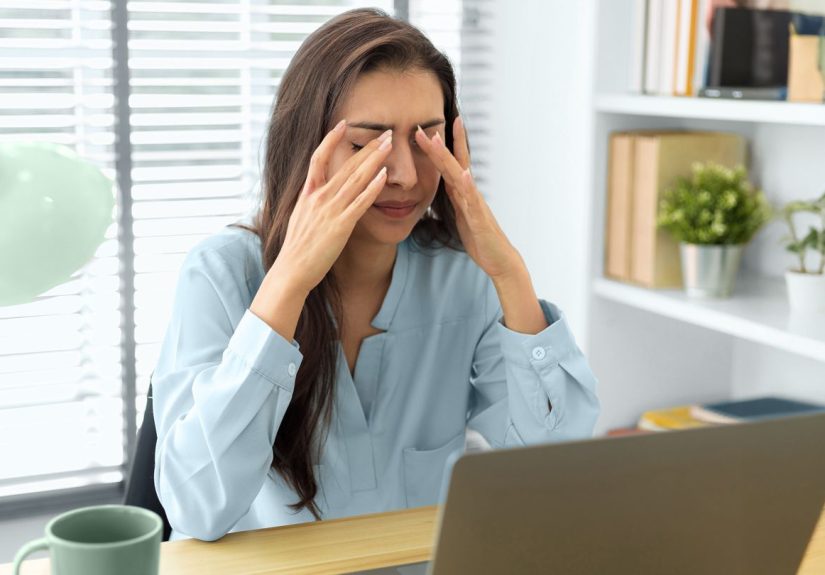
You wake up with a skull-sized headache, a mouth that feels like a desert, and a brain moving at dial-up speed.
The only problem? You didn’t drink a drop. So… why do you feel hungover without alcohol?
Welcome to the “sober hangover,” the cruel prank your body can pull when something else is offsleep, hydration,
blood sugar, migraines, illness, or even your environment. The good news: once you know the real cause, the fix is
usually way more effective than “I swear I’m never drinking again.”
What “Hungover Without Drinking” Usually Means
When people say they feel hungover without drinking, they’re usually describing a familiar symptom combo:
headache, nausea, dizziness, fatigue, brain fog, sensitivity to light/sound, and feeling generally “ugh.”
Alcohol can cause these symptomsbut it’s not the only culprit.
Think of “hangover” as a shortcut word for: dehydrated + under-rested + inflamed + chemically annoyed.
Lots of everyday situations can recreate that exact vibewithout the fun part that came before it.
Top Reasons You Feel Hungover Without Drinking (and What to Do)
1) Dehydration (and Electrolyte Imbalance): The Classic Impostor
Dehydration is the easiest way to manufacture hangover symptoms on a random Tuesday. Not enough fluids can lead
to headache, dizziness, fatigue, and that cotton-mouth situation. You can get dehydrated from sweating (workouts,
heat), too much caffeine, travel, diarrhea/vomiting, or just… forgetting water exists.
Solutions:
- Start with water: 12–20 oz (350–600 ml) over 30–60 minutes, not chugged in 30 seconds.
- Add electrolytes if you’ve been sweating heavily or had GI issues (sports drink, oral rehydration solution, electrolyte packets).
- Eat something salty (broth, salted crackers) if you’ve been sweating a lotyour body likes sodium when it’s actually missing it.
Quick caution: Overhydrating can also backfire. If you’re pounding plain water for hours without
replacing electrolytes, you can dilute sodium levels and feel worse. If symptoms are severe or you’re at risk,
get medical advice.
2) Poor Sleep, Sleep Debt, or “I Slept… But It Didn’t Count”
One night of bad sleep can make you feel like you spent the evening wrestling a raccoon. Poor sleep can trigger
headaches, nausea, irritability, and brain fog. And if your sleep is fragmentedhello, snoring, waking up a lot,
or sleep apneayou can wake up with morning headaches and exhaustion even after “eight hours.”
Solutions:
- Do a 2-night reset: prioritize two earlier bedtimes in a row (not just one heroic night).
- Cut caffeine earlier (aim for no caffeine after late morning/early afternoon if you’re sensitive).
- Screen curfew: 30–60 minutes off before bed if you’re a doom-scroll champion.
- Consider sleep apnea if you snore loudly, wake up unrefreshed, or get morning headaches oftentalk to a clinician.
3) Blood Sugar Crashes: The “Low Hangover” Effect
Skipping meals, eating mostly sugar, or going too long without food can tank your blood sugar and leave you with
headaches, nausea, shakiness, fatigue, and brain fog. People with diabetes are especially at risk, but anyone can
feel awful after a blood sugar roller coaster.
Solutions:
- Eat within an hour of waking if you feel rough: combine protein + carbs + fiber.
- Fast fix snack: banana + peanut butter, yogurt + granola, eggs + toast, or a turkey sandwich.
- If you suspect hypoglycemia (sweats, shaky, confused), treat promptly and seek medical guidanceespecially if it happens repeatedly.
4) Migraine “Hangover” (Postdrome): The Sneaky After-Party
Migraines aren’t just “bad headaches.” They can bring nausea, light/sound sensitivity, dizziness, and brain fog.
And even after the pain improves, many people get a postdrome phaseoften described as a “migraine hangover”
where you feel drained, foggy, and fragile.
Solutions:
- Hydrate + eat gently (small, frequent meals).
- Lower stimulation (dim lights, reduce noise) for a few hours.
- Track triggers (sleep changes, dehydration, stress, skipped meals, caffeine shifts).
- See a clinician if migraines are frequent, worsening, or newtreatment can be life-changing.
5) You’re Getting Sick (or Fighting Something Off)
Early viral illness can feel exactly like a hangover: malaise, headache, fatigue, body aches, and nausea. Add mild
dehydration or poor sleep and you’ve basically built a hangover from scratchwith germs instead of cocktails.
Solutions:
- Rest like it’s your job (because your immune system is clocked in).
- Hydrate and consider electrolytes if appetite is low.
- Use symptom relief wisely (and avoid doubling up meds).
- Test when appropriate (e.g., COVID/flu if symptoms match and exposure risk is high).
6) Stress and Anxiety: The “Hangxiety” Without the Alcohol
Stress can cause tension headaches, stomach upset, poor sleep, and a racing mind. Anxiety can mimic physical
illnessnausea, dizziness, fatigue, and that “I’m not okay” feelingeven when medically everything is fine.
Solutions:
- Do a 5-minute downshift: slow breathing, short walk, sunlight, or a quick stretch routine.
- Fuel consistently (stress + skipped meals = guaranteed misery).
- Reduce stimulants (caffeine can amplify anxiety symptoms).
- If anxiety is frequent or intense, consider professional supportevidence-based treatment works.
7) Caffeine Whiplash: Too Much… or Suddenly None
Caffeine can cause headaches, jitteriness, GI upset, and sleep disruption when overdone. But suddenly stopping
regular caffeine can also cause withdrawal symptoms like headache, drowsiness, irritability, nausea, and trouble
concentrating. If you feel hungover after switching from “three coffees” to “I’m a new person now,” caffeine might
be the plot twist.
Solutions:
- Taper slowly (reduce by ~25% every few days instead of quitting overnight).
- Hydrate and pair caffeine with food to reduce jitters.
- Protect sleep: keep caffeine earlier in the day.
8) Medication Side Effects or “Rebound” Headaches
Many medications can cause nausea, dizziness, fatigue, or headaches (including some cold meds, sleep aids,
antidepressants, and pain relievers). Also, frequent use of headache medications can lead to medication-overuse
(“rebound”) headacheswhere the cure becomes the problem.
Solutions:
- Check labels (especially combination products) to avoid doubling ingredients.
- Review patterns: if you take pain relievers often, talk to a clinician about safer long-term options.
- Never stop prescription meds abruptly without medical advice.
9) Anemia: Low Oxygen, Low Energy, High “Why Do I Feel Like This?”
Anemia can leave you tired, weak, dizzy, and headachybasically the hangover starter pack. It’s not rare and can
be related to iron deficiency, heavy menstrual bleeding, chronic disease, and more.
Solutions:
- Ask for a workup if fatigue and dizziness are persistent (blood count, iron studies as appropriate).
- Don’t self-prescribe iron long-term without guidancetoo much iron can be harmful.
10) Carbon Monoxide Exposure: The “Phantom Hangover” Emergency
Carbon monoxide (CO) exposure can cause headache, dizziness, nausea, weakness/fatigue, confusion, and moreoften
mistaken for flu or “feeling off.” If multiple people in the same home feel “hungover” at the same time, or symptoms
improve when you leave the house, take it seriously.
Solutions (urgent):
- Get to fresh air immediately if you suspect CO.
- Seek medical help right away for concerning symptoms.
- Use working CO detectors and maintain fuel-burning appliances.
11) POTS / Dysautonomia: When Standing Up Feels Like a Boss Fight
Postural Orthostatic Tachycardia Syndrome (POTS) can cause lightheadedness, fatigue, brain fog, nausea, headache,
and palpitationsespecially when you stand up. People often describe feeling wiped out in a way that sounds
suspiciously like a hangover.
Solutions:
- Hydration + salt (as medically appropriate) can help some people, but get individualized advice.
- Track symptoms (heart rate changes on standing, triggers, hydration, sleep).
- See a clinician for evaluation and management.
12) Histamine Intolerance or Food Reactions: When Dinner Becomes a Drama
Some people experience headache and stomach upset tied to certain foods (including histamine-related intolerance).
If you notice symptoms after specific mealsespecially repeatedlyit’s worth investigating.
Solutions:
- Keep a simple food + symptom log for 2–3 weeks.
- Try a targeted elimination (with professional guidance if symptoms are significant).
- Seek care if reactions are severe or include breathing issues, swelling, or hives.
Bonus: Travel Triggers (Jet Lag, Altitude, and “Why Is My Body Mad at Geography?”)
Crossing time zones can cause headaches, fatigue, and sleep disruption. High altitude can cause headache, nausea,
dizziness, fatigue, and trouble sleeping. If your “hangover” appears only when traveling, the map might be the clue.
Solutions:
- Jet lag: shift bedtime gradually before travel, get morning sunlight at destination, keep naps short.
- Altitude: ascend slowly if possible, hydrate, avoid overexertion early, and descend/seek care if symptoms escalate.
A Practical 10-Minute Self-Check (No Lab Coat Needed)
- Water check: Are you thirsty, peeing dark, or sweating a lot lately? Hydrate + electrolytes.
- Sleep check: Less sleep than usual, poor quality, late-night screens? Prioritize a 2-night reset.
- Food check: Skipped meals or all-sugar dinner? Eat protein + carbs.
- Headache check: One-sided throbbing, nausea, light sensitivity? Consider migraine/postdrome.
- Sick check: Sore throat, feverish, body aches? Treat as early illness.
- Environment check: Anyone else in the home feels bad too? Think carbon monoxide.
- Pattern check: Happens often? Time to involve a clinician and get to the root cause.
Solutions That Actually Work (and the Stuff That Usually Doesn’t)
Hydrate Smart (Not Aggressively)
If dehydration is likely, aim for steady fluids and include electrolytes when appropriate. Chugging a gallon of
water in 10 minutes is not a personality traitit’s a strategy for feeling nauseated.
Eat for Stability: The Anti-Crash Plate
The goal is to stop blood sugar from doing parkour. Combine:
protein (eggs, yogurt, tofu, turkey),
fiber (fruit, oats, veggies),
and slow carbs (whole-grain toast, rice, potatoes).
Use a “Low-Stimulation Hour”
If you suspect migraine or stress overload: dim lights, reduce noise, take a short walk, sip fluids, and avoid
stacking stimulants (extra coffee, energy drinks, “pre-workout”your nervous system is already hosting a riot).
Be Careful with Pain Relievers
Over-the-counter options can help headachesbut frequent use can backfire. If you’re relying on them regularly,
that’s a signal to talk to a clinician about prevention, triggers, and safer strategies.
When to Get Medical Help
A sober hangover is often harmlessbut certain patterns and symptoms deserve fast medical attention:
- Possible carbon monoxide exposure (multiple people sick in the same space, symptoms improve outdoors)
- Severe or new headache, confusion, fainting, seizures, or neurological symptoms
- Persistent vomiting, inability to keep fluids down, or signs of dehydration
- Chest pain, shortness of breath, or feeling “something is very wrong”
- Frequent recurrence (e.g., weekly “hungover” mornings without drinking)
FAQ: Quick Answers to Common “Why Am I Like This?” Questions
Why do I feel hungover after eating sugar?
Big sugar hits can cause a spike-and-crash effect, dehydration (especially with salty/sugary processed foods),
and poor sleep. If it happens often, consider meal balance and talk with a clinician about glucose issues.
Can dehydration alone cause nausea and headaches?
Yes. Dehydration can trigger headaches and make you feel weak, dizzy, and nauseated. Fluids and rest typically help.
Why do I feel hungover after a “good” workout?
Heavy sweating + not enough fluids/electrolytes + under-fueling can equal headache, nausea, and fatigue. Try water,
electrolytes, and a post-workout meal with carbs and protein.
Real-World “Sober Hangover” Experiences (500+ Words of Relatable Reality)
Below are real-to-life scenarios people commonly report (details generalized). If any of these feel painfully familiar,
congratulationsyou’re normal, not broken.
The “I Slept Eight Hours” Lie
Scenario: You went to bed on time, technically slept eight hours, and still woke up feeling like your head is full of
wet cement. You’re thirsty, cranky, and your brain is buffering.
What’s often happening: sleep fragmentation. Maybe you woke up repeatedly (stress, noise, pets auditioning for a
nighttime stampede), or you snored and didn’t get restorative sleep. People with sleep apnea can wake up with
morning headaches and fatigue despite “enough” hours. The fix isn’t just more time in bedit’s better quality sleep.
Try: a consistent schedule for a week, earlier caffeine cutoff, darker/cooler room, and talk to a clinician if snoring
and morning headaches are frequent.
The Coffee Spiral
Scenario: Monday morning. You drink extra coffee because you’re tired. Then you’re jittery, your stomach is weird,
and by mid-afternoon your head hurts. The next day you skip coffee to “reset” and get… a headache and nausea.
What’s often happening: caffeine whiplash. Too much can cause headache, anxiety, and sleep disruption, while sudden
withdrawal can also trigger headaches, drowsiness, irritability, nausea, and trouble focusing. Your body loves routine,
even when the routine is questionable.
Try: taper caffeine gradually, drink water alongside it, and don’t use caffeine as a substitute for breakfast.
The Skipped Meal + “Healthy” Dinner Trap
Scenario: You forgot lunch (because life), then had a “healthy” dinner that was basically a salad and vibes.
You wake up shaky, headachy, foggy, and slightly nauseated.
What’s often happening: blood sugar instability. Long gaps between meals, under-eating, or eating mostly quick carbs
can lead to a crash that feels suspiciously like a hangover. Your brain runs on glucose. When it doesn’t get it, it
files a complaintloudly.
Try: add protein and slow carbs at dinner (chicken + rice, tofu + noodles, beans + tortilla). If you wake up rough,
eat something balanced early. If crashes happen often, get checkedespecially if you have diabetes risk factors.
The “Hot Yoga Hero” Morning Regret
Scenario: You crushed a sweaty workout, felt virtuous, and then woke up feeling like you got hit by a truck.
Your head hurts, you’re thirsty, and standing up feels like an adventure.
What’s often happening: dehydration and electrolyte loss. Sweat pulls water and sodium out of your body. Replacing
only water sometimes helpsbut if you’ve lost lots of electrolytes, you may still feel off.
Try: electrolytes after heavy sweating, a salty snack, and a real meal. Also: you don’t need to “earn” hydration.
Drink during the day like you actually live in your body.
The “Everyone at Home Feels Weird” Red Flag
Scenario: You wake up with a headache and nausea. Your partner says they feel the same. The dog looks offended by
existence. You open a window and suddenly you feel better.
What’s often happening: carbon monoxide exposureone of the most important sober-hangover lookalikes. CO symptoms
are nonspecific and can mimic illness or “hangover.” If symptoms cluster in the same environment, don’t debate it.
Act.
Try: get outside for fresh air, seek medical help if symptoms are concerning, and make sure you have working CO
detectors. This one is not a “wait and see” situation.
Conclusion
Feeling hungover without drinking isn’t your body being dramatic (okay, it is dramatic, but for a reason).
Most often, it comes down to dehydration, poor sleep, blood sugar swings, migraines, early illness, caffeine shifts,
stress, or an underlying condition like anemia. And occasionally, it’s a serious environmental issue like carbon monoxide.
The fastest path to relief is a simple triage: hydrate steadily, eat something balanced, reduce stimulation, and
prioritize quality sleep. If it keeps happeningor comes with red flagsget medical input. Your future mornings
deserve better.