Table of Contents >> Show >> Hide
- Why Lavender Lemonade Works (It’s Basically Flavor Math)
- Ingredients: What to Buy (and What to Avoid)
- The Recipe: Classic Lavender Lemonade (Pitcher-Size)
- Flavor Variations (Because One Pitcher Is Never Enough)
- Make-Ahead, Storage, and Food Safety
- Troubleshooting (So You Don’t End Up With Floral Dish Soap)
- Scaling for a Party (Because One Pitcher Is a Teaser)
- Experience Notes: Real-Life Lavender Lemonade Moments (500-ish Words of “Oh, That’s So True”)
- Conclusion
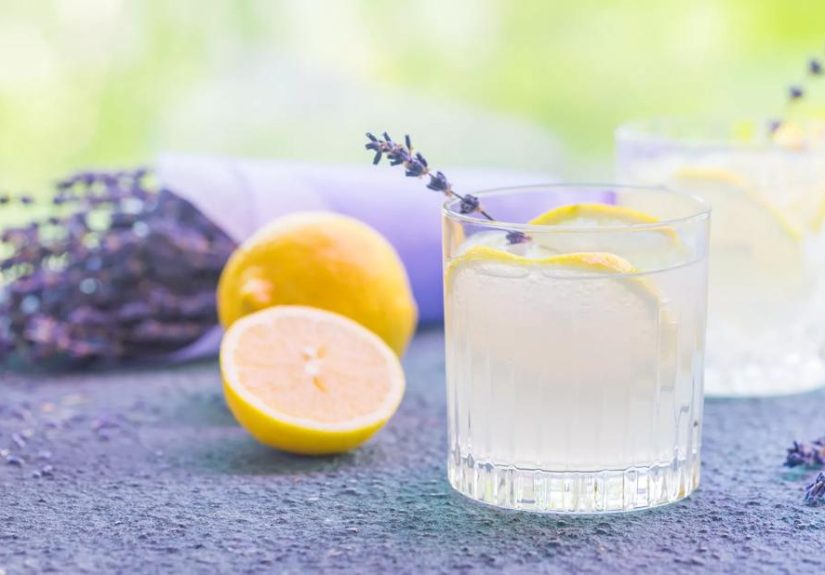
Lavender lemonade is what happens when classic homemade lemonade puts on a linen shirt, lights a candle, and starts
saying things like “notes of citrus” with a straight face. It’s still the same sunny, sweet-tart drink you grew up
withjust upgraded with a gentle floral aroma that makes even a Tuesday feel like a backyard party.
The secret is restraint. Lavender is powerful (in the “one sprig can perfume an entire room” way), so the goal isn’t
to make your lemonade taste like soap. The goal is “lemonade… but with a tiny wink of garden.” This recipe gets you
there with a lavender simple syrup you can adjust to your taste, plus practical tips so your pitcher turns out
refreshingnot regretful.
Why Lavender Lemonade Works (It’s Basically Flavor Math)
Great lemonade is a balancing act: acidity from fresh lemon juice, sweetness to soften the sharp edges, and water to
bring it all into “sip” territory. Lavender slides into that equation like background musicnoticeable, but not the
whole show. A tiny pinch of salt can also help round the flavor so the lemon tastes brighter and the sweetness feels
cleaner, not heavier. [1]
The trick is getting lavender flavor into the drink without over-extracting the camphor-y, medicinal notes that can
show up if you steep too long or use too much. That’s why we infuse the sweetener (simple syrup) instead of dumping
lavender directly into the pitcher and hoping for the best.
Ingredients: What to Buy (and What to Avoid)
Culinary Lavender (Read This Part Twice)
Use culinary-grade dried lavender budsthe kind sold for cooking in spice shops, grocery aisles, or
reputable herb sellers. Skip craft-store lavender and anything meant for potpourri or décor. Also skip lavender
essential oil in drinks; it’s not the same thing as food-safe buds and can easily overwhelm the flavor. When in
doubt, look for lavender labeled for culinary use, and choose buds that smell fresh and floral (not dusty or
aggressively “perfume counter”). [9][10]
Lemons
Fresh lemon juice is the whole point here. Bottled lemon juice can work in a pinch, but it tends to taste flatter
and less fragrant. For this recipe, you’ll need about 8–10 medium lemons, depending on juiciness.
Roll each lemon firmly on the counter before cutting to help it release more juice.
Sugar (and Other Sweeteners)
Classic lavender lemonade uses granulated sugar, dissolved into a syrup for smooth sweetness. You can swap in honey
if you want a warmer, more floral sweetnessbut start small and taste as you go (honey can shout). [8]
Water
Cold, good-tasting water matters because lemonade is mostly water. If your tap water tastes like a swimming pool,
your lemonade will too. Filtered water is your friend. Sparkling water is also great for serving, but add it right
before drinking so it stays fizzy.
The Recipe: Classic Lavender Lemonade (Pitcher-Size)
Yield: About 8 cups (roughly 6–8 servings)
Time: 10 minutes active, plus cooling/chilling
Step 1: Make Lavender Simple Syrup
- 1 cup granulated sugar
- 1 cup water
- 1 to 2 tablespoons dried culinary lavender buds (start with 1 tablespoon for a gentler flavor)
-
In a small saucepan, combine the sugar and water. Warm over medium heat, stirring, just until the sugar dissolves.
You don’t need a rolling boilthink “hot tub,” not “volcano.” -
Remove from heat. Stir in the lavender buds, cover, and let steep for 20–30 minutes for a subtle
floral note, or up to 2 hours for a stronger infusion. (If you go longer, taste periodically so it
doesn’t drift into “grandma’s linen drawer.”) [4][5] -
Strain through a fine-mesh sieve into a heat-safe container. Press gently on the buds, then stopover-pressing can
pull bitter notes. Let cool to room temperature, then refrigerate.
Tip: This makes about 1 1/2 cups syrup. You’ll likely use 3/4 to 1 1/4 cups in the lemonade,
depending on how sweet and how floral you like it. Leftover syrup is amazing in iced tea, coffee, or drizzled over
fruit. [2]
Step 2: Juice the Lemons
- 1 1/2 cups fresh lemon juice (about 8–10 lemons)
Strain out seeds and big pulp if you want a smoother drink. A little pulp is fine; lemonade doesn’t need to be a
formal event.
Step 3: Build the Pitcher and Adjust to Taste
- 1 1/2 cups fresh lemon juice
- 3/4 cup lavender simple syrup (plus more to taste)
- 4 1/2 cups cold water (plus more to taste)
- Pinch of salt (optional, but recommended)
- Ice, for serving
- In a large pitcher, whisk together the lemon juice, 3/4 cup lavender syrup, cold water, and a tiny pinch of salt.
-
Taste. If it’s too tart, add more syrup a tablespoon at a time. If it’s too sweet, add a splash more water. If the
lavender feels loud, add water and lemon juice in small amounts until it settles into the background. - Chill for at least 30 minutes. Serve over plenty of ice (cold is part of the magic). [1]
Optional Garnishes (Pretty, Not Fussy)
- Lemon wheels or wedges
- A few fresh lavender sprigs (only if pesticide-free)
- Fresh mint
- Thin cucumber ribbons (surprisingly elegant)
Flavor Variations (Because One Pitcher Is Never Enough)
Sparkling Lavender Lemonade
Make the base recipe slightly stronger by using 4 cups water in the pitcher. When serving, top each
glass with sparkling water. This keeps the bubbles lively and prevents your whole pitcher from going flat while
everyone argues over which playlist is “more summer.”
Honey-Lavender Lemonade
Swap part (or all) of the sugar in the syrup for honey. Warm honey with water until dissolved, then steep lavender,
strain, and proceed. Honey adds a round, cozy sweetness that pairs beautifully with lemon. Start with
1/2 cup honey and increase to taste. [8]
Vanilla-Soft Lavender Lemonade
Add 1/4 to 1/2 teaspoon vanilla extract to the finished pitcher. It makes the drink taste a little
like a fancy bakery smellswithout requiring you to own a fancy bakery. [4]
Pink Lemonade Energy (Without Food Dye Drama)
Steep a tablespoon of dried hibiscus with the lavender in the syrup, then strain. You’ll get a naturally rosy tint
and a subtle berry-tart note that plays well with lemon. [7]
Tea-Time Twist
Replace 1–2 cups of the cold water with chilled black tea or green tea. The tannins add depth, making the drink feel
more “brunch-worthy” and less “kid’s lemonade stand” (though both are valid lifestyles). [3]
Make-Ahead, Storage, and Food Safety
How Long Does Lavender Lemonade Last?
For best flavor, drink homemade lemonade within 24–72 hours. It can last longer in the fridge, but
freshness drops and fermentation can happen if it sits too longespecially if anything wasn’t super clean. Keep it
refrigerated and store it in a covered, clean container. [12][13]
Many home cooks treat lemonade as a 3–5 day fridge item when handled carefully, but if you’re serving
kids, older adults, pregnant people, or anyone with a weakened immune system, it’s smart to stick closer to that
24–72 hour window. [13]
Lavender Syrup Storage
Lavender simple syrup keeps longer than the finished lemonade. Store it covered in the refrigerator and use clean
utensils when scooping. If it looks cloudy, smells “off,” or starts fizzing on its own (not the fun kind), toss it
and make a fresh batch. [5]
Freezer Tips
- Freeze leftover lemon juice in ice cube trays for quick future lemonade.
- Freeze lavender syrup in small portions so you can sweeten drinks without committing to a whole pitcher.
Troubleshooting (So You Don’t End Up With Floral Dish Soap)
“It Tastes Like Perfume.”
You likely steeped the lavender too long or used too much. Dilute the pitcher with water and a bit more lemon juice.
Next time, start with 1 tablespoon lavender per batch of syrup and steep for 20–30 minutes, tasting as you go. [5]
“It’s Too Tart.”
Add more lavender syrup, one tablespoon at a time. Lemon strength varies a lot, so “perfect lemonade” is always a
moving target. The pitcher is allowed to have opinions.
“It’s Too Sweet.”
Add cold water in small splashes, and consider adding a little more ice when serving. If it still tastes heavy, a
tiny pinch of salt can help the sweetness feel cleaner. [1]
“It’s Bitter.”
Bitter notes often come from squeezing lemon peels too aggressively (pith bitterness) or over-pressing the lavender
when straining. Juice gently, and strain the syrup without smashing the buds like they owe you money.
Scaling for a Party (Because One Pitcher Is a Teaser)
This recipe scales easily. For a crowd, make a larger batch of syrup and keep it separate. Then mix pitchers as
needed so everything tastes fresh.
Quick Party Formula
- Per 1 cup lemon juice: start with 1/2 cup lavender syrup + 3 cups water, then adjust.
-
If you’re unsure, mix slightly strong and let guests add water/ice. People love customizing drinks almost as much
as they love telling you how they “totally could have hosted” (but didn’t).
Experience Notes: Real-Life Lavender Lemonade Moments (500-ish Words of “Oh, That’s So True”)
Lavender lemonade has a funny way of becoming the unofficial main character at gatherings. It’s not loud like a neon
sports drink, and it’s not trying to be “health water” either. It lands in that sweet spot where people take a sip
and immediately ask, “What is in this?”which is the universal sign you’ve made something worth repeating.
One classic scenario: a backyard cookout where everything is delicious but also a little chaotic. Someone’s flipping
burgers, someone else is chasing napkins that have achieved flight, and the cooler is a game of ice-cold roulette.
Lavender lemonade shines here because it tastes refreshing even after you’ve been outside long enough to forget what
air-conditioning feels like. It’s bright, it’s cold, and the lavender aroma makes the whole situation feel oddly
organizedlike your life has a planner, even if your life definitely does not have a planner.
Another familiar moment: the “I brought a drink!” contribution to a potluck. You want something that travels well,
looks pretty, and doesn’t require you to assemble a garnish bouquet in someone else’s kitchen. Lavender lemonade is a
champion because you can make the syrup ahead, mix it the morning of, and show up with a pitcher that looks
intentional. People tend to assume you have advanced hosting skills. You can nod politely and accept the compliment
while quietly remembering you googled “how many lemons for 8 cups” five minutes before leaving.
Then there’s the brunch table effect. Put out lavender lemonade next to coffee and water, and suddenly everyone is
making choices like they’re at a café. It pairs beautifully with everything from pancakes to salty egg dishes because
the lemon keeps it crisp. And if someone doesn’t like floral flavors, they’ll usually still tolerate a lightly
infused versionespecially if you serve it sparkling and extra cold. The bubbles distract them long enough for the
lavender to behave.
Lavender lemonade also has a “reset button” quality during long afternoonsstudy sessions, game nights, family visits
that go on one hour longer than anyone planned. A glass of something cold, tart, and lightly sweet can cut through
snack fatigue. It wakes up your taste buds without feeling heavy, which is why people tend to reach for a second
glass even if they started the day swearing they’d “just have water.”
Finally, there’s the small, quiet win of making it just for yourself. A single glass over ice, maybe with a lemon
wheel floating like a tiny inflatable pool toy, can turn an ordinary afternoon into a “mini vacation.” The lavender
scent hits first, the lemon follows, and for a moment you get the very real, very underrated pleasure of enjoying
something that tastes like summer without needing a reason. Honestly? That’s the whole point.
Conclusion
Lavender lemonade is best when it’s balanced: bright lemon, smooth sweetness, and a gentle floral finish that stays
in the background like a good friend who doesn’t hijack the conversation. Start with culinary lavender, infuse it
into a simple syrup, and adjust your pitcher by taste. Once you’ve nailed your preferred level of “lavender whisper,”
you’ll have a signature summer drink that feels special without being complicatedand that’s a rare and beautiful
thing.