Table of Contents >> Show >> Hide
- What This Book Actually Is (and Why It’s Not Just a “Cocktail Book”)
- How the Book Is Organized: From Base Booze to Botanical “Glow-Ups”
- The Best Part: You Start Seeing Drinks Differently
- Specific Examples That Make the Book Pop
- Who This Book Is For
- How to Read It Without Turning It Into Homework
- Any Downsides? A Fair, Sober(ish) Take
- Why It Belongs on a “Required Reading” List
- Reader-Style “Experiences” to Make the Book Even More Fun (Extra ~)
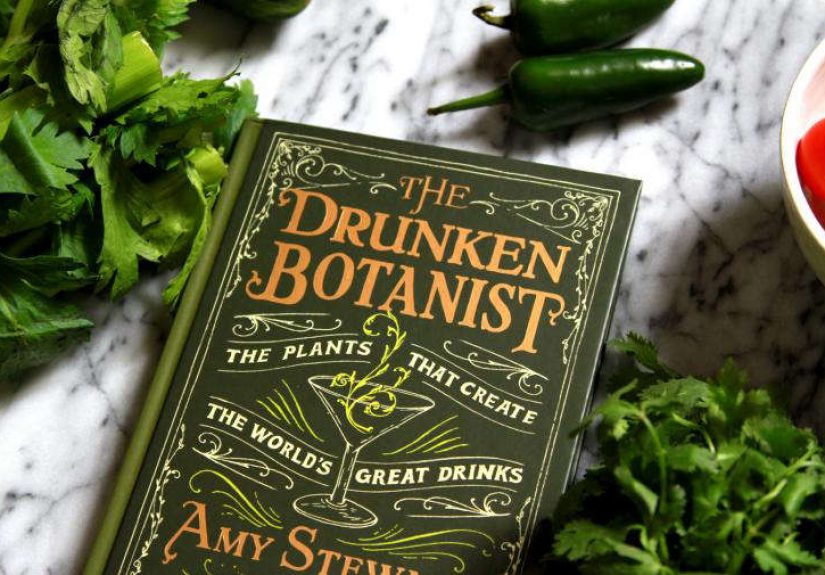
Every great drink starts with a plantwhich is a charming sentence until you realize it means your cocktail is basically a salad that went to grad school.
The Drunken Botanist by Amy Stewart takes that idea and runs with it, sprinting from agave fields to spice cabinets, from orchard fruit to forest bark,
and landingslightly tipsy but impressively on-topicbehind the bar.
If you’ve ever held a drink and thought, “Wow, this tastes like… history?” (or “Why does gin taste like a Christmas tree that joined a debate team?”),
this book is your people. Stewart turns the liquor cabinet into a botanical garden, and somehow makes both feel more fun and more mysterious.
What This Book Actually Is (and Why It’s Not Just a “Cocktail Book”)
On paper, The Drunken Botanist is about the plants that create the world’s great drinksgrains, fruits, herbs, flowers, trees, fungi, the whole green
extended family. In practice, it’s a highly readable mash-up of botany, history, chemistry, cultural trivia, and mixology that refuses to be filed neatly
under any one label. It’s part reference, part story collection, part “wait, that’s in my backyard?” epiphany generator.
Stewart’s secret weapon is her tone: curious, wry, and wonderfully human. She doesn’t write like she’s guarding a vault of elite knowledge. She writes like
your smartest friend who can’t stop texting you weird facts because the world is too interesting to stay quiet. That energy is the whole point: you’re
invited to wander, not cram.
How the Book Is Organized: From Base Booze to Botanical “Glow-Ups”
The book’s structure is a gift to both browsers and deep divers. Instead of treating alcohol like a single topic, Stewart breaks it into a botanical
storyline: first, the plants that become alcohol; then, the plants that make alcohol delicious (or at least “intriguing”); and finally, the mix-ins,
garnishes, and garden-friendly ingredients that turn a drink into a full sensory experience.
Part 1: The Plants That Become Alcohol
This section is where your favorite spirits get their origin stories. Tequila begins as agave. Whiskey begins as grain. Rum begins as sugarcane. Sake begins
as rice. Stewart doesn’t just list these factsshe explains what makes each plant fermentable, how it grows, where it thrives, and why humans across time
looked at it and thought, “We can absolutely turn that into a party.”
And she doesn’t stop at the obvious. You’ll run into lesser-known and occasionally surprising sources of fermentation from different regions and traditions,
which is a nice reminder that “craft” didn’t start when we discovered artisanal fonts. People have been inventing drinks forever; marketing just arrived late.
Part 2: The Botanicals That Flavor and Transform
Once you’ve got a base spirit, you need personality. This is where herbs, spices, woods, fruits, flowers, and barks show up to do their dramatic work.
Stewart explores why certain botanicals became famousjuniper in gin, wormwood in absinthe and bitters, citrus peels in liqueurs, oak in aging, and a long
supporting cast of aromatics that smell like a farmer’s market had a glow-up.
The fun is in the details: the way plant chemistry shows up as flavor. Bitter compounds, aromatic oils, resins, tannins, and acids are not just “tasting notes.”
They’re plant survival strategies that humans repurposed for pleasure. In other words: your cocktail is ecology with better lighting.
Part 3: Recipes, Mixers, Garnishes, and the “Grow Your Own” Vibe
Toward the end, the book leans into usabilitywithout becoming preachy or overly technical. Alongside drink recipes, Stewart offers practical guidance for
gardeners and home bartenders who want to grow ingredients, experiment with syrups or infusions, and start noticing the plant world in their glass.
You don’t need a greenhouse, a giant yard, or a secret handshake from the cocktail elite. If you can keep one herb alive on a windowsill, you can participate.
And if you can’t keep a herb alive, the book still worksbecause it’s also a reading experience, not a performance evaluation.
The Best Part: You Start Seeing Drinks Differently
The biggest “after effect” of The Drunken Botanist is that it rewires how you look at familiar drinks. A Manhattan stops being “rye + vermouth + bitters
+ cherry” and becomes a tiny botanical parade: grains, fortified wine infused with herbs, bitter bark-and-root traditions, and a fruit garnish that’s basically
waving from the float.
That shift is why this book earns the label “required reading.” It’s not just entertaining; it’s perspective-changing. Stewart’s approach makes the everyday
feel newly complexin the best waylike learning the backstory of a song you’ve loved for years and suddenly hearing it with fresh ears.
Specific Examples That Make the Book Pop
Stewart’s entries often combine four things that shouldn’t work together but absolutely do:
plant description, historical anecdote, cultural context, and a practical “here’s how it shows up in drinks” takeaway. That formula keeps the book lively,
even when you’re reading about something you didn’t know existed five minutes ago.
Agave: Not Just a Trendy Word on a Menu
Agave’s story is a reminder that the “clean, simple” spirit in your margarita has a long agricultural and cultural historyand that the plant itself is a
complicated, slow-growing marvel. When you understand the plant, “tequila” stops being a category and starts being an ecosystem plus craftsmanship.
Wormwood, Allspice, and the Bitter-Aromatic Universe
Many classic drinks depend on bittering and aromaticselements that can seem mysterious if you only experience them as “a dash of something.”
Stewart unpacks what those plants are, why they matter, and how they traveled through trade routes and traditions into modern bottles.
Flowers, Fruits, and “Oh, That’s Why This Tastes Like Spring”
Stewart explores how floral and fruit flavors work beyond the obvious. Not just “chamomile tastes like tea,” but what chamomile is botanically, how its
compounds show up in flavor, and why certain plants became favorites for liqueurs, cordials, and infusions. The result: you stop thinking “sweet”
and start thinking “which plant did this, and how?”
Grains: The Quiet Workhorses with Surprisingly Dramatic Personalities
Grain spirits can look plain until you realize each grain behaves differently in fermentation and distillationand contributes a distinct structure and flavor.
Stewart makes grains feel alive: agricultural, historical, chemical, and surprisingly opinionated. (If rye had a dating profile, it would say “spicy, intense,
not for everyone.”)
Who This Book Is For
- Cocktail lovers who want more than recipescontext, origins, and “why it tastes like that.”
- Gardeners who suspect their plants could be doing more than just standing there being decorative.
- Food-and-drink nerds who collect fun facts like other people collect magnets.
- Hosts who want to throw a party with a theme that’s smarter than “we have chips.”
- Gift buyers looking for a book that feels rich, useful, and entertaining in equal measure.
Even if you don’t drink, the book works as cultural and botanical historybecause fermentation and flavoring are human stories as much as they are beverage
stories. You can read it like anthropology with garnish.
How to Read It Without Turning It Into Homework
Stewart’s book is not a “read 40 pages a night and summarize the chapters” situation. It’s a sipping book. The best way to read it is to let it live where
you live: on the coffee table, near the kitchen, by the couch, next to whatever you reach for when you want a small dose of delight.
Try one of these approaches:
- The A-to-Z wander: open to a random page and follow your curiosity like it’s a friendly dog.
- The “what am I drinking?” method: pick a drink you love, then chase its plants through the book.
- The seasonal approach: in spring, read flowers and herbs; in fall, read apples, grains, spices, and woods.
- The party prep: read with a pencil and flag plants you can actually buy or grow.
Any Downsides? A Fair, Sober(ish) Take
If you want a strict cocktail manual with standardized builds, this is not that. Stewart is more interested in the plant stories than in training you to
free-pour like a competition bartender. The recipes are fun and useful, but the book’s real value is the botanical lens.
Also, the scope is gloriously large. That’s the appeal, but it can feel like “a lot” if you try to binge it. (No judgmentwe’ve all tried to binge a
reference book once. It never ends well.) This is a book that rewards pacing.
Why It Belongs on a “Required Reading” List
The Drunken Botanist earns its place because it makes the familiar feel new again. It’s a rare kind of nonfiction: informative without being stiff,
funny without being fluffy, and practical without turning into a checklist. You finish a chapter and immediately want to look at your spice rack, your yard,
or your bar cart like they’re all part of the same story.
In a world where “mixology” can sometimes feel like an arms race of obscure ingredients, Stewart’s perspective is refreshing: the real magic isn’t just in
techniqueit’s in plants, people, history, and the strange, brilliant ways those things collide in a glass.
Reader-Style “Experiences” to Make the Book Even More Fun (Extra ~)
Because this book is basically a permission slip to be delightfully extra, a lot of readers end up turning it into an experiencesometimes accidentally.
Here are a few low-pressure, highly enjoyable ways people tend to live with The Drunken Botanist once it’s in the house.
1) The “One Drink, Many Plants” Night
Pick one classic cocktailsomething simple, not a twelve-ingredient boss fight. A Manhattan, a gin and tonic, an Old Fashioned. Then do the nerdy thing:
list every plant that shows up in it. Not just the obvious ones, like the grain behind the whiskey, but also the herbs and botanicals behind vermouth,
the bark-and-root traditions that inspired bitters, and the fruit garnish that’s pretending to be minor while stealing the spotlight.
Suddenly your one drink turns into a botanical scavenger hunt. It’s like a tasting flight, but for your brain.
2) The Windowsill Cocktail Garden (for People Who Fear Commitment)
The book makes “cocktail garden” sound glamorous, but you can start with a tiny, non-threatening version: mint (contained, because mint is a lovable menace),
basil, or a small citrusy herb if you can find one. The experience isn’t “I have become a gardener.” It’s “I own a living ingredient.” You clip a leaf,
bruise it between your fingers, and suddenly your drink smells like you did something impressive on purpose.
3) The Party Trick: Plant Stories as Conversation Starters
The underrated joy of this book is that it gives you stories you can tell without sounding like you’re auditioning for a documentary.
You learn that some flavors people assume are “just alcohol” are actually plants doing plant thingsaromatics, bitter compounds, oils.
Drop one fun fact at a gathering and you become the person everyone asks, “Wait, is that true?” (It is. And now you’re popular.)
4) The “Spice Rack Time Machine”
One night, open your spice cabinet and pick the most random jar you own. Star anise? Allspice? Cloves? Something unlabeled that might be paprika or might be
sawdust? Then look it up in the book’s spirit: where it comes from, how it traveled, why people started infusing it, and what it does in a drink.
Suddenly your kitchen stops being storage and starts being global history with better snacks.
5) The Slow-Sip Reading Ritual
This is the simplest experience, and honestly the most on-brand: read one entry at a time, preferably with a beverage you actually like (alcoholic or not).
Let the book be a small daily treat instead of a project. It’s the kind of reading that makes you pause mid-page to say, “No way,” out loud.
And that’s the real magicStewart makes the plant world feel weird and wonderful again, and somehow your next drink tastes like you’re in on the secret.