Table of Contents >> Show >> Hide
- What Is a Rescue Inhaler?
- What Conditions Are Rescue Inhalers Used For?
- How Rescue Inhalers Work (Without the Pharmacy Textbook Vibes)
- When to Use a Rescue Inhaler (And When to Raise an Eyebrow)
- How to Use a Rescue Inhaler Correctly
- Common Side Effects (What’s Normal, What’s Not)
- How Often Is “Too Often”?
- Practical Tips for Safer, Smarter Rescue Inhaler Use
- Specific Examples: What Rescue Inhaler Decisions Can Look Like
- FAQ: Quick Answers to Common Questions
- Conclusion
- Experiences Related to Rescue Inhalers (Real-World Patterns People Commonly Describe)
If breathing were a Wi-Fi signal, an asthma flare would be that dreaded spinning loading iconexcept it’s in your chest.
Rescue inhalers exist for exactly that moment: fast, targeted relief when your airways decide to get dramatic.
But “rescue” doesn’t mean “use it like a stress ball,” and it definitely doesn’t mean “this replaces my everyday meds.”
Let’s break down what rescue inhalers are, how to use them correctly, what side effects to expect, and what it means when you’re reaching for one too often.
What Is a Rescue Inhaler?
A rescue inhaler (also called a quick-relief inhaler or reliever inhaler) is a medication device used to quickly ease sudden breathing symptoms
like wheezing, coughing, chest tightness, or shortness of breath. Most rescue inhalers work by relaxing the muscles around the airways (bronchodilation),
so air can move more freely.
The most common rescue medicines are:
- Short-acting beta agonists (SABAs) such as albuterol and levalbuterol (classic “fast opener” inhalers).
- Short-acting muscarinic antagonists (SAMAs) such as ipratropium (often used in COPD and sometimes in combination for flare-ups).
You may also hear about newer “rescue” options that combine a fast bronchodilator with an anti-inflammatory medication. The key idea: fast relief now,
and (in some cases) added protection against worsening inflammation.
Rescue vs. Controller: The Two-Tool Rule
Think of airway disease like a leaky roof:
- Rescue inhaler = the bucket catching drips right now.
- Controller medication (often an inhaled corticosteroid, or other long-term therapy) = fixing the roof so it leaks less.
Rescue inhalers treat symptoms quickly, but they don’t solve the underlying inflammation that causes many asthma problems in the first place.
If you’re using quick-relief medication frequently, it may be a sign your condition isn’t well controlled and your long-term plan needs attention.
What Conditions Are Rescue Inhalers Used For?
Asthma
In asthma, the airways become inflamed and overly sensitive. Triggers (like viral infections, allergens, smoke, cold air, exercise, or strong smells)
can cause airway tightening and swelling. Rescue inhalers can relax airway muscles quickly and reduce that “I can’t get air in” feeling.
COPD (Chronic Obstructive Pulmonary Disease)
People with COPD may use short-acting bronchodilators for sudden symptom spikes (often called “exacerbations” or flare-ups). Depending on the situation,
clinicians may recommend different rescue strategies than for asthma, including anticholinergic options or combinations.
Exercise-Induced Bronchoconstriction (EIB)
Some people mainly struggle with symptoms during physical activity. A rescue inhaler may be used before exercise if prescribed, especially when a plan specifically
addresses exercise-triggered symptoms.
How Rescue Inhalers Work (Without the Pharmacy Textbook Vibes)
Most classic rescue inhalers (like albuterol) stimulate beta-2 receptors in the airway muscles. That signal tells the muscles to relax.
When those muscles loosen, the airway opening widensso breathing gets easier.
The effect is usually noticeable within minutes for many people, and relief commonly lasts a few hours (often in the 4–6 hour neighborhood,
depending on the product and the person). If your rescue inhaler seems to “wear off” quickly or doesn’t help like it used to,
that’s a meaningful cluenot a challenge to take extra puffs on your own.
When to Use a Rescue Inhaler (And When to Raise an Eyebrow)
Typical “Use It” Moments
- Sudden wheezing, coughing, or chest tightness
- Shortness of breath that feels like your lungs are shrinking their budget
- Symptoms after a known trigger (dust, smoke, pet dander, cold air, etc.)
- Before exercise if your clinician prescribed that as part of your plan
“We Should Talk” Moments
Many asthma care references flag frequent quick-relief use as a sign of inadequate control. A commonly cited threshold is needing quick-relief medication
on more than two days per week (outside of certain exercise-related uses). If that’s you, it may be time to review your asthma action plan
and controller therapy with a clinician.
Emergency Warning Signs
A rescue inhaler is not a force field. Seek urgent medical care (or follow your local emergency guidance) if breathing becomes severely difficult,
symptoms worsen rapidly, you can’t speak in full sentences, lips/face look bluish/gray, or quick-relief medicine isn’t helping.
If you’re ever unsure, it’s safer to get evaluated quickly.
How to Use a Rescue Inhaler Correctly
Many “my inhaler doesn’t work” stories turn out to be “my inhaler didn’t make it to my lungs.” Technique mattersa lot.
Always follow the instructions for your specific device, but here are reliable fundamentals.
Metered-Dose Inhaler (MDI) Basics
- Remove the cap and check the mouthpiece (no lint snacks allowed).
- Shake well (if your device type requires it).
- Exhale fully away from the inhaler.
- Seal lips around the mouthpiece.
- Start a slow, deep inhale and press the canister once as you breathe in.
- Hold your breath for several seconds if you can, then exhale slowly.
- If a second puff is prescribed, wait about 30–60 seconds (or per your device directions) and repeat.
Use a Spacer If You Can
A spacer (holding chamber) helps more medication reach your lungs and less land on your tongue and throat.
It’s especially helpful for kids, anyone who struggles with timing the press-and-breathe move, and people who want to get the most benefit per puff.
If you’re using an MDI and don’t have a spacer, ask your clinician or pharmacist whether it’s appropriate for your device.
Priming and Cleaning: Boring, but Weirdly Important
Some inhalers require priming (spraying into the air away from your face) before first use or if they haven’t been used for a while.
The exact timing and number of sprays varies by productso check your package insert.
Cleaning also matters because medication can build up and block the spray.
A “clogged rescue inhaler” is the kind of plot twist nobody wants during a flare.
Common Side Effects (What’s Normal, What’s Not)
Most rescue inhaler side effects are tied to how these medicines stimulate receptors in the bodynot just in the lungs.
Many are temporary and mild, but some should trigger a call to your care team.
Common or Mild Side Effects
- Jitteriness, shakiness, or tremor (the “I had three espressos” feeling)
- Headache
- Throat or nasal irritation
- Muscle aches
- Trouble sleeping (especially if used late in the day)
Less Common but More Concerning Side Effects
- Fast heartbeat (tachycardia) or palpitations
- Chest pain
- Feeling faint
- Worsening wheeze right after use (rare paradoxical bronchospasmget medical help)
Why Side Effects Sometimes Hit Harder
Side effects are more likely if you’re taking frequent doses, using improper technique (leading to repeated “not quite enough” dosing),
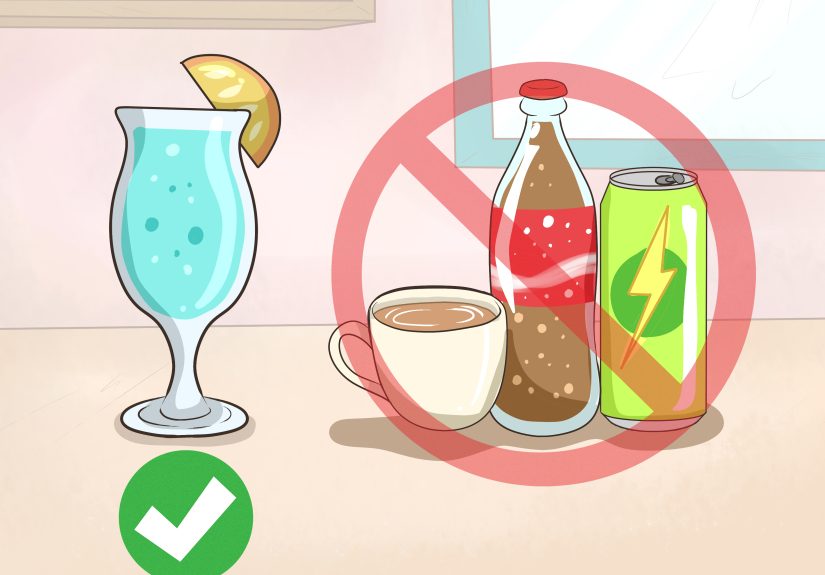
combining stimulants (like high caffeine intake), or if you have certain heart conditions.
Beta-blockers and some other medications can also interact with bronchodilatorsanother reason medication review matters.
How Often Is “Too Often”?
If you’re using a rescue inhaler often, it can be a signalnot a solution. Public health and guideline materials commonly describe frequent quick-relief use
(often defined as more than two days per week) as a marker that asthma may be inadequately controlled and that anti-inflammatory therapy or the overall plan
may need adjustment.
Here’s the practical takeaway: needing rescue medication frequently suggests your body is dealing with ongoing airway irritation and constriction.
A controller strategy (and trigger management) is what reduces those “rescue moments” over time.
Practical Tips for Safer, Smarter Rescue Inhaler Use
1) Keep It Accessible (But Not Chaos-Friendly)
Make your inhaler easy to grab: backpack, sports bag, bedside tablewherever your plan recommends.
But avoid leaving it in extreme heat or cold (like a car), which can affect performance.
2) Track Your Use Without Becoming a Spreadsheet Person (Unless You Want To)
Many inhalers have dose counters. If yours doesn’t, consider noting when you start a canister and roughly how often you use it.
If you’re refilling rescue meds more than expected, that’s worth discussing with a clinician.
3) Don’t “Step Over” Controller Medication
A rescue inhaler is for breakthrough symptoms. If you’re leaning on it daily, ask about a controller adjustment.
Depending on the diagnosis and severity, long-term therapy might include inhaled corticosteroids, combination inhalers,
or other options tailored to your situation.
4) Make an Action Plan a Real Document, Not a Mythical One
Many care approaches encourage having a written plan (often called an asthma action plan) that spells out what to do in green/yellow/red zones,
when to use quick-relief medication, and when to seek urgent help. If you don’t have oneor yours is from the Jurassic periodask for an update.
Specific Examples: What Rescue Inhaler Decisions Can Look Like
Example 1: Exercise Trigger
Jordan gets chest tightness during soccer practice. Their clinician’s plan includes using quick-relief medicine before exercise.
Jordan uses it as directed and finds symptoms are prevented most days. But when Jordan starts needing it during practice and again at night,
that pattern suggests the baseline control may be slippingtime to review triggers, technique, and controller therapy.
Example 2: “It Worked… Until It Didn’t”
Casey’s rescue inhaler used to bring quick relief, but lately it barely helps. A common culprit is technique: inhaling too fast,
not holding the breath, or skipping a spacer. Another possibility is worsening inflammation or infection. Either way, “more puffs” isn’t the best next step
“better evaluation” is.
Example 3: School and Sports Logistics
A student keeps their inhaler in a locker across campus. During symptoms, they’re forced to choose between breathing and not being late to class.
A practical plan involves appropriate access, adult supervision rules if relevant, and a backup strategy. The best inhaler in the world can’t help from 300 yards away.
FAQ: Quick Answers to Common Questions
Is albuterol the same thing as a rescue inhaler?
Albuterol is one of the most common medicines used in rescue inhalers, but “rescue inhaler” is a category. Some rescue options may use other bronchodilators
(or combinations), depending on the condition and the prescribed plan.
Can you “get used to” a rescue inhaler?
People sometimes feel like it’s less effective over time. Often the issue is worsening baseline control, poor technique, or relying on rescue medicine instead of
treating airway inflammation. If it feels like you need it more or it’s not helping, that’s a reason to check in with a clinician.
Do rescue inhalers treat inflammation?
Traditional rescue bronchodilators mainly relax airway muscles; they don’t directly treat airway inflammation. That’s why controller strategies matter.
Some newer combination rescue approaches include an anti-inflammatory component, but they’re prescription-specific and not interchangeable with every rescue inhaler.
Conclusion
Rescue inhalers are a critical safety tool for asthma and other breathing conditionsfast relief when symptoms flare. Used correctly, they can help you get back
to normal breathing in minutes. Used too often, they can also be a bright neon sign that your underlying condition isn’t as controlled as it should be.
The sweet spot is simple (and very achievable): know what your rescue inhaler is, practice correct technique, keep it accessible, and treat frequent use as
useful feedbackthen work with a healthcare professional to adjust your long-term plan.
Experiences Related to Rescue Inhalers (Real-World Patterns People Commonly Describe)
While everyone’s lungs have their own personality, certain rescue-inhaler experiences show up again and again in real life.
One of the most common stories is the “mystery canister” moment: someone swears their rescue inhaler is “full,” then discovers it’s out of puffs
at the exact worst time. That experience tends to convert people into dose-counter fans overnight (or at least into people who keep a backup canister).
Another frequent pattern is the “works instantly, then I feel weird” situation. People often describe relief within minutesfollowed by jittery hands,
a racing heart, or the sensation that their body is ready to file taxes at high speed. Those side effects can be unsettling the first time they happen,
especially for teens and young adults who assume something is terribly wrong. In many cases, learning that mild shakiness can be a known effect
(and making sure the dose and technique are correct) reduces anxiety and improves confidence.
Technique-related experiences are practically a genre. Some people take quick, shallow breaths when they’re panicked, which is completely human,
but not ideal for getting an inhaled medication deep into the lungs. Many describe a turning point after a pharmacist or clinician watches them use the inhaler
and offers small corrections: a slower inhale, a better mouth seal, a longer breath-hold, or using a spacer. Suddenly the same medication “starts working again,”
not because the formula changed, but because the delivery improved. Parents of younger kids often report the spacer is a game changerless struggle,
less “sprayed on the tongue,” and more predictable relief.
Then there’s the experience of realizing the rescue inhaler has quietly become a daily habit. People sometimes say,
“I’m fineI just take a couple puffs every morning,” not realizing that frequent reliance can signal poor control.
That realization can be frustrating (“But it helps!”) and also empowering (“Ohthere’s a way to have fewer flare-ups.”).
Many describe improvement after addressing triggers (like smoke exposure, pet dander, or unmanaged allergies), updating a controller medication plan,
or changing routines (warming up before exercise, using prescribed pre-exercise dosing, or avoiding known irritants).
Athletes often talk about the relief of having a clear plan: what to do before workouts, what to do if symptoms start mid-activity,
and what counts as a stop-and-get-help moment.
Finally, lots of people share the “life logistics” side of rescue inhalers: keeping one at school, one in a bag, one at home,
and remembering that extreme temperatures can be a problem. Some describe awkward momentsneeding a puff during a meeting or class and worrying it looks dramatic.
Over time, many arrive at the same conclusion: breathing normally is a better look than pretending you’re fine.
A rescue inhaler isn’t a badge of weakness; it’s a practical tool. The most positive experiences tend to happen when people treat it as part of a bigger system:
correct technique, a written action plan, and ongoing prevention so the inhaler stays what it was meant to bea rescue, not a routine.