Table of Contents >> Show >> Hide
- The pitch works because it has been brewing for a while
- Why Spencer Grammer actually fits Springfield
- Sideshow Bob’s family tree already gives the show room to play
- The “nepo baby” joke is doing a lot of heavy lifting
- Would The Simpsons actually do it?
- Why fans of both shows are so into this idea
- The experience of this idea: why it feels bigger than one joke
- Final thoughts
Every so often, Hollywood produces a pitch so oddly specific, so gloriously self-aware, and so shamelessly entertaining that the only reasonable response is: yes, somebody please greenlight this before common sense gets involved. Spencer Grammer’s dream of joining The Simpsons as Sideshow Bob’s “nepo baby” is exactly that kind of pitch. It is chaotic. It is clever. It is just self-mocking enough to feel modern. And most importantly, it actually makes a shocking amount of sense.
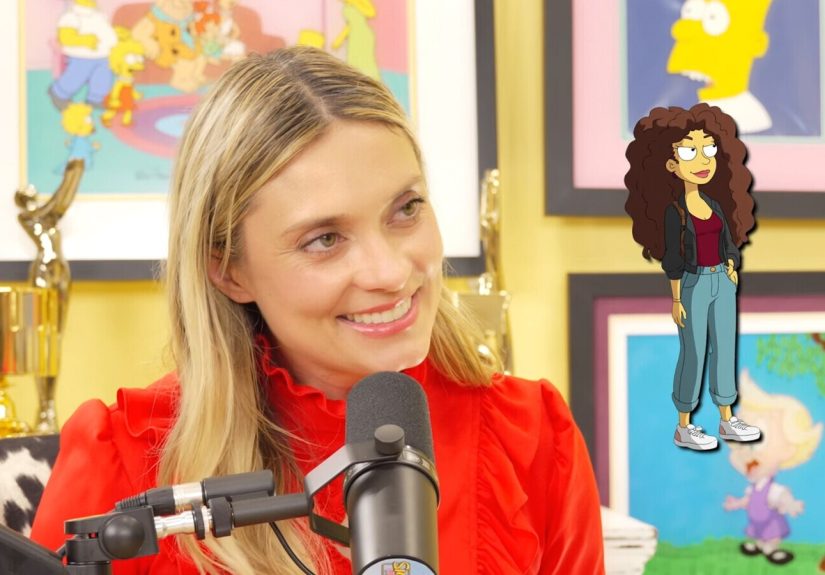
For anyone who needs a quick catch-up, Spencer Grammer is best known to animation fans as Summer Smith on Rick and Morty, one of the sharpest, funniest, and most underrated straight-up-weird performances in contemporary adult animation. She also happens to be the daughter of Kelsey Grammer, the longtime voice behind The Simpsons legend Sideshow Bob. So when she floated the idea of playing Bob’s daughter a teen who inherits her father’s theatrical flair, family baggage, and violent obsession with Bart Simpson it landed like a pitch made in a comedy lab. One part family dynasty joke, one part fan casting fantasy, one part “how has this not happened already?”
And that is what makes this story more than a catchy entertainment headline. It is a perfect little collision of legacy, voice acting, fandom, and the modern pop-culture habit of turning the phrase “nepo baby” into both critique and punchline. In Springfield, where grudges last forever and absurdity is practically zoning law, Spencer Grammer as Sideshow Bob’s daughter would not feel like a stunt. It would feel like destiny wearing expensive opera gloves.
The pitch works because it has been brewing for a while
This is not some random idea Grammer blurted out once and then abandoned in the parking lot. She has been playing with versions of this character publicly for a while, which is part of why the concept has gained traction. The basic setup is deliciously deranged: Sideshow Bob has a daughter who is old enough to have developed her own opinions, old enough to resent her father’s obsessive quest to murder a ten-year-old boy, and old enough to decide that the logical response is to continue the family tradition anyway. Therapy is not in the room. Springfield is.
What makes the idea sing is the emotional logic buried underneath the joke. Bob’s daughter would not just be “female Sideshow Bob,” which would get old fast. Grammer’s concept hints at something sharper: a neglected kid furious that her father spent years devoting his energy to Bart instead of his own family. That turns the character into more than a visual gag with a famous last name. It gives her motive, vanity, insecurity, and a lot of room for comedy. In other words, it gives The Simpsons something it has always loved: a ridiculous setup with a surprisingly solid psychological engine.
There is also a sneaky bit of meta brilliance here. The “nepo baby” label is the joke, but the pitch is funny precisely because Grammer is in on it. She is not pretending the family connection does not exist. She is basically putting it in giant blinking letters and saying, “Yes, obviously, and wouldn’t that be hilarious?” That kind of self-awareness tends to play well in modern comedy because audiences can smell denial from a mile away. Owning the bit is smarter than dodging it.
Why Spencer Grammer actually fits Springfield
Let’s get one thing straight: this idea is not appealing only because of her last name. Spencer Grammer is not a novelty pick from the “hey, wouldn’t it be cute?” school of casting. She is an experienced voice actor with years of animation work behind her, and that matters. Voice casting in a show like The Simpsons is not just about sounding funny. It is about rhythm, tonal control, comic timing, and the ability to make heightened dialogue feel effortless.
As Summer on Rick and Morty, Grammer has spent years doing exactly that. Summer can be sarcastic, wounded, fearless, irritated, absurdly competent, or gloriously petty, often within the same scene. Grammer knows how to ride a joke without flattening it. She knows how to sound cool and exasperated at once. She knows how to turn a simple line into a character beat. Those are the exact kinds of muscles a Simpsons guest role would need.
Even better, she would not be entering the world of Sideshow Bob as an outsider. She grew up adjacent to one of the show’s most famous recurring guest performances. Kelsey Grammer’s take on Bob has always worked because it is never just “villain voice.” It is cultured vanity, Shakespearean arrogance, old-money ego, and homicidal pettiness all stuffed into one beautifully articulate package. Spencer Grammer playing a daughter who inherits some of that DNA but filters it through a sharper, younger, more contemporary sensibility gives the writers a terrific comic contrast to play with.
Think of the possibilities. Bob’s daughter could have his vocabulary but none of his patience. She could roll her eyes at his opera references while still secretly loving them. She could roast his obsession with Bart while becoming just deranged enough to continue it herself. She could be embarrassed by the family brand while clearly benefiting from it. That is not one joke. That is an entire character engine.
Sideshow Bob’s family tree already gives the show room to play
The smartest part of this whole concept may be that The Simpsons would not have to invent family lore from scratch. Sideshow Bob’s world has always been richer than people remember. He is not just a recurring villain who steps on rakes and vows revenge. Over the years, the show has built him into one of Springfield’s most layered side characters, complete with pretentious tastes, recurring grudges, family ties, and an almost operatic personal mythology.
Bob already has a canon family history. The show has introduced his brother Cecil, expanded the Terwilliger clan, and even revealed that Bob had a wife and son in “The Italian Bob.” So the idea of exploring another branch of the family tree is not some continuity-breaking fan fiction. It would be an extension of material the show has already played with. If anything, a daughter created for Spencer Grammer would fit neatly into a series that has long enjoyed turning Bob into a mini-franchise within the franchise.
That matters because fan-service casting works best when it feels supported by the world, not stapled onto it. A Sideshow Bob daughter does not feel stapled on. It feels like a character the writers could credibly reveal and then exploit for all kinds of comic fallout. Maybe Bob hid her existence out of vanity. Maybe he was an awful father because he was too busy trying to outwit a fourth grader. Maybe she shows up resenting him, mocking him, then accidentally becoming him. In Springfield, that qualifies as a family reunion.
The “nepo baby” joke is doing a lot of heavy lifting
Part of why this story spread so quickly is that the phrase “nepo baby” is doing triple duty. First, it is a wink at the obvious real-world connection between Spencer and Kelsey Grammer. Second, it is a joke about how entertainment culture now treats family ties as both scandal and branding opportunity. Third, it works perfectly inside The Simpsons, where exaggerated family inheritance is already a central comic theme.
Springfield is built on inherited habits, inherited grudges, inherited weirdness, and inherited nonsense. Bart inherits chaos. Lisa inherits anxiety and ambition. Homer inherits the impulse to do the wrong thing with confidence. So the idea that Sideshow Bob could have a daughter who inherits his theatrical bloodlust is not just funny because it mirrors real life. It is funny because it mirrors the logic of the show itself.
And unlike the worst celebrity stunt casting, this would not be asking the audience to pretend not to notice the gimmick. The gimmick is the comedy. That honesty gives it legs. The show could have endless fun with the daughter resenting accusations that she only got the job because of who her father is while very clearly using the family connection to march directly into Bart Simpson’s life. It is the kind of layered joke The Simpsons has been making for decades: broad enough for a laugh, smart enough to hold up after the laugh lands.
Would The Simpsons actually do it?
That is the million-dollar question, although in true Grammer fashion, the sales pitch practically comes with a coupon. The series has never been shy about guest stars, but it tends to work best when a guest fits an existing comic ecosystem. This pitch absolutely does. It helps that Sideshow Bob remains one of the show’s most durable prestige villains, still popping up in notable stories and specials. He is not some forgotten one-season experiment gathering dust in an animation warehouse.
The character still carries cultural weight because he embodies a very specific kind of Simpsons magic: highbrow language attached to lowbrow obsession. He quotes opera and literature, then immediately gets flattened by slapstick. He is elegant, ridiculous, dangerous, and hopelessly doomed. A daughter could modernize that formula without replacing it. She could be more emotionally literate, more media-savvy, more self-aware, and somehow even messier.
The biggest challenge would be making sure the episode does more than applaud itself for clever casting. But that is a writing problem, not a concept problem. And honestly, the concept already offers enough juice for a memorable episode. Imagine Bart initially crushing on this older, mysterious, red-haired girl before realizing she is basically revenge in a leather jacket. Imagine Bob trying to parent for the first time while also plotting murder. Imagine Lisa, the one person in the room capable of appreciating Bob’s intelligence, instantly recognizing the intergenerational disaster unfolding in front of her. That is an episode outline with a pulse.
Why fans of both shows are so into this idea
There is also a broader reason the headline keeps resonating. The Simpsons and Rick and Morty belong to different generations of adult animation, but they overlap in fascinating ways. One is the foundational giant, the other is the multiverse menace that arrived decades later with extra cynicism and more portal fluid. Spencer Grammer sits right at that intersection. She is part of a famous TV family, yes, but she is also a key performer from a newer animation institution.
That makes the idea feel like a playful passing of the torch without anybody actually letting go of the torch. It is not about replacing Kelsey Grammer’s Bob. It is about letting the next generation of animated troublemakers crash the party. The appeal is almost musical: audiences want to hear the family resemblance, the tonal differences, the echoes, the friction. Animation fans love that kind of texture because voice performance is all about how tiny choices create huge character identities.
And on a pure fan level, the pitch is irresistible because it sounds fun. Not “important.” Not “a bold reinvention.” Fun. Sometimes that is enough. In a media culture addicted to dark reboots and tortured lore, there is something refreshing about a character concept that basically says: what if family trauma, nepotism discourse, teen angst, and attempted cartoon murder all wore the same fabulous wig?
The experience of this idea: why it feels bigger than one joke
What makes Spencer Grammer’s Simpsons dream linger is that it taps into an experience a lot of animation fans know well, even if they have never put it into words. You grow up hearing certain voices before you fully understand why they stick with you. Then, years later, you realize those voices are part of your mental furniture. They are comfort, comedy, memory, and weird little markers of time. Sideshow Bob belongs to one era of that experience. Summer Smith belongs to another. Put them in the same sentence, and suddenly two generations of animated TV start talking to each other.
That is part of the thrill here. It is not just “actor’s daughter wants cartoon job.” It is the feeling of pop culture folding in on itself in a way that is actually pleasurable instead of exhausting. Most legacy conversations in Hollywood come with baggage: remakes nobody asked for, reboots with identity issues, nostalgia served in industrial quantities. This one feels lighter. It feels like a joke born from genuine affection for the medium and a real understanding of how animation fans think.
There is also something uniquely satisfying about voice acting fantasies because they invite the audience to imagine the performance before it exists. You can almost hear the character already. You can picture the line readings, the long vowels, the annoyed sighs, the dramatic overstatement. You can hear a little Kelsey Grammer influence, but you can also hear Spencer Grammer’s sharper, younger, more contemporary bite. The character starts forming in your head before the animators have even sharpened a pencil. That kind of immediate mental casting is a sign that the idea has life.
For longtime The Simpsons viewers, the appeal is even deeper. Sideshow Bob is one of those characters who represents the show at its most specific and confident. He is literary and ridiculous at once. He can anchor a spoof, a thriller, a musical bit, or a full-blown farce. Bringing in a daughter would not just give Bob a new scene partner; it would give the show a fresh way to revisit one of its richest recurring dynamics without pretending the old formula is still enough on its own.
For Rick and Morty fans, meanwhile, Spencer Grammer carries a very different energy. Summer is skeptical, quick, battle-tested, and often the smartest person in the room about how absurd the room is. That sensibility would be hilarious in Springfield. A Bob daughter played with even a trace of Summer’s edge would immediately feel different from other one-off teen characters. She would not just arrive as a plot device. She would arrive with attitude, with timing, with enough self-awareness to roast the entire premise while still participating in it.
And then there is the family angle, which is where the whole thing becomes sticky in the best way. Audiences are endlessly fascinated by creative inheritance when it produces something playful rather than solemn. We do not just like talent; we like seeing how talent mutates across generations. Does the child echo the parent? Rebel against them? Accidentally become them? Spencer Grammer as Sideshow Bob’s daughter would let all of those questions run wild inside a comedy machine built to expose vanity, contradiction, and inherited nonsense.
That is why this pitch feels like more than a viral entertainment nibble. It captures the experience of modern fandom itself: nostalgic but not trapped, ironic but not empty, eager for smart casting, and fully capable of loving a joke while also recognizing its craft. In a crowded media landscape, that is rare. It is one thing to make people laugh for ten seconds. It is another thing to make them instantly imagine an episode they now wish were real.
Final thoughts
Spencer Grammer wanting to join The Simpsons as Sideshow Bob’s “nepo baby” is the kind of idea that sounds absurd until you think about it for five minutes, at which point it starts sounding inevitable. The family connection gives it instant headlines. The voice-acting credentials give it legitimacy. The Sideshow Bob mythology gives it structure. And the “nepo baby” framing gives it a sharp, modern comic hook.
Most importantly, it feels like a role Spencer Grammer could actually make her own. Not because she shares DNA with the man who voices Bob, but because she has the chops to turn that inheritance into a performance instead of a novelty. If The Simpsons ever does pull the trigger on this idea, it will not just be a wink at celebrity lineage. It will be a chance to build a genuinely funny new character out of one of animation’s most deliciously overqualified bloodlines.
And really, isn’t that exactly what Springfield is for?