Table of Contents >> Show >> Hide
- What Makes This Stew “Romanian”?
- Ingredients
- Why These Ingredients Work
- Romanian Pork And Potato Stew Recipe (Step-by-Step)
- Tips for the Best Texture (No Mushy Potato Sadness)
- Easy Variations (Because Kitchens Are Real Life)
- What to Serve with Romanian Pork and Potato Stew
- Storage, Reheating, and Make-Ahead Magic
- FAQ
- Cooking Experiences That Make This Stew Even Better (Extra Comfort Edition)
- Conclusion
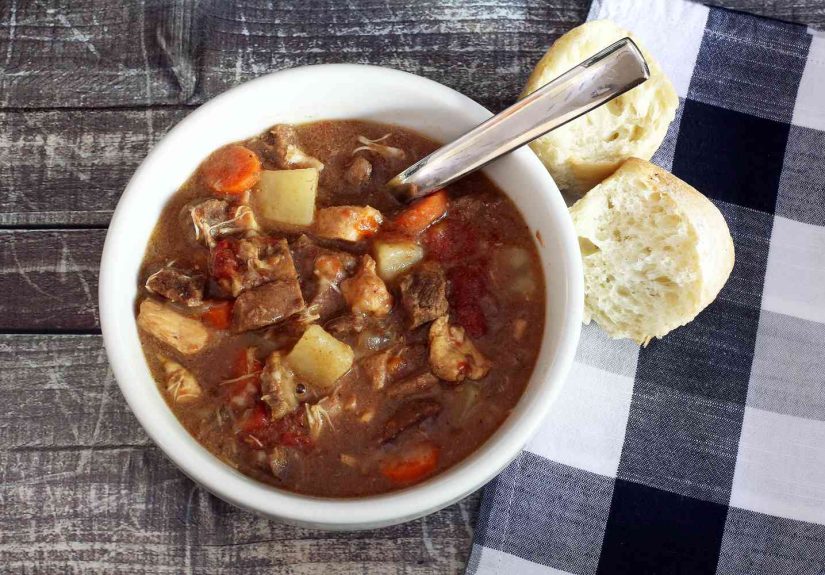
If you’re craving a dinner that tastes like a warm blanket and a hug from someone’s extremely opinionated grandma, Romanian pork and potato stew is ready to clock in. In Romania, this style of stew is often called tocăniță (roughly “stew” in the way “y’all” is “you all”: simple, useful, and said with confidence). It’s pork simmered until tender, potatoes that soak up a paprika-tomato gravy, and onions doing the behind-the-scenes work of making everything taste like you tried harder than you actually did.
This is the kind of one-pot meal that gets better overnight, feeds a crowd, and makes your kitchen smell like you’re winning at life. It’s hearty without being heavy, rustic without being bland, and flexible enough to handle whatever you’ve got in the fridge (within reasonplease don’t add gummy bears).
What Makes This Stew “Romanian”?
Romanian home cooking leans into practical comfort: affordable cuts, slow simmering, and simple seasoning that builds depth over time. With pork, onions, and potatoes as the backbone, the flavor usually comes from a gentle sweet paprika warmth, a tomato base (passata, crushed tomatoes, or paste), bay leaves, thyme, garlic, and fresh herbs like parsley or dill. The goal isn’t to punch you in the face with spiceit’s to convince you to go back for “just a little more” until your bowl is mysteriously empty.
You’ll also see this stew served with crusty bread, pickles, or a cornmeal side like mămăligă (Romanian polenta). Think: stew + something starchy to mop up the sauce, because leaving gravy behind is a tragedy.
Ingredients
This recipe is written for American kitchens while staying true to the classic Romanian comfort-food vibe.
For the stew
- Pork shoulder (about 2 pounds), cut into 1-inch cubes (pork butt also works)
- Salt and black pepper
- 2–3 tablespoons neutral oil (sunflower/canola/vegetable)
- 2 large yellow onions, chopped
- 3–5 cloves garlic, sliced or minced
- 2 tablespoons sweet paprika (plus a pinch of hot paprika if you like a gentle kick)
- 2 tablespoons tomato paste
- 1 can (14–15 oz) crushed tomatoes or 2 cups tomato passata
- 3–4 cups low-sodium broth or water (chicken broth is great; pork broth is a flex)
- 2 bay leaves
- 1 teaspoon dried thyme
- 1.5–2 pounds potatoes (Yukon Gold or red potatoes), peeled if you want, cut into 1-inch chunks
- 1 tablespoon vinegar or lemon juice (optional, for brightness at the end)
- 2–3 tablespoons chopped fresh parsley (dill is also traditional in many homes)
Optional add-ins (still very “Romanian-friendly”)
- 1 bell pepper, diced (adds sweetness and color)
- 1 carrot, diced (subtle sweetness, helps thicken naturally)
- Pinch of sugar if your tomatoes taste sharp
- Pinch of smoked paprika for a smoky note (not mandatory, but cozy)
Why These Ingredients Work
Pork shoulder is ideal because it has enough fat and connective tissue to turn tender and silky after a gentle simmer. Lean pork can work, but it’s easier to overcook into “sad cube” territory. Onions are your flavor foundation; they melt into the sauce and make the gravy taste deep without needing a million spices. Paprika gives warmth and color, while tomato paste adds concentrated richness. Potatoes do what potatoes do best: soak up flavor like little delicious sponges and make the stew feel like a complete meal.
Romanian Pork And Potato Stew Recipe (Step-by-Step)
Time & Yield
- Prep time: 20 minutes
- Cook time: 75–95 minutes
- Total time: about 1 hour 40 minutes
- Serves: 6
Step 1: Season and brown the pork
Pat the pork dry (this is how you get browning instead of steaming). Season generously with salt and pepper. Heat 2 tablespoons oil in a heavy pot or Dutch oven over medium-high heat. Brown the pork in batches so the pieces actually sear. You’re not trying to cook it throughjust build flavor. Move browned pork to a plate.
Step 2: Soften the onions
Lower the heat to medium. Add a touch more oil if the pot looks dry. Add onions (and optional carrot/pepper if using) and cook 8–10 minutes, stirring often, until soft and lightly golden. This step is where the stew’s “how is this so good?” flavor gets built.
Step 3: Bloom the paprika and tomato paste
Add garlic and cook 30 seconds. Add paprika and stir for 15–20 seconds (paprika can turn bitter if scorched, so keep it moving). Stir in tomato paste and cook 1 minute to caramelize slightly. This makes the sauce taste richer and less raw.
Step 4: Build the sauce and simmer the pork
Pour in crushed tomatoes/passata and stir, scraping up any browned bits from the bottom of the pot. Add bay leaves and thyme. Return pork (and any juices) to the pot. Add broth/water until the pork is mostly covered (you want a stew, not a soupstart with 3 cups and add more only if needed).
Bring to a gentle simmer, then reduce heat to low. Cover partially and cook 45–60 minutes, stirring occasionally, until the pork is getting tender. Keep the simmer calmsmall bubbles, not a rolling boil. Boiling fast can toughen meat before it has time to relax.
Step 5: Add potatoes and finish cooking
Add potatoes and stir. Simmer 20–30 minutes more, until potatoes are fork-tender and the pork is fully tender. If the stew gets too thick, add a splash of hot broth or water. If it’s too thin, simmer uncovered for 10 minutes to reduce.
Step 6: Taste, brighten, and serve
Remove bay leaves. Taste and adjust salt and pepper. If the tomatoes taste a little sharp, add a pinch of sugar. If the stew tastes “heavy,” add a teaspoon or two of vinegar or lemon juice to brighten it up. Stir in fresh parsley (and/or dill). Let it rest 10 minutes before servingeverything settles and tastes more cohesive.
Tips for the Best Texture (No Mushy Potato Sadness)
- Cut potatoes evenly so they cook at the same rate.
- Add potatoes later so they don’t disintegrate during the long pork simmer.
- Keep it at a gentle simmer, not a boil. You want tender pork, not rubbery disappointment.
- Don’t crowd the pan when browning porksteam is the enemy of flavor.
- Let it rest before serving and again overnight if you can. This stew loves a nap.
Easy Variations (Because Kitchens Are Real Life)
More vegetables, Transylvanian-ish energy
Add diced bell pepper and carrot with the onions. This makes the stew slightly sweeter and more colorful.
Spicier version
Add a pinch of hot paprika or crushed red pepper. Keep it subtlethe goal is warmth, not “call the fire department.”
Thicker, gravy-style stew
Mash a few potato chunks against the side of the pot and stir them in. This thickens the sauce naturally without flour.
Slow cooker adaptation
Brown the pork and soften the onions on the stove first (worth it). Then add everything except potatoes to the slow cooker and cook on LOW for about 6–7 hours. Add potatoes in the last 1.5–2 hours so they don’t turn to mashed potatoes without consent.
What to Serve with Romanian Pork and Potato Stew
- Crusty bread: the fastest path to “restaurant-level satisfaction”
- Mămăligă (Romanian polenta): creamy, comforting, and built for sauce
- Pickles or pickled peppers: bright, crunchy contrast to rich stew
- Simple salad: cucumbers, tomatoes, onion, a splash of vinegar, and you’re golden
Storage, Reheating, and Make-Ahead Magic
This stew is famously better the next day because the potatoes and pork absorb more flavor as it sits. Cool it quickly, refrigerate, and reheat gently on the stove with a splash of broth or water to loosen. Stir carefully so potatoes hold their shape.
Freezing: You can freeze it, but potatoes can get a little grainy after thawing. If you’re planning to freeze, consider cooking the pork base and freezing it before adding potatoes, then add fresh potatoes when reheating for best texture.
FAQ
Can I use pork loin?
You can, but it’s lean and can dry out. If you do, simmer it for less time and add it later, or cut it a bit larger so it stays juicy.
What if my stew tastes flat?
It usually needs one of three things: more salt, a little acidity (vinegar/lemon), or a bit more tomato paste/paprika. Adjust in small steps, taste, repeat.
Do I have to peel the potatoes?
Nope. Yukon Gold and red potatoes have thin skins that behave nicely in stew. Just scrub well.
Cooking Experiences That Make This Stew Even Better (Extra Comfort Edition)
There’s a special kind of joy that happens when a stew goes from “random ingredients” to “why does my house smell like a holiday?” Romanian pork and potato stew delivers that moment in a very reliable way. First comes the sizzle of pork hitting a hot pot, then the onion perfume that makes everyone wander into the kitchen pretending they “weren’t hungry,” and finally that paprika-tomato color that looks like you’ve been studying old family recipes in a candlelit cottage (even if you’re wearing sweatpants and scrolling on your phone).
What’s fun about this dish is how it rewards patience without demanding perfection. Maybe your onions brown a little more than plannedcongrats, you just unlocked extra depth. Maybe your potatoes are cut slightly unevenno problem, you’ll get a mix of soft, creamy edges and firmer chunks that keep the stew interesting. Even the sauce has a friendly personality: it thickens as it simmers, it clings to pork like it’s trying to keep it warm, and it somehow tastes richer the longer you let it hang out. It’s basically the extrovert of comfort foodsalways improving with time and company.
This stew also has a “table story” quality. It’s the kind of meal that invites people to sit down and stay a while, because nobody rushes through a bowl of tender pork and potatoes in a cozy gravy. The first few bites are about hunger; the rest are about mood. It pairs naturally with simple sides that feel homemade: bread that tears instead of slices perfectly, pickles that snap with vinegar brightness, or a soft cornmeal side that turns the stew into a full-on comfort feast. You don’t need fancy plating. A deep bowl, a spoon, and the willingness to go back for seconds is the whole aesthetic.
And then there’s the next-day effect, which might be the real reason this dish has fans. Reheating a pot of Romanian pork and potato stew is like opening a flavor time capsule. The paprika mellows and blends into the tomatoes, the onions disappear into the sauce (in the best way), and the pork tastes like it had extra time to think about its life choices and choose tenderness. If you’ve ever had a stew that tasted “fine” on day one and “wow” on day two, that’s this dish showing off. It’s also a very practical kind of delicious: you can make it once and feel like future-you deserves a trophy.
One more experience worth mentioning: this stew is a confidence builder. If you’re newer to cooking, it teaches you skills that apply everywherebrowning meat for flavor, blooming spices so they taste warm instead of dusty, and simmering gently so tough cuts turn tender. If you’re already comfortable in the kitchen, it gives you room to personalize without losing the plot. Add peppers for sweetness. Finish with dill for a more Romanian-home vibe. Mash a few potatoes to thicken the sauce like you meant to do it all along. This isn’t a recipe that punishes creativity; it’s one that quietly rewards it.
So whether you’re cooking for family, meal-prepping for the week, or just trying to make winter feel less dramatic, Romanian pork and potato stew is a solid move. It’s warm, filling, forgiving, andmost importantlyit makes leftovers you’ll actually look forward to. That alone deserves a standing ovation from your refrigerator.
Conclusion
Romanian pork and potato stew is proof that comfort food doesn’t need a million ingredientsjust smart steps, gentle simmering, and a sauce you’ll want to chase with bread. Make it on a cozy night, let it rest, and don’t be surprised when it becomes one of your “we should make that again” staples.