Table of Contents >> Show >> Hide
- Why a Rustic Wood Ceiling Works So Well
- Before You Start: Choose the Right Kind of “Pallet Wood”
- Room Prep Matters More Than Most DIYers Expect
- Tools and Materials You Will Likely Need
- Step-by-Step Rustic Pallet Wood Ceiling Tutorial
- Step 1: Measure the ceiling and plan the layout
- Step 2: Acclimate and sort the boards
- Step 3: Locate joists or install furring strips
- Step 4: Start with a straight reference row
- Step 5: Fasten the boards securely
- Step 6: Cut carefully around lights, vents, and obstacles
- Step 7: Finish the perimeter with trim
- Step 8: Decide on the finish
- Design Tips for a Better-Looking Rustic Ceiling
- Common Mistakes to Avoid
- Budget and Time Expectations
- Real-World Experiences and Lessons From Rustic Wood Ceiling Projects
- Final Thoughts
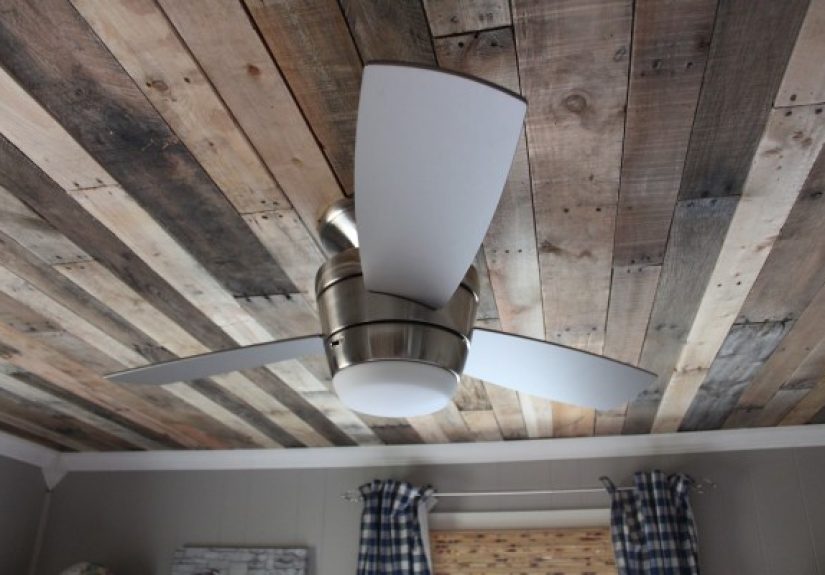
A rustic pallet wood ceiling can make a plain room feel warmer, richer, and a whole lot less like it was designed by a photocopier. It adds texture overhead, softens harsh drywall lines, and brings that lived-in, cabin-meets-modern-farmhouse character people love. The catch? A great rustic ceiling is not just a matter of dragging home a few random pallets, squinting confidently, and declaring yourself a lumber whisperer.
The best results come from smart planning, careful wood selection, and realistic expectations. In many cases, the most successful “pallet wood” ceiling is actually a pallet-style ceiling made from clean, dry, indoor-appropriate reclaimed boards or pre-milled barnwood planks. That still gives you the rugged charm, but with fewer mysteries, fewer splinters, and far fewer opportunities to ask, “Why does my ceiling smell like a shipping dock?”
This tutorial walks through how to plan, prep, and install a rustic wood ceiling that looks intentional rather than accidental. You will also learn when to avoid true pallet boards, how to keep the layout balanced, what finishing choices work best, and which common mistakes can turn a cozy design feature into an overhead regret.
Why a Rustic Wood Ceiling Works So Well
Wood overhead changes the mood of a room faster than almost any other finish. It adds visual depth, introduces natural variation in grain and tone, and draws the eye upward without feeling flashy. In a living room, it can make a tall ceiling feel more inviting. In a bedroom, it can create a cocoon-like atmosphere. In a kitchen or dining area, it adds warmth that painted drywall just cannot fake.
Rustic wood ceilings also play well with many design styles. They can lean farmhouse, cottage, mountain cabin, transitional, industrial, or even modern if you keep the planks clean-lined and the palette restrained. That versatility is part of the appeal: the wood brings character, while the rest of the room decides how dressed up or dressed down that character becomes.
Before You Start: Choose the Right Kind of “Pallet Wood”
Real pallet boards vs. pallet-look boards
Let’s be honest: not every pallet deserves a second life in your home. Some are rough, stained, split, or loaded with embedded fasteners. Others may have unknown exposure histories that make them a poor fit for indoor projects. For that reason, many homeowners choose one of two routes: clean, carefully selected reclaimed boards that are known to be safe for interior use, or new planks made to mimic reclaimed pallet wood.
If you do use actual pallet boards, inspect every piece. Reject anything with oil stains, strong odors, mold, insect damage, crumbling fibers, or suspicious discoloration. Also reject boards with excessive warping unless you enjoy wrestling lumber above your head, which is a niche hobby at best.
Look for dry, stable wood
Wood installed on a ceiling needs to be dry and stable. Boards that still hold too much moisture can shrink, twist, or gap after installation. Kiln-dried reclaimed wood or pre-milled barnwood products are usually the easier path for interiors because they are more predictable. That matters overhead, where even a small alignment issue becomes highly visible once light hits the seams.
Do not ignore pallet markings
If your material truly comes from pallets or wood packaging, learn the markings first. Heat-treated wood is generally the safer starting point for repurposing than mystery wood or pieces with fumigation-related markings. If a board’s treatment history is unknown, the better move is simple: do not bring the gamble indoors.
Be realistic about prep time
Rustic does not mean “skip prep and hope for charm.” It means the beauty comes from variation, saw marks, weathering, and color shifts. It does not mean loose nails, active bugs, or boards that cup like taco shells. Plan time for cleaning, de-nailing, trimming, sorting, and acclimating the wood in the room before installation.
Room Prep Matters More Than Most DIYers Expect
Start by checking the ceiling surface. If you are installing over drywall, make sure it is sound and flat enough for your chosen system. Some plank products can fasten directly to joists or over an existing ceiling, while others work best with furring strips. If the ceiling has major waves, water damage, loose texture, or old failing material, fix that first. Wood planks are stylish, but they are not miracle workers.
Next, think about age and condition. If the home was built before 1978 and the project may disturb painted surfaces, do not breeze past the lead issue. That is a real safety concern, not a fun surprise subplot. Get proper guidance and use a qualified lead-safe professional when appropriate.
Also check the room environment. A rustic wood ceiling performs best in climate-controlled interior spaces. Very damp rooms, unconditioned spaces, or ceilings with ongoing leak issues are bad candidates until moisture problems are solved. Wood likes consistency. Constant humidity swings make it complain later.
Tools and Materials You Will Likely Need
Your exact setup will depend on the wood and fastening system, but most projects call for a stud finder, tape measure, chalk line, level, ladder or scaffold, saw suitable for trim cuts, fasteners or clips recommended for the product, trim pieces, wood filler if needed, and a clear finish or sealer if you want added protection. You may also need furring strips if the ceiling needs a more reliable fastening surface or if your plank system requires one.
Safety gear matters here too. Wood dust is not just annoying; it is a real respiratory hazard. Use proper eye protection, hearing protection when cutting, and dust control that matches the work. This is especially important when handling reclaimed material that may release a lot of debris during prep.
Step-by-Step Rustic Pallet Wood Ceiling Tutorial
Step 1: Measure the ceiling and plan the layout
Measure the room in both directions and decide how the planks will run. Running boards parallel to the longest wall often makes the room feel larger, while running them in the same direction as existing beams can emphasize length and rhythm. A symmetrical layout usually looks best, so dry-plan the first and last rows before fastening anything.
This is the moment to avoid the dreaded “tiny last strip” problem. If your final row would end up as a skinny sliver, adjust the layout so the border pieces on both sides feel intentional. Snap reference lines with a chalk line. A rustic look still needs straight lines. Crooked rustic is just crooked.
Step 2: Acclimate and sort the boards
Bring the wood into the room and let it acclimate before installation. This gives the material time to adjust to the room’s temperature and humidity. Sort boards by length, thickness, color, and character. Mix tones from different bundles or stacks rather than installing one shade at a time. That creates the layered, collected look people want from reclaimed wood.
Set aside the prettiest boards for the most visible areas. Use the more eccentric pieces in less noticeable spots or for shorter cuts around edges and obstacles.
Step 3: Locate joists or install furring strips
Use a stud finder or other reliable method to locate ceiling joists. Mark them clearly. If your product can install directly to joists or over a stable existing ceiling, great. If not, install furring strips perpendicular to the joists to create an even fastening surface. This extra step often makes the whole project cleaner and straighter, especially with imperfect reclaimed boards.
Furring strips also help when the existing ceiling is out of plane, when fastening points are inconsistent, or when you need a more forgiving installation grid.
Step 4: Start with a straight reference row
Whether you begin from the center for balanced symmetry or from the most visible wall for a clean first impression, the first row sets the tone. If that row drifts, the entire ceiling will advertise it. Check alignment carefully. Use spacers where needed to preserve perimeter expansion gaps that will later be covered with trim.
For random-width or heavily distressed boards, lay out a small section on the floor first. It is much easier to shuffle boards at ankle level than while standing on a ladder, negotiating with gravity and your own life choices.
Step 5: Fasten the boards securely
Install each board according to the fastening method that suits your material: finish nails, screws, clips, or a manufacturer-approved combination of fasteners and adhesive. Keep the boards tight, the seams staggered, and the pattern varied. If you are using tongue-and-groove or interlocking planks, make sure each course seats fully before moving on.
Check every few rows with a straightedge or reference line. Small errors grow fast on ceilings. Also, remember that reclaimed wood may vary slightly in width. Embrace the texture, but manage the layout.
Step 6: Cut carefully around lights, vents, and obstacles
Transfer measurements accurately and dry-fit before fastening. Ceiling penetrations are where a nice project can suddenly look homemade in the wrong way. Remove light fixtures only when it is safe to do so, and bring in a licensed electrician if the wiring situation is questionable. Rustic charm is not improved by sparks.
Step 7: Finish the perimeter with trim
Once the field of planks is installed, cover the expansion gap with trim, molding, or a simple square-edge border. This step frames the ceiling and makes the whole project look complete. In truly rustic rooms, plain trim often works better than ornate molding. Let the wood be the star and let the trim act like a good supporting actor: present, polished, and not stealing scenes.
Step 8: Decide on the finish
You can leave the wood raw for the driest, most natural look, but many homeowners prefer a matte clear coat to reduce dusting and make cleaning easier. A low-sheen sealer can preserve the weathered look without making the ceiling feel shiny or plastic. In kitchens, entryways, or other active spaces, that extra protection is often worth it.
If you want a lighter rustic look, consider a whitewash or diluted stain. If you want depth and drama, a warm brown or weathered gray tone can unify mismatched boards. Test first. Wood color overhead often reads stronger than it does on a sample board in your hand.
Design Tips for a Better-Looking Rustic Ceiling
Keep the room’s other finishes in mind. If the ceiling has strong variation, calm the walls and flooring a bit so the space does not feel visually noisy. Pair rustic planks with matte black hardware for contrast, soft whites for brightness, or warm greige walls for balance. Exposed beams can work beautifully, but only if the room has enough headroom and the proportions make sense.
Lighting matters more than people expect. Warm bulbs flatter wood tones and show off grain. Cold lighting can make beautiful reclaimed wood look strangely sad, like it has been summoned to an office break room. Recessed lights, small pendants, or discreet sconces usually work better than overly decorative fixtures competing with the ceiling.
Common Mistakes to Avoid
The biggest mistake is choosing wood for looks alone. Safety, dryness, and stability come first. The second big mistake is skipping layout planning. The third is assuming the ceiling is flat because the room has never complained out loud.
Other common problems include failing to acclimate the wood, forgetting expansion gaps, using random fasteners instead of appropriate ones, ignoring hidden metal in reclaimed lumber, and installing rustic wood in high-humidity spaces without solving the moisture issue first. There is also the classic DIY error of underestimating how tiring overhead work can be. Ceiling projects always look easier before your shoulders file an official objection.
Budget and Time Expectations
The price of a rustic pallet wood ceiling varies widely depending on whether you source true salvaged boards, buy reclaimed wood from a dealer, or choose pallet-look planks from a home center. Material can range from budget-friendly to surprisingly premium once milling, drying, and prep are factored in. Professionally installed wood plank ceilings can also add labor costs quickly, especially in rooms with lighting cutouts, height challenges, or uneven surfaces.
For DIYers, the labor savings can be significant, but the prep work is the hidden cost in time. A small bedroom or office may be a weekend project. A larger living room with obstacles, bad existing surfaces, or heavily reclaimed boards can stretch much longer. Plan accordingly, and do not schedule this project the night before hosting twelve relatives for brunch. That is how people end up serving waffles under an unfinished furring strip grid.
Real-World Experiences and Lessons From Rustic Wood Ceiling Projects
One of the most common experiences people report with a rustic wood ceiling is that the project changes emotionally as it goes. At the beginning, it feels romantic. You imagine texture, warmth, compliments, and maybe one tasteful social media post where everyone assumes you effortlessly transformed the room while jazz played in the background. Then the real project starts. You are sorting boards, checking for hidden nails, carrying lumber overhead, and realizing that “rustic” still involves a surprising amount of measuring.
Another frequent lesson is that wood looks different on the ceiling than it does stacked on the floor. Boards that seemed too dark or too weathered in a pile can become the exact pieces that give the finished ceiling personality. Meanwhile, boards that looked perfect up close may disappear once they are overhead. That is why experienced DIYers often stage the pattern in small batches and step back every few rows. The ceiling needs to read well from across the room, not just from six inches away.
Many homeowners also discover that variation is their friend, right up until it is not. A little contrast creates movement and authenticity. Too much contrast can make the ceiling feel chaotic, especially in smaller rooms. The best installations usually blend light, medium, and darker tones with enough repetition to feel cohesive. Think “collected over time,” not “lumber bin exploded.”
There is also the practical experience of overhead fatigue. Installing wall planks can feel satisfying. Installing ceiling planks can feel satisfying and humbling. Arms get tired. Necks get stiff. Trips up and down the ladder multiply. Projects go smoother when people set up a good work rhythm: cut several pieces at once, pre-sort short and long boards, and avoid constant tool hunting. The less chaos underfoot, the better the result overhead.
Lighting brings another big lesson. Once the ceiling is done, people often realize their old bulb color is all wrong. Warm wood loves warm light. Even a beautiful reclaimed ceiling can look flat under harsh, cool lighting. Changing bulbs or slightly repositioning fixtures can make the finished wood grain come alive. That is one of those tiny adjustments that makes a room feel professionally thought through.
A more subtle experience is how much a wood ceiling changes the acoustics and mood of a room. People often expect the visual transformation, but they do not always expect the room to feel calmer, softer, and more grounded. Bedrooms become cozier. Dining rooms feel more intimate. Living spaces gain that elusive “finished” feeling that is hard to get from paint alone. It is one of the reasons wood ceilings stay popular even as design trends shift.
Finally, nearly everyone who has completed a successful rustic ceiling learns the same truth: prep determines everything. The projects that look effortlessly charming in the end are usually the ones where someone took the time to acclimate the boards, plan the layout, check the fasteners, solve the moisture concerns, and treat each cut like it mattered. Because it does. Rustic style may celebrate imperfection, but the project itself still rewards precision. That is the secret sauce. Or, if we are staying on theme, the secret sawdust.
Final Thoughts
A rustic pallet wood ceiling is one of the best ways to add warmth and architectural character without rebuilding the entire room. Done well, it looks timeless, textured, and inviting. Done poorly, it can feel heavy, uneven, and full of regrets. The difference comes down to material quality, moisture awareness, layout planning, and disciplined installation.
If you want the look with less risk, choose clean, indoor-ready reclaimed planks or quality pallet-style boards. If you use true pallet wood, be selective and safety-minded. Either way, treat the ceiling like a finish surface rather than a rough experiment. Measure carefully, respect the wood, and take your time. The result can be a ceiling that turns an ordinary room into the kind of space people walk into, look up, and say, “Okay, wow.” Which is much nicer than, “So… was this once part of a loading dock?”