Table of Contents >> Show >> Hide
- What Makes a Salad Worth Repeating?
- The Dressing Playbook: Vinaigrettes, Creamy, and “Just Enough”
- Green Salads That Don’t Taste Like Homework
- Hearty Dinner Salads That Count as a Meal
- Make-Ahead and Meal-Prep Salad Recipes That Stay Crisp
- Seasonal Salad Recipes: What to Make All Year
- Crunch, Cream, Heat: The Add-On Matrix
- Common Salad Mistakes (and the Quick Fixes)
- Food Safety and Freshness, Without the Paranoia
- Real-Life Salad Experiences: 12 Things I Learned the Crunchy Way (Extra Notes)
- Conclusion
Salads have an unfair reputation. Somewhere along the way, “salad” became shorthand for
“a sad bowl of wet lettuce that tastes like regret.” But real salad recipesthe kind you crave,
the kind you build a whole dinner aroundare a different species entirely.
A great salad is a balance problem you actually want to solve: crisp + creamy, salty + bright,
hearty + fresh, warm + cold, chewy + crunchy. When those elements click, salad stops being a side
dish and starts being a plan.
What Makes a Salad Worth Repeating?
If you want salad recipes that don’t end in “we should order pizza,” build every salad with five
moving parts. This is the salad framework you can use forever (and it’s way more fun than a diet).
- Base: greens, shredded cabbage, kale, grains, or even beans.
- Body: protein or hearty add-ins (chicken, chickpeas, tuna, eggs, tofu, lentils).
- Crunch: nuts, croutons, seeds, crispy chickpeas, cucumber, radish.
- Sweet/acid: citrus, vinegar, pickled onions, apples, dried fruit, tomatoes.
- Finish: cheese, herbs, spice, or a drizzle that makes people ask, “What is that?”
Once you know the parts, salad becomes customizable instead of confusing. You’re no longer
“making a salad.” You’re assembling a bowl with a personality.
The Dressing Playbook: Vinaigrettes, Creamy, and “Just Enough”
Most salad heartbreak is a dressing problem. Either there’s too much (leaf soup) or too little
(dry sadness). The goal is lightly glossyevery bite seasoned, nothing drowning.
1) The House Vinaigrette (the one you’ll memorize)
A reliable vinaigrette is the backbone of easy salad ideas. A classic starting point is
3 parts oil to 1 part acid (vinegar or citrus), seasoned well. From there, you adjust:
more acid for brightness, a spoon of water to soften sharp vinegar, or a little sweetness to round it out.
Fast method (no whisk workout):
- In a jar: add acid + salt + pepper first (so salt dissolves), then mustard or honey if using.
- Add oil, screw on the lid, and shake like you’re mad at the day.
- Taste. If it hits you like a lemon to the eyeball, add a touch more oil. If it tastes oily, add acid or salt.
2) Emulsifiers: the “Stay Together” crew
Mustard, mayo, tahini, yogurt, and egg yolk help oil and acid stay blended longeruseful for
leafy salads that wilt when dressing breaks. A teaspoon of Dijon can turn a basic vinaigrette into a
silky, clingy dressing that coats instead of puddles.
3) Creamy Dressings Without the Heavy Vibes
Creamy doesn’t have to mean “I can feel this in my bones.” Greek yogurt + lemon + garlic + herbs
makes a bright, high-protein dressing. Tahini + lemon + warm water becomes a pourable sesame sauce.
Even a little mayo thinned with buttermilk or vinegar can give you ranch energy without the glue texture.
Green Salads That Don’t Taste Like Homework
The secret to craveable green salads is temperature and texture: cold, dry greens + room-temp dressing
+ crunchy toppings added last. Also: salt your greens. Yes, like you mean it.
Caesar-ish Weeknight Salad (no drama, big payoff)
This is Caesar’s low-maintenance cousin: romaine, Parmesan, croutons, and a creamy-tangy dressing.
If you want the classic vibe, add anchovy (or Worcestershire for that salty depth).
- Base: chopped romaine hearts
- Body: grilled chicken, shrimp, or chickpeas
- Dressing: lemon + garlic + Dijon + egg yolk or mayo + olive oil + Parmesan
- Finish: black pepper, extra Parm, and croutons you didn’t skimp on
Bright Greek Salad (the crunchy, briny classic)
Greek salad recipes are proof that salad doesn’t need lettuce to be satisfying.
Think tomatoes, cucumber, red onion, olives, feta, oregano, and a punchy red-wine vinaigrette.
- Pro move: salt the cucumbers and tomatoes for 10 minutes, then draininstant flavor boost.
- Optional: add chickpeas for a lunch-sized upgrade.
Italian Chopped Salad (a deli board in bowl form)
Chopped salad is popular for a reason: every forkful gets the good stuff. Use crisp iceberg or romaine,
add salami or turkey, provolone, pepperoncini, tomatoes, cucumbers, and a garlicky vinaigrette.
Texture tip: cut ingredients to similar size so the salad eats evenly instead of turning into
“one bite of onion” roulette.
Hearty Dinner Salads That Count as a Meal
If you want salad recipes for dinner, you need heat, heft, or both. Warm proteins, roasted vegetables,
and sturdy greens make salads feel like real food (because they are).
Cobb-Inspired Build (the “everything I like” salad)
Cobb salad works because it’s a controlled chaos of creamy, salty, and crunchy.
Make it your ownjust keep the balance.
- Base: romaine + a handful of arugula
- Body: chicken or turkey, hard-boiled eggs, avocado
- Crunch: bacon or toasted pepitas
- Extras: cherry tomatoes, blue cheese (or feta), red onion
- Dressing: classic vinaigrette or a yogurt-herb dressing
Quinoa + Chickpea Power Salad (meal prep hero)
Grain salads are basically the cheat code for make-ahead lunches: they don’t wilt, they travel well,
and they taste better after the dressing has a little time to mingle.
- Base: cooked quinoa (cooled)
- Body: chickpeas + chopped cucumber + red onion
- Bright: lemon juice + herbs (parsley, dill, mint)
- Finish: feta, toasted nuts, or a spoon of hummus thinned with lemon
Warm Roasted Veg Salad (when it’s cold out but you still want “salad”)
Roast a sheet pan of vegetables (squash, carrots, broccoli, cauliflower). Toss with arugula or kale
while the veggies are still warm so the greens soften slightly. Add goat cheese, nuts, and a sharp vinaigrette.
It’s salad… with a sweater on.
Make-Ahead and Meal-Prep Salad Recipes That Stay Crisp
Meal prep salads fail for predictable reasons: wet greens, watery vegetables, and dressing applied too early.
Here’s how to stop the soggy spiral.
Rule #1: Keep greens dry, like “desert dry”
After washing, dry greens thoroughly (a salad spinner is basically a leaf centrifuge of joy). Store with a paper towel
to absorb extra moisture. Dry greens = crisp salads.
Rule #2: Dress right before eating (or separate smartly)
For jar salads, build from heavy to delicate: dressing at the bottom, then sturdy veg, then grains/protein,
then greens on top. Flip into a bowl when ready.
Rule #3: Choose “sturdy” ingredients for day 2–4
- Great: cabbage, kale, chickpeas, quinoa, lentils, carrots, cucumbers (seeded), bell peppers
- Trickier: tomatoes, strawberries, avocado (add later), watery greens, crispy croutons (add last)
Seasonal Salad Recipes: What to Make All Year
Spring: fresh and herby
Try snap peas + radishes + lettuce + soft herbs with a lemon vinaigrette. Add feta or goat cheese.
Spring salads should taste like you opened a window.
Summer: juicy and chilled
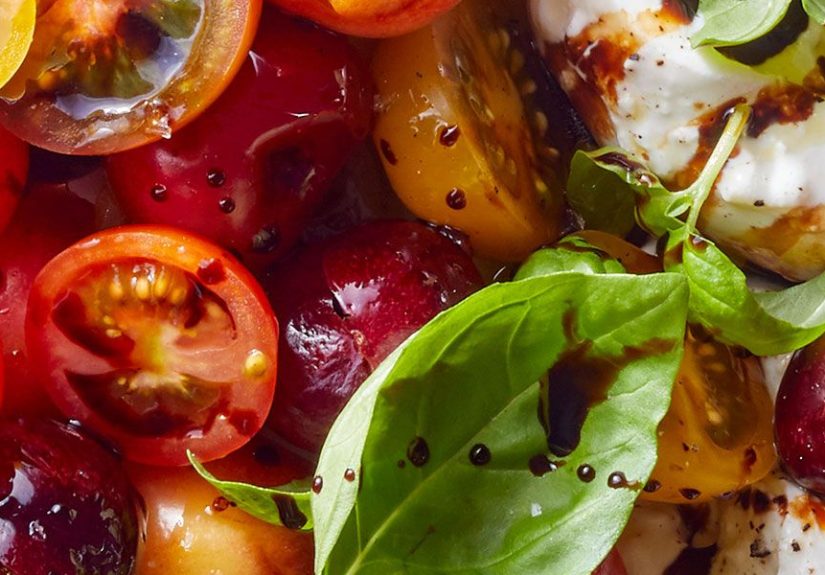
Think tomatoes, watermelon, cucumbers, basil, and a salty cheese. Keep it cold and simple.
A quick vinaigrette or just olive oil + citrus + salt can be enough.
Fall: bitter greens + sweet roast
Pair radicchio or arugula with roasted squash, apples or pears, toasted nuts, and blue cheese.
Use a punchy vinaigrette (sherry vinegar is a star here).
Winter: warm elements + sturdy greens
Massage kale with a little olive oil and salt until it darkens and softens. Add roasted veg, beans,
and a creamy dressing like tahini-lemon. Winter salads are secretly the most satisfying.
Crunch, Cream, Heat: The Add-On Matrix
When a salad tastes “fine” but not “wow,” it usually needs one of these:
- Crunch: toasted almonds, pepitas, sunflower seeds, crispy onions, croutons
- Cream: avocado, feta, goat cheese, yogurt dressing, tahini sauce
- Heat: chili crisp, jalapeño, black pepper, warm roasted veg, grilled protein
- Bright: lemon zest, pickled onions, capers, vinegar-forward vinaigrette
Add just one missing “dimension” and most salads instantly level up.
Common Salad Mistakes (and the Quick Fixes)
- Watery salad → dry greens better; seed cucumbers; salt tomatoes then drain.
- Bland salad → add salt (to greens and dressing); add acid; add something briny (olives, feta, capers).
- Too sharp → add a pinch of sugar or honey; add more oil; add creamy element.
- Wilted greens → dress later; use sturdier greens; keep dressing emulsified.
- “Random ingredients” vibe → pick a theme (Greek, Caesar, Southwest, Italian chopped) and stick to it.
Food Safety and Freshness, Without the Paranoia
Salad is fresh food, and fresh food deserves basic care. Wash produce under running water,
use clean hands and tools, and keep cut greens cold. Skip washing fruits and vegetables with soap
or detergentsproduce can absorb residues and it’s not recommended.
If you buy greens labeled “ready-to-eat” or “triple-washed,” follow the package guidance. Re-washing can
introduce contamination from sinks or hands if you’re not careful. For everything else, wash, dry well,
and refrigerate promptly. And if greens are slimy or smell off, they’re not “still probably fine.”
They’re a science experiment. Let them go.
Real-Life Salad Experiences: 12 Things I Learned the Crunchy Way (Extra Notes)
I used to think my problem with salad was motivation. Like, if I just wanted salad more,
I’d magically stop making the kind that tastes like lawn clippings. Turns out my issue was
engineering. Salad is less “recipe” and more “system,” and once I treated it that way, my bowls
got better fast.
First lesson: wet greens are a salad crime. I didn’t know lettuce could be crispy until I started
drying it properly. Before that, I was basically dressing a damp towel. Now I wash greens, spin them,
and thenthis is the part that felt dramatic at firstwrap them in a clean towel or paper towels so
they stay dry in the fridge. The payoff is huge: your salad stays crunchy, and dressing actually coats
instead of sliding off in a sad puddle.
Second lesson: most “bad salads” are under-seasoned. People are afraid of salt around lettuce,
but salt is how you make greens taste like food. I started seasoning the greens directly (lightly!)
before dressing, and suddenly everything tasted brighter. It’s like turning on the lights in a room.
And yes, sometimes the fix is literally one more pinch of salt and a squeeze of lemon. Annoying.
Effective.
Third lesson: don’t treat dressing like a potion you pour until something happens. I used to drown salads,
then blame the lettuce for being “soggy.” Now I add dressing a tablespoon at a time and toss, toss, toss.
You want the leaves glossy, not swimming. If you can hear sloshing when you shake the bowl, you’ve made soup.
Fourth lesson: theme matters. The bowls that flopped were the ones where I tossed in random leftovers like
I was clearing a fridge curse. The bowls that worked had a vibe: Greek (tomato, cucumber, feta, oregano),
Caesar-ish (Parm, lemon, pepper, croutons), Southwest (beans, corn, lime, cilantro), or Italian chopped
(salami, provolone, pepperoncini). A theme stops you from adding strawberries next to salami and then acting
surprised that it tastes confusing.
Fifth lesson: crunchy add-ins are non-negotiable. If I’m eating salad for dinner, I need texture.
Nuts, seeds, croutons, crispy chickpeassomething that makes the bowl feel satisfying. I keep pepitas
and almonds around because they’re instant upgrades. Bonus: when you add crunch, you don’t need as much cheese
or heavy dressing to feel like you ate a real meal.
Finally, my favorite discovery: salad is the best “use what you have” mealif you prep one or two anchors.
Cook a grain, roast a tray of vegetables, or keep a jar of vinaigrette in the fridge. Then salad becomes the
easiest dinner in your week, not a punishment. Now my most common thought isn’t “Ugh, salad.” It’s
“Wait… I can make this incredible in seven minutes.”
Conclusion
The best salad recipes aren’t about rulesthey’re about balance. Keep your greens cold and dry, build in crunch,
season like you’re cooking (because you are), and use dressings that make everything taste alive. Whether you’re
making a crisp Caesar-ish bowl, a classic Greek salad, an Italian chopped salad, or a quinoa-and-chickpea meal-prep
hero, you’re really learning one skill: how to assemble flavor and texture on purpose.