Table of Contents >> Show >> Hide
- What Is a Wart, Exactly?
- Why Salicylic Acid Is a Go-To Wart Treatment
- What Salicylic Acid Can Treat Well
- When Salicylic Acid Is Not the Right DIY Move
- How to Use Salicylic Acid for Wart Removal
- Smart Tips That Make Salicylic Acid Work Better
- Common Mistakes People Make
- What Side Effects Can Happen?
- When to See a Doctor Instead of Treating It Yourself
- How Long Does Wart Removal Usually Take?
- How to Keep Warts From Coming Back or Spreading
- Real-World Experiences With Salicylic Acid for Warts
- Conclusion
- SEO Tags
Warts are one of those annoying little skin surprises that seem to show up uninvited, overstay their welcome, and act like they pay rent. The good news is that salicylic acid remains one of the most trusted, accessible, and evidence-backed at-home options for treating common warts and plantar warts. The less-good news? It is not magic. It is more of a “show up every day, do the boring thing, and win slowly” kind of treatment. In other words, wart removal with salicylic acid is less like a blockbuster makeover scene and more like brushing your teeth: consistency beats drama.
If you want a practical guide to using salicylic acid for wart removal, this article walks you through what it does, how to use it correctly, what mistakes to avoid, and when it is time to stop playing bathroom dermatologist and call a real one. Whether the wart is on a finger, palm, or the bottom of your foot, these tips can help you use the product safely and give it the best shot at working.
What Is a Wart, Exactly?
A wart is a small skin growth caused by certain strains of the human papillomavirus, or HPV. That virus infects the outer layer of skin and can trigger extra cell growth, which is why a wart often looks rough, thickened, or grainy. Common warts tend to show up on the hands, fingers, elbows, or knees. Plantar warts appear on the soles of the feet, where pressure can push them inward and make them feel tender, like you are walking on a tiny pebble with a grudge.
Warts can spread to other parts of the body or to other people through skin contact or shared personal items. They are not usually dangerous, but they can be stubborn, embarrassing, or painful depending on where they land. Some disappear on their own. Others hang around long enough to feel like permanent residents.
Why Salicylic Acid Is a Go-To Wart Treatment
Salicylic acid is a keratolytic, which is a fancy way of saying it helps break down and peel away thickened skin. When used on a wart, it gradually removes the infected layers of skin over time. This does not happen overnight, and that is where many people get frustrated. But salicylic acid has a strong reputation because it is inexpensive, widely available, and supported by real clinical evidence for nongenital cutaneous warts.
It is commonly sold in liquids, gels, pads, plasters, and medicated tapes. You will often see lower-strength formulas, such as around 17%, used for common warts on hands and fingers. Higher-strength products, such as 40% pads or plasters, are often used for thicker skin on the soles of the feet. That difference matters because a thin-skinned finger and a weight-bearing heel are not exactly working under the same conditions.
What Salicylic Acid Can Treat Well
Common warts
These are the classic rough, raised bumps most people picture when they hear the word “wart.” Salicylic acid is often a strong first choice for these.
Plantar warts
These form on the bottom of the foot and may be flatter because of pressure from walking. Salicylic acid can help, but plantar warts usually require patience because the skin there is thicker.
Some flat warts
Salicylic acid is sometimes used for flat warts, but these can be trickier depending on location. If the wart is on the face, do not self-treat with standard wart-removal salicylic acid products.
When Salicylic Acid Is Not the Right DIY Move
Before you go full wart warrior, know when to hit pause. You should not use standard wart-removal salicylic acid products on the face, genitals, or other very sensitive skin. Those areas need professional guidance. It is also smart to avoid self-treating if you are not sure the bump is actually a wart. Moles, calluses, skin tags, and other growths can sometimes be mistaken for warts, and treating the wrong thing with acid is not exactly a skin-care glow-up.
You should also talk with a healthcare professional before using salicylic acid if you have diabetes, poor circulation, or neuropathy in the area being treated. If you cannot feel irritation or you do not heal well, home treatment can become risky fast. Children under 2 generally should not use topical salicylic acid wart products unless a clinician specifically advises it.
How to Use Salicylic Acid for Wart Removal
This is where technique matters. Applying salicylic acid once and hoping for a miracle is like going to the gym one time and expecting surprise abs by dinner. Here is the smarter way to do it.
Step 1: Soak the wart
Soak the wart in warm water for about 5 to 10 minutes. This softens the thick outer skin and helps the medication penetrate better. It is a small step, but skipping it can make the process slower.
Step 2: Gently thin the dead surface
After soaking, gently file or rub the wart with an emery board, pumice stone, or similar tool to remove loose dead skin. Be gentle. You are aiming for light surface thinning, not a dramatic excavation project. Use that tool only for the wart, and do not share it. Better yet, throw away disposable tools after use.
Step 3: Apply the salicylic acid only to the wart
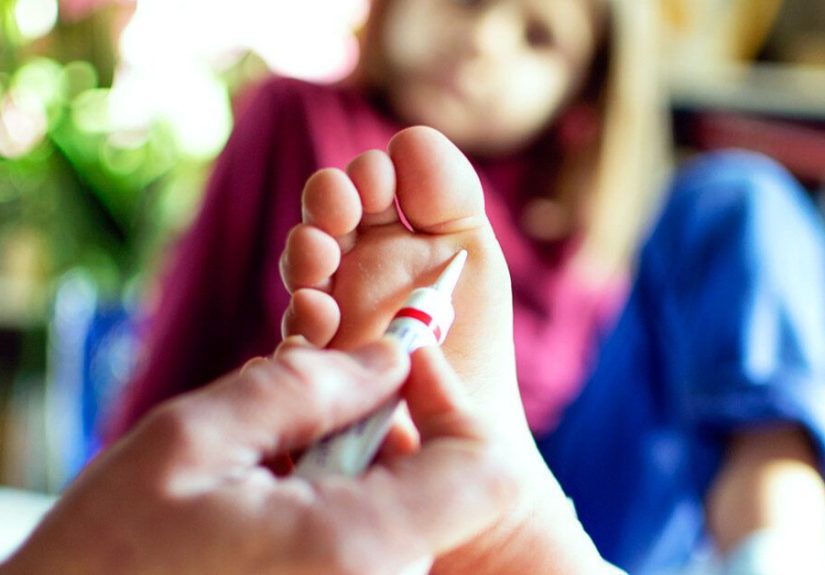
Follow the product directions carefully. Liquids and gels are usually painted directly onto the wart. Pads or plasters are placed over it and left on for the amount of time listed on the package. Keep the medicine as close to the wart as possible. Healthy surrounding skin will not thank you for the acid bath.
Step 4: Cover if the product instructions call for it
Some regimens use occlusion, meaning the wart is covered after treatment. Certain pads already do this. Some people also use tape over the treated area if instructed by the product or their clinician. Covering can help keep the medicine in place and improve contact time.
Step 5: Repeat consistently
This is the part that decides whether you win or the wart wins. Most salicylic acid treatments need to be used daily, or as directed, for several weeks. Some people see progress in a few weeks; others need up to 12 weeks or longer, especially for plantar warts. If you treat it for three days, get bored, and disappear for two weeks, the wart will probably celebrate your lack of commitment.
Smart Tips That Make Salicylic Acid Work Better
- Pick the right strength. Around 17% is common for hand warts, while thicker plantar warts often respond better to stronger pad-style products.
- Do not overdo the scraping. Gentle removal of dead skin helps. Aggressive digging only irritates the area and can make treatment miserable.
- Stay on schedule. Salicylic acid rewards consistency more than enthusiasm.
- Wash your hands after applying it. This is a good habit, especially if you are treating finger or hand warts.
- Do not pick at the wart. Picking can irritate the skin and may help spread the virus.
- Protect the area in shared spaces. If you have a plantar wart, wear footwear in locker rooms, pools, and communal showers.
- Be realistic. Even effective treatment can be slow. Wart removal is often a grind, not a plot twist.
Common Mistakes People Make
Using it on the wrong bump
Not every rough spot is a wart. Corns, calluses, and other skin lesions can look similar. If you are not sure, get it checked.
Stopping too soon
A wart may look flatter before it is fully gone. Many people stop treatment the second it seems “better enough,” only to watch it return like a sequel nobody asked for.
Applying too much
More is not always better. Overapplying salicylic acid can irritate or damage surrounding skin. Use the amount and frequency directed by the product.
Ignoring irritation
Mild irritation can happen, but severe redness, burning, swelling, or raw skin is a sign to stop and reassess. Your skin should not feel like it lost a fight with a cheese grater.
What Side Effects Can Happen?
The most common side effects are local skin irritation, dryness, peeling, and mild stinging. That makes sense because the medicine is literally designed to break down thickened skin. Still, there is a difference between “working” and “wrecking the area.” If the skin becomes very painful, inflamed, or starts to look infected, stop using the product and contact a healthcare professional.
Never swallow wart remover, and do not apply more than directed. These products are for external use only. Keep them away from children and from eyes, mouth, and mucous membranes.
When to See a Doctor Instead of Treating It Yourself
- The wart is on your face, genitals, or under a nail.
- You are not sure it is a wart.
- The area is bleeding, oozing, very painful, or looks infected.
- You have diabetes, poor circulation, or neuropathy.
- You have many warts, or they keep spreading.
- You used salicylic acid correctly for weeks and it still is not improving.
- You are immunocompromised or treating a child and want confirmation before using OTC products.
If home treatment is not getting the job done, a clinician may suggest cryotherapy, prescription-strength topical therapy, cantharidin, immunotherapy, or other in-office treatments. In some cases, salicylic acid also works well as part of a broader treatment plan rather than as a solo act.
How Long Does Wart Removal Usually Take?
Here is the honest answer: often longer than people want. Salicylic acid can be effective, but it usually works over weeks, not days. A practical expectation is several weeks of steady treatment, with some cases taking around 6 to 12 weeks and stubborn plantar warts taking even longer. That does not mean the product is failing. It usually means the wart is being removed layer by layer, exactly as intended.
If the wart is shrinking, softening, flattening, or showing less rough tissue, those are encouraging signs. Slow improvement still counts as improvement. In wart treatment, boring progress is still progress.
How to Keep Warts From Coming Back or Spreading
- Do not share towels, socks, shoes, nail clippers, pumice stones, or emery boards.
- Cover plantar warts when walking in shared wet areas.
- Avoid picking, shaving over, or biting around warts.
- Wash hands after touching treated areas.
- Keep the skin healthy and avoid unnecessary friction when possible.
Recurrence can happen even after a wart seems gone. That is not always a sign that you did something wrong. Warts are caused by a virus, and the skin does not always read the memo the first time.
Real-World Experiences With Salicylic Acid for Warts
One of the most common experiences people report with salicylic acid is surprise at how unglamorous the process is. They expect the wart to dry up dramatically and fall off like a villain in a movie. Instead, what they often get is a slow routine: soak, file, dab, cover, repeat. At first, that can feel underwhelming. But over time, many people start to notice small changes that matter: the wart looks whiter after treatment, the rough top layer becomes easier to remove, and the bump gradually flattens out.
Another common experience is second-guessing. Around the one- or two-week mark, people often wonder whether the product is doing anything at all. This is especially true for plantar warts, which can be deeply embedded under thick skin. But for many users, the visible progress comes later, not sooner. The center may start to break down, the callused surface may thin out, and the wart may become less painful to walk on. It is not exciting progress, but it is real.
People also talk about the balancing act between persistence and irritation. Salicylic acid can be effective, but if it spills onto normal skin, that surrounding area may get tender, flaky, or raw. Many people learn the hard way that precision matters. They start out slapping the product on with the confidence of someone frosting cupcakes, then quickly realize that careful placement is a much better strategy. Once they get more targeted with application, treatment often becomes easier to tolerate.
Parents treating children’s warts often describe the process as part medicine, part negotiation. There may be resistance to soaking, complaints about filing, and dramatic declarations that the wart has “ruined everything forever.” Still, routines help. When treatment becomes a quick nightly habit instead of a big event, many families find it more manageable. Some also notice that kids do better when the plan is simple and consistent rather than intense and irregular.
Adults treating hand warts often say the biggest challenge is remembering to be consistent. Busy schedules, frequent handwashing, and plain old forgetfulness can interrupt treatment. In contrast, plantar wart treatment tends to be more memorable because the wart literally reminds you it exists every time you step on it. That daily discomfort is not fun, but it does keep the wart higher on the to-do list.
Emotionally, wart treatment can be oddly frustrating for such a small skin issue. People feel annoyed by how long it takes, embarrassed by visible warts on the hands, or discouraged when a wart improves and then seems to linger anyway. But a common thread in successful experiences is patience. The people who tend to get the best results are not necessarily the ones using the fanciest products. They are the ones who keep going, use the medicine correctly, avoid picking, and know when to seek medical care if home treatment stalls out.
In short, the real-life experience of using salicylic acid is usually a lesson in consistency, not drama. It is ordinary, repetitive, and a little bit annoying. But for many people, that steady routine is exactly what finally gets the wart to pack its bags.
Conclusion
Salicylic acid remains one of the best first-line at-home treatments for common and plantar warts because it is accessible, affordable, and backed by evidence. The trick is using it the right way: soften the wart, gently remove dead skin, apply the product carefully, and repeat the process with real consistency. Do not use it on sensitive areas such as the face or genitals, and check with a healthcare professional first if you have diabetes, poor circulation, neuropathy, or any doubt about what you are treating.
If you were hoping for an instant fix, wart treatment may test your patience. But if you want a realistic, practical option that often works well over time, salicylic acid absolutely deserves its reputation. Sometimes winning the battle against a wart is not about flashy medicine. It is about a humble little bottle, a daily routine, and stubbornness used for good.