Table of Contents >> Show >> Hide
- What Sam’s Club Was Actually Selling
- Why the Easy-Bake Oven Still Has Such a Hold on Shoppers
- How the Modern Easy-Bake Differs From the One You Remember
- Was the Sam’s Club Price Actually a Good Deal?
- What Parents and Gift Buyers Should Know Before Buying
- Why This Tiny Oven Still Makes Sense in a Very Digital World
- A Longer Look at the Easy-Bake Experience
- Conclusion
If you grew up believing that a tiny cake cooked by a light bulb was the peak of civilization, this news probably hit you right in the childhood. The buzz around Sam’s Club and the Easy-Bake Oven wasn’t just another random retail moment. It was one part nostalgia bomb, one part holiday gift frenzy, and one part practical question from parents everywhere: Is this thing actually worth buying?
The answer is more interesting than a simple yes or no. The Sam’s Club drop made waves because it revived one of America’s most iconic toy ovens in a way that felt both familiar and a little more modern. At the center of the excitement was a seasonal Sam’s Club offering of the Easy-Bake Ultimate Oven, sold for a limited time and pitched as a fun gift for young bakers. That limited-time angle mattered. It created the kind of urgency retailers love, nostalgia lovers understand, and procrastinating holiday shoppers absolutely fear.
But there’s more to this story than “cute toy, add to cart.” The Easy-Bake Oven has a long cultural history, a surprisingly loyal fan base, and a modern design that is a far cry from the older bulb-powered version many adults remember from childhood. So if you’re wondering why people got so excited, what made the Sam’s Club version stand out, and whether this tiny baking machine deserves a place in your cart or on your gift list, here’s the full scoop.
What Sam’s Club Was Actually Selling
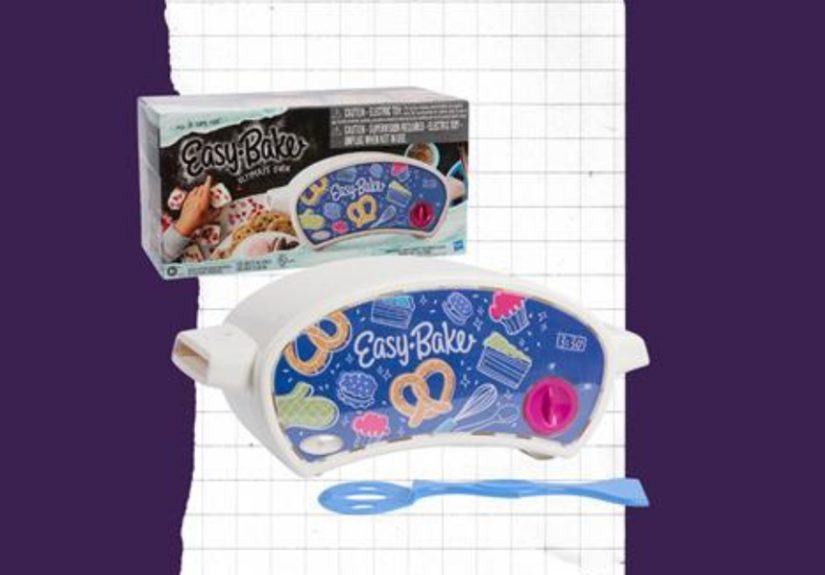
The headline-worthy moment came from Sam’s Club’s seasonal offering of the Easy-Bake Ultimate Oven, a warehouse-club version that tapped directly into retro appeal. The pitch was simple and effective: here was a classic toy oven, back in stores, sold for a limited time, and priced low enough to feel like an impulse gift instead of a financial summit meeting.
At the time of the buzz, the Sam’s Club price sat at $34.98, which helped the product stand out in a category where nostalgic toys can get expensive fast. Better yet, the retailer framed it as a seasonal item, meaning shoppers had a very clear message: buy now, because this cute little oven may vanish like the last cookie on a school bake-sale table.
The Sam’s Club version included the basics you’d expect for getting started: the oven itself, a baking pan, a pan tool, and instructions. What it didn’t include was a buffet of endless mixes. That’s important because the Easy-Bake experience doesn’t stop at the appliance. Once the oven lands in your kitchen, you still need refill mixes or homemade-compatible alternatives to keep the fun going. In other words, the oven is the star, but the supporting cast still needs to be hired separately.
That detail matters for shoppers who see a low sticker price and assume the whole tiny-bakery fantasy is included. It is not. The Sam’s Club deal looked great partly because it lowered the barrier to entry, but long-term enjoyment still depends on whether you’re willing to buy or source additional baking mixes afterward.
Why the Easy-Bake Oven Still Has Such a Hold on Shoppers
The Easy-Bake Oven is not just a toy. It is a tiny cultural monument with sprinkles. First introduced in 1963, the Easy-Bake became a sensation by giving kids something they rarely got from toys at the time: a miniature version of real adult behavior. This wasn’t pretend tea or imaginary pie. Children could actually mix ingredients, slide a pan into the oven, wait impatiently, and produce a real edible result. Maybe not a bakery masterpiece, but definitely something snack-adjacent.
That real-result factor is a huge part of the brand’s staying power. Plenty of toys are fun for 20 minutes and then migrate to the closet, where they live among puzzle pieces, rogue crayons, and the broken remains of someone’s “creative phase.” The Easy-Bake Oven has lasted for generations because it delivers an outcome kids can taste, share, and show off.
Nostalgia also plays a giant role. Adults who remember the Easy-Bake from the 1980s, 1990s, or even earlier don’t just remember a toy. They remember the ritual: reading the instructions with suspicious seriousness, overmixing batter like they were auditioning for a cooking show, and proudly presenting a tiny lopsided cake to a parent who pretended it deserved a Michelin star. Sam’s Club leaned into that emotional memory without having to say much at all. The product did the talking.
And then there is the simple truth that baking toys fit nicely into what many parents want right now. They feel more hands-on than screen-based entertainment, more creative than passive consumption, and more memorable than another generic gadget. The Easy-Bake Oven offers a small but satisfying activity that feels productive without becoming homework in disguise.
How the Modern Easy-Bake Differs From the One You Remember
If your mental image of the Easy-Bake Oven involves a glowing light bulb and a suspiciously warm plastic shell, you are not imagining things. The original versions famously used household incandescent bulbs as a heat source. That old-school design became part of the Easy-Bake legend, but the product has evolved.
Modern Easy-Bake models are designed with a heating element rather than the old bulb-based setup. That change is one reason the current version feels less like a novelty from your grandmother’s rec room and more like an updated toy appliance. The newer designs are made to look more polished, more colorful, and more in step with current toy trends, while still preserving the core appeal of mixing batter and baking mini treats.
Depending on the model and retailer, newer Easy-Bake Ultimate versions may also feature a more modern-retro look, improved tools, a built-in timer, and playful visual details that make the oven feel more like a “real” little kitchen product. The brand has clearly learned that today’s shopper wants two things at once: old memories and fresh design. That’s a difficult balance, but Easy-Bake has stayed alive by walking that line surprisingly well.
Of course, “modern” does not mean “set it and forget it.” This is still an electric toy, still intended for children ages 8 and up, and still something that requires adult supervision. It bakes real food, which is exactly why kids love it and exactly why adults need to stay involved. The fun is real, but the heat is also real.
Was the Sam’s Club Price Actually a Good Deal?
In plain English: yes, the Sam’s Club price was a big part of the excitement. At the time the limited-time release was getting attention, the warehouse-club price of $34.98 looked notably lower than what shoppers were seeing elsewhere for Easy-Bake-branded ovens. Walmart, for example, listed an Easy-Bake Ultimate Electric Oven toy at $49.97. That put Sam’s Club roughly $15 lower on the initial purchase, which is enough of a difference to make bargain hunters sit up and say, “Okay, now I’m listening.”
That price gap also made the Sam’s Club version feel more giftable. Parents, grandparents, aunts, uncles, and every holiday shopper who has ever panic-bought a toy three days before a family gathering could see the appeal. A recognizable brand, strong nostalgia, real functionality, and a price under $35? That checks a lot of boxes.
Still, the smartest way to look at the value is to think beyond the oven itself. The real cost of ownership includes refill mixes, possible accessories, and the chance that your child will immediately decide they are now a pastry genius who needs more ingredients by tomorrow afternoon. If you treat the oven as a one-and-done novelty, the Sam’s Club price was excellent. If you treat it like the start of an ongoing hobby, it is still reasonable, but the total spend can climb.
That doesn’t make it a bad buy. It just makes it an honest one. The Sam’s Club offer was strong because it lowered the entry cost for families curious about the Easy-Bake experience without asking them to commit to a premium bundle right away.
What Parents and Gift Buyers Should Know Before Buying
1. This is a real baking toy, not just pretend play
The Easy-Bake Oven works because it actually bakes small treats. That is the whole magic. It also means kids need supervision, patience, and a little help following directions. If you want a toy that keeps children busy with no adult involvement, this is not that toy. If you want an activity you can do with them, it is much more appealing.
2. Age guidance matters
Current Easy-Bake guidance points to kids 8 and up. That is not arbitrary. Measuring ingredients, handling hot components carefully, and waiting for food to bake all require a certain level of maturity. A younger child may still enjoy the process, but an adult will need to be heavily involved.
3. Refills are part of the experience
One of the biggest surprises for first-time buyers is realizing that the oven alone is only half the story. Refill mixes are where the ongoing fun lives. Before buying, it helps to check availability and prices for mixes so you’re not handing over a toy that becomes a countertop decoration after one weekend.
4. Limited-time retail drops can disappear quickly
This is where Sam’s Club played the game well. Limited-time seasonal inventory creates urgency, and products tied to nostalgia tend to move fast when people think they may not see them again for months. If a shopper hesitates too long, the item may be gone. That’s not retail poetry. That’s just how seasonal club inventory works.
5. The best audience is broader than you think
Yes, the Easy-Bake Oven is for kids. But it is also for nostalgic adults, gift buyers chasing something more memorable than the usual toy aisle filler, and families who like activities that create a little together time without requiring a full Pinterest-level production. Its audience is wider than the pink-and-purple history might suggest.
Why This Tiny Oven Still Makes Sense in a Very Digital World
One reason the Easy-Bake Oven keeps finding new life is that it offers something a lot of modern toys do not: a tactile, sensory payoff. Kids measure. They stir. They wait. They smell the treat baking. They push the pan through. They taste the result. It is not flashy in the tech sense, but it is rich in a way that matters.
For families, that can feel refreshing. The toy encourages following directions, learning a few beginner kitchen habits, and sharing an activity that ends with something edible. That is a strong value proposition, especially when compared with toys that beep, light up, and then somehow still become boring by lunchtime.
It also gives children a small, manageable sense of independence. They are not preparing a three-tier cake for a televised baking finale. They are making tiny treats. But in a child’s mind, that can feel enormous. The Easy-Bake Oven turns basic kitchen participation into a milestone. It says, “You made this,” and for kids, that message is powerful.
That is why the Sam’s Club moment mattered. It was not just about a warehouse retailer bringing back a familiar product. It was about a classic toy finding relevance again because it still delivers something families want: fun, memory-making, and a result you can literally eat.
A Longer Look at the Easy-Bake Experience
To understand why the Sam’s Club release hit such a nerve, it helps to think about the actual experience of living with an Easy-Bake Oven rather than just spotting one in a shopping cart. The experience starts long before the first brownie mix gets stirred. It starts with recognition. A parent or grandparent sees the box and gets that immediate flashback: “Wait, I had one of these.” That little spark matters because it turns a toy purchase into a family story before the box is even opened.
Then comes the ceremony of unboxing, which in kid logic is basically a national holiday. The pan comes out. The tool comes out. The instructions come out and are ignored for 12 dramatic seconds before an adult reminds everyone that baking is more successful when chaos is kept under at least semi-professional control. Suddenly the kitchen feels different. It is not just the place where dinner appears. It is a tiny studio for experiments, tiny triumphs, and the occasional tiny disaster.
The first bake is usually equal parts excitement and comedy. Kids tend to approach the Easy-Bake Oven with the confidence of celebrity chefs and the measuring skills of raccoons on espresso. Flour drifts. Mix gets stirred with a level of passion normally reserved for Olympic events. Somebody asks every four minutes if it’s done yet. Somebody else announces they are now opening a bakery. This is, frankly, part of the charm.
What makes the experience stick is that it slows everyone down in a good way. You have to follow steps. You have to wait. You have to watch the process unfold instead of tapping a screen and moving on. For children, that waiting can be a lesson in patience. For adults, it can feel weirdly nostalgic and calming. The Easy-Bake Oven creates a pocket of time where everyone is doing one small thing together, and that is rarer than it should be.
There is also something undeniably sweet about the scale of it all. The treats are tiny. The portions are tiny. The kitchen drama is tiny. But the pride is huge. A child presenting a mini cake from an Easy-Bake Oven often behaves like they have just won a blue ribbon at the county fair, and honestly, they deserve that energy. Even when the treat comes out a little uneven, a little dry, or a little too abstract to identify without context, it still feels like a real accomplishment.
That is why the product works so well as a gift. It is not just an object. It is an invitation to do something. It says, “Let’s make a mess, follow some steps, laugh a little, and end up with something warm and sugary.” In a market crowded with forgettable toys, that is a surprisingly powerful promise.
The Sam’s Club angle made this experience more accessible because the lower limited-time price gave families a reason to say yes. It lowered the friction. It made the purchase feel fun rather than risky. And because the Easy-Bake Oven carries decades of cultural memory, the toy arrived with built-in emotional value that many newer products simply do not have.
That emotional value is the real secret sauce. The Easy-Bake Oven is part toy, part activity, part nostalgia machine. It lets older generations revisit a childhood icon while letting kids discover it fresh. Not many products can genuinely bridge that gap. This one can. That is why even a temporary warehouse-club restock turned into a conversation piece.
So yes, Sam’s Club selling Easy-Bake Ovens for a limited time was a retail story. But it was also a story about why some classic products never really disappear. They just wait for the right moment to pop back up, look adorable, and make everyone suddenly crave tiny brownies.
Conclusion
Sam’s Club didn’t create the Easy-Bake Oven craze, but it absolutely understood how to reignite it. By pairing a beloved classic with a seasonal, limited-time release and a wallet-friendlier price, the retailer turned a nostalgic toy into a timely shopping story. And honestly, it worked because the product still works. The Easy-Bake Oven remains one of those rare toys that offers more than momentary amusement. It delivers hands-on fun, beginner kitchen confidence, and the kind of memory-making that sticks.
If you missed the Sam’s Club drop, the broader lesson remains the same: the Easy-Bake Oven still has real appeal in the modern market. It is not just retro clutter with a famous name. It is a clever, enduring activity toy that feels just as much about family connection as it does about tiny desserts. Which may be the biggest surprise of all. Sometimes the smallest oven still makes the biggest impression.