Table of Contents >> Show >> Hide
- Why Tuberculosis Still Wears the Grim Crown
- What Scientists Actually Discovered
- Why This Discovery Is a Big Deal
- But No, TB Is Not Gone Tomorrow
- The Broader War on TB Is Changing Fast
- Could This Really Help Eliminate the World’s Deadliest Infectious Disease?
- Real-World Experiences and Lessons From the Fight Against TB
- Conclusion
That headline sounds like the kind of thing you would expect to be followed by confetti, a Nobel Prize, and maybe one very emotional lab technician doing a victory lap in safety goggles. Reality, as usual, is a bit more stubborn. Scientists have not erased tuberculosis from Earth with one dramatic flourish. But they have uncovered a highly promising weak spot in the bacterium that causes TB, and it could become one of the most important discoveries in the modern fight against one of humanity’s oldest killers.
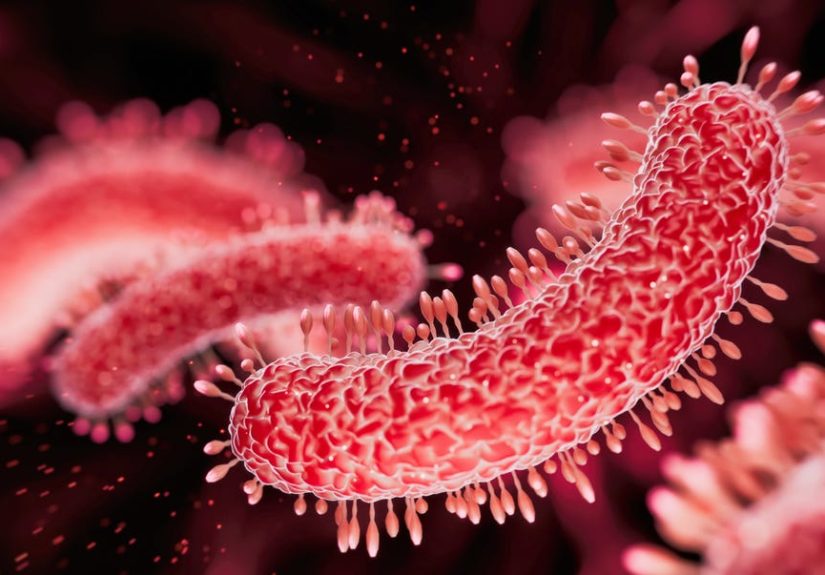
Tuberculosis, or TB, is caused by Mycobacterium tuberculosis. It spreads through the air, usually when an infected person coughs, and it still kills well over a million people a year worldwide. That is the maddening part: this is a disease we already know how to diagnose, prevent, and treat in many cases, yet it keeps outlasting public attention, health budgets, and sometimes even our best medicines. TB is not just old. It is annoyingly good at survival.
Now researchers have identified a molecular control system inside the TB bacterium that acts like a power manager for its respiration and energy production. Shut that system down, and the microbe does not merely have a bad day. It dies. That makes the discovery more than an interesting biology lesson. It makes it a plausible launch point for a new generation of TB drugs.
Why Tuberculosis Still Wears the Grim Crown
For many people in wealthy countries, tuberculosis sounds like a disease from sepia-toned photographs, old novels, and sanatorium porches. In reality, TB remains one of the deadliest infectious diseases on the planet. It affects millions every year, and it hits hardest where health systems are fragile, crowded living conditions make transmission easier, and poverty turns an infection into a long social disaster.
Part of what makes TB so difficult is that it is sneaky. A huge portion of the world’s population carries latent TB infection, meaning the bacteria are present but inactive. Those people are not sick and are not contagious, but the infection can later wake up and become active disease. It is the microbial version of a burglar hiding in the attic, paying rent in silence, then kicking the door down years later.
TB also thrives in the gap between what medicine can do and what public health systems can deliver. Many patients are diagnosed late. Some live far from reliable testing. Some stop treatment early because the regimen is long, expensive, exhausting, or difficult to access. Drug-resistant TB complicates things even more, because once the bacterium learns to outsmart standard therapy, the fight gets longer, costlier, and riskier.
What Scientists Actually Discovered
PrrAB: The Bacterium’s “Heartbeat”
The breakthrough drawing attention centers on a molecular system called PrrAB. Researchers at Arizona State University described it as something like the TB bacterium’s heartbeat or lungs, because it helps regulate respiration and energy generation. In simpler terms, PrrAB helps the organism keep its internal power grid running.
That matters because bacteria do not survive on vibes. They survive on energy. And if you can identify the switchboard that keeps their energy system functioning, you may have found a drug target worth chasing.
Using CRISPR interference, scientists turned down the activity of PrrAB in Mycobacterium tuberculosis. The result was striking: the bacteria could not cope. The system appeared essential to life in TB. When PrrAB was repressed, crucial respiratory genes were dialed down, energy production was disrupted, and the organism’s survival cratered.
This is exactly the kind of finding drug developers dream about. An ideal target is one the pathogen cannot easily live without, preferably one humans do not share in the same form. That raises the odds of building a therapy that hits the microbe hard while sparing the patient’s cells. In PrrAB, scientists may have found just that kind of vulnerable machinery.
DAT-48: The Experimental Compound Adding Excitement
The story gets even better. The ASU team also studied an experimental anti-TB compound called DAT-48, or diarylthiazole-48. In laboratory testing, DAT-48 killed several strains of TB, including clinical strains, and seemed tied to the same PrrAB-regulated pathway. That is not just interesting; it is the sort of clue that turns a scientific theory into a potential drug-development roadmap.
Even more encouraging, DAT-48 worked better when combined with established TB drugs such as bedaquiline and telacebec. In other words, researchers were not just watching a lone compound throw punches. They were watching it become part of a smarter team. In infectious disease therapy, synergy matters because combinations can improve effectiveness, shorten treatment, and reduce the chance that resistance will emerge.
There is also a selective angle here. DAT-48 did not show the same activity against related mycobacterial species, which suggests this pathway may be especially valuable in targeting TB itself. The dream scenario is obvious: a future medicine that exploits a system the TB bacterium desperately needs and humans do not.
Why This Discovery Is a Big Deal
Every few months, science news serves up a headline that sounds suspiciously like “disease destroyed forever.” Most of those stories are really early steps, not finish lines. This one is different enough to deserve real attention because it checks several boxes that matter in drug discovery.
First, the target appears essential. If you hit PrrAB, TB struggles to stay alive. Second, it is tied to respiration and oxidative phosphorylation, which are core energy functions rather than decorative extras. Third, the work already points toward a compound that can exploit that vulnerability. Fourth, the compound appears to play nicely with existing TB drugs, which opens the door to combination therapy rather than a one-molecule fantasy.
That is a powerful mix. The discovery is not just “here is a weird bacterial gene.” It is “here is a control hub, here is evidence it matters, here is a compound linked to it, and here is a reason to think the clinical toolbox could grow around it.” In drug-development terms, that is a meaningful leap.
But No, TB Is Not Gone Tomorrow
This is the part where science politely clears its throat and reminds everyone that petri dishes are not people. The PrrAB findings are exciting, but they are still early-stage. Laboratory success does not automatically translate into safe, effective treatment in humans. Compounds need optimization. Toxicity needs evaluation. Dosing, delivery, resistance risk, pharmacology, and clinical performance all need answers.
That means the phrase “wipe out” should be read as a headline with ambition, not a declaration of victory. The more accurate interpretation is that scientists may have discovered a very promising new way to attack TB at its biological core. That is huge. It is just not the same as saying the disease has packed its bags and left the planet.
There is another reason caution matters: TB is not only a molecular problem. It is also a systems problem. Even the best drug in the world cannot eliminate TB if patients cannot get diagnosed early, cannot afford care, or cannot complete therapy. Biology may hand us a key, but public health still has to build the door.
The Broader War on TB Is Changing Fast
Shorter Treatments Are Finally Arriving
One major reason TB control has been so hard is treatment length. Traditional therapy can be long and complicated, which is bad news for adherence. But the landscape is improving. Updated U.S. clinical guidance now includes a four-month regimen for eligible drug-susceptible pulmonary TB in older children and adults, instead of the classic six-month standard. For some drug-resistant TB cases, all-oral six-month regimens are also changing expectations.
That may sound like an administrative detail, but it is not. Shorter treatment means more people actually finish it. More completion means fewer relapses, less transmission, and fewer chances for resistance to take center stage like the world’s worst opening act.
Diagnostics Are Becoming Faster
TB used to force clinicians into an agonizing waiting game. Standard cultures can take weeks, and drug-resistance testing can drag things out further. Rapid molecular tests such as Xpert MTB/RIF have changed that by detecting TB and rifampin resistance in under two hours. That speed can make an enormous difference for patient care and infection control.
Still, diagnostics are only powerful if health systems actually use them at scale. A fast machine in a brochure does not save lives. A fast machine in a clinic that patients can access absolutely does.
Vaccines and Prevention Are Getting New Energy
The current BCG vaccine helps protect children from severe forms of TB, but its protection against adult pulmonary TB is limited and variable. That is why vaccine research remains so important. Scientists are exploring multiple strategies, from improved boosters to therapeutic vaccines and safer challenge models that could speed testing.
Johns Hopkins researchers recently reported encouraging preclinical results for a nasally delivered DNA vaccine, while Weill Cornell teams are developing “kill switch” TB strains that could help create safer vaccine studies. None of this is ready to erase TB next week, but together these efforts signal a field that is no longer content with century-old tools and crossed fingers.
Could This Really Help Eliminate the World’s Deadliest Infectious Disease?
Potentially, yes. But elimination will not come from one discovery alone. It will come from layers of progress stacked on top of each other: better drugs, shorter regimens, faster diagnosis, smarter prevention, stronger contact tracing, better funding, and a willingness to treat TB like the emergency it still is.
The PrrAB discovery fits beautifully into that larger strategy because it addresses one of TB’s most basic powers: staying alive. If researchers can turn that insight into a safe, potent medicine, it could strengthen treatment, improve combination regimens, and perhaps reduce the bacterium’s ability to persist or spread. That is how stubborn diseases are beaten in real life: not usually with a single silver bullet, but with multiple precise hits to every advantage they have.
So, did scientists discover how to wipe out the world’s deadliest infectious disease? The honest answer is this: they may have discovered one of the most promising ways yet to do it. And in the long, exhausting, stop-start history of TB, that is not hype. That is real progress.
Real-World Experiences and Lessons From the Fight Against TB
One reason tuberculosis continues to humble medicine is that the disease looks very different depending on where you stand. In a research lab, TB is a dense map of genes, proteins, and drug targets. In a public health clinic, it is a patient who has been coughing for weeks and is too tired to work. In a family, it is often fear, confusion, and the sudden need for everyone in the household to get tested.
Doctors and TB program workers often describe the same frustrating pattern: the science is advancing, but the human obstacles remain painfully familiar. A patient starts feeling a little better after treatment begins, then stops taking the medicines because the pills are harsh, the schedule is long, or daily survival feels more urgent than perfect adherence. That is not irresponsibility; it is what happens when a disease collides with real life. TB control succeeds only when treatment is designed around people, not around the fantasy that every patient has unlimited time, money, transportation, and patience.
Researchers working on TB also talk about a strange cultural problem: the disease is both famous and invisible. Everyone has heard of it, yet many assume it belongs to the nineteenth century. That misconception can make funding difficult, even as the bacterium keeps evolving, spreading, and resisting drugs. Scientists who devote years to TB research often sound less surprised by the biology than by the fact that such a lethal disease still struggles to command attention.
Public health successes show what happens when the opposite approach is taken. Screening programs, treatment support, preventive therapy, school-based outreach, and contact tracing have dramatically lowered TB rates in some vulnerable communities. Those stories rarely go viral, but they matter. They show that TB is not unbeatable. It is just unforgiving when health systems are fragmented or underfunded.
There is also an emotional dimension that does not show up in most headlines. TB patients can face stigma because the disease is contagious, associated with poverty, or misunderstood by employers and neighbors. Clinicians and nurses often have to spend as much time building trust as writing prescriptions. Getting someone through TB treatment can mean explaining lab results, arranging follow-up, tracking side effects, and reminding the patient that needing help is not failure.
That is why discoveries like the PrrAB breakthrough matter beyond the lab bench. Better TB tools do not just make journal editors happy. They can mean shorter illness, fewer missed paychecks, less household transmission, and a better chance that patients actually finish what medicine starts. In the real world, wiping out TB will never be just a chemistry story. It will be a story about science meeting access, discipline meeting compassion, and innovation finally reaching the people who need it most.
Conclusion
The newest TB research does not mean humanity has already slammed the door on tuberculosis. But it does mean scientists are getting closer to the hinges. By identifying PrrAB as an essential control center for TB survival and pairing that insight with the experimental compound DAT-48, researchers may have found a powerful new way to attack the bacterium where it is weakest. Combined with shorter treatment regimens, faster diagnostics, better prevention, and next-generation vaccine work, this discovery adds real momentum to the fight.
TB has survived for centuries by being patient, adaptable, and cruelly efficient. Science is finally getting better at being equally persistent. And if the world matches laboratory breakthroughs with public health seriousness, the dream of eliminating TB starts to sound less like a fantasy and more like a plan.